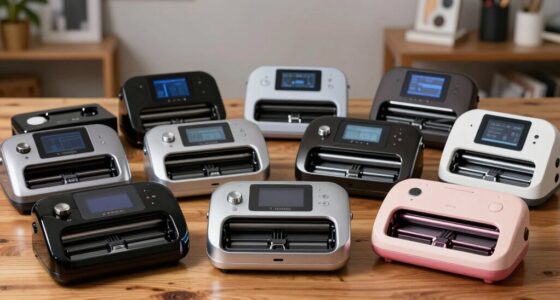

For a versatile benchtop belt disc sander, my best overall pick is the RIKON 50-112, which pairs a 4 × 36-inch belt with a 6-inch disc for common shop tasks. The JET J-41002 stands out for buyers who need a longer, narrower belt and larger disc, while the RIKON 50-161VS offers variable speed for work that benefits from more control. The main tradeoffs are sanding surface area, bench space, speed options, and the balance between a general-purpose combo and a specialized setup. Smaller 1 × 30-inch models take less room, while 4 × 36-inch machines support broader workpieces. Continue reading for the full breakdown of all 15 benchtop belt disc sanders and how I’d match them to different shops.

Get business pricing on tools and workshop supplies
- Business-only prices and quantity discounts
- Tax-exempt purchasing
- Multiple users, one account, clear invoices
Complete the kit


Key Takeaways
- 4 × 36-inch belt and 6-inch disc combinations dominate this lineup, making them the broadest fit for general woodworking and edge sanding.
- The RIKON 50-112 is my best overall pick because its belt and disc sizes serve everyday shop tasks without leaning into a narrow specialty.
- The JET J-41002 and RIKON 1 × 42-inch model serve different needs: the JET pairs a 2 × 42-inch belt with an 8-inch disc, while the RIKON uses a narrower 1-inch belt with the same disc diameter.
- Variable speed is a distinct advantage, not a default requirement; the RIKON 50-161VS and Woodskil variable-speed model suit work that calls for speed adjustment.
- Compact 1 × 30-inch machines trade working area for a smaller footprint, while cast iron and larger-format designs may suit buyers who value a steadier bench setup.


| benchtop belt disc sander | Belt size | Disc size | Belt speed |
|---|---|---|---|
| RIKON 50-112 4-Inch x 36-Inch | 4 x 36 inches | 6 inches | 1,900 SFPM |
| VEVOR 6-Inch Disc and 4 x 36-I | 4 x 36 inches | 6 inches | 600 RPM |
| VEVOR 5-Inch Disc and 1 x 30-I | 1 x 30 inches | 5 inches | 1,350 RPM |
| RYOBI BD4601G 4 in. x 36 in. B | 4 x 36 inches | 6 inches | — |
| Rikon 1 x 30-Inch Belt and 5-I | 1 x 30 inches | 5 inches | — |
| JET J-41002 2 x 42-Inch Belt a | 2 x 42 inches | — | — |
| BUCKTOOL Bench Belt and Disc S | 4 x 36 inches | 6 inches | — |
| Woodskil 4.5A Belt and Disc Sa | 4 x 36 inches | 6 inches | 1,900 FPM |
| RIKON 1-Inch x 42-Inch Belt Sa | 1 x 42 inches | — | — |
| Woodskil 3A Variable-Speed Bel | 4 x 36 inches | — | 1,060–2,110 FPM |
| Woodskil 4.3A Belt and Disc Sa | 4 × 36 inches | — | 1732 FPM |
| DEWALT 4 in. x 36 in. Belt and | 4 × 36 inches | 8 inches | — |
| RIKON 50-161VS Variable Speed | 1 × 30 inches | 6-inch PSA | 1,909–3,248 SFPM |
| WEN Benchtop Belt and Disc San | 1 × 30 inches | 5 inches | Up to 3160 FPM |
| WEN Benchtop Belt and Disc San | 4 × 36 inches | 6 inches | — |
More Details on Our Top Picks
RIKON 50-112 4-Inch x 36-Inch Belt and 6-Inch Disc Sander
The cast iron and steel construction and heavy-duty base make this RIKON a strong fit for bench work where a steady platform matters. Its 4 x 36-inch belt gives more working area than the narrower belt on the RIKON 50-1305, while the stated 1,900 SFPM belt speed favors brisk sanding. Direct drive is intended to provide torque without a belt-driven transmission. The tradeoff is a simpler setup: unlike the VEVOR 6-inch combo, the listed data does not specify an adjustable belt arm, tilting table, or included miter gauge. I’d choose it for straightforward shaping and edge work, but buyers who need documented angle adjustments or dust-port details may prefer a more fully equipped option.
Pros:- Heavy-duty cast iron and steel construction
- 4 x 36-inch belt offers a broader work surface than compact 1-inch belt models
- Stated 1,900 SFPM belt speed supports brisk sanding
- Direct drive is designed for increased torque and reliability
Cons:- No belt-angle or worktable adjustment is specified in the supplied product data
- Dust collection details and included accessories are not specified
Best for: Woodworkers who want a stable 4 x 36-inch sanding surface for routine shaping and edge work
Not ideal for: Buyers who need specified belt-angle adjustment, a tilting table, or included dust-collection accessories
- Belt size:4 x 36 inches
- Disc size:6 inches
- Belt speed:1,900 SFPM
- Disc speed:3,450 RPM
- Construction:Cast iron and steel
- Drive:Direct drive
Our verdict“Choose this RIKON for a stable, direct-drive 4 x 36-inch machine when simple, fast sanding matters more than documented angle-adjustment features.”
VEVOR 6-Inch Disc and 4 x 36-Inch Belt Sander Combo
The VEVOR stands out for adjustability across both sanding surfaces: the belt moves from horizontal to vertical, and the disc table tilts up to 45 degrees. That makes it more adaptable for bevels and varied work positions than the RIKON 50-112, whose supplied specs focus on drive and construction. A miter gauge and dust port add useful support for guided sanding and vacuum hookup. The 400W motor powers a full-size 4 x 36-inch belt and 6-inch disc, though the listed 600 RPM belt speed is an unusual spec for this category and is not directly comparable with SFPM figures from other models. Active dust collection also requires a separate vacuum, and the benchtop format can limit larger pieces.
Pros:- Belt adjusts between horizontal and vertical positions
- Disc worktable tilts up to 45 degrees
- Includes a miter gauge for guided sanding
- Dust port supports connection to a vacuum
Cons:- Active dust collection requires a separate vacuum
- Benchtop footprint can constrain larger workpieces
- Listed belt speed uses RPM, limiting straightforward comparison with SFPM ratings
Best for: DIY woodworkers who need belt orientation and table-angle adjustments for varied small to medium projects
Not ideal for: Buyers seeking a simple dust-free setup without a shop vacuum or who need to sand oversized workpieces
- Motor power:400W
- Belt size:4 x 36 inches
- Disc size:6 inches
- Belt speed:600 RPM
- Disc speed:3,550 RPM
- Belt adjustment:0–90°
- Worktable tilt:0–45°
- Included accessories:Miter gauge
- Dust collection:Dust collection port
Our verdict“Pick the VEVOR when adjustable belt and table angles matter more than a self-contained dust setup or easily comparable belt-speed specifications.”
VEVOR 5-Inch Disc and 1 x 30-Inch Belt Sander Combo
With a 1 x 30-inch belt and 5-inch disc, this VEVOR is built for smaller work and a compact bench, not the broad contact area of the 4 x 36-inch VEVOR combo. Its 250W motor, tilting table, miter gauge, and eye shield give hobbyists a useful set of basics for shaping small parts and sanding angles. Two dust ports offer vacuum hookup, while the reinforced metal base and rubber feet are intended to help control vibration. The narrower belt limits how much material can be worked at once, so I’d move up to the RIKON 50-112 for larger pieces and more belt area. As with its larger VEVOR counterpart, dust collection depends on connecting a vacuum.
Pros:- Compact 1 x 30-inch belt and 5-inch disc combination
- Tilting table and included miter gauge support angled, guided work
- Two dust ports allow vacuum connection
- Reinforced metal base with rubber feet is designed to reduce vibration
Cons:- Narrow belt and smaller disc restrict working area
- Dust collection requires a connected vacuum
Best for: Hobby woodworkers and DIYers sanding small parts who want a compact belt-and-disc machine with angle guidance
Not ideal for: Woodworkers who regularly shape broad boards or need the working area of a 4 x 36-inch belt
- Motor power:250 W
- Belt size:1 x 30 inches
- Disc size:5 inches
- Belt speed:1,350 RPM
- Disc speed:3,450 RPM
- Worktable tilt:0–45°
- Dust collection:Two dust collection ports
- Base:Reinforced metal with rubber feet
- Included accessories:Miter gauge and protective eye shield
Our verdict“Choose this VEVOR for small projects and limited bench space, while larger work favors a full-size model such as the RIKON 50-112.”
RYOBI BD4601G 4 in. x 36 in. Belt/Disc Sander
The RYOBI pairs a cast-iron base with a belt arm that adjusts from horizontal to vertical and a disc table that tilts up to 45 degrees. That combination gives it more documented angle flexibility than the RIKON 50-112, whose supplied details emphasize its direct-drive setup and heavy base. A miter gauge and dust port are included, helping with repeatable small cuts and vacuum connection. Its 4 x 36-inch belt and 6-inch disc cover familiar benchtop tasks, but the product is listed as refurbished, a condition that may matter to buyers seeking new equipment. The stated item weight of 0.27 g appears inconsistent with a cast-iron machine, so I would not use that figure to judge stability or portability.
Pros:- Cast-iron base is designed for stable, lower-vibration operation
- Belt arm adjusts from horizontal to vertical
- Work table tilts up to 45 degrees
- Includes a miter gauge and integrated dust port
Cons:- Listed as refurbished rather than new
- Published item weight of 0.27 g appears unusually low and may be unreliable
Best for: DIY woodworkers who want a full-size combo with adjustable belt orientation, a tilting table, and a miter gauge
Not ideal for: Buyers who require a new machine or dependable published weight information before choosing a bench location
- Model:BD4601G
- Belt size:4 x 36 inches
- Disc size:6 inches
- Voltage:120 volts
- Belt arm adjustment:0–90°
- Worktable adjustment:0–45°
- Base material:Cast iron
- Condition:Refurbished
- Dust collection:Integrated dust port
Our verdict“Consider the RYOBI for guided angle sanding if refurbished condition is acceptable and you can verify the machine’s weight details.”
Rikon 1 x 30-Inch Belt and 5-Inch Disc Sander, Model 50-1305
This RIKON 50-1305 makes the most sense when compact size and convenient belt changes matter more than production pace. Its 1 x 30-inch belt and 5-inch disc suit smaller parts, and the quick-release tension lever makes belt swaps less fiddly than on a basic compact setup. Dual tilting tables, a miter gauge, and starter abrasives give it a ready-to-use feel for hobby work. Compared with the RIKON 50-112, it gives up the wider 4 x 36-inch belt and larger disc; its own description also limits the intended work to light-duty tasks and small projects. The dual dust ports support vacuum connection, but the supplied details do not establish motor speed or power beyond the listed motor rating.
Pros:- Compact belt-and-disc layout suits small projects
- Quick-release tension lever simplifies belt changes
- Dual cast aluminum tables tilt from 0 to 45 degrees
- Includes a miter gauge and starter abrasives
Cons:- Small belt and disc limit workpiece size and sanding area
- Described for light-duty work rather than sustained heavy sanding
- Dust ports require connection to a vacuum for collection
Best for: Hobbyists sanding small components who value quick belt changes, angled tables, and a compact benchtop footprint
Not ideal for: Woodworkers handling larger stock or frequent heavy sanding who need a wider belt and greater work area
- Model:50-1305
- Motor:1/3 HP, 2.3 amps
- Belt size:1 x 30 inches
- Disc size:5 inches
- Frame and base:Cast metal
- Tables:Dual cast aluminum, tilt from 0° to 45°
- Belt change:Quick-release tension lever
- Dust ports:Dual, 1-3/8-inch O.D.
- Included accessories:Miter gauge, 80-grit PSA disc, 100-grit belt
Our verdict“Choose the 50-1305 for small, light-duty jobs and convenient belt swaps, but step up to the RIKON 50-112 for larger sanding surfaces.”
JET J-41002 2 x 42-Inch Belt and 8-Inch Disc Sander, 3/4 HP
The JET pairs a 2 x 42-inch belt with an 8-inch disc, giving this bench sander a narrower belt than the BUCKTOOL 4 x 36-inch model but a larger disc for edge and end-grain work. Its 60-pound cast iron build and steel base favor a dedicated shop setup where a steady machine matters more than easy storage. The removable platen makes curved or oddly shaped pieces easier to work than a fixed backing would, while the tilting table and adjustable dust deflector add flexibility. The tradeoff is portability: moving it between jobs is less convenient, and it needs a 115-volt corded outlet. I’d choose it for a permanent bench; buyers who want a lighter, broader belt surface should compare the Woodskil 4.5A combo.
Pros:- Combines a 2 x 42-inch belt and 8-inch disc in one unit
- Cast iron construction and steel base support a stable bench setup
- Removable platen accommodates curves and irregular workpieces
- Adjustable dust deflector and dust chute provide dust management features
Cons:- At 60 pounds, it is cumbersome to move or put away
- Requires a corded 115-volt power source
- Its 2-inch belt is narrower than the 4-inch belts on the BUCKTOOL and Woodskil combos
Best for: Woodworkers with a fixed workshop bench who value a substantial cast iron machine and an 8-inch disc for regular edge work.
Not ideal for: Mobile hobbyists or owners of small workspaces who need to move or store their sander often.
- Belt size:2 x 42 inches
- Disc diameter:8 inches
- Motor power:3/4 HP
- Voltage:115 volts
- Amperage:6.2 A
- Maximum rotational speed:3450 rpm
- Weight:60 pounds
- Dimensions:22.75 x 20.5 x 20 inches
- Warranty:Two years against manufacturing defects
Our verdict“Choose the JET for a permanent workshop bench where its heavy build, removable platen, and larger disc outweigh the narrower belt and limited portability.”
BUCKTOOL Bench Belt and Disc Sander, 4 x 36-Inch Belt, 6-Inch Disc, 5-Amp
The BUCKTOOL stands out for a 4 x 36-inch belt that tilts from horizontal to vertical, a useful range for switching between flat sanding and edge work. Both sanding surfaces have adjustable tables and a miter gauge, giving it more setup flexibility than the RIKON 1 x 42-inch model, whose narrower belt is better suited to focused sanding. A direct-drive 3/4 HP induction motor also removes the need to adjust belt tension, and the cast aluminum base with rubber feet is designed to limit vibration. Its dust connection is less clearly specified: a Y-fitting hose is suggested, but collection performance details aren’t provided. I’d favor this model for varied bench tasks, while buyers who want a lighter machine with stated belt and disc speeds can compare the Woodskil 4.5A combo.
Pros:- 4 x 36-inch belt tilts from horizontal to vertical
- Direct-drive induction motor needs no belt tension adjustment
- Adjustable worktables and miter gauge support angled work
- Cast aluminum base and rubber feet are designed to reduce vibration
Cons:- Dust collection performance is not specified
- The 6-inch disc is smaller than the 8-inch discs on the JET and RIKON
- No belt or disc speed figures are provided
Best for: Home woodworkers who switch between horizontal and vertical belt sanding and want adjustable tables for repeatable angles.
Not ideal for: Buyers who need documented dust-collection performance or a narrow belt for fine, focused detail work.
- Belt size:4 x 36 inches
- Disc size:6 inches
- Motor power:3/4 HP
- Current:5 A
- Belt tilt:0–90 degrees
- Base:Cast aluminum with rubber feet
- Certification:Meets CSA standards
Our verdict“Pick the BUCKTOOL if adjustable belt orientation and table setup matter more to your routine than published speed or dust-collection figures.”
Woodskil 4.5A Belt and Disc Sander Combo, 4 × 36-Inch Belt and 6-Inch Disc
The Woodskil combines a 4 x 36-inch belt with a 6-inch disc, then adds a work table that tilts up to 45 degrees for angled sanding. That makes it a good fit for makers who need bevels and consistent mitered edges; compared with the BUCKTOOL, its stated table angle and operating speeds make the setup easier to assess from the supplied specifications. The belt table also adjusts from horizontal to vertical, so the same machine can handle different work orientations. At 39.6 pounds, it is lighter than the JET, though the JET has a larger disc and heavier cast iron construction. The main maintenance drawback is belt replacement, which requires removing the dust exhaust and releasing tension. I’d pick this for angle-focused home projects, not frequent abrasive changes.
Pros:- Work table tilts up to 45 degrees for angled sanding
- Belt table adjusts from horizontal to vertical
- Specified belt and disc speeds help characterize operation
- At 39.6 pounds, it is lighter than the 60-pound JET
Cons:- Belt replacement requires removing the dust exhaust and releasing belt tension
- Its 6-inch disc is smaller than the 8-inch discs on the JET and RIKON
- Lighter weight may be less appealing to buyers prioritizing a heavy, fixed machine
Best for: Home woodworkers who sand bevels or angled edges and want a tilting table with a miter gauge.
Not ideal for: Shop users who change belts often or want a larger disc and heavier construction for a fixed workstation.
- Motor power:3/4 HP
- Current:4.5 A
- Belt size:4 x 36 inches
- Disc size:6 inches
- Disc speed:3,590 RPM
- Belt speed:1,900 FPM
- Weight:39.6 pounds
- Belt table adjustment:0–90 degrees
- Work table tilt:0–45 degrees
Our verdict“Choose this Woodskil for home projects that call for angled sanding and a lighter 4 x 36-inch combo, provided belt changes are infrequent.”
RIKON 1-Inch x 42-Inch Belt Sander and 8-Inch Disc Sander
The RIKON gives up belt width for a 1 x 42-inch abrasive surface, making it the most focused belt-sanding choice in this group. That narrow format suits smaller edges and detail work better than the BUCKTOOL’s 4-inch belt, which covers more area on broader pieces. It still includes an 8-inch disc, matching the JET’s disc size, and the belt tilts from 0 to 45 degrees for angled setups. Cast iron and steel construction, plus two cast iron tables, point toward a sturdier bench tool than the lighter Woodskil 4.5A combo. The supplied data leaves out motor power, speed, weight, and dust provisions, so it is harder to judge capacity and fit before buying. I’d shortlist it for narrow-belt work, but compare the JET if broader operating details matter.
Pros:- 1 x 42-inch belt suits narrow edges and detail work
- 8-inch disc matches the larger disc format of the JET
- Belt tilts from 0 to 45 degrees
- Cast iron and steel construction with two cast iron tables
Cons:- The 1-inch belt covers less area than the 4-inch belts on the BUCKTOOL and Woodskil combos
- Motor power and operating speeds are not specified
- Weight and dust-collection details are not provided
Best for: Woodworkers who mainly sand narrow edges and small details but also want an 8-inch disc on the same bench machine.
Not ideal for: Buyers who need to sand broad surfaces quickly or want published motor, speed, weight, and dust-collection specifications.
- Belt size:1 x 42 inches
- Disc diameter:8 inches
- Belt tilt:0–45 degrees
- Construction:Cast iron and steel
- Tables:Two cast iron tables
Our verdict“Choose the RIKON when narrow-belt detail work and an 8-inch disc are the priority and the missing capacity specifications are acceptable.”
Woodskil 3A Variable-Speed Belt and Disc Sander, 4 × 36-Inch Belt, 6-Inch Disc
This Woodskil’s defining feature is variable speed: its belt runs from 1,060 to 2,110 FPM and its disc from 2,000 to 4,000 RPM. That range gives home workshop users more control over sanding pace than the fixed-speed Woodskil 4.5A combo, which is a better fit when a set operating speed is sufficient. The 4 x 36-inch belt can sit horizontally or vertically, and a raised work stop supports steadier work at the belt. It brings both belt and disc sanding into one benchtop unit, but the description frames it for routine home use and provides no heavy-duty capacity figures. I’d choose it for projects that benefit from adjusting speed; the BUCKTOOL is a more straightforward comparison for buyers who prioritize its stated induction motor and table setup.
Pros:- Adjustable belt speed from 1,060 to 2,110 FPM
- Adjustable disc speed from 2,000 to 4,000 RPM
- Belt can be positioned horizontally or vertically
- Raised work stop supports steadier sanding
Cons:- Designed for home workshops and routine use; heavy-duty capacity is not specified
- Motor is listed at 3 A, with no horsepower figure supplied
- The 6-inch disc is smaller than the 8-inch discs on the JET and RIKON
Best for: Home workshop users who sand varied materials or shapes and want belt and disc speeds they can adjust.
Not ideal for: Production or heavy-use shops that need documented duty capacity, or buyers who prefer a simpler fixed-speed machine.
- Motor amperage:3 A
- Belt size:4 x 36 inches
- Disc diameter:6 inches
- Disc speed:2,000–4,000 RPM
- Belt speed:1,060–2,110 FPM
- Belt positions:Horizontal or vertical
- Warranty:2-year limited
Our verdict“Pick this Woodskil for routine home projects where adjustable sanding speeds are more useful than heavy-duty capacity.”
Woodskil 4.3A Belt and Disc Sander Combo, 4 × 36-Inch Belt and 6-Inch Disc
The Woodskil pairs a full-width 4 × 36-inch belt with a 6-inch disc, making it a better fit for larger edges and faces than compact 1 × 30-inch machines such as the WEN 6515T. Its belt moves from horizontal to vertical, so I can match the sanding surface to the workpiece or task instead of adapting every piece to one fixed position. A tilting table and included miter gauge also support repeatable angled sanding. Separate dust ports give me two places to connect collection, though they do not remove the need to manage hoses at both stations. The 3/4 HP motor and two-year warranty round out a practical shop setup. Its main constraint is the corded 110 V power requirement, and its 25-pound body still needs a stable bench.
Pros:- Belt adjusts from horizontal to vertical for different workpiece positions
- 4 × 36-inch belt handles broader sanding tasks than compact 1 × 30-inch models
- Tilting work table and included miter gauge support angled work
- Separate dust ports and a two-year warranty
Cons:- Requires a corded 110 V outlet
- Two dust ports may call for repositioning or managing separate collection connections
- At 25 pounds, it needs a stable bench rather than frequent carrying
Best for: Woodworkers who need a full-width belt, adjustable belt orientation, and a miter gauge for varied bench sanding tasks
Not ideal for: People who need a portable or cordless sander, or who lack room for a 4 × 36-inch belt machine and dust connections
- Motor:3/4 HP
- Amperage:4.3 A
- Power:Corded, 110 V
- Belt size:4 × 36 inches
- Disc diameter:6 inches
- Belt speed:1732 FPM
- Belt angle adjustment:0–90 degrees
- Work table adjustment:0–45 degrees
- Warranty:2 years
Our verdict“Choose the Woodskil if you want a full-width combo sander with a belt that can shift between horizontal and vertical setups.”
DEWALT 4 in. x 36 in. Belt and 8 in. Disc Sander
The DEWALT stands apart from the Woodskil 4.3A combo through its 8-inch disc, which provides more sanding surface for shaping and smoothing than the Woodskil’s 6-inch disc. Its 4 × 36-inch belt keeps the familiar full-width format, while the 7.0-amp motor gives this model the strongest stated amperage in this five-product group. The work tables tilt up to 45 degrees, adding support for angled pieces, and a dust collection port gives the buyer a connection point for cleanup. The available details do not specify belt angle adjustment, included accessories, or a warranty, so I would not choose it on those points without checking the product listing. It also offers less dust-port detail than Woodskil’s separate belt and disc ports.
Pros:- 8-inch disc offers a larger sanding surface than the 6-inch discs on the Woodskil and WEN 6502T
- 4 × 36-inch belt suits broader work than compact 1-inch belt sanders
- 7.0-amp motor is the highest stated amperage among these five products
- Tables tilt up to 45 degrees and the unit has a dust collection port
Cons:- Only one dust collection port is specified, while the Woodskil lists separate ports for belt and disc
- Belt angle adjustment is not specified in the supplied product details
- Included accessories and warranty are not specified in the supplied product details
Best for: Bench woodworkers who prioritize a larger disc and a higher stated amperage for general shaping and smoothing
Not ideal for: Buyers who need documented belt-angle adjustment, separate dust ports, or detailed accessory and warranty information before choosing
- Belt size:4 × 36 inches
- Disc size:8 inches
- Motor:7.0 A
- Table tilt:Up to 45 degrees
- Dust collection:Dust collection port
- Belt angle adjustment:Not specified
Our verdict“Pick the DEWALT if the larger 8-inch disc is your priority and the unspecified setup details fit your shop.”
RIKON 50-161VS Variable Speed Belt and Disc Sander
The RIKON 50-161VS is the specialist in this group: its 1 × 30-inch belt and 6-inch disc suit smaller pieces and controlled shaping, while the variable speed lets me adjust the sanding pace to the task. That flexibility sets it apart from the fixed-speed WEN 6515T, though the WEN uses a smaller 5-inch disc and includes starter abrasives. The RIKON also lists tilting tables, a miter gauge, and separate dust ports, bringing useful setup options to a compact format. Its narrow belt is the main compromise: it offers less support for broad edges than the Woodskil 4 × 36-inch model. Base mounting holes point toward a secured bench or stand installation, so this is a purpose-built small-project station rather than a grab-and-go tool.
Pros:- Variable speed supports adjusting the sanding pace to different small-project tasks
- Separate belt and disc dust ports provide collection points for both sanding surfaces
- Tilting tables and a miter gauge support angled work
- Base mounting holes allow a secured bench or stand setup
Cons:- The 1-inch belt is much narrower than the Woodskil 4 × 36-inch belt
- Designed for small-project work rather than broad stock
- Requires bench or stand mounting for a secured setup
Best for: Model makers and woodworkers who sand small parts and want variable speed plus a compact belt-and-disc setup
Not ideal for: People who regularly sand wide edges or need a ready-to-use portable unit without bench or stand mounting
- Motor power:3/4 HP
- Voltage:120 V
- Motor speed:2,000–3,400 RPM
- Belt speed:1,909–3,248 SFPM
- Belt size:1 × 30 inches
- Disc size:6-inch PSA
- Table tilt:0–45 degrees
- Dust collection:Separate belt and disc ports
- Mounting:Base mounting holes
Our verdict“Choose the RIKON 50-161VS for small, varied work where variable speed matters more than a wide belt.”
WEN Benchtop Belt and Disc Sander, 1 x 30-Inch Belt and 5-Inch Disc (6515T)
The WEN 6515T makes a straightforward entry point for small sanding jobs: it combines a 1 × 30-inch belt and 5-inch disc with an included miter gauge and starter abrasives. Those extras make it easier to get started than the RIKON 50-161VS, whose standout feature is variable speed but whose supplied details do not list abrasives. The WEN’s 2.3-amp motor runs at fixed speeds, so there is less room to tailor the sanding pace to delicate work. Dual dust ports and a heavy-duty base help with a tidy, steady bench setup, but its narrow belt and small disc limit the size of pieces it suits. I would pick it for basic deburring and smoothing, not as a substitute for the broader capacity of the Woodskil 4 × 36-inch models.
Pros:- Includes a miter gauge plus an 80-grit disc and 100-grit belt
- Dual dust ports provide collection connections for both sanding surfaces
- Heavy-duty base helps limit movement on the bench
- Two-year warranty
Cons:- 1-inch belt and 5-inch disc have less working area than the Woodskil 4 × 36-inch and 6-inch setup
- No variable speed control is listed
- 2.3-amp motor is less powerful by stated amperage than the DEWALT 7.0-amp model
Best for: New hobbyists who want a compact sander with a miter gauge and abrasives included for small wood projects
Not ideal for: Woodworkers who need variable speed or routinely sand broad pieces that call for a wider belt or larger disc
- Belt size:1 × 30 inches
- Disc size:5 inches
- Motor amperage:2.3 A
- Belt speed:Up to 3160 FPM
- Disc speed:3450 RPM
- Power:Corded electric, 120 V
- Dust ports:2
- Included abrasives:80-grit disc and 100-grit belt
- Warranty:2 years
Our verdict“Choose the WEN 6515T if you want a compact starter setup with basic accessories for small sanding tasks.”
WEN Benchtop Belt and Disc Sander with Cast Iron Base (6502T)
The WEN 6502T combines a 4 × 36-inch belt and 6-inch disc with a cast iron base, making it a fuller-size alternative to the compact WEN 6515T. Its belt tilts from 0 to 90 degrees, which adds useful setup range for different workpiece shapes. The cast iron base is intended to reduce vibration, while the tension release lever makes changing grits simpler during a project. Compared with the Woodskil 4.3A, it shares the wide belt and 6-inch disc, but the supplied details do not list a tilting work table, miter gauge, or separate dust ports. Its stated speed is also given as up to 3600 RPM without a separate belt speed. That leaves fewer confirmed setup details for buyers who need precise angled work or collection options.
Pros:- 4 × 36-inch belt offers more working width than the WEN 6515T’s 1-inch belt
- Belt tilts from 0 to 90 degrees
- Cast iron base is designed to reduce vibration
- Tension release lever simplifies abrasive changes
Cons:- Tilting work table and miter gauge are not specified in the supplied details
- Dust collection ports are not specified in the supplied details
- The supplied speed figure does not give a separate belt speed
Best for: Woodworkers seeking a full-width belt and 6-inch disc in a cast iron base, with quick grit changes and adjustable belt position
Not ideal for: Buyers who need a documented miter gauge, tilting table, or separate dust ports as part of the setup
- Belt size:4 × 36 inches
- Disc size:6 inches
- Motor:4.3 A
- Speed:Up to 3600 RPM
- Belt tilt:0–90 degrees
- Base:Cast iron
- Model:6502T
Our verdict“Choose the WEN 6502T if you want a wide belt, adjustable orientation, and cast iron base with simpler grit changes.”

How We Picked
I compared the 15 benchtop belt disc sanders by the work their belt and disc dimensions can support, the amount of bench space their formats are likely to require, and the control options called out in their product names and specifications. I also weighed practical ownership questions: how broadly each combo can serve a small shop, whether a specialty format solves a real need, and what a buyer gives up by choosing a compact or fixed-speed design.
The ranking favors versatile machines that suit common bench sanding tasks, then gives distinct places to compact, variable-speed, larger-disc, and specialty belt options. A 4 × 36-inch belt with a 6-inch disc earns a strong general-purpose position; an 8-inch disc, longer belt, or variable speed can move a model up for buyers who need those traits. I did not treat brand familiarity or a longer feature list as a substitute for fit, and each pick has a tradeoff that buyers should weigh against their own work.
Factors to Consider When Choosing Benchtop Belt Disc Sanders
I’d start with the shapes and sizes of the pieces you sand, then check how much room the machine can occupy on your bench. These choices affect the work more than a long feature list: belt width sets the support area, disc diameter affects usable surface, and speed control matters most for jobs that benefit from adjustment.
Match Belt Size to Your Workpieces
A wider belt gives you more support when sanding broad edges or faces, while a narrow belt can reach smaller contours and tighter areas. The 4 × 36-inch format in many models here is a useful general-purpose size, but it also asks for more bench space than a 1 × 30-inch machine. Before choosing, measure the pieces you handle most often and consider whether you sand long edges or small components more frequently. A common mistake is choosing the narrowest machine because it looks compact, then finding that larger pieces are awkward to support. Think about how you will hold the work as well as whether it fits the belt. If your projects vary widely, a broader belt may save more setup effort than a specialty narrow format.
Choose Disc Diameter for Contact Area and Reach
A larger disc offers a broader sanding surface, which can help when you need to square or smooth small edges with consistent contact. The lineup includes 5-, 6-, and 8-inch discs, so the difference is not just a number: it changes the space available for positioning a workpiece. A larger disc machine may also occupy more room, so check the overall footprint and clearance around your bench before committing. Don’t assume that the biggest disc will automatically suit every task; small parts can be harder to control if the usable contact area feels oversized. For mixed hobby work, a 6-inch disc often pairs naturally with a general-purpose belt format. If disc sanding is a frequent, distinct part of your workflow, the 8-inch options deserve closer attention.
Decide Whether Variable Speed Solves a Real Problem
Variable speed lets you adjust the machine to the material or the finish you want, which may help when one fixed pace is too aggressive for a particular job. In this roundup, the RIKON 50-161VS and Woodskil 3A model make speed control a visible point of difference. That feature adds the most value to buyers who switch between materials or need more control over how quickly they remove stock. If your work is mostly routine shaping and edge cleanup, a fixed-speed machine may be simpler and fully adequate. Avoid paying for adjustment just because it sounds more capable; consider whether you will actually change settings between tasks. Also check that the speed range and control method match your needs, since the label “variable speed” alone does not describe how the machine behaves.
Plan for Bench Space, Stability, and Mounting
These machines sit on a bench, but their working footprint extends beyond the base: you need room to place stock, move it safely, and access the belt and disc. Compact 1 × 30-inch models can fit more easily into a small shop, while larger belt and disc formats need more space around them. A heavier or cast iron base can be appealing for a stable setup, but weight also makes the machine harder to move or store. Check whether you can dedicate a permanent spot or will need to mount and put the sander away after each session. Buyers sometimes measure only the machine and forget to account for the workpiece extending off the bench. Leave room for dust collection and routine access too, so setup and cleanup do not become a chore.
Weigh General-Purpose Flexibility Against a Specialty Format
A belt-disc combo saves room compared with separate machines, yet each format makes compromises to share one benchtop unit. A standard 4 × 36-inch belt paired with a 6-inch disc is a sensible starting point for varied workshop tasks, while 1 × 30-inch and 1 × 42-inch belts serve narrower work. The JET’s 2 × 42-inch belt and 8-inch disc offer a different balance for buyers who want more disc area and a longer belt surface. Think about which operation is most frequent before choosing a combo based on its most impressive dimension. If belt sanding is your main task, prioritize belt support and access; if you often use the disc, give disc diameter more weight. A combo works best when both stations see use, rather than leaving one format as unused capacity.
Look Beyond Motor Amps When Comparing Power
Several product names list amp ratings, but that figure alone does not tell you how a machine will feel under load or how smoothly it handles your work. Match the machine to the amount of material you remove and the size of the pieces you sand, then review the manufacturer’s full specifications for motor details and operating limits. A smaller listed rating may be adequate for light shaping and hobby tasks, while frequent, demanding work calls for closer scrutiny of the complete machine design. Don’t compare models on amps alone when their belt dimensions, disc sizes, and construction differ. Also consider how easily you can maintain the machine and source the appropriate sanding abrasives. A well-matched format and maintainable setup can matter more day to day than one headline number.
Frequently Asked Questions
Is a 1 × 30-inch sander enough for a first workshop?
It can be a practical first machine if you mostly shape small parts, smooth short edges, or have limited bench space. The WEN 6515T and Rikon 50-1305 pair a 1 × 30-inch belt with a 5-inch disc, while other models in the roundup offer wider belts and larger discs. That compact format limits the support area for broad workpieces, so it may feel restrictive as projects grow. Consider the largest pieces you expect to sand, not just your current small projects. If you regularly work on wide edges, a 4 × 36-inch format is a more flexible starting point.
Should I choose an 8-inch disc over a 6-inch disc?
Choose an 8-inch disc if you often need more contact area for positioning and sanding small edges. The JET J-41002 and the RIKON 1 × 42-inch model both pair an 8-inch disc with a belt format that differs from the common 4 × 36-inch, 6-inch combinations. A larger disc may require more bench room, so measure the machine area and the space needed to handle workpieces. A 6-inch disc can be a better fit for a crowded shop or a buyer whose disc work is occasional. Base the decision on the pieces you sand and the space you can dedicate.
When is variable speed worth choosing for a benchtop combo?
Variable speed is most useful when you regularly switch materials or want to adjust sanding pace for different tasks. The RIKON 50-161VS and Woodskil 3A variable-speed model make that control a defining feature in this lineup. If your work mainly involves routine shaping at one consistent pace, a fixed-speed sander may meet your needs with less to manage. Check the manufacturer’s speed range and adjustment method before deciding, since the feature name alone does not show how much control you get. The best case for variable speed is a specific job you can name that benefits from adjustment.
Will a benchtop belt disc sander replace separate belt and disc machines?
A combo can cover common belt and disc sanding tasks while using less bench space than two separate machines. Its shared design still means choosing a compromise between belt size, disc diameter, and total footprint. If one operation dominates your workload, a dedicated machine may offer a more suitable working surface or setup for that task. For occasional use of both formats, a combo can keep a small workshop flexible. Consider whether you need both stations often enough to justify their shared footprint and setup.
What should I check before buying a used benchtop belt disc sander?
Check that the belt and disc assemblies run smoothly and that the tables, guards, and adjustment points are present and functional. Ask for the exact model number so you can confirm which abrasives and replacement parts fit it. Inspect the base and frame for damage, and look for signs that parts are missing or have been altered. A used machine that seems inexpensive to acquire may be harder to maintain if its consumables or parts are difficult to source. Compare its format and condition with the space and work you have planned before buying.
Conclusion
For a flexible all-around benchtop combo, I’d start with the RIKON 50-112; its 4 × 36-inch belt and 6-inch disc suit a broad range of common shop tasks. For buyers focused on a capable general-purpose setup, the VEVOR 6-inch disc and 4 × 36-inch belt combo is my value-oriented pick based on its practical format. The JET J-41002 is my premium choice for shoppers drawn to its 2 × 42-inch belt and 8-inch disc, while the compact WEN 6515T makes sense for beginners with smaller workpieces and limited room. Choose the RIKON 50-161VS if variable speed is central to your work, or consider the 1 × 42-inch RIKON when a narrow belt and larger disc better match your tasks. Your best fit comes down to the work surface you need and the space you can give the machine.
Fall Picks
fall essentials
As an affiliate, we earn on qualifying purchases.