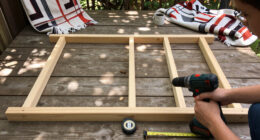
Multi-purpose tools promise convenience and save space, but they often compromise on precision, power, and comfort. They’re great for casual, varied tasks like camping or small DIY projects, but may fall short on demanding, detailed work. While versatile and budget-friendly upfront, they might wear out faster or perform poorly in specialized jobs. To find out if they’re truly worth it for you, explore the key factors and best-use scenarios that follow.
Key Takeaways
- Multi-purpose tools excel in convenience and versatility but often compromise on precision and power for specific tasks.
- They are ideal for quick, varied jobs and situations where portability outweighs the need for specialized performance.
- Durability and performance vary widely; high-quality models are more reliable but tend to be more expensive.
- For demanding or precision work, dedicated tools outperform multi-purpose options in accuracy and longevity.
- Choosing between a multi-purpose or single-purpose tool depends on task complexity, frequency, and the importance of precision.

DEKOPRO Tool Set:Tool Kit with 8V Cordless Drill,Tool Box with Drill,Hand Drill Set for Men & Women,Home Tool Kits for House Repair,Handyman,DIY 126 Piece
- Lightweight Cordless Drill: Only 1.65 pounds, easy one-handed use
- Adjustable Speed Control: Max 800r/min for versatile drilling
- Rechargeable with USB: Includes Type-C 1.5A charging cable
As an affiliate, we earn on qualifying purchases.
As an affiliate, we earn on qualifying purchases.
The Promise of Convenience: What Multi-Tools Claim to Do

Have you ever wished for a single tool that can handle multiple tasks effortlessly? Multi-purpose tools promise just that—combining various functions into one sleek device. Their ergonomic design guarantees comfort during use, reducing fatigue and making lengthy tasks easier. An intuitive user interface simplifies switching between features, so you don’t waste time figuring out complex controls. These tools aim to streamline your workflow, saving space and cutting down on clutter. Whether it’s a device that combines a screwdriver, a knife, and a flashlight or a more advanced gadget, the goal remains the same: convenience. They’re marketed as all-in-one solutions, making daily chores or projects faster and more efficient. But do they truly deliver on this promise? That’s what we’ll explore next. Additionally, some of these tools incorporate advanced technology like high-quality projectors or contrast ratio enhancements, which can significantly improve your viewing experience when used for entertainment. Moreover, the rise of European cloud innovation emphasizes the importance of secure and sustainable solutions, inspiring many to adopt multi-functional tools that align with modern technological standards. Furthermore, the passive voice detection features in some tools can help users write more clearly and effectively, ensuring their instructions and communications are direct and impactful. Lastly, the integration of multifunctional design can sometimes lead to compromises in durability or performance, so evaluating each feature’s quality remains essential. Interestingly, many multi-purpose tools are now incorporating Grocery Savings Strategies features like budget tracking, making them even more versatile.

JOREST 25 in 1 Multi Screwdriver Set, Magnetic Screwdriver Multitool
- Ergonomic Handle: Comfortable, slip-resistant dual-material grip
- High-Quality Bits: CRV steel, HRC52°, durable and wear-resistant
- Versatile 25-in-1 Set: Includes 12 double-ended bits for various repairs
As an affiliate, we earn on qualifying purchases.
As an affiliate, we earn on qualifying purchases.
Key Features and Capabilities of All-in-One Devices

All-in-one devices pack a variety of features into a single, compact tool, making them versatile for many tasks. Their ergonomic design ensures comfortable handling, reducing fatigue during extended use. These tools typically combine functions like cutting, screwing, and measuring, allowing you to tackle multiple projects without switching tools. High-quality models from reputable brands often include durable materials and reliable mechanisms, enhancing longevity and performance. Some all-in-one devices also feature LED lights, digital displays, or adjustable settings for added convenience. The key capabilities revolve around their multifunctionality and user-friendly design, ensuring you can work efficiently across various tasks. When choosing an all-in-one device, considering brand reputation and the specific features it offers helps guarantee you get a dependable, versatile tool suited to your needs. Choosing the right device involves assessing its reliability and durability, which are essential for long-term use.]
As an affiliate, we earn on qualifying purchases. As an affiliate, we earn on qualifying purchases.
Ciwuzxs Solar/Rechargeable EDC Flat Flashlights, Small Pocket Light Orange
Common Types of Multi-Purpose Tools in the Market

The market offers a variety of multi-purpose tools designed to meet different needs, from DIY projects to professional tasks. Common types include oscillating tools, multi-bit screwdrivers, and combination pliers. These tools often feature ergonomic design to guarantee comfort during extended use, which is vital for precision and safety. Reputable brands build their reputation on durability, reliability, and innovative features, making them popular choices among both amateurs and professionals. For example, oscillating multi-tools excel at sanding, cutting, and scraping, while multi-bit screwdrivers simplify a range of fastening tasks. When selecting a multi-purpose tool, consider the brand’s reputation and how well the design supports your grip and control, ensuring you get the most out of your investment. Durability and reliability Additionally, understanding the underlying philosophical principles behind product design can help consumers make more informed choices that align with their values and expectations. Recognizing the importance of plant properties can also guide users to choose tools that are versatile enough to handle different tasks effectively, much like herbalism utilizes various plant parts for optimal remedies. Being aware of the innovative features incorporated into modern tools can further ensure that you select options that enhance efficiency and performance.

14-In-1 Multitool with Safety Locking, Professional Stainless Steel Multitool Pliers Pocket Knife, Bottle Opener, Screwdriver with Nylon Sheath ,Apply to Survival,Camping, Hunting and Hiking 1 Pcs
- 14-in-1 Multi-Tool Functions: Includes pliers, knives, screwdrivers, and more
- Safety Locking Mechanism: Tools lock securely when fully opened
- Portable and Ready: Compact design for easy carry in pocket
As an affiliate, we earn on qualifying purchases.
As an affiliate, we earn on qualifying purchases.
When Multi-Tools Shine: Ideal Situations and Projects

Multi-purpose tools excel when versatility and efficiency are needed for a variety of tasks. They shine in situations where carrying multiple tools isn’t practical, or quick adaptability is essential. Projects like camping, home repairs, or DIY upgrades benefit from their ergonomic design, which minimizes fatigue and enhances comfort. When choosing a multi-tool, consider ergonomics considerations to guarantee it fits well in your hand and reduces strain during extended use. Additionally, understanding the versatility of multi‑purpose tools can help you select the right model for your specific needs. Incorporating knowledge of sound healing science can also inspire innovative ways to use multi-tools for relaxation or stress relief in your daily routines. Recognizing smart home integration features can further enhance their usefulness in modern living environments. Moreover, being aware of aero guardian maintenance tips can help ensure your tools remain in optimal condition over time.
Limitations and Drawbacks to Be Aware Of

While multi-purpose tools offer great convenience, they also come with certain limitations that can impact their effectiveness. One major issue is ergonomic challenges; these tools are designed to serve many functions, which can make them uncomfortable or awkward to use for extended periods. This discomfort can lead to fatigue or even injury if you’re not careful. Additionally, multi-purpose tools often have limited customization options. Because they combine multiple functions into a single device, you can’t tailor them as precisely as specialized tools. This means you might not get the ideal performance for specific tasks, especially when precision or power is needed. Moreover, the versatility in design of such tools can sometimes compromise durability, making them less reliable over time. The adaptability of multi-purpose tools may also result in compromises that affect overall performance and longevity. Recognizing these drawbacks helps you decide when a multi-purpose tool is appropriate and when investing in specialized equipment might serve you better. A good understanding of tool versatility is essential for making informed choices about your gear.
Comparing Multi-Tools to Specialized Equipment

When comparing multi-tools to specialized equipment, you need to evaluate how well they balance functionality and precision. Cost and convenience also matter, as multi-tools often save money and space but may sacrifice some performance. Finally, think about durability and reliability, since specialized tools are usually built for specific tasks and tend to last longer under heavy use. Additionally, understanding equipment versatility can help you determine whether a multi-tool can meet your diverse needs without compromising quality. Recognizing the physics behind bubble behavior in phenomena like sonoluminescence offers insights into the physics principles that can influence the design and functionality of multi-purpose tools. Considering tool maintenance is also essential, as multi-tools may require more frequent care to ensure consistent performance over time.
Functionality Versus Precision
Although multi-tools excel at offering a range of functions in a compact design, they often sacrifice the level of precision found in specialized equipment. When you need exact cuts or detailed work, a multi-tool’s ergonomic design may feel less stable, and material quality can limit durability. You might find that precision tasks demand tools with tighter tolerances and better grip, which multi-tools often lack.
- Specialized tools typically have sharper, more durable blades
- They offer better control for intricate tasks
- Ergonomic handles improve comfort during precision work
- Higher material quality ensures longevity and consistent performance
- Multi-tools prioritize versatility, often at the expense of finesse
Understanding these differences helps you choose the right tool for the job.
Cost and Convenience Balance
Balancing cost and convenience is key when choosing between multi-tools and specialized equipment. Multi-tools often feature ergonomic design to make handling easier, saving you time and effort. They’re typically more affordable upfront, aligning with branding strategies that emphasize versatility and value. While specialized tools may cost more initially, they can offer precision and efficiency for specific tasks, reducing long-term expenses. Consider how often you’ll use the tool—if multiple jobs require different tools, a multi-tool’s convenience outweighs the savings of individual pieces. However, if you need reliability and ideal performance for a particular task, investing in specialized equipment could be more cost-effective in the long run. Ultimately, evaluating your needs helps find the right balance between cost and convenience.
Durability and Reliability
Specialized tools generally offer higher durability and reliability because they are designed for specific tasks and built with premium materials. Their ergonomic design guarantees comfort during use, reducing fatigue and enhancing precision. Material quality plays a vital role, making them more resistant to wear, corrosion, and breakage. Multi-tools, while versatile, often compromise on these factors, leading to shorter lifespans under heavy use. When durability matters most—like in demanding projects or professional settings—specialized equipment outperforms multi-purpose options.
- Crafted from high-grade steels or composites
- Designed for specific applications for maximum efficiency
- Features ergonomic handles for comfort during extended use
- Less prone to damage under repeated stress
- Guarantees consistent performance over time
Factors to Consider Before Making a Purchase

When choosing a multi-purpose tool, it’s vital to take into account several factors to guarantee you get the right one for your needs. Ergonomics considerations are key; a comfortable grip reduces fatigue and improves control during use. Look for tools that feel balanced and fit well in your hand. Additionally, consider the brand reputation—reliable brands often deliver better quality, safety features, and customer support. Doing some research on user reviews and expert opinions can give you insight into a tool’s performance and durability. Price is also a factor, but investing in a reputable brand with strong ergonomics considerations usually pays off in the long run. Carefully weighing these factors helps you choose a multi-purpose tool that’s safe, effective, and suited to your tasks.
Real-World Performance: Do They Live Up to Expectations?

While multi-purpose tools promise versatility, their real-world performance often varies based on brand, build quality, and user skill. You might find some tools perform well in specific tasks, but others fall short in everyday use. Ergonomics comfort plays a key role—you’ll appreciate a tool that feels good in your hand and reduces fatigue. Brand reputation also matters; trusted brands tend to deliver more reliable, durable products. Keep in mind that a tool’s performance can be affected by its design, weight, and ease of switching functions. Ultimately, your experience depends on choosing the right model for your needs and mastering its features. Well-made tools can meet expectations, but low-quality options may disappoint despite their promises. Always consider reviews and firsthand experience before buying.
Maintenance and Longevity of Multi-Function Devices

To keep your multi-purpose tools working smoothly, you need to ensure their resistance to wear and tear. Pay attention to battery life and how often you should perform maintenance to prevent breakdowns. Staying on top of these factors ensures your devices stay reliable and last longer.
Wear and Tear Resistance
Multi-function devices are designed to withstand regular use, but their durability depends heavily on proper maintenance and understanding wear patterns. To ensure longevity, focus on the device’s ergonomic design and material quality, which influence how well it resists damage over time. Regularly inspect moving parts and joints for signs of stress or corrosion. Avoid overloading or misusing tools, as improper handling accelerates wear. Keep blades sharp and clean to prevent unnecessary strain on motors and mechanisms. Store your device in a dry, protected environment to prevent rust and degradation. Applying lubricant to hinges and moving parts can reduce friction and extend service life. By understanding these wear factors, you can keep your multi-purpose tool performing efficiently for years.
Battery Life Considerations
Proper maintenance of your device’s battery is essential for ensuring it lasts as long as possible. To prevent excessive battery drain, focus on power conservation techniques like reducing screen brightness, turning off unused functions, and avoiding prolonged high-power use. Regularly monitoring your device’s battery health helps identify early signs of deterioration. Keep in mind that multi-purpose tools often rely on batteries that vary in longevity depending on usage patterns.
| Usage Pattern | Battery Impact |
|---|---|
| Heavy, continuous use | Accelerates battery drain |
| Moderate use | Prolongs battery lifespan |
| Idle or minimal use | Minimizes power consumption |
| Frequent charging | Can reduce overall battery capacity |
Maintenance Frequency Needs
Regular maintenance is key to extending the lifespan of your multi-purpose devices. To keep them performing at their best, follow a consistent schedule for battery maintenance and tool calibration. Regularly check and recharge batteries to prevent degradation and ensure reliable power. Calibrate tools as recommended to maintain accuracy and safety.
To stay on top of maintenance, consider these tips:
- Schedule periodic battery health checks
- Clean and lubricate moving parts
- Recalibrate tools after heavy use or if results seem off
- Replace worn-out components promptly
- Keep a maintenance log for tracking service intervals
Making the Right Choice: When to Opt for a Single-Purpose Tool

Choosing a single-purpose tool makes sense when a task is frequent, precise, or demanding. When accuracy is critical, a tool designed specifically for that task guarantees efficiency and reduces frustration. An ergonomic design becomes essential here, as it minimizes fatigue during repeated use and enhances comfort. Additionally, if aesthetic appeal matters—say, the tool will be part of a visible workspace—a purpose-built tool often looks better and integrates seamlessly with your setup. Single-purpose tools tend to be more durable, as they focus on one function without compromise. This specialization often results in better performance, making them worth the investment when you need reliability and precision for specific tasks. Ultimately, select a dedicated tool when consistency and quality are your priorities.
Frequently Asked Questions
Are Multi-Purpose Tools Suitable for Professional or Industrial Use?
Multi-purpose tools can be suitable for professional or industrial use if they offer professional durability and industrial reliability. You should look for high-quality materials and robust construction, ensuring they withstand heavy-duty tasks over time. While they’re versatile, these tools aren’t always ideal for specialized, intense applications. When chosen carefully, they can provide convenience and value, but for critical or demanding jobs, dedicated tools might be a safer, more reliable option.
How Do Multi-Tools Compare in Cost to Buying Individual Tools?
You might think multi-tools save money, but often, they’re not as cost-efficient as buying individual tools. While tool versatility is appealing, combining functions can lead to compromises in performance and durability. In many cases, a set of specialized tools outperforms a multi-purpose one and costs less in the long run. So, if you value quality and longevity, investing in individual tools could be a smarter, more economical choice.
Can Multi-Tools Replace All Specialized Equipment in a Workshop?
Multi‑purpose tools can’t substitute all specialized equipment in your workshop. While they offer great tool versatility and are compatible with many tasks, they often lack the precision and power of dedicated tools. For complex or detailed work, you’ll still need specialized equipment. Use multi‑purpose tools for general tasks and quick fixes, but invest in specific tools when precision and performance are critical to ensure quality results.
What Safety Considerations Are Unique to Multi-Purpose Tools?
Imagine a Swiss Army knife, versatile but complex. You must prioritize blade safety, ensuring blades are secure before use and properly stored afterward. Be cautious of electrical hazards, especially when switching between functions that involve power. Always inspect the tool for damage, wear protective gear, and follow manufacturer instructions. Multi-purpose tools demand heightened awareness; your vigilance keeps you safe from cuts, shocks, and other potential accidents.
Are There Brands Known for the Highest Quality Multi-Function Devices?
You should consider brands like Leatherman and Gerber for high-quality multi-function devices, as they have strong brand reputations and positive user reviews. These brands are known for durability, versatility, and reliable performance. When choosing a multi-purpose tool, look for user feedback on how well it handles different tasks and if it maintains its quality over time. Investing in trusted brands guarantees you get a dependable, long-lasting tool.
Conclusion
Ultimately, multi-purpose tools can save you time and space, but they aren’t always the best choice. Imagine fixing a leaky faucet—you might grab a dedicated wrench for the job, rather than a multi-tool that’s just okay at everything. Weigh your project needs carefully. Sometimes, investing in a single-purpose tool guarantees better performance and durability, saving you frustration in the long run. Choose wisely, and your tools will serve you well.