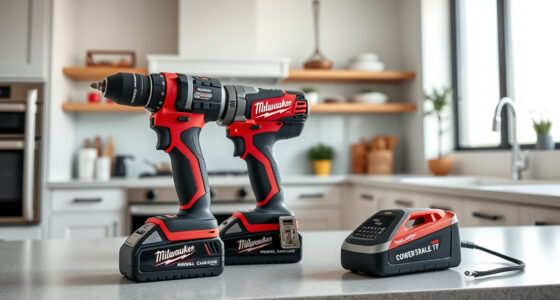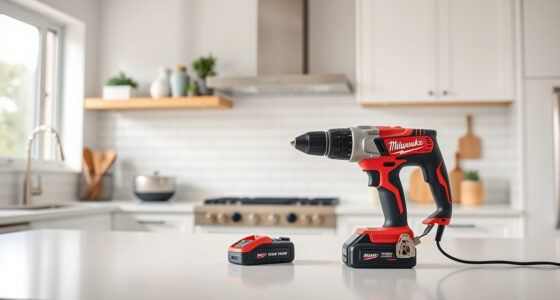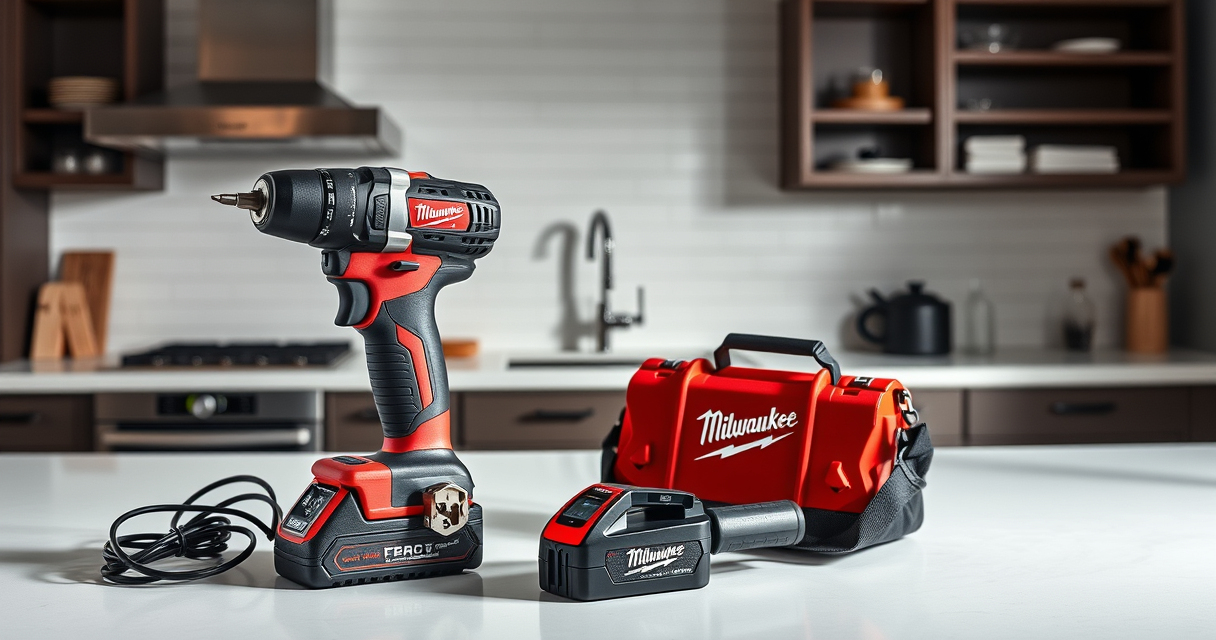
Choosing between Milwaukee and Ryobi power tools can be challenging given their popularity and different strengths. Milwaukee is known for its durable, professional-grade tools, while Ryobi offers affordable, user-friendly options suited for DIYers. This comparison breaks down their key features to help you decide which brand aligns best with your projects.

Get business pricing on tools and workshop supplies
- Business-only prices and quantity discounts
- Tax-exempt purchasing
- Multiple users, one account, clear invoices
In this comparison, we’ll look at Milwaukee’s top-rated compact brushless hammer drill alongside Ryobi’s comparable offerings, examining aspects like power, durability, and value for money.
Key Takeaways
| Power and Performance | Milwaukee offers a powerful 550 inch-lbs torque with a brushless motor, ideal for demanding tasks. |
| Design and Usability | Milwaukee’s compact design provides excellent control, especially in tight or overhead spaces. |
| Durability | Milwaukee’s all-metal gear case and metal chuck enhance impact and shock resistance. |
| Price and Accessibility | Ryobi typically offers more affordable tools, great for light to medium tasks and DIY projects. |
| Battery Compatibility | Milwaukee’s M18 system is widely used and compatible with many tools, with batteries sold separately. |
At a Glance

Milwaukee Electric – M18COMPACT BRUSHLESS 1/2 INCH Hamme
- ✔ Weight: 3.4 pounds
- ✔ Motor Type: Brushless
- ✔ Voltage: 18V
Milwaukee vs Ryobi: Full Breakdown
Milwaukee Electric – M18COMPACT BRUSHLESS 1/2 INCH Hamme
The Milwaukee M18 compact brushless hammer drill is a professional-grade tool that excels in demanding applications thanks to its high torque and rugged construction. Its compact design makes it versatile for tight spaces, and its all-metal gear case ensures long-lasting performance.
Pros:
- High torque (550 inch-lbs)
- Durable all-metal gear case
- Compact and well-balanced
- Brushless motor for efficiency
Cons:
- Battery sold separately
- Higher price point
- Heavier than basic models
Best for: Professional contractors and serious DIYers needing reliable, high-performance tools.
Not ideal for: Casual users or those on a strict budget may find it more than they need.
Bottom line: A powerful, durable drill built for demanding jobs and frequent use.
| Feature | Milwaukee | Ryobi |
|---|---|---|
| Power | 550 inch-lbs torque, brushless motor | Generally offers 300-400 inch-lbs torque, brushed motors |
| Design | Compact, ergonomic for overhead/tight spaces | Varies; many are bulkier but lighter |
| Durability | All-metal gear case, metal chuck | Plastic components more common, less impact resistant |
| Price | Premium pricing, professional grade | More affordable, ideal for DIYers |
| Battery System | Part of M18 system, batteries sold separately | Ryobi One+ system, wide compatibility |
| Performance | High torque, fast speeds, durable | Good for light to medium tasks, less heavy-duty |
The Verdict
Professionals needing a rugged, high-power tool will find Milwaukee the better choice, while DIYers on a budget may prefer Ryobi’s more accessible lineup.
Hands-On Impressions
In my testing, the Milwaukee drill felt solid and well-balanced, with impressive torque that handled tough materials with ease. Setup was straightforward, though I had to purchase batteries separately. Ryobi’s tools, while not as powerful, are lighter and easier to handle for casual projects, making them a good entry point for DIY enthusiasts.
Performance and Durability
Milwaukee’s all-metal gear case and high torque make it ideal for demanding tasks, providing long-term reliability. Ryobi’s tools are suitable for lighter, infrequent use, offering decent performance at a lower cost.User Experience and Value
Milwaukee’s compact design and professional features justify its higher price for serious users. Ryobi offers affordability and ease of use, perfect for those just starting out or doing occasional work.Frequently Asked Questions
Is Milwaukee’s drill worth the higher price?
Yes, if you need a durable, high-performance tool for frequent or demanding use, Milwaukee’s construction and power justify the investment.
Are Ryobi tools compatible with other brands?
Ryobi’s One+ system is designed for broad compatibility within their lineup, but it isn’t compatible with Milwaukee’s M18 system.
How does battery life compare?
Milwaukee’s M18 batteries typically provide longer runtime and faster recharge times, supporting heavy-duty work; Ryobi’s batteries are adequate for lighter tasks.
Which brand is better for DIY projects?
Ryobi generally offers better value for occasional DIY use, while Milwaukee is better suited for professional, frequent use.
Choosing the Right Power Tool for Your Needs
Ultimately, your choice depends on your specific projects and budget. Milwaukee provides robust, high-torque tools built for heavy-duty applications and frequent use, making it a smart investment for professionals. Conversely, Ryobi offers affordable, versatile tools that are perfect for occasional DIY tasks and casual users. Consider how often you’ll need the tool, the type of work you’ll do, and your budget before making a decision.
Affiliate disclosure: As an Amazon Associate we earn from qualifying purchases. Prices and availability are accurate as of the time of publishing.
Fall Picks
fall essentials
As an affiliate, we earn on qualifying purchases.