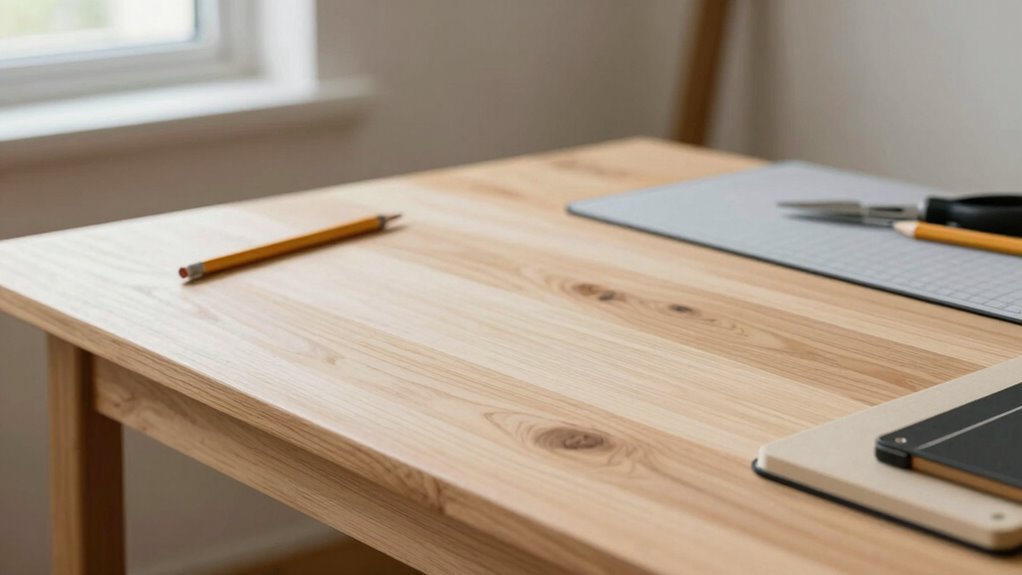

To stop your work surface from fighting you, start by decluttering and organizing your space, keeping only essential tools within easy reach. Adjust your chair, desk, and monitor to fit your body comfortably, preventing strain and awkward postures. Manage cables and tools with organizers to avoid obstacles, and make certain your workspace is well-lit to reduce eye strain. Implementing these ergonomic principles helps create a smoother, more efficient setup—discover more tips to optimize your workspace.

Get tools and workshop supplies delivered free — and shop member deals
- Fast, free delivery on millions of items
- Access to Prime Big Deal Days deals on October 6–7
- Prime Video, Amazon Music and more included
Key Takeaways
- Keep essential tools within arm’s reach to reduce unnecessary reaching and awkward postures.
- Organize cables and tools with clips to prevent clutter and obstacles on the workspace.
- Clear away non-essential items to maintain a tidy, unobstructed work surface.
- Adjust chair and desk height to promote proper ergonomics and minimize strain.
- Use proper lighting to enhance visibility and reduce the need for awkward positioning.
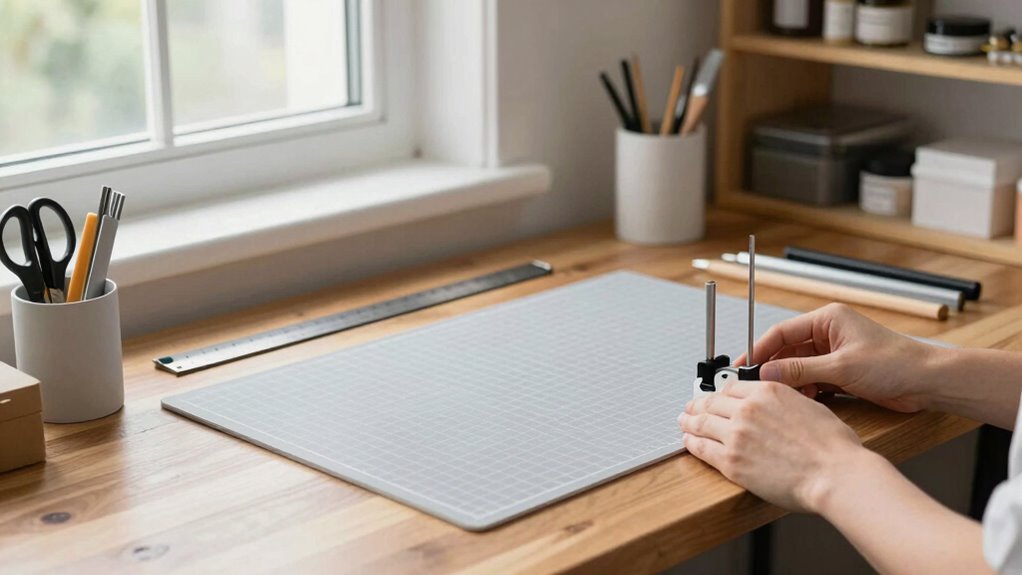
If your work surface constantly feels like it’s fighting against you, you’re not alone. Many people struggle with an uncomfortable, inefficient workspace that hampers productivity and causes frustration. The good news is that simple ergonomic adjustments can make a big difference. Start by evaluating your workspace organization. Cluttered surfaces can lead to unnecessary reaching, awkward postures, and difficulty finding what you need. Keep your essential tools within easy reach, and clear away anything that doesn’t serve an immediate purpose. A tidy workspace reduces strain and helps you focus on your tasks rather than fighting to find space for your materials.
Next, consider your chair and desk height. Proper ergonomic adjustments are key to creating a work surface that works with you, not against you. Your chair should support your lower back, and your feet should rest flat on the floor. Your desk should be at a height where your elbows form roughly a 90-degree angle when you’re typing or writing. If your desk is too high or too low, it can cause shoulder tension and discomfort, making it feel like your work surface is fighting you. Using ergonomic accessories like adjustable monitor stands or keyboard trays can help you fine-tune your setup, ensuring your body stays in a natural, relaxed position.
Adjust your chair and desk height to support comfort and prevent tension.
In addition to adjusting height, pay attention to your monitor placement. Your screen should be at eye level, about an arm’s length away. This prevents neck strain and allows you to work comfortably without tilting your head or leaning forward. Proper workspace organization also involves managing cables and tools so they don’t create obstacles or clutter. Use cable organizers or clips to keep cords out of your way, and store frequently used items within arm’s reach to minimize unnecessary movements. This way, your work surface remains clear, and you avoid the temptation to reach or stretch excessively. Incorporating ergonomic principles into your setup helps prevent discomfort and promotes better posture throughout your workday.
Finally, consider lighting. Poor lighting can cause eye strain and fatigue, making your work surface feel more challenging to manage. Ensure your workspace is well-lit with natural light if possible, supplemented by adjustable task lighting. When your environment is well-lit, you can see everything clearly, reducing the effort needed to focus and decreasing discomfort. Additionally, understanding the importance of workspace ergonomics can guide you in creating a healthier workspace. By making these ergonomic adjustments and keeping your workspace organized, you’ll find your work surface becomes a helpful tool rather than a source of frustration. Incorporating proper ergonomic setup and organization techniques not only improves comfort but also enhances your overall productivity and safety. Over time, these small changes can markedly improve your comfort, efficiency, and overall work experience.
As an affiliate, we earn on qualifying purchases.
Frequently Asked Questions
What Tools Are Best for Smoothing Uneven Work Surfaces?
For smoothing uneven work surfaces, you want to use the right tools for surface polishing and effective sanding techniques. Start with coarse-grit sandpaper to level high spots, then switch to finer grits for a smooth finish. A power sander speeds up the process, while hand sanding allows better control on detailed areas. Using these tools and techniques guarantees your work surface becomes even and ready for finishing.
How Often Should I Reseal My Work Surface?
Think of resealing your work surface like giving it a fresh coat of armor; it keeps it protected. You should reseal every 1-3 years, depending on use and wear. Regular work surface maintenance involves inspecting for cracks or damage. Use proper sealing techniques, like cleaning thoroughly before applying a high-quality sealant, to guarantee long-lasting protection. This keeps your workspace smooth, safe, and ready for your next project.
Can I Use Household Items to Fix Surface Issues?
Yes, you can try DIY remedies and household solutions for surface issues. For minor scratches or stains, use baking soda mixed with water or a vinegar solution to gently clean and restore the surface. For sealing small cracks, clear epoxy or glue from your toolbox can work. However, avoid harsh chemicals that might damage your work surface further. Always test any household solution on a small, hidden area first to prevent damage.
What Are Signs My Work Surface Needs Professional Repairs?
You might notice your surface material showing signs of wear, like deep scratches, bubbling, or persistent stains, which suggest it’s time for professional repairs. If your work surface feels uneven or unstable, those are clear signals. Ignoring these signs can lead to bigger issues, so consider your repair budget and consult a professional to restore your surface’s beauty and functionality before problems worsen.
How Do I Prevent Future Damage to My Work Surface?
To prevent future damage, prioritize regular surface maintenance by cleaning spills promptly and avoiding harsh chemicals. Use protective pads or coasters to prevent scratches and heat damage. Implement proper repair techniques, like sealing cracks early or refinishing worn areas. Keep your work surface dry and stable, and inspect it regularly for signs of wear. These steps help maintain its integrity, ensuring it stays durable and functional for years to come.
As an affiliate, we earn on qualifying purchases.
Conclusion
Now that you’ve tamed your work surface, it’s like guiding a wild stallion into a gentle trot. With patience and the right tricks, your workspace becomes a loyal partner, not a stubborn foe. Think of it as transforming chaos into harmony—a dance where every tool and surface move in perfect rhythm. Keep nurturing this balance, and your work surface will always be ready to support your creative journey, instead of fighting against it.
As an affiliate, we earn on qualifying purchases.
As an affiliate, we earn on qualifying purchases.
Fall yard work Picks
leaf blowers
As an affiliate, we earn on qualifying purchases.