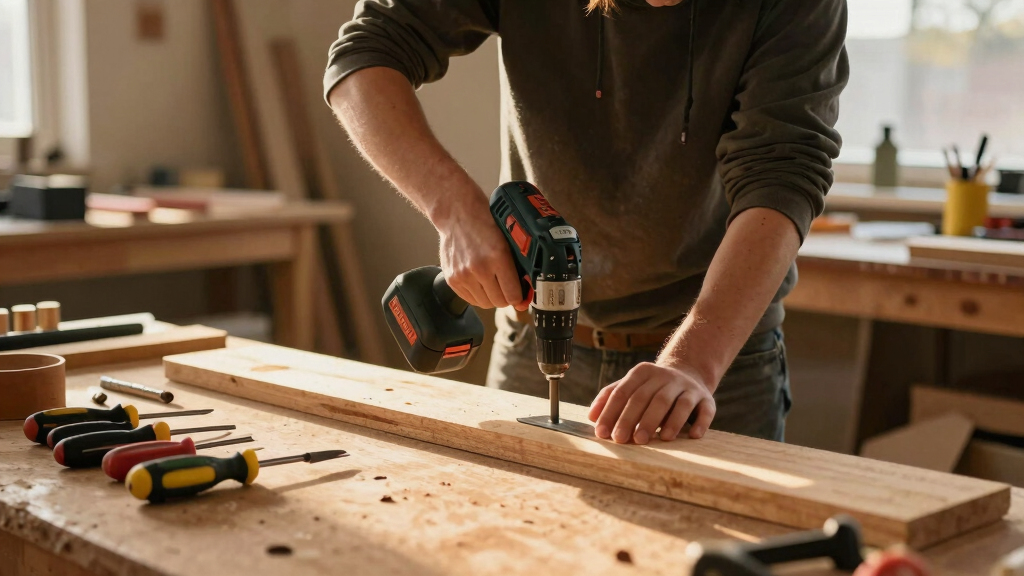
This guide provides clear instructions for students to select, purchase, and organize a basic woodworking tool set suitable for beginner projects. It details essential tools, what to look for, and how to avoid common mistakes, ensuring a successful start in woodworking.

Get business pricing on tools and workshop supplies
- Business-only prices and quantity discounts
- Tax-exempt purchasing
- Multiple users, one account, clear invoices

Cartman 39-Piece Household Tool Set with Plastic Toolbox
- ✔ Number of tools: 39
- ✔ Includes: Hammer, pliers, screwdrivers, tape measure, and more
- ✔ Material: Heat-treated and chrome-plated

Prostormer 93-Piece Household Repair Tool Kit with Toolbox Storage Case
- ✔ Material: High-quality steel with chrome finish
- ✔ Handles: TPR (thermoplastic rubber)
- ✔ Number of Pieces: 93
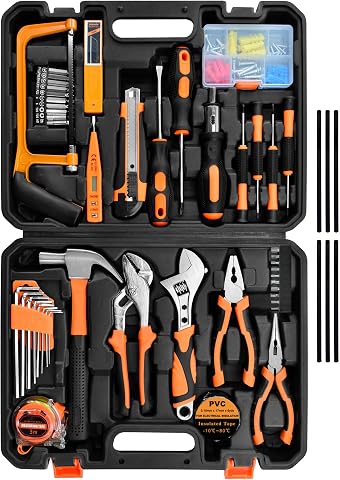
148-Piece Home Repair Tool Kit with Case for Household Maintenance and DIY Projects
- ✔ Item Weight: 15.9 ounces
- ✔ Product Dimensions: 11.81 x 9.84 x 5.91 inches
- ✔ Material: Chrome Vanadium Steel, Plastic
Difficulty: Beginner | Time: 1-2 hours
What You’ll Need
Tools & Materials:
- Notebook for notes
- Measuring tape or ruler
Knowledge:
- Basic understanding of woodworking safety
- Familiarity with common woodworking tools
Ensure your workspace is safe, with adequate lighting and ventilation before beginning.
Cartman 39-Piece Household Tool Set with Plastic Toolbox
<p>This set stands out for its affordability and essential tool collection, making it ideal for students just starting out with woodworking or household repairs. The tools are heat-treated and chrome-plated, ensuring durability for light tasks. Compared with larger kits, it’s less overwhelming and easier to handle, but it lacks the variety and robustness needed for more complex projects. The plastic toolbox is lightweight and portable, perfect for carrying around or storing in small spaces.</p>
Pros:
- Complete set of fundamental tools for basic projects
- Durable, corrosion-resistant tools
- Lightweight and portable plastic toolbox
- Great value for entry-level users
Cons:
- Limited to small repairs and DIY projects
- Tools may not withstand heavy or professional use
Best for: Beginners focusing on small woodworking projects or household repairs
Not ideal for: Students planning to pursue more advanced woodworking or heavy-duty tasks
Bottom line: A practical, affordable starter set perfect for beginners needing essential tools without the clutter.
“A practical, affordable starter set perfect for beginners needing essential tools without the clutter.”
Prostormer 93-Piece Household Repair Tool Kit with Toolbox Storage Case
<p>This kit offers a significant step up with 93 high-quality tools, including a variety of screwdrivers, pliers, and bits, all stored in a durable toolbox. Designed for light DIY tasks and household repairs, it provides better durability and a broader range of tools than smaller sets. Its chrome finish and TPR handles improve grip and longevity, making it suitable for students who are more serious about woodworking or repairs. However, it still focuses on light to moderate tasks and may not suffice for heavy-duty or professional projects. Compared to the 148-piece set, it’s more manageable in size and cost, but less comprehensive.</p>
Pros:
- High-quality, rust-resistant steel tools
- Comprehensive enough for most household and DIY projects
- Portable, organized storage case
Cons:
- Limited to light-duty tasks; not suitable for heavy woodworking
- Does not include power tools or highly specialized items
Best for: Students seeking a versatile, durable kit for general woodworking and repairs
Not ideal for: Those needing professional-grade tools or specialized equipment
Bottom line: A well-rounded set that balances quality, size, and versatility, perfect for students expanding their DIY skills.
“A well-rounded set that balances quality, size, and versatility, perfect for students expanding their DIY skills.”
148-Piece Home Repair Tool Kit with Case for Household Maintenance and DIY Projects
<p>This extensive kit is suited for students committed to serious woodworking or home projects. It includes high-quality, corrosion-resistant tools like pliers, wrenches, screwdrivers, and more, all housed in a portable, ergonomic case. The tools are made from chrome vanadium steel, ensuring longevity and reliability. While the comprehensive nature of this set is appealing, its weight and complexity could be overwhelming for beginners. It’s best for students who want to grow into their skills and need a full range of tools for a variety of projects, but not for those who prefer minimal setups or are just starting out.</p>
Pros:
- High-quality, durable construction
- Includes almost every essential household and woodworking tool
- Ergonomic, soft-grip handles for comfort
- Portable case for easy transport
Cons:
- Heavier and bulkier than smaller kits
- Basic tools may not meet professional standards
- Higher price point for a beginner set
Best for: Dedicated students aiming to master woodworking and DIY home improvements
Not ideal for: Absolute beginners or students with limited space or budget
Bottom line: A comprehensive, high-quality kit best suited for committed students ready to tackle complex projects and expand their skills.
“A comprehensive, high-quality kit best suited for committed students ready to tackle complex projects and expand their skills.”
As an Amazon Associate we earn from qualifying purchases.
Before You Start
Assess your budget and available space. Confirm your focus on beginner projects like small furniture or crafts. Avoid overbuying tools you won’t use immediately.
Step-by-Step Instructions
Step 1: Identify essential woodworking tools
List basic tools needed for beginner woodworking: hammer, screwdrivers, handsaw, measuring tape, square, clamps, and possibly a power drill.
Tip:Stick to a core set first; additional tools can be added as skills develop.
Check: You have a list with at least 6 essential tools ready to purchase or acquire.
Step 2: Research and select quality beginner-friendly tools
Visit local hardware stores or online retailers to compare beginner-level tool sets. Look for sets labeled for novices or with good reviews on durability and safety.
Tip:Choose tools with comfortable grips and easy-to-use features to reduce frustration.
Check: You have selected a complete, well-reviewed beginner tool set suitable for your projects.
Step 3: Purchase the tool set
Buy your chosen tool set from a reputable retailer, ensuring it includes all listed tools and safety gear like goggles and gloves.
Tip:Check for warranty or return policy in case tools are defective or unsuitable.
Check: You possess a complete set of tools and safety equipment ready for use.
Step 4: Organize and store tools properly
Use a toolbox, tool rack, or wall-mounted organizer to keep tools accessible and protected.
Tip:Label compartments for quick access and safety.
Check: Tools are neatly organized, clean, and easy to find when needed.
Step 5: Learn safe tool handling and basic maintenance
Read safety instructions and practice proper handling of each tool. Keep blades sharp and clean for safe, effective use.
Tip:Wear safety gear at all times during use.
Check: You demonstrate safe handling, and tools are well-maintained.
Common Mistakes to Avoid
- Buying overly complex or expensive tools prematurely — Start with basic, beginner-friendly tools; upgrade as your skills grow.
- Ignoring safety gear or safety instructions — Always wear safety goggles, gloves, and follow safety guidelines during use.
- Not organizing tools after use — Store tools properly immediately after use to prevent damage and maintain safety.
- Choosing low-quality tools that break easily — Research reviews and select reputable brands known for durability.
Troubleshooting
Problem: Tools are difficult to use or feel unsafe
Solution: Review safety instructions, ensure proper handling, and replace any damaged tools.
Problem: Tools rust or become dull quickly
Solution: Clean and oil tools regularly; sharpen blades or replace dull components.
Problem: Tools are missing or incomplete after purchase
Solution: Contact the retailer for missing parts or exchange for a complete set.
What Success Looks Like
You have a complete, organized set of safe, functional woodworking tools suitable for beginner projects. You can identify each tool, handle it safely, and use it effectively for simple woodworking tasks.
Next Steps
Begin with simple projects to build skills, like making a small shelf or picture frame. Continue practicing safety and maintenance. As skills improve, consider expanding your tool collection with more specialized tools for advanced projects.
Frequently Asked Questions
How do I choose the right tools for my budget?
Prioritize essential tools first; look for versatile, durable options within your budget. Basic sets often provide good value for beginners.
Can I use household tools for woodworking projects?
Some household tools can be used, but investing in proper woodworking tools improves safety and results. Avoid using inappropriate tools that can cause accidents or damage materials.
How often should I maintain my tools?
Clean and inspect tools after each use. Oil moving parts regularly and sharpen blades when dull. Proper maintenance extends tool lifespan and ensures safety.
Columbus Day / Indigenous Peoples' Day Picks
long weekend sales
As an affiliate, we earn on qualifying purchases.