TL;DR
A cordless power drill set typically includes a drill/driver, rechargeable battery, charger, and case; some sets add bits or an impact driver. Choose by matching the drill’s size, power, battery platform, and features to your projects, then check the full kit and warranty instead of judging by voltage or accessory count alone.
A drill set can look like a bargain until you’re halfway through assembling a bookshelf and the battery is flat, the bit keeps slipping, or the tool feels like a brick above your head. The right cordless power drill set makes those jobs feel simple: click in a bit, set the clutch, and let the motor do the work.

Get business pricing on tools and workshop supplies
- Business-only prices and quantity discounts
- Tax-exempt purchasing
- Multiple users, one account, clear invoices
This guide explains what a cordless drill set includes, which features matter for household repairs and DIY projects, and how to compare batteries, voltage, and accessories. You’ll also see when a compact drill is plenty, when a hammer setting helps, and why the battery platform may matter more than a crowded case of bits.
A typical set includes a drill/driver, battery, charger, and case; check the actual kit inventory before buying.
An 18V nominal and 20V maximum label can refer to the same battery class, so voltage alone does not rank drill performance.
A compact 12V drill can handle many household jobs, while heavier or sustained work may call for a larger platform.
Two batteries help you keep working while one charges; Ah describes capacity, not power by itself.
Choose hammer mode for lighter masonry drilling, and use a rotary hammer for frequent or heavy concrete work.
Know what comes in the case before you buy
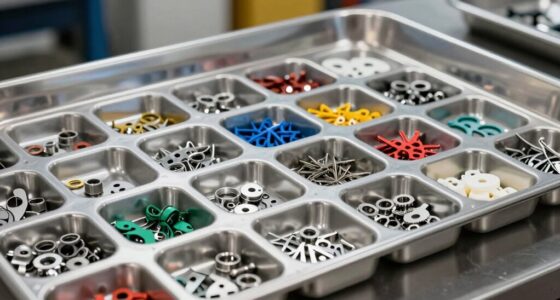
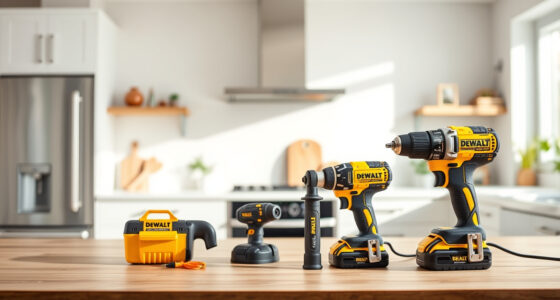
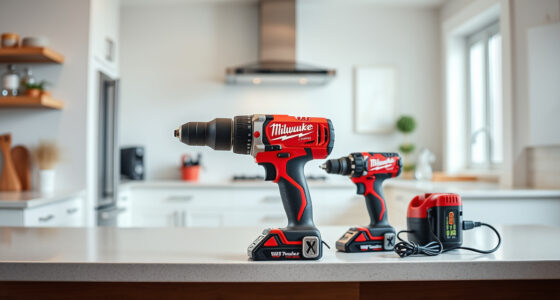
A cordless power drill set usually contains a drill/driver, at least one rechargeable battery, a charger, and a case or bag. Some kits add drill and driver bits, while larger bundles may pair the drill with an impact driver for faster screwdriving. Read the inventory carefully: the photo of a packed case can make a lean kit look generous.
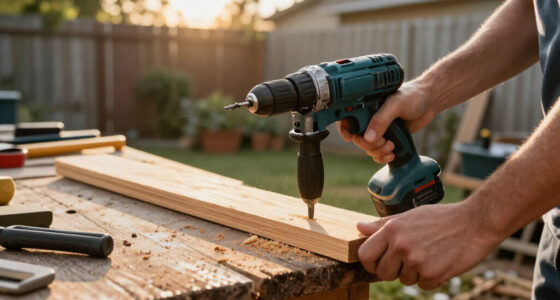
The drill’s chuck grips the bit, and most household models use a keyless chuck you tighten by hand. A numbered clutch ring controls how much torque the drill applies while driving screws. For instance, when you’re fastening a cabinet handle to a thin drawer front, a low clutch setting can help stop the screw before it sinks too far or cracks the wood.
A typical set may include one battery, which is fine for hanging a few pictures, or two batteries, which can keep a longer project moving while one charges. Check each battery’s amp-hour (Ah) rating, the charger type, and whether the case holds the tool securely. A giant assortment of generic bits won’t help much if you mostly need a good Phillips bit and a wood drill bit.
Some sets include an impact driver alongside the drill. It uses rotational impacts to turn stubborn or long fasteners, but it usually takes hex-shank bits and does not replace a drill for making clean holes with standard round-shank bits. Think of it as a helpful second tool when your weekend project involves a deck or a pile of long screws, not a must-have for every apartment repair.
Popular right now

Philips 2200 Series Fully Automatic Espresso Machine with Classic Milk Frother

Ninja Foodi DualZone Smart XL Air Fryer, 10 Qt, 6-in-1, Black (DZ550)

KitchenAid Classic Series 4.5-Quart Tilt-Head Stand Mixer, Onyx Black
As an affiliate, we earn on qualifying purchases.
Choose a drill size that feels right in your hand
The right cordless power drill set gives you enough power for your jobs without making ordinary work awkward. Compact 12V drills often suit furniture assembly, curtain brackets, and small holes; 18V/20V-class drills offer more headroom for demanding work, though they can weigh more. Your comfort matters because a heavy drill grows tiring fast when you’re holding it over your head.
For example, imagine hanging three curtain rods in a room with high windows. A lightweight compact drill may be easier to control than a larger model, especially in a tight corner. If you’re drilling wide holes through thick timber or driving long fasteners all afternoon, a larger tool may handle the workload better. The useful choice depends on both the material and how long you’ll hold the tool.
Voltage labels can confuse buyers: 18V nominal and 20V maximum often refer to the same battery class. Voltage alone does not tell you how well two drills will perform. Torque ratings can help describe turning force, but brands may use different test methods, so compare models within a product line when you can and pay attention to how the tool handles your intended work.
Check the grip, balance, speed controls, and chuck size in person if possible. Many general-purpose drills have a ½-inch chuck, while compact models may use a ⅜-inch chuck. Variable speed helps you start a screw slowly and drill more smoothly; a second speed range can give you more control over fast driving or slower drilling.
Compare batteries for the work you actually do
A battery’s amp-hour rating indicates how much energy it stores, not how powerful the drill is by itself. A larger capacity can often keep a drill running longer, but the battery may also add weight and cost. The tool, material, task, battery condition, and temperature all affect runtime, so a printed Ah figure is a guide rather than a promise of a fixed number of holes.
If you only hang a shelf every few months, one battery may be enough. If you’re building flat-pack furniture or making several trips between drilling and fastening, two batteries can be much more convenient: one works while the other charges. A second battery is like keeping a spare jug of water by the garden hose—small preparation that prevents an annoying stop.
Think about the battery platform before you buy. A brand’s compatible batteries may power its drills, saws, or garden tools, though exact compatibility can depend on product generation. If you later want a cordless sander or impact driver, a set that starts you on a useful platform may save money over buying another charger and battery system.
For instance, a homeowner who already owns two batteries from a tool brand may get more value from a bare drill in that platform than from a kit with a low-capacity battery from a new brand. Follow the maker’s charging and storage guidance, and don’t assume batteries from different brands—or even every product generation within one brand—will fit.
Match special features to the materials you drill
A standard drill/driver handles many household holes and screws, while a hammer-drill mode adds rapid tapping for lighter masonry jobs. That tapping helps when you’re drilling a small hole for a wall plug in brick. It does not turn the drill into a rotary hammer, which is designed for heavier concrete work and frequent masonry drilling.
Consider a common weekend task: installing a shelf on a brick wall. A hammer drill may be the right choice for a few modest holes, paired with a masonry bit and the maker’s instructions. If you’re drilling into concrete regularly or making larger holes, a rotary hammer is generally more appropriate. Choosing the right tool keeps the work more manageable and avoids forcing a drill beyond its intended job.
Brushless motors use electronic controls instead of brushes in the motor. Manufacturers often highlight their efficiency, runtime, and durability, but the practical benefit depends on the model and how often you use it. A tradesperson using a drill most days may value those features more than someone who tightens a few screws each season.
Some newer tool lines offer connected features such as tracking or app-based settings, but those extras are not necessary for most drill users. Put the basics first: tool weight, useful speed range, chuck, battery availability, and a kit with the accessories you’ll use. A simple drill that feels steady and fits your materials can serve you better than a feature-heavy model that rarely leaves the case.
Use this five-step check to pick a useful kit
- List your jobs. Write down what you expect to drill or fasten: furniture, timber, sheet metal, brick, or a mix. A couple of picture hooks call for a different tool than a full timber pergola.
- Choose a size you can control. Look at compact 12V and 18V/20V-class options, then consider the weight and balance. If your project involves overhead work, a lighter drill may make each hole easier to place.
- Check batteries and charging. Compare the number of batteries, Ah capacity, and charger. Two modest batteries can be more practical than one large battery if you want to keep working during a charge.
- Inspect the kit contents. Confirm the chuck size, case, included bits, and whether an impact driver or hammer mode is actually useful for your jobs. For instance, a box of masonry bits won’t add much value if you only work with timber.
- Review the platform and warranty. Check compatibility with tools you own or may buy, along with warranty terms and service options. That can matter more over time than a small price difference at checkout.
Use this check while comparing listings, where product names and bundle photos can obscure what the box contains. A set with one good battery and a sensible charger may suit you better than a larger-looking kit with extras you won’t touch. If you can handle the drill in a store, test the grip and balance with the battery attached; that’s the feel you’ll have on the job.
Keep safety in the routine, too. Wear eye protection, secure the workpiece, use a bit made for the material, and remove the battery before changing accessories or doing maintenance. Don’t force a bit that binds. Follow the manufacturer’s charging and storage directions, and hire a licensed professional for electrical work that goes beyond straightforward DIY tasks.
Frequently Asked Questions
Is a 12V drill powerful enough for home use?
Often, yes. A 12V drill can handle many light household jobs, such as furniture assembly, hanging hardware, and small holes. Larger holes, dense materials, or frequent heavy work may call for a more powerful model.
Do I need a hammer drill?
Choose a hammer-drill mode if you expect to drill occasional holes in masonry, such as for wall plugs in brick. For wood, metal, and ordinary screwdriving, a standard drill/driver is generally enough. Heavy or frequent concrete work calls for a rotary hammer.
What is the difference between a drill/driver and an impact driver?
A drill/driver makes holes and drives screws with a chuck and adjustable clutch. An impact driver uses rotational impacts to drive many or larger fasteners, and typically takes hex-shank bits. It’s useful for long screws, but does not replace a drill for clean holes with standard drill bits.
Is a brushless drill worth the extra cost?
A brushless model may be appealing if you use a drill often and value efficiency or longer runtime, though benefits vary by model and task. For occasional household jobs, a brushed drill may do the work at a lower price.
How many batteries should a drill set include?
One battery can be enough for short, occasional repairs. Two let you use one while the other charges, which helps on longer DIY projects. Compare capacity and charging time as well as the number of batteries.
Are the bits included in a drill set good enough?
Included bits are convenient for basic jobs, but their quality and suitability can vary. For repeated use or a particular material, such as masonry or metal, choose purpose-made bits that match the task.
Conclusion
Start with the jobs you expect to do, then choose the lightest drill and battery setup that can handle them comfortably. Check the real kit contents, platform compatibility, and warranty before you let a crowded case or a big voltage label make the decision.
Once you find a set that fits your hand and your projects, the next loose cabinet hinge or shelf bracket becomes a small fix: a steady grip, a clean hole, and the quiet satisfaction of a job done.