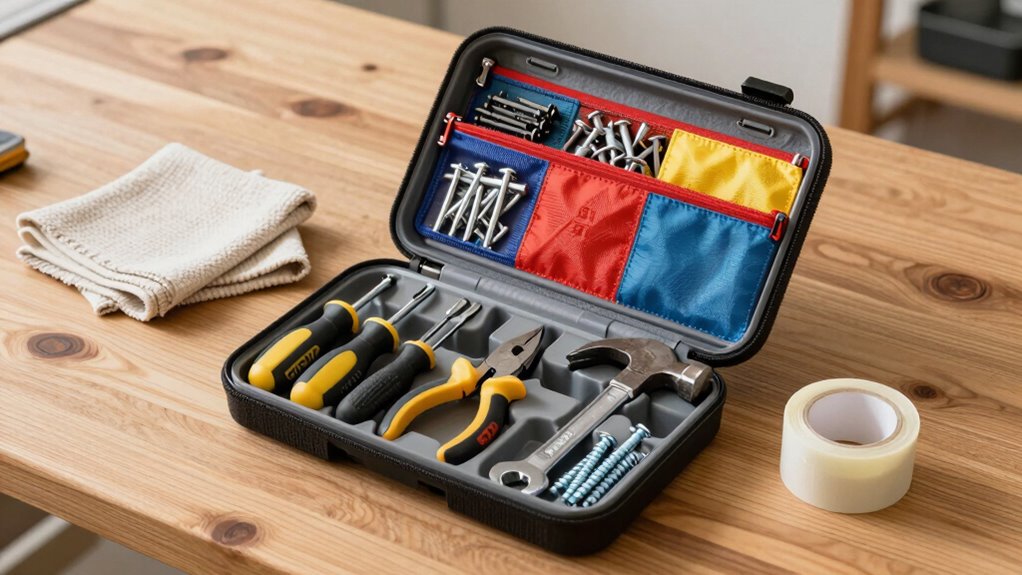

To build a “grab and go” toolkit for repeat tasks, start by selecting a durable, portable container with compartments and labels to keep tools organized. Include versatile essentials like screwdrivers, pliers, a hammer, and measuring tape, focusing on high-quality items. Customize it based on your common needs, regularly review to keep tools in good shape, and practice quick retrieval. Continuing will reveal key tips to optimize your kit for efficiency and preparedness.

Get business pricing on tools and workshop supplies
- Business-only prices and quantity discounts
- Tax-exempt purchasing
- Multiple users, one account, clear invoices
Key Takeaways
- Select durable, portable containers with compartments and labels for quick tool identification and easy access.
- Include versatile, high-quality tools tailored to common repetitive tasks.
- Organize tools systematically, grouping similar items for rapid retrieval.
- Regularly review and update the kit to ensure tools are in good condition and complete.
- Practice using the toolkit to improve efficiency and maintain readiness for routine tasks.
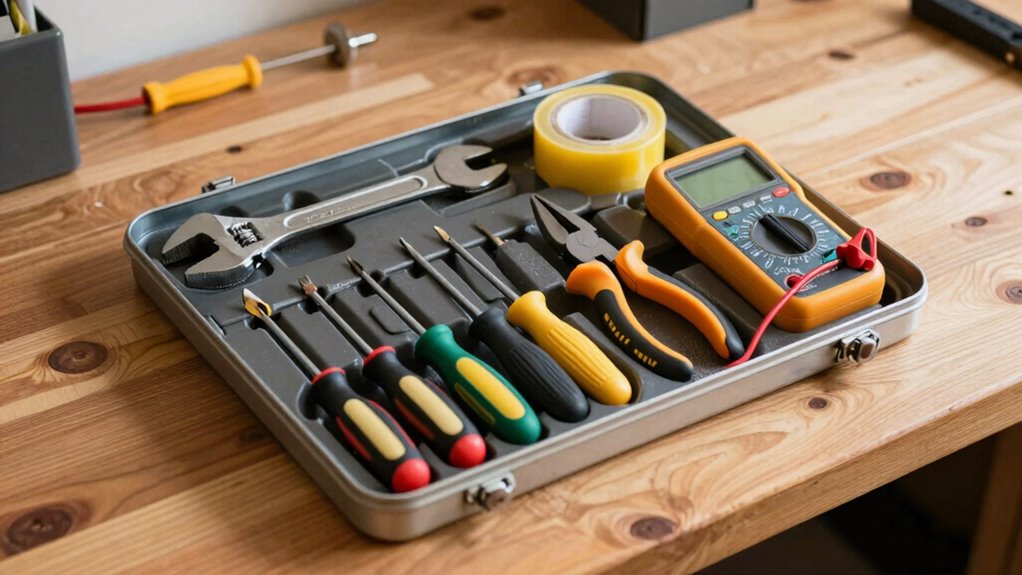
Having a well-stocked “Grab and Go” toolkit guarantees you’re prepared for any quick repair or emergency situation. The key to making this work effectively is good tool organization. When your tools are organized, you can find what you need instantly, saving you time and reducing frustration. Start by selecting a durable, portable container—like a sturdy toolbox or a rugged bag—that can withstand frequent use and transport. The goal is to keep everything in one place, easily accessible, and clearly labeled if necessary. Inside, compartmentalize your tools so that each item has its own spot. Use small containers or pouches for tiny essentials like nails, screws, or fasteners, and designate sections for larger tools. Proper tool organization guarantees you won’t waste precious minutes digging through clutter when urgency strikes. Additionally, good tool organization can help prevent damage and prolong the lifespan of your tools by keeping them protected and properly stored. Creating a comprehensive toolkit that covers a variety of tasks ensures you’re prepared for different scenarios. Incorporating quality tools can also make a significant difference in the efficiency and durability of your kit, ensuring you’re always ready for the task at hand. Being aware of tool maintenance practices can also extend the life of your tools and keep them performing at their best.
Organize your toolkit with compartments and labels to find tools quickly during emergencies.
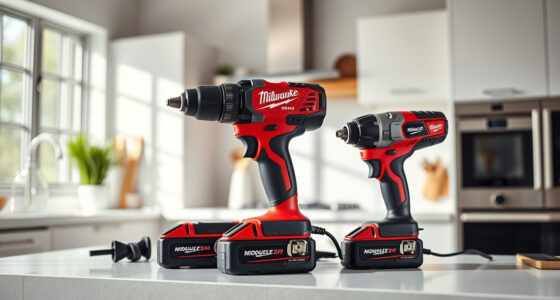
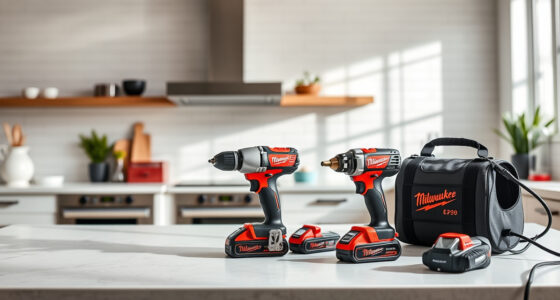
Next, focus on gathering your essential tools. These are the items you’ll rely on most for quick repairs or routine tasks. Typically, this includes a versatile screwdriver set, pliers, a hammer, adjustable wrench, measuring tape, utility knife, and a set of Allen wrenches. Consider adding a cordless drill if you often work with screws or bolts. Don’t forget safety gear such as gloves and eye protection. The idea is to have everything you need at your fingertips without overloading your kit with unnecessary items. Keep in mind that your essential tools should be versatile enough to handle different tasks, so choose quality, durable tools that won’t break or wear out quickly.
As you build your kit, think about the types of tasks you perform regularly. Customize your selection of tools accordingly—if you frequently deal with plumbing, include a pipe wrench and plumber’s tape; if you’re into electronics, add a multi-meter. Regularly review and update your toolkit to ensure all tools are in good condition and that nothing is missing or worn out. A well-maintained kit not only makes your tasks easier but also extends the lifespan of your tools. Remember, the goal of a “Grab and Go” toolkit is convenience and readiness, so keep it neat, stocked, and tailored to your specific needs.
Finally, practice using your toolkit so that everything becomes second nature. Familiarity with your tools and their proper organization allows you to respond swiftly during emergencies. When your toolkit is thoughtfully assembled, well-organized, and tailored to your tasks, you’ll always be ready to tackle quick repairs or routine fixes with confidence and efficiency.
portable tool kit with compartments
As an affiliate, we earn on qualifying purchases.
As an affiliate, we earn on qualifying purchases.
Frequently Asked Questions
How Often Should I Update My Grab-And-Go Toolkit?
You should update your grab-and-go toolkit every 6 to 12 months, following a regular maintenance schedule. Check for worn or damaged tools and replace them promptly to guarantee safety and efficiency. Regular tool replacement also helps prevent unexpected breakdowns during tasks. Additionally, review your toolkit after major projects or changes in tasks, so it stays current and ready whenever you need it, saving you time and effort.
What Are the Most Essential Tools for a Basic Kit?
You definitely need a trusty hammer, a screwdriver set, and pliers—because nothing screams “professional” like improvising with a butter knife. Remember, tool maintenance keeps your kit working smoothly, and safety precautions prevent you from turning minor mishaps into major disasters. Pack a tape measure, a utility knife, and some gloves. With these essentials, you’re ready for quick fixes, no matter how “urgent” the task seems.
How Do I Customize My Kit for Specific Tasks?
To customize your kit for specific tasks, focus on personalization tips like including specialized tools tailored to your needs. Use tool selection strategies such as prioritizing versatility and durability, ensuring each item addresses particular tasks efficiently. Organize your tools logically, maybe by task type, so you can quickly grab what you need. Regularly review and update your kit, adding or replacing tools as your tasks evolve to stay prepared.
What Storage Options Are Best for Portability?
You should choose compact containers or lightweight cases that easily fit into your bag or backpack. These options keep your tools organized and portable without adding bulk. Look for durable, weather-resistant materials and secure closures to prevent spills or loss. Opt for modular designs if possible, so you can customize your kit based on your needs. This way, your grab-and-go toolkit stays lightweight, accessible, and ready for any task.
How Can I Ensure My Tools Stay Organized?
To keep your tools organized, regularly perform tool maintenance to guarantee they stay in good condition. Use labeling techniques like color-coding or clear tags to quickly identify each tool’s purpose and location. Store similar tools together, and consider compartmentalized containers for easy access. Consistently return tools to their designated spots after use, and periodically review your setup to update labels and maintain organization, making your “grab and go” kit always ready.
As an affiliate, we earn on qualifying purchases.
Conclusion
Now that you know how to create a streamlined “Grab and Go” toolkit, you’ll save time and boost efficiency on repeat tasks. Did you know that workers spend up to 30% of their day searching for tools? By assembling a dedicated kit, you cut down on wasted minutes and frustration. Keep it organized, accessible, and tailored to your needs—your productivity will thank you every time you grab your kit and get to work seamlessly.
As an affiliate, we earn on qualifying purchases.
As an affiliate, we earn on qualifying purchases.
Halloween Picks
halloween
As an affiliate, we earn on qualifying purchases.