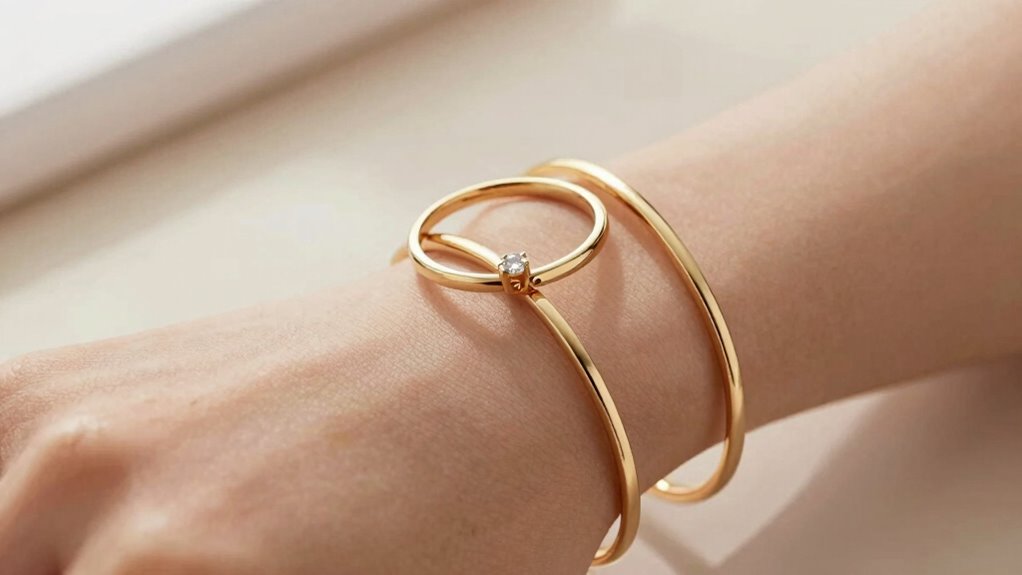

The secret to better jewelry proportions lies in balancing elements through harmony in size, shape, and color. Focus on ensuring each component complements the others, creating a cohesive and refined look. Attention to intricate craftsmanship and precise details enhances overall balance, while choosing colors that visually suit the design boosts harmony. When proportionality is thoughtfully applied, your jewelry becomes more mesmerizing and polished. Keep exploring, and you’ll discover how these principles can transform your creations into stunning pieces.

Get business pricing on tools and workshop supplies
- Business-only prices and quantity discounts
- Tax-exempt purchasing
- Multiple users, one account, clear invoices
Key Takeaways
- Understand and apply fundamental design principles to balance size, shape, and color in each piece.
- Pay meticulous attention to intricate craftsmanship for seamless integration of components.
- Use color harmony to enhance visual balance and emotional appeal.
- Ensure proportionate scaling of elements to create cohesive and refined jewelry.
- Combine skilled craftsmanship with thoughtful color choices to achieve overall harmony.
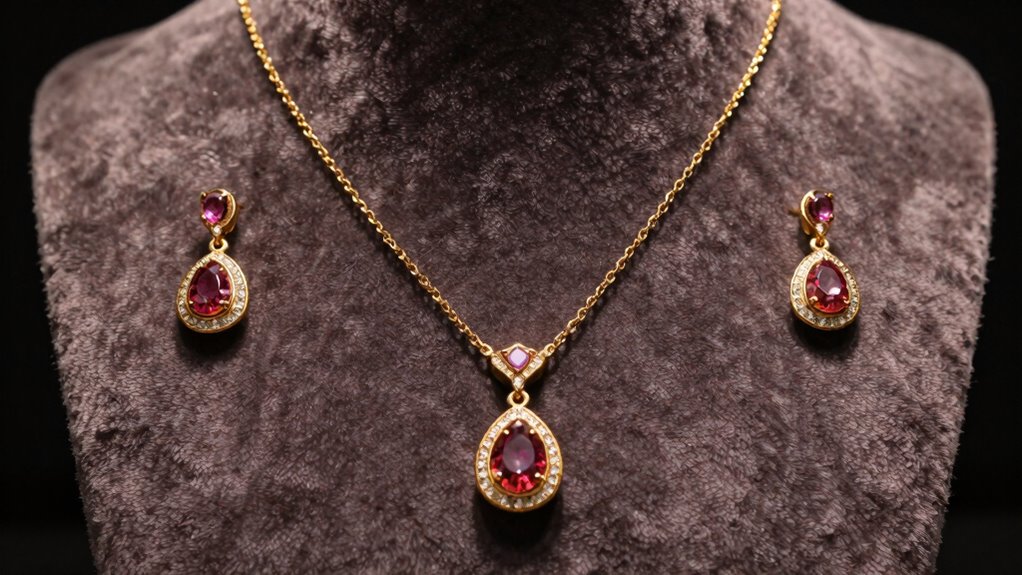
Have you ever wondered why some jewelry pieces instantly catch the eye while others fall flat? The secret often lies in the art of proportion, which transforms an ordinary piece into something enchanting. When you focus on the right balance and harmony, your jewelry can elevate your style effortlessly. One key to achieving this is understanding the importance of intricate craftsmanship. Every tiny detail, from delicate filigree to precise stone setting, plays a role in creating a piece that feels cohesive and intentional. Skilled craftsmanship ensures that each element is proportioned correctly, so no detail overwhelms the overall design. When artisans pay close attention to the craftsmanship, they can seamlessly blend different components, resulting in jewelry that feels both refined and balanced. Additionally, considering proportion in design helps you better grasp how different elements relate to each other visually and structurally. Color harmony also plays an essential role in perfecting jewelry proportions. When you select colors that complement each other, you create visual harmony that naturally draws the eye. Think of color as the emotional language of jewelry; choosing harmonious shades can make a piece feel unified and pleasing. For example, pairing cool-toned gemstones like sapphires with silver settings enhances a calm, sophisticated look. Alternatively, combining warm hues like rubies and gold adds vibrancy and energy. When colors are in harmony, they enhance the proportions of the piece, making each component stand out without competing. This balance in color creates a sense of unity that guides the viewer’s eye across the jewelry in a smooth, pleasing flow. Understanding design principles can also help you craft more harmonious jewelry pieces that appeal aesthetically and structurally. Incorporating visual balance is essential in ensuring that every part of the jewelry contributes to a cohesive appearance. Moreover, paying attention to scale and proportion helps you develop a deeper appreciation for how each element interacts within the overall design. To master better jewelry proportions, you need to contemplate all parts of the design—size, shape, and color—working together as a harmonious whole. Intricate craftsmanship ensures that each detail is carefully executed, preventing any element from feeling out of place or overpowering the others. Additionally, understanding the role of proportion in jewelry design allows you to make more informed choices when selecting or creating pieces, ensuring they look balanced and refined. Meanwhile, paying attention to color harmony helps you select combinations that reinforce the overall balance. When these aspects come together, your jewelry won’t just look beautiful; it will feel balanced and intentional. Whether you’re designing your own pieces or choosing jewelry for yourself, understanding these principles allows you to appreciate and create jewelry that truly stands out. Remember, good proportions are the foundation of stunning jewelry, and the secrets lie in craftsmanship and color harmony working hand in hand to craft elegant, balanced pieces.
intricate craftsmanship jewelry tools
As an affiliate, we earn on qualifying purchases.
As an affiliate, we earn on qualifying purchases.
Frequently Asked Questions
How Do Face Shape and Body Type Influence Jewelry Proportions?
Your face shape and body type greatly influence jewelry proportions. If your face has strong symmetry, opt for bold earrings or necklaces to balance it out. For softer face shapes, delicate pieces work well. Your body contours also matter—longer necklaces flatter elongated torsos, while wider body types benefit from proportionate, balanced jewelry. Matching jewelry to your face symmetry and body contours creates harmony and enhances your natural beauty effortlessly.
What Are Common Mistakes When Balancing Jewelry Proportions?
A common mistake is over-layering jewelry, which creates proportion illusions and overwhelms your look. For example, stacking too many necklaces can distract from your outfit’s balance. You might also mismatch proportions, like wearing large earrings with a delicate neckline, disrupting harmony. To avoid this, focus on balancing jewelry sizes and styles, ensuring each piece complements your features. Keep layering simple and intentional for a polished, proportional appearance.
How Can I Adjust Jewelry for Different Necklines?
To adjust jewelry for different necklines, you should match necklace styles to collar types. For example, wear a choker or short necklace with high necklines, and opt for longer, layered pieces with V-necks or scoop necks. Pair matching earrings with your necklace style to create harmony. Keep in mind, balancing jewelry proportions enhances your overall look, so choose pieces that complement your neckline without overpowering it.
Are There Specific Proportions for Men’s Jewelry?
You hit the nail on the head—there are specific proportions for men’s jewelry. Material selection and style coordination are key. Opt for pieces that complement your build, like thicker chains or bold rings, maintaining a balanced look. Typically, the jewelry should enhance your overall style without overpowering it. Think of it as dressing in layers—each piece should work together seamlessly, creating a cohesive and confident appearance.
How Do Cultural Differences Affect Jewelry Proportion Preferences?
Cultural differences considerably influence jewelry proportion preferences, as you’ll find that cultural symbolism and traditional aesthetics shape what looks appealing. For example, some cultures favor larger, bold pieces to symbolize status or spiritual beliefs, while others prefer subtle, delicate designs for everyday wear. By understanding these cultural nuances, you can tailor jewelry proportions to resonate meaningfully with different communities, ensuring your designs honor their aesthetic and symbolic values.
As an affiliate, we earn on qualifying purchases.
Conclusion
By mastering jewelry proportions, you enhance your natural beauty, making every piece feel like it was made just for you. Think of jewelry as a mirror to your style—when perfectly balanced, it amplifies your confidence. But remember, even the most exquisite design can fall flat without harmony. Sometimes, simplicity speaks louder than extravagance. Embrace the art of proportion, and you’ll find that true elegance isn’t about what you wear, but how you wear it.
proportional jewelry design guide
As an affiliate, we earn on qualifying purchases.
As an affiliate, we earn on qualifying purchases.
As an affiliate, we earn on qualifying purchases.
Fall yard work Picks
leaf blowers
As an affiliate, we earn on qualifying purchases.