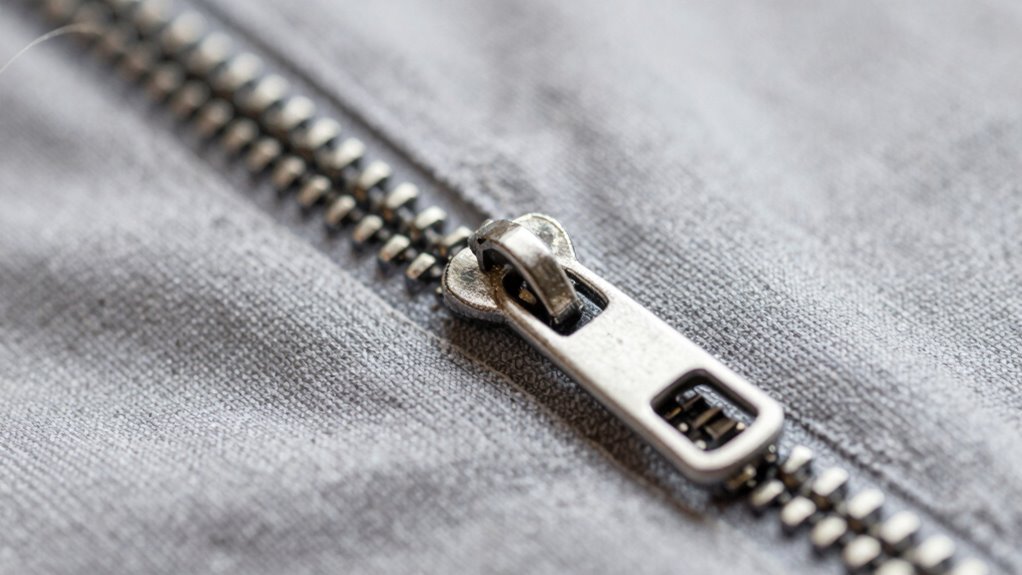

Zipper waves usually happen when fabric tension is off or the slider isn’t aligned properly. If the fabric is too tight or loose, it causes ripples along the zipper line. Also, a bent or misaligned slider can create unevenness as you zip. To fix this, start by adjusting fabric tension to make sure it lies flat, then check and straighten or replace the slider. Keep going to learn more about how to get that zipper smooth and flat.
Key Takeaways
- Zipper waves are caused by fabric tension issues or slider misalignment.
- Check and adjust fabric tension to ensure it’s neither too tight nor too loose.
- Re-sew seams with proper tension to prevent pulling and ripples along the zipper.
- Inspect and straighten or replace the slider if it’s misaligned or damaged.
- Test the zipper multiple times, addressing fabric tension first, then slider issues for best results.
When your zipper starts to malfunction, it can be frustrating and inconvenient. One common issue is the appearance of waves or ripples along the zipper line, which can make your garment look uneven or poorly finished. Understanding why this happens is the first step toward fixing it. Usually, zipper waves occur because of problems with fabric tension or slider alignment. Addressing these issues in the right order ensures a smooth and lasting repair.
Zipper waves often result from fabric tension issues or slider misalignment.
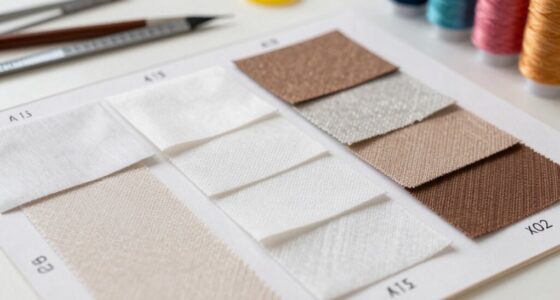
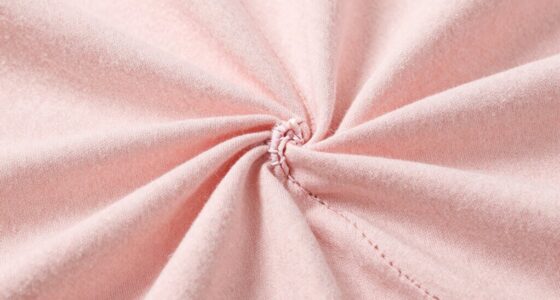
First, you should examine the fabric tension around the zipper. If the fabric is too tight or too loose, it can pull unevenly as you zip up or down, causing waves to form. Tight fabric pulls the zipper in one direction, creating tension that distorts the smooth line. Conversely, fabric that’s too loose allows excess slack, making the zipper sit unevenly. To fix this, gently press the fabric around the zipper or adjust the seam allowances if possible. If you’re comfortable sewing, releasing the stitches near the zipper and resewing with a slightly different tension setting can help. Making certain the fabric lies flat and has proper tension is vital before moving on to other adjustments.
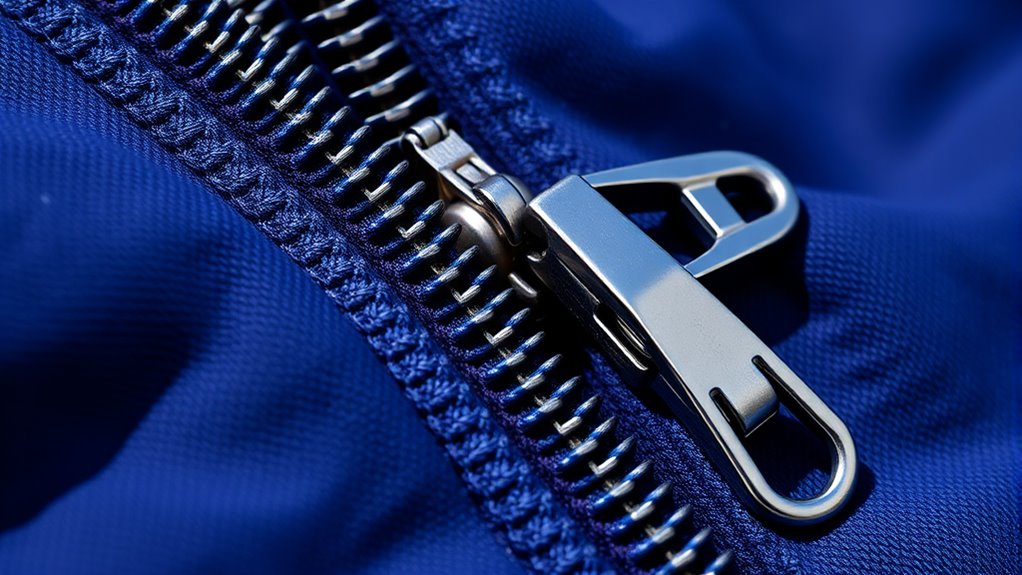
Next, check the slider alignment. The slider is the component that moves along the teeth and pulls fabric together. If it’s misaligned or damaged, it won’t zip smoothly, and waves may develop. To assess this, try to move the slider up and down gently—if it catches or feels loose, it may need realignment or replacement. Sometimes, the slider can become bent or worn out, causing uneven pulling of the teeth. If the slider is misaligned, you can try to gently straighten it with pliers or replace it altogether. When replacing the slider, make sure to choose one compatible with your zipper size and type. Proper slider alignment is essential because even if the fabric tension is correct, a misaligned slider will still cause waves or unevenness.
Once you’ve addressed fabric tension and slider alignment, test your zipper by zipping and unzipping several times. If the waves persist, double-check the seam allowances and ensure the zipper teeth are properly aligned. Sometimes, minor fabric shifts during sewing or wear can cause misalignment, which then results in waves. Fixing these issues in that order—starting with fabric tension, then slider alignment—provides a logical pathway to a smooth, flat zipper line. This approach minimizes the risk of recurring problems and helps you achieve a professional-looking finish. Remember, patience and careful adjustments are key to restoring your zipper’s proper function and appearance. Additionally, understanding the importance of fabric tension and other factors can help prevent future zipper issues.
Frequently Asked Questions
Can Weather Conditions Cause Zipper Waviness?
Weather conditions can cause zipper waviness, especially if your fabric textures change with humidity or temperature. When fabric expands or contracts, it can affect how the zipper sits, making it look wavy. Zipper sizes also matter; a tight or loose fit can exaggerate waviness. To fix this, choose the right zipper size and make certain your fabric isn’t overly affected by weather. Properly matching fabric textures helps maintain a smooth, flat zipper appearance.
Does Zipper Material Affect Waviness?
Yes, zipper material affects waviness because fabrics with more stretch can cause misalignment, leading to waviness. When the fabric stretches or contracts, it impacts zipper alignment, making the waviness more noticeable. Choosing a zipper made from more stable, less stretchy material helps maintain proper alignment. Always guarantee the zipper material matches the fabric’s stretch properties to prevent waviness and keep your garment looking smooth and professional.
How Long Do Zipper Wave Fixes Typically Last?
Zipper wave fixes usually last between several months to a year, depending on wear. You can expect the repair to persist longer if you adjust zipper tension properly and account for fabric stretch. About 80% of fixes remain effective after six months, but continuous stress or frequent washing can shorten this. Regular maintenance and gentle handling help ensure your zipper stays smooth and wave-free longer.
Are There DIY Methods to Prevent Zipper Waves?
Yes, you can try DIY methods to prevent zipper waves by checking zipper alignment and adjusting fabric tension. Start by ensuring the zipper is properly aligned and sewn straight. Then, gently press the fabric around the zipper to reduce tension, which helps smooth out waves. Using a pressing cloth and low heat, carefully iron the area to set the fabric flat. These steps help keep your zipper looking neat and wave-free.
Can Zipper Waves Be a Sign of a Larger Issue?
Zipper waves can signal a deeper issue, like a misaligned zipper or uneven garment tension, acting like a red flag on a stormy horizon. If your zipper waves persist despite fixing the alignment, it suggests the fabric’s tension isn’t uniform, hinting at underlying structural problems. Don’t ignore these signs; they could indicate wear or fabric distortion that needs attention before it worsens, ensuring your garment stays smooth and secure.
Conclusion
Think of your zipper as a delicate symphony, where each tooth and slider must dance in harmony. When waves appear, it’s like a discordant note disrupting the melody. But with patience and the right fix, you restore the song’s flow. Embrace these small repairs as tuning your instrument—once aligned, your zipper will glide smoothly, whispering silent tunes of confidence. After all, mastering this simple tune keeps your wardrobe singing in perfect harmony.