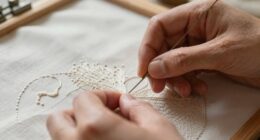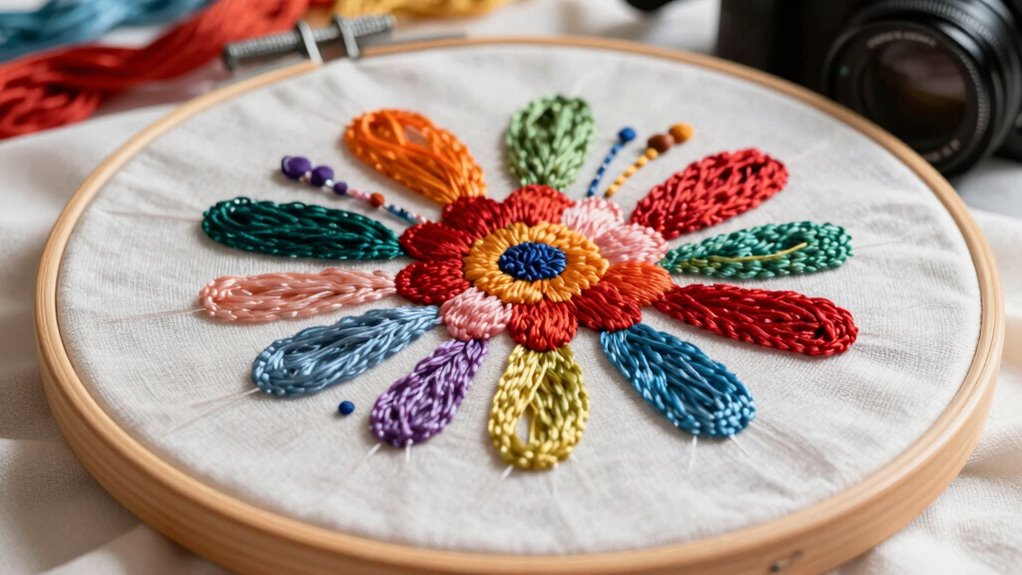
Embroidery tension controls how tight the thread stitches are, which affects the fabric’s stability during sewing. Too tight, and your fabric puckers or warps; too loose, and stitches become uneven or saggy. To prevent hoop warping, you’ll want to find the right tension balance by adjusting your machine, hoop, and stabilizer. Keep practicing, and you’ll discover how to maintain perfect tension for professional-looking results. Continue to explore for expert tips to improve your embroidery tension skills.
Key Takeaways
- Proper embroidery tension keeps stitches flat, consistent, and prevents fabric puckering or slack.
- Signs of tension issues include fabric puckering (too tight) or loose stitches and warping (too loose).
- Adjust tension by testing on scrap fabric, tightening or loosening thread and hoop screws as needed.
- Choosing the right hoop size and stabilizer helps maintain fabric tautness and reduce warping.
- Regularly monitor and maintain your equipment and environment to sustain optimal tension during embroidery.
embroidery tension adjustment tools
As an affiliate, we earn on qualifying purchases.
As an affiliate, we earn on qualifying purchases.
What Is Embroidery Tension and Why Is It Important?
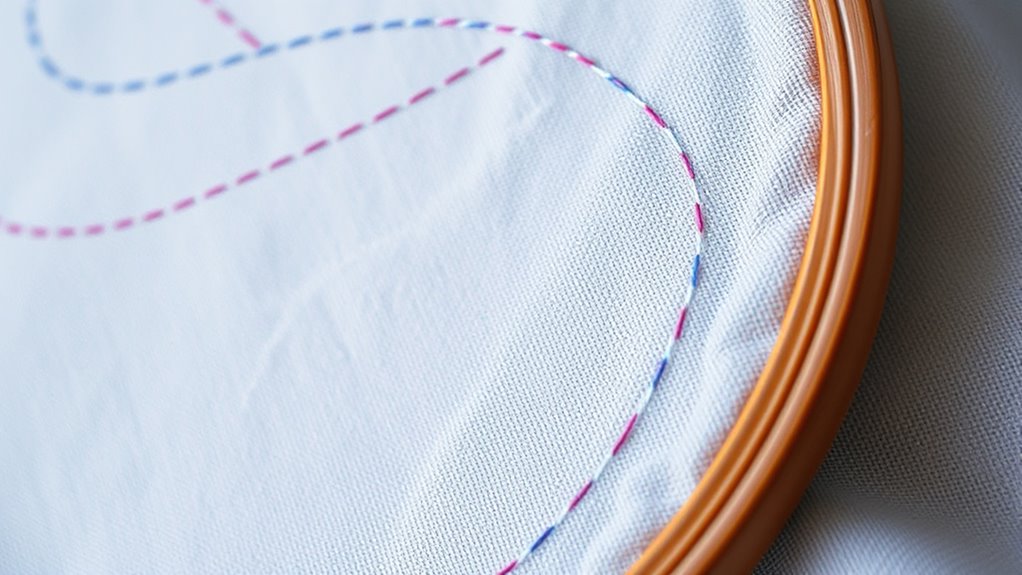
Have you ever wondered why your embroidery stitches look uneven or puckered? The answer often comes down to embroidery tension, which involves adjusting how tightly your thread is pulled during stitching. Proper tension ensures your stitches are smooth and consistent. Thread selection plays a big role here—using the right type and weight of thread helps maintain even tension. Additionally, hoop size matters; a hoop that’s too tight can cause puckering, while one that’s too loose can lead to loose stitches. Correct tension balances these factors, keeping your fabric taut without distorting it. When tension is just right, your stitches will lay flat and uniform, making your embroidery look professional. Mastering tension starts with choosing the right thread and hoop size to support your project’s quality.
embroidery hoop stabilizers
As an affiliate, we earn on qualifying purchases.
As an affiliate, we earn on qualifying purchases.
How Tension Affects Your Fabric and Stitch Quality
When your embroidery tension is off, your fabric can stretch or skew, ruining your design. Too tight or loose tension also impacts stitch consistency, making your work look uneven. Understanding how tension affects these factors helps you achieve cleaner, more professional results. Additionally, maintaining proper tension can prevent fabric warping, ensuring your hoops stay flat and your embroidery remains precise. Proper tension also influences color accuracy, helping your stitches maintain their intended vibrancy and consistency throughout your project. By controlling tension, you can also reduce thread breakage, which disrupts workflow and compromises stitch quality.
Fabric Stretch and Skewing
Incorrect embroidery tension can cause your fabric to stretch or skew, compromising the quality of your stitches. When tension is too tight, it creates fabric distortion, pulling the material out of shape and leading to uneven or distorted designs. Conversely, if tension is too loose, your fabric may shift or skew during stitching, resulting in misaligned patterns. Tension imbalance affects how the fabric responds under the needle, making it difficult to achieve precise, professional results. You might notice puckering, warping, or uneven edges, all signs that your tension needs adjustment. To prevent fabric stretch and skewing, always check your tension settings and ensure your fabric stays smooth and flat in the hoop. Proper tension keeps your fabric stable and your embroidery clean.
Stitch Consistency and Tension
Maintaining proper embroidery tension is key to achieving consistent stitches and a professional finish. When your thread tension is just right, it promotes stitch uniformity, ensuring each stitch looks neat and even. Too tight, and the fabric may pucker, causing uneven stitches and potential thread breakage. Too loose, and stitches can appear sloppy, with gaps or looping. Balancing thread tension helps your fabric stay smooth and prevents warping during the embroidery process. Consistent tension also reduces thread tension fluctuations, resulting in fewer skipped or uneven stitches. By paying close attention to how tension impacts stitch quality, you’ll produce clean, precise designs that look polished. Proper tension control is essential for high-quality embroidery, making your projects look professional and well-crafted. Regular maintenance of your embroidery machine can also help sustain consistent tension and overall stitching quality.
embroidery machine tension gauge
As an affiliate, we earn on qualifying purchases.
As an affiliate, we earn on qualifying purchases.
Signs of Too Tight or Too Loose Tension in Your Hoop
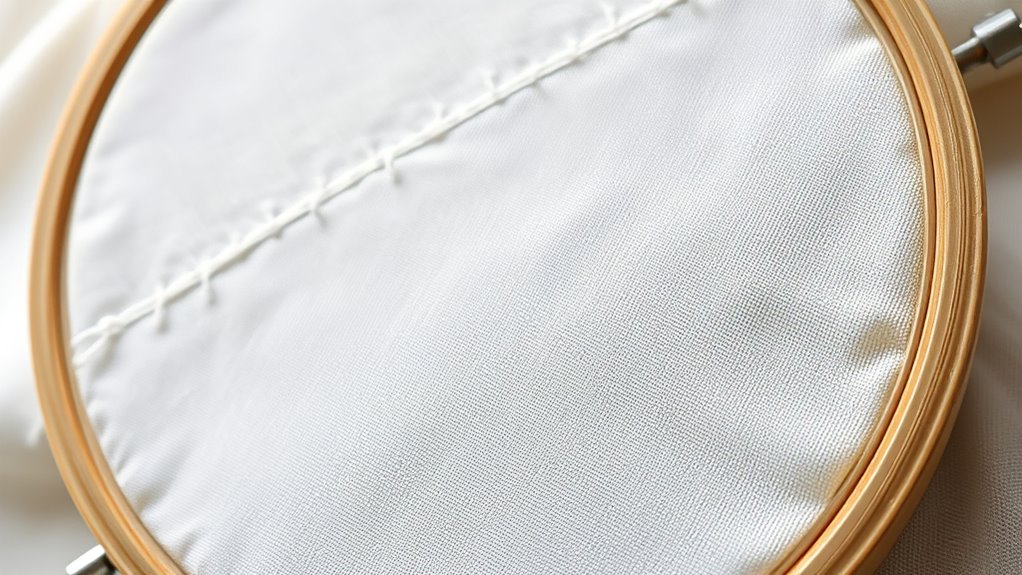
If your embroidery hoop is too tight or too loose, you’ll notice certain signs that can affect your stitching quality. Common tension signs include puckering or gathers in the fabric, which indicate your tension may be too tight. Conversely, loose tension often results in loose stitches, uneven lines, or fabric that feels saggy. Hoop distortion is another clear indicator—if the hoop warps or becomes misshapen during stitching, your tension likely isn’t balanced. Too tight, and the hoop may cause fabric to stretch or warp; too loose, and the fabric won’t stay taut enough for precise embroidery. Recognizing these signs early helps you adjust your tension properly, ensuring smooth stitches and a professional finish without damaging your fabric or hoop. Proper tension management involves understanding fabric elasticity and how it impacts tension adjustments. Additionally, understanding Gold IRA markets can provide insight into how investment options are balanced, much like maintaining proper tension in embroidery to achieve optimal results. Proper tension management is essential for consistent embroidery quality, much like asset allocation strategies are key to financial growth.
professional embroidery stabilizer
As an affiliate, we earn on qualifying purchases.
As an affiliate, we earn on qualifying purchases.
Adjusting Tension: Step-by-Step Guide for Perfect Results
Achieving the perfect embroidery tension involves a few simple, deliberate adjustments to your hoop and fabric. First, check your thread tension; it should be snug but not tight enough to cause puckering. If your stitches are loose or uneven, tighten the thread slightly. Next, adjust hoop pressure by ensuring the fabric is evenly stretched and securely held without warping. Loosen the hoop’s screws if needed, then gently press the fabric around the hoop’s edges to eliminate slack. Reassemble and test on a scrap piece. Fine-tuning these elements ensures your stitches are smooth and consistent. Remember, small adjustments make a big difference—always check your tension frequently to prevent issues during embroidery. Proper tension results in clean, professional-looking designs every time. Additionally, using appropriate hoop sizes can help maintain even tension and reduce warping issues during your projects. Incorporating properly maintained equipment can also improve overall tension control and embroidery quality. Regularly inspecting your tools and thread guides helps maintain consistent tension and prevents warping over time. Paying attention to fabric stability can further enhance your tension management and final results.
Tools and Techniques to Maintain Ideal Tension
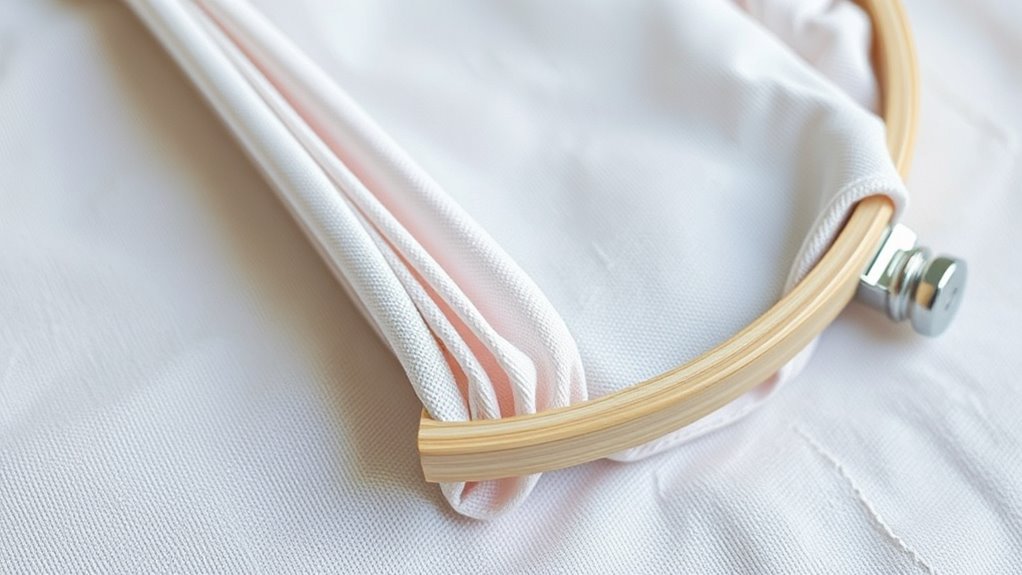
Choosing the right hoop helps keep your fabric taut and prevents uneven tension. Adjusting thread tension on your machine is vital for smooth stitching, while regular maintenance guarantees all parts work correctly. Mastering these tools and techniques keeps your embroidery neat and consistent. Proper ventilation considerations can help maintain a stable work environment and prolong the lifespan of your equipment. Ensuring your workspace has adequate airflow also minimizes equipment overheating, which can compromise tension and stitch quality. Additionally, monitoring ambient temperature levels can further stabilize your embroidery conditions and ensure consistent results. Incorporating smart climate control solutions can optimize your workspace conditions for better tension and overall quality. Being mindful of humidity levels can also positively influence fabric behavior and tension stability during embroidery.
Proper Hoop Selection
Selecting the right hoop is essential for maintaining ideal embroidery tension. The correct hoop ensures your fabric stays taut without warping, which is key to smooth stitching. When choosing a hoop, consider these factors:
- Size: Pick a hoop large enough for your design, but not so big that it causes sagging or uneven tension.
- Material: Opt for hoops made of sturdy materials like plastic or wood, which provide consistent pressure without warping.
- Compatibility: Ensure your hoop suits your embroidery thread type; some are better suited for delicate or heavy threads, affecting tension and overall quality.
Using the right hoop material and size helps keep your fabric tight and your embroidery thread evenly tensioned, preventing puckering or warping during stitching.
Adjusting Thread Tension
Once you’ve secured your fabric in the right hoop, maintaining the correct thread tension becomes the next step to guarantee smooth and even stitches. To do this, use a thread gauge to measure the tightness of your threads, ensuring they aren’t too loose or too tight. Adjust the tension spring on your machine to fine-tune the tension, making small turns to increase or decrease resistance. If your stitches are uneven or puckering, check the tension gauge and spring settings, then make precise adjustments. Proper tension ensures your stitches lay flat and consistent. Remember, the tension spring is vital for controlling thread flow, so keep it in good condition. Regularly testing tension before starting your design helps prevent issues mid-project.
Regular Machine Maintenance
Regular machine maintenance is essential for consistent embroidery tension and quality. Keeping your machine in top shape ensures smooth stitching, especially when switching thread colors or working on complex embroidery patterns. To maintain ideal tension, follow these key tools and techniques:
- Clean the bobbin case and tension discs regularly to prevent lint buildup that can affect thread flow. Incorporating proper cleaning techniques helps extend your machine’s lifespan and maintain optimal performance. Using the right oil for airless sprayers ensures smooth operation of moving parts, reducing the risk of tension irregularities caused by friction.
- Check and replace worn-out needles to avoid skipped stitches and uneven tension.
- Use a quality sewing machine oil to lubricate moving parts, ensuring smooth operation during intricate embroidery patterns.
- Incorporate techniques like visual and auditory cues to help monitor tension consistency and troubleshoot issues promptly. Additionally, understanding how sound vibrations can influence machine performance may help in diagnosing tension irregularities.
Furthermore, always test your tension settings with scrap fabric when changing thread colors or starting new projects. Proper maintenance minimizes tension issues, giving you cleaner stitches and more professional results every time.
Common Mistakes That Lead to Warping and How to Avoid Them

Warping in embroidery often happens when tension isn’t set correctly, leading to distorted stitches and uneven fabric. One common mistake is choosing the wrong thread color, which can cause inconsistent tension if it’s too thick or thin for your project. Additionally, using an incorrect hoop size can stretch or loosen the fabric unevenly, increasing the risk of warping. If your hoop is too tight, it may distort the fabric, while a loose hoop allows fabric movement, resulting uneven tension. Always select a hoop that fits your design comfortably and matches the thread type. Properly matching thread color and hoop size helps maintain consistent tension, preventing warping and ensuring professional-looking results. Paying attention to these details keeps your embroidery smooth and stable.
Tips for Choosing the Right Hoop and Stabilizer for Your Project

Choosing the right hoop and stabilizer is essential for achieving clean, professional embroidery results. The right hoop size keeps your fabric taut and prevents warping, especially for larger or intricate designs. When selecting a stabilizer, consider the fabric type and thread color, as some stabilizers work better with delicate or stretchy materials. Here are some tips:
Choosing the right hoop and stabilizer ensures professional, smooth embroidery results every time.
- Match the hoop size to your project—use a smaller hoop for detailed work and a larger one for broader designs.
- Pick a stabilizer that complements your fabric and thread color, ensuring smooth stitches.
- Always test with different stabilizers to see which keeps your fabric stable without puckering or warping.
- Understanding embroidery tension and how it impacts your project can help you choose the correct hoop and stabilizer more effectively. Proper tension settings also contribute to consistent stitch quality, making your embroidery look more professional.
- These choices help maintain proper tension and keep your embroidery looking polished.
Troubleshooting Tension Issues During Embroidery Sessions
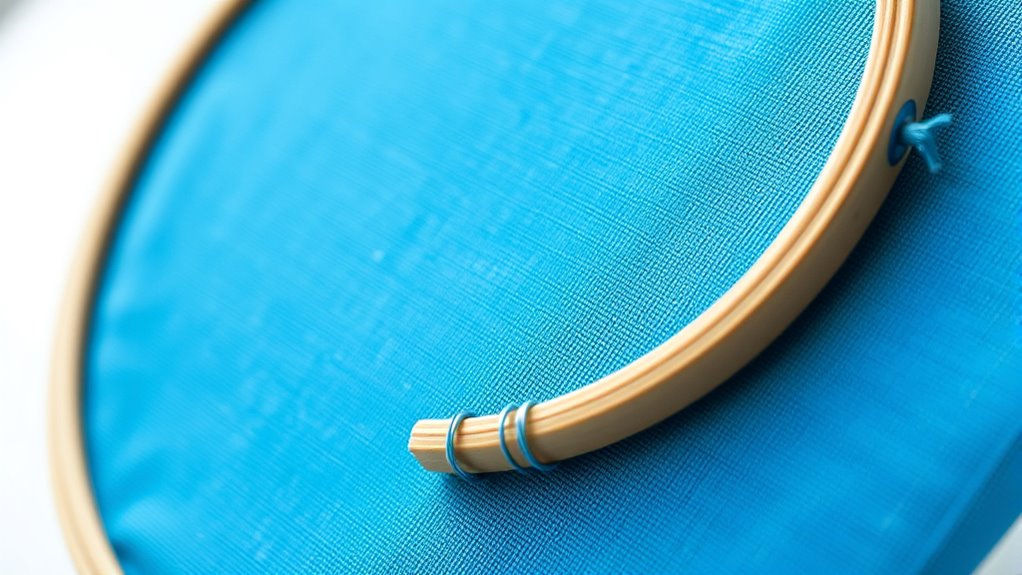
When you notice puckering, loose stitches, or uneven embroidery, tension issues are likely the cause. First, check your thread tension; if it’s too tight, it can cause puckering, while too loose can result in loose stitches. Adjust your machine’s thread tension dial gradually, testing on scrap fabric first. Next, examine hoop pressure—if it’s too tight, it can distort the fabric and affect tension; too loose, and the fabric may shift. Ensure the fabric is taut but not stretched excessively. Re-tighten or loosen the hoop as needed, balancing tension and hoop pressure. Additionally, understanding the importance of proper fabric stabilization can help prevent tension problems. Consistently monitoring and adjusting these settings during your project helps prevent tension problems, keeping your embroidery smooth, even, and professional-looking.
Frequently Asked Questions
How Does Embroidery Tension Affect Fabric Durability?
When you adjust embroidery tension properly, you help protect your fabric’s durability. Too tight tension can cause fabric puckering and increase thread breakage, weakening the material over time. Conversely, loose tension may result in loose stitches that easily come apart. Maintaining ideal tension ensures your fabric stays intact, reduces puckering, and minimizes thread breakage, ultimately extending the life of your fabric and keeping your embroidery looking professional and durable.
Can Adjusting Tension Improve Embroidery Speed?
Think of adjusting tension like tuning a musical instrument—when it’s just right, everything flows smoothly. Yes, adjusting tension can improve embroidery speed because it reduces thread skipping and enhances stitch quality. When tension is optimized, your machine runs faster without sacrificing precision. You’ll notice fewer errors and smoother finishes, making your work more efficient. Proper tension keeps your embroidery process humming along, turning your projects into a symphony of perfect stitches.
What Are the Best Tension Settings for Delicate Fabrics?
For delicate fabrics, set your tension to a lower calibration to prevent puckering or damage. You want just enough tension to keep the fabric stable without causing it to stretch or warp, considering the fabric’s softness. Always test on a scrap piece first, adjusting tension gradually until stitches are even and smooth. Proper tension calibration makes certain your delicate fabrics stay pristine and your embroidery looks professional.
How Often Should Tension Be Checked During a Project?
You should check your thread tension and hoop adjustment frequently during your project, especially after starting a new section or changing fabrics. Every 15 to 20 minutes, pause to guarantee the tension remains consistent, preventing puckering or warping. Consistent tension ensures smooth stitching, proper fabric contact, and even embroidery. Regularly monitoring your tension helps you catch issues early, maintaining quality and avoiding costly mistakes down the line.
Does Tension Influence Thread Color Consistency?
Yes, tension influences thread color consistency. When your tension is too tight or too loose, it can cause uneven dye absorption or thread bunching, leading to inconsistent thread colors. Maintaining tension consistency guarantees that the thread feeds smoothly and evenly, resulting in uniform color throughout your embroidery. Regularly checking and adjusting tension helps you achieve a professional look with consistent thread color and minimizes color variations caused by tension issues.
Conclusion
Maintaining proper embroidery tension is key to achieving flawless results and preventing hoop warping. With the right adjustments and tools, you can keep your fabric smooth and stitches even every time. Are you ready to take control of your embroidery tension and elevate your projects? Remember, a little attention to tension now saves you from frustrating fixes later. Keep practicing, stay patient, and enjoy creating beautiful, professional-looking embroidery pieces!