
TL;DR
Wildlife experts say stretchy fake spider-web decorations used outdoors can entangle birds, bats and small mammals, including hedgehogs. They advise choosing solid outdoor decorations instead and contacting a wildlife rescue if an animal is trapped.
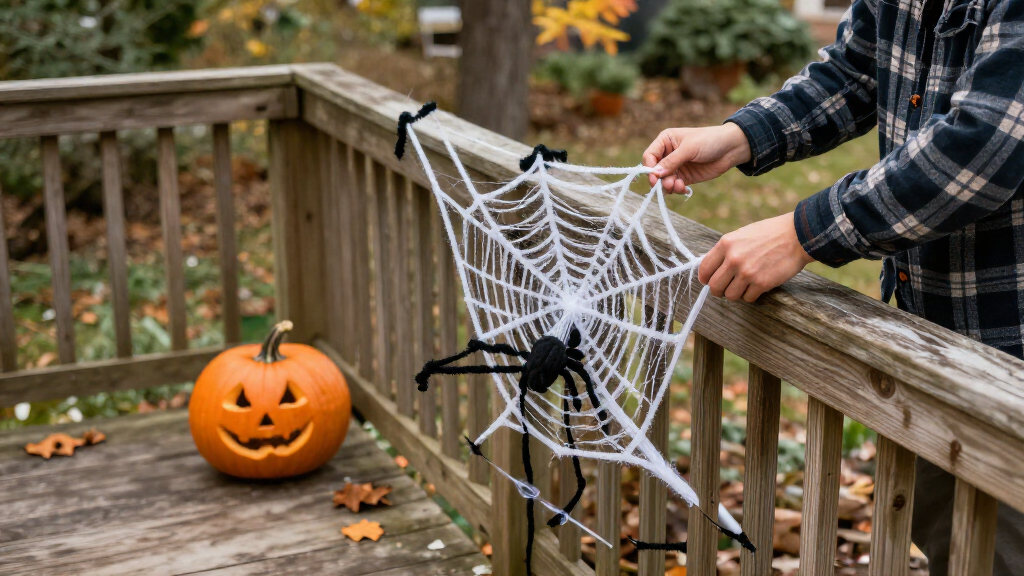
Wildlife experts are warning people against hanging stretchy fake spider webs outdoors this Halloween, saying the synthetic strands and larger netted decorations can trap birds, bats and small mammals such as hedgehogs. The warning matters because animals may become tangled while moving through garden plants or may ingest pieces of plastic decoration.

Get business pricing on tools and workshop supplies
- Business-only prices and quantity discounts
- Tax-exempt purchasing
- Multiple users, one account, clear invoices
Lucy Taylor, a wildlife expert at Vine House Farm, told Ideal Home that artificial cobwebs can be tougher and less likely to break than natural spider webs. She said synthetic strands can wrap tightly around an animal’s wing, foot or leg, while an animal’s attempts to escape may tighten the material further. Mosh Latifi, co-owner of EcoCare Pest Management, similarly said fine, stretchy fibres can be difficult for animals to break or bite through.
The experts also warned that decorations may pose an ingestion risk. Taylor said small animals could pick up plastic or fine mesh, creating a possible choking or internal blockage hazard. She added that birds may use spider silk in nest-building and may not distinguish artificial material from natural silk. The source report does not provide figures on how often these injuries occur.
The warning covers more than spray-on products. Latifi said dried spray-on webbing may present less of a tangling risk, but can still coat insects or remain in hedges and shrubs. He identified stretchy cotton-style webbing and larger netted webs as a particular concern when hung outside, over hedges, or left in place for weeks. Decorations with openings large enough for an animal’s head, wing or leg to pass through can pose a snagging hazard.
How Outdoor Cobwebs Can Trap Wildlife
The practical concern is that a decoration intended to catch the eye can behave like garden netting when wildlife passes through it. Entanglement can restrict movement and, according to the experts, struggling may make strands tighter. Plastic and fine mesh can also be swallowed or carried away, extending the risk beyond the time the decoration is displayed.
For households, the warning offers a straightforward seasonal choice: keep synthetic webs indoors, where wild animals are less likely to encounter them, and use solid objects outdoors rather than materials such as string, ribbon or rope. That allows residents to decorate while reducing potential hazards around gardens and hedges.
Popular right now

Ninja Foodi 7-Qt MegaZone FlexBasket Air Fryer, 6-in-1, Black, DZ071

KitchenAid Classic Series 4.5-Quart Tilt-Head Stand Mixer, Onyx Black

De'Longhi La Specialista Arte Evo Semi-Automatic Espresso Machine with Grinder and Cold Brew
As an affiliate, we earn on qualifying purchases.
Choosing Safer Halloween Displays
The advice comes as people put up outdoor Halloween decorations, including fake spider webs on shrubs and hedgerows. The Ideal Home report says spray-web warnings are issued in some years, while larger plastic webbing appears to be increasingly popular this season. The report does not include sales data or quantify any change in use, so the trend is not independently measured there.
Taylor recommended using existing fake webs inside the home and choosing outdoor decorations without plastic or loose, entangling materials. She also cautioned that carved or decorative pumpkins should be brought indoors at night so animals do not eat them; she said pumpkins can make some wildlife unwell. The report does not identify which species or describe the effects in detail.
“Wildlife can easily become caught in fake spider web decorations commonly used around Halloween, especially the artificial cobwebs.”
— Lucy Taylor, wildlife expert at Vine House Farm
How Often Injuries Occur
The source report provides no incident totals, research data or comparison with previous Halloween seasons. It is therefore unclear how many animals are affected or whether reports of increased use of larger web decorations reflect measured sales or observation. The precise risk also depends on the decoration’s material, opening size, placement and how long it remains outside.
The advice about pumpkins is presented as an expert warning, but the report does not specify which wildlife species may become unwell, what quantities could cause harm, or how likely such effects are. These details are not established in the material provided.
What To Do If Wildlife Is Caught
If an animal is trapped, Taylor recommends contacting a local wildlife rescue or organisation, such as the RSPCA, before trying to free it. She warned that visible entanglement may be accompanied by injuries that are not immediately apparent. After rescuers have safely removed the animal, she advises taking down the remaining outdoor web decorations.
Latifi said that if a rescue organisation advises someone to intervene, they should keep calm and take precautions: frightened animals may bite or scratch, so thick gloves are advised, and a larger animal may be loosely covered with a towel. He said not to pull the strands because that could tighten them; if instructed to cut webbing away, use small, blunt-ended scissors and take care not to cut the animal. If it cannot be freed safely or appears injured, his advice is to place it in a ventilated box in a quiet place and contact a rescue service again. The immediate next step for decorators is to check outdoor displays and remove stretchy or netted webbing from hedges and other wildlife-accessible areas.
Key Questions
Which Halloween decorations are wildlife experts warning about?
Experts warn particularly about stretchy synthetic cobwebs and larger netted webs placed outdoors. Spray-on webbing may present a lower tangling risk once dry, but experts say it can still affect insects or remain in shrubs.
Which animals could be affected?
The experts cited birds, bats and small mammals, including hedgehogs. They also raised concerns about insects being coated by spray-on webbing and animals ingesting plastic or mesh.
What should I do if I find an animal caught in fake webbing?
Contact a local wildlife rescue or organisation for guidance before attempting to free it. If you are advised to help, do not pull the strands; follow the rescuer’s instructions and avoid handling an injured animal without guidance.
How can I decorate outdoors more safely?
Use solid decorations and avoid plastic webs, netting, string, ribbon or rope where animals may become tangled. Experts suggest keeping fake spider webs indoors.
Source: rss