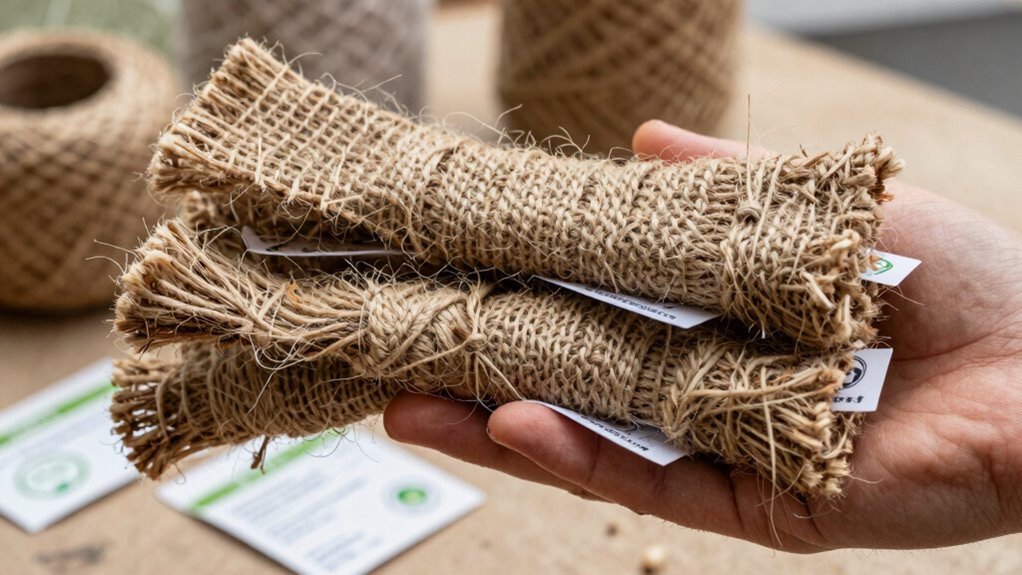

To spot greenwashing quickly, pay attention to vague buzzwords like “eco-friendly” or “natural” without certification details. Verify labels by checking trusted organizations’ standards and make sure certifications are current and credible. Investigate supply chain transparency and demand clear impact data, such as carbon footprint or recyclability. Be cautious of overly positive language that lacks specifics. For a deeper understanding, you’ll discover how to critically evaluate a brand’s overall commitment and proof behind their claims.
Key Takeaways
- Scrutinize vague terms like “eco-friendly” or “natural” without official certification or specific standards.
- Verify certifications (FSC, GOTS) through official sources to ensure authenticity and proper scope.
- Demand transparent supply chain information and ethical sourcing practices beyond marketing claims.
- Check if environmental impact data is detailed, credible, and backed by third-party audits or reputable reports.
- Evaluate overall sustainability practices, including lifecycle, recyclability, and company commitment beyond surface-level labels.
Amazon Product B07GKHQYCM
As an affiliate, we earn on qualifying purchases.
Recognize Common Greenwashing Phrases and Buzzwords
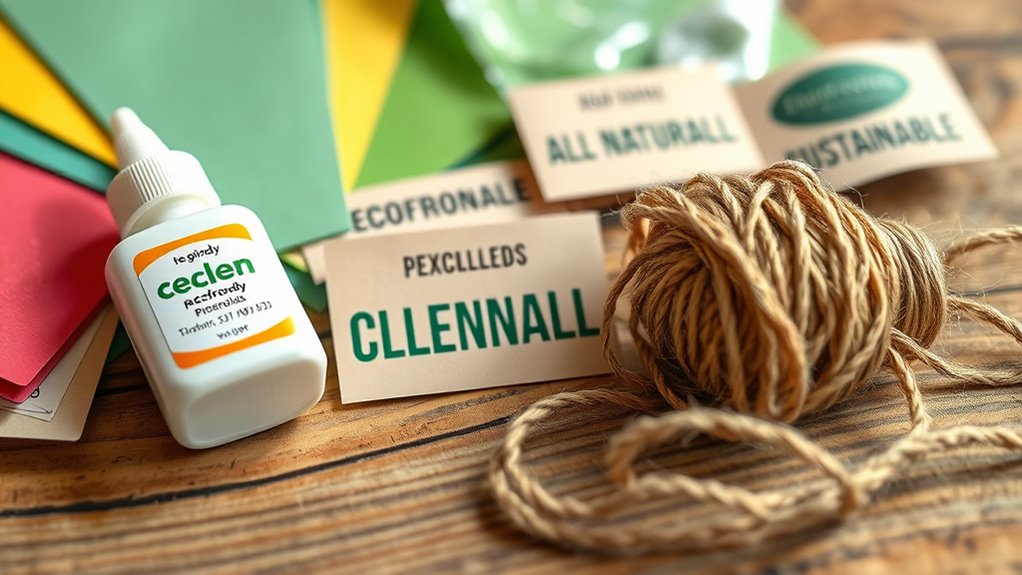
Many companies use greenwashing buzzwords and phrases to make their products seem more environmentally friendly than they actually are. To spot these tactics, focus on buzzword detection and phrase analysis. Phrases like “eco-friendly,” “green,” or “sustainable” are often vague or overused without clear backing. Look out for terms that lack specific meaning or measurable standards, such as “all-natural” or “environmentally conscious,” which can be misleading. By analyzing the language, you can identify when companies rely on buzzwords to distract from less sustainable practices. Practice phrase analysis by questioning whether the claims are supported by credible certifications or transparent information. Recognizing these common greenwashing phrases helps you make more informed choices and avoid being misled by superficial sustainability claims. Additionally, understanding the concept of Free Floating can help you better evaluate whether claims are genuinely rooted in sustainable practices or are just superficial labels. Being aware of vague language can further aid in identifying when a product’s sustainability claims lack concrete evidence or measurable standards. Developing a critical eye for superficial labels enables consumers to distinguish between genuine sustainability efforts and mere marketing tactics. Furthermore, awareness of potential vulnerabilities in green marketing strategies can help consumers remain skeptical of overly optimistic claims. Recognizing the role of trustworthy certification can also be crucial in verifying the authenticity of sustainability claims.
Amazon Product B0D5YN9RB4
As an affiliate, we earn on qualifying purchases.
Examine the Certification and Labeling Claims
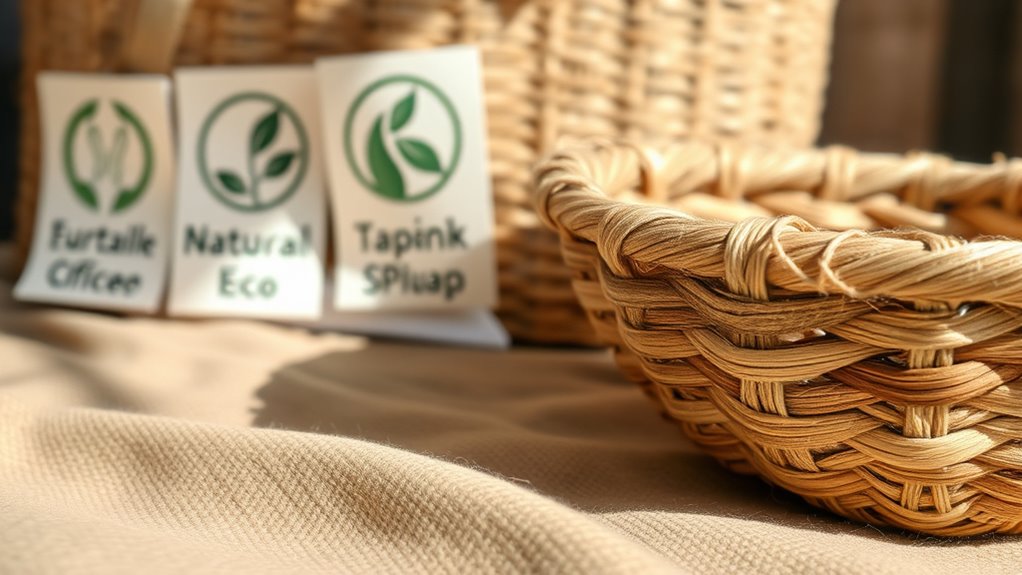
You should check if the certifications are genuine before trusting labels on craft materials. Understanding the standards behind these labels helps you determine if the claims are credible. Making sure certifications are authentic protects you from false or misleading claims. Additionally, being aware of common Rhythm Failure themes ensures you can better evaluate the authenticity of claims related to musical or artistic certifications. Verifying certification authenticity through official sources can prevent falling for misrepresented eco-friendly claims. Recognizing reputable seal programs that verify sustainability claims helps ensure the credibility of product labels. Ensuring that screening guidelines are followed based on mammography recommendations aids in assessing the validity of the eco-label claims. Incorporating knowledge of filtration and pump protection practices can also help identify products with genuine sustainability certifications, as these protective measures are often emphasized in certified eco-friendly materials.
Verify Certification Authenticity
To guarantee a craft material’s sustainability claims are legitimate, verifying the authenticity of certifications and labels is essential. Start by examining the eco label schemes and certification standards behind the claims. Reputable eco label schemes, like FSC or GOTS, have strict standards and undergo regular audits to ensure compliance. Check if the certification is current and issued by recognized organizations. Be wary of labels that lack transparency or are vague about their criteria. Cross-reference the certification details on official websites to confirm veracity. Remember, genuine certifications should clearly specify the scope, standards, and issuing body. Ensuring your information comes from reliable sources is crucial in assessing the credibility of eco claims. Additionally, understanding the specific lifevest advisors of electric dirt bikes can help you evaluate their performance and sustainability features. This diligence helps you avoid greenwashed products and ensures your craft materials truly align with sustainable practices.
Understand Labeling Standards
How can you confidently interpret certification and labeling claims on craft materials? The key is understanding labeling standards and recognizing genuine green certification. Look beyond catchy logos—research what the labels truly mean. Certified products should adhere to recognized standards set by trusted organizations, ensuring the claims are credible. Green certification indicates the material meets specific sustainability criteria, such as eco-friendly production or low environmental impact. Be wary of vague claims like “green” or “natural” without official certification. Always verify the certifying body’s reputation and the scope of the certification. By familiarizing yourself with labeling standards, you can distinguish authentic eco-friendly claims from greenwashing, making smarter choices that support truly sustainable craft materials. Additionally, understanding supply chain transparency can help verify the authenticity of a product’s sustainability claims. Recognizing the difference between offensive security and reactive measures can also empower you to better assess a product’s security features. Knowing how to interpret third-party certification organizations ensures you rely on credible sources rather than marketing tactics. Being aware of industry standards can further guide you in evaluating the legitimacy of eco-labels and certifications. Furthermore, staying informed about manufacturer warranties and their terms can prevent unintentional voiding of guarantees when selecting eco-friendly products.
Amazon Product B0DXTP5GYB
As an affiliate, we earn on qualifying purchases.
Investigate the Source and Supply Chain Transparency

Understanding the source and supply chain transparency of craft materials is essential for ensuring sustainability. You need to verify where materials originate and how they move through the supply chain to spot greenwashing. Look for brands that openly share details about their supply chain ethics and source origin transparency. This helps confirm materials aren’t sourced from environmentally harmful or unethical practices. Incorporating vetted wave and wind considerations can further enhance your assessment of sustainable sourcing practices, ensuring your craft materials are genuinely eco-friendly. Additionally, reviewing top rated vacuums of 2024 can provide insights into brands committed to reliable and transparent sourcing. Recognizing the importance of ethical sourcing can help you make more informed decisions and support truly sustainable brands.
Amazon Product B0FDQ8CV25
As an affiliate, we earn on qualifying purchases.
Look for Verifiable Environmental Impact Data
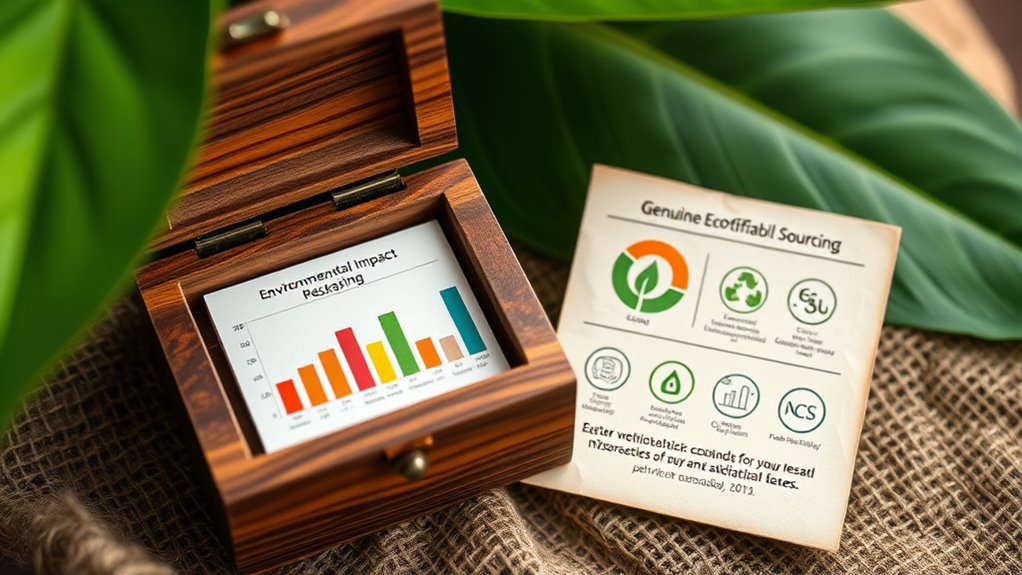
You should look for environmental impact data that’s transparent and easy to verify. Seek out third-party certifications to confirm claims and guarantee data credibility. By doing so, you can confidently choose materials with proven environmental benefits. Additionally, verify the credibility of sources to ensure the information is unbiased and accurate.
Check Transparent Reporting
Checking transparent reporting is essential to verify the true environmental impact of sustainable craft materials. You should look for companies that openly share detailed data on their sourcing, manufacturing processes, and environmental metrics. Company transparency reflects a commitment to honesty and allows you to assess reporting accuracy. Reliable reports include clear, quantifiable information rather than vague claims. Be wary of vague language or data that’s difficult to verify. Genuine transparency involves providing accessible documentation or links to detailed reports that support their sustainability claims. When companies are transparent, you can better evaluate whether their environmental impact aligns with their marketing. This approach helps you avoid greenwashing by ensuring you base your choices on solid, verifiable information instead of superficial claims. Additionally, warranty and certification details can further verify a company’s environmental commitments and build trust in their claims.
Seek Third-Party Certifications
Third-party certifications serve as independent proof that a product’s environmental claims are credible and verified. When evaluating sustainable craft materials, look for eco labels and certification logos from reputable organizations. These eco labels indicate that an independent body has assessed the product’s environmental impact, ensuring transparency and authenticity. Certification logos act as visible markers of compliance with strict sustainability standards, helping you distinguish genuinely eco-friendly options from greenwashed products. By prioritizing certified items, you reduce the risk of being misled by vague or exaggerated claims. Keep in mind that reputable third-party certifications cover aspects like resource sourcing, manufacturing processes, and overall environmental footprint, giving you confidence that your craft materials are truly sustainable.
Verify Data Credibility
How can you be sure that a craft material’s environmental claims are trustworthy? The key is verifying data credibility by checking for verifiable environmental impact data. Focus on data accuracy—does the information precisely reflect the material’s sustainability? Be cautious of vague or unsubstantiated claims. Trustworthy sources, like peer-reviewed studies or reports from reputable organizations, ensure source reliability. When evaluating claims, look for concrete figures, such as carbon footprint or water usage, that can be cross-checked. Avoid data that’s vague or lacks transparency, which might indicate greenwashing. The more transparent and detailed the data, the more confidently you can assess the material’s true environmental impact. Verifying data credibility helps you distinguish genuine sustainability efforts from superficial marketing spin.
Be Wary of Vague or Overly Positive Language
Be cautious of vague or overly positive language when evaluating sustainable craft materials. Phrases like “eco-friendly” or “green” can be misleading if not backed by specifics. Look out for positive framing that sounds too good to be true. To spot greenwashing, consider these tips:
- Check if the claims are detailed or just broad assertions.
- Question whether the language uses vague words like “natural” or “sustainable” without proof.
- Be skeptical of marketing that emphasizes positive framing without transparent evidence.
Vague language often masks a lack of real sustainability, while overly positive framing can give a false impression of environmental responsibility. Stay alert and demand clarity—it’s your best defense against greenwashing in craft materials.
Assess the Company’s Overall Sustainability Practices
When evaluating a company’s sustainability claims, it’s important to look beyond vague language and evaluate their overall practices. Start by examining their corporate mission—does it genuinely prioritize environmental and social responsibility, or is it merely marketing fluff? Look for transparency around their sustainability initiatives and whether they actively engage stakeholders, including employees, suppliers, and communities. Companies committed to true sustainability will often share detailed reports, third-party audits, and progress updates. Consider how they incorporate stakeholder feedback into their operations and decision-making. A company with authentic sustainability practices demonstrates consistency across its policies, aligns its actions with its stated goals, and openly communicates challenges and successes. This holistic view helps you distinguish genuine commitment from greenwashing.
Understand the Material’s Lifecycle and End-of-Life Options

Understanding a material’s lifecycle and end-of-life options is essential to evaluating its true sustainability. You should consider the biodegradability assessment to see if the material naturally breaks down without harming the environment. Recyclability options tell you whether the material can be processed and reused, reducing waste. To evaluate effectively, ask yourself:
Assess materials’ sustainability by considering biodegradability, recyclability, and circular use options.
- Is the material biodegradable within a reasonable timeframe?
- Are there clear recyclability options available for this material?
- Does the product support circular use or composting?
Seek Out Independent Reviews and Third-Party Assessments
How can you guarantee the credibility of a sustainable craft material? The key is to seek out independent reviews and third-party assessments. These evaluations come from unbiased organizations that verify claims about sustainability and environmental impact. Look for certifications or reports from reputable agencies, as they provide objective insights into a product’s true green credentials. Don’t rely solely on marketing claims or company statements—they can be misleading. Independent reviews often include testing results and comparisons, helping you distinguish genuine sustainability from greenwashing. Third-party assessments add an extra layer of credibility, ensuring that the material’s environmental benefits are verified by an impartial source. By prioritizing these evaluations, you can confidently choose craft materials that genuinely align with your sustainability values.
Frequently Asked Questions
How Can I Identify False Sustainability Claims on Product Packaging?
You can identify false sustainability claims on product packaging by checking eco labels to trust, such as FSC or Fair Trade, which are verified. Be wary of common greenwashing tactics like vague language, misleading images, or claims that sound too good to be true. Always read the fine print, research the certifications, and look for transparency from the brand. If something seems suspicious, trust your instincts and dig deeper.
What Are the Most Trustworthy Third-Party Certification Organizations?
Trustworthy third-party organizations like the Forest Stewardship Council (FSC), Rainforest Alliance, and Fair Trade International stand out. They rigorously follow eco label standards and a transparent certification process, ensuring products genuinely meet sustainability criteria. These certifications act as a beacon of authenticity, helping you avoid greenwashing. Always check for their logos on packaging, and remember, reputable certifiers don’t just issue labels—they verify and uphold genuine eco-friendly practices.
How Do Supply Chain Practices Influence Environmental Impact?
Supply chain practices directly impact the environmental footprint of your materials. When you prioritize supply chain transparency, you can verify ethical sourcing and guarantee sustainable methods are used. This reduces waste, conserves resources, and minimizes pollution. By choosing suppliers committed to ethical sourcing, you support eco-friendly practices and prevent greenwashing. Your awareness of these practices helps you make informed decisions, encouraging sustainable production and reducing negative environmental effects.
What Questions Should I Ask Suppliers About Their Sustainability Efforts?
When you ask your suppliers about their sustainability efforts, don’t beat around the bush. Inquire directly about their eco labels verification and supplier transparency. Ask how they ensure their materials meet eco standards and request proof of certifications. Clarify their supply chain practices and whether they conduct regular audits. This way, you can see if they walk the talk or are just putting on a show.
How Can I Verify the Environmental Data Provided by Companies?
You can verify environmental data by checking eco labels verification and requesting detailed carbon footprint assessment reports. Look for certifications from trusted organizations like GOTS or FSC, and ask for third-party audits to confirm claims. Review the company’s sustainability reports critically, ensuring they include measurable data. Don’t settle for vague statements—demand transparency and evidence, so you can confidently distinguish genuine efforts from greenwashing.
Conclusion
Remember, not everything that glitters is gold. By carefully spotting greenwashing tactics—from buzzwords to supply chain claims—you can make truly sustainable choices. Do your homework, seek transparency, and rely on independent reviews. Like a wise old tree standing firm through storms, your diligent research helps you avoid being fooled by superficial green promises. Stay vigilant, and let your commitment to genuine sustainability grow strong and true.