Many “natural” and “non-toxic” labels can be misleading, as they don’t guarantee safety or the absence of harmful chemicals. Labels are often vague or lack regulation, hiding hidden additives or contaminants. Natural ingredients aren’t always safe, and certification isn’t a guarantee either. Processing methods can introduce hazards despite “natural” claims. To truly guarantee safety, you need to look beyond labels and understand ingredient lists, certifications, and proper handling. By staying informed, you’ll learn how to make safer choices in your crafting.
Key Takeaways
- “Natural” labels are vague and unregulated, not guaranteeing safety or absence of harmful chemicals.
- “Non-toxic” claims can be misleading; labels do not always verify ingredient safety.
- Natural ingredients can still cause allergies or skin irritations, so safety isn’t guaranteed solely by “natural” status.
- Hidden chemicals like fragrances, dyes, or preservatives may be present despite “all-natural” claims.
- Certifications don’t always ensure complete safety; thorough research and transparency are essential.
Amazon Product B0CFLXPZS5
As an affiliate, we earn on qualifying purchases.
The Meaning of “Natural” in Crafting Supplies

What does “natural” truly mean when it comes to crafting supplies? Generally, it suggests products made from botanical ingredients that are minimally processed and free from synthetic chemicals. However, “natural” can be a vague term, and manufacturers often use it to appeal to health-conscious crafters. Some items boast chemical free claims, but that doesn’t automatically mean they’re entirely safe or free of all synthetic additives. It’s essential to read labels carefully, as “natural” doesn’t have a regulated definition in the crafting world. Botanical ingredients sound wholesome, but they can still cause allergic reactions or contain trace chemicals from the extraction process. Don’t rely solely on the label—educate yourself to make informed choices about what truly qualifies as “natural” for your projects. Additionally, understanding adhesive products can help you select safer, more reliable options for your crafting needs. Being aware of chemical additives in crafting supplies can further protect you from potential irritants or allergens. Recognizing the presence of concentrated extracts and their processing methods can also influence your selection of truly safe materials. Furthermore, raw material sourcing plays a crucial role in determining the overall safety and authenticity of natural crafting supplies. For example, understanding processing techniques allows crafters to better evaluate the purity and safety of botanical ingredients used in their projects.
Amazon Product B0CXJDC4D3
As an affiliate, we earn on qualifying purchases.
The Safety Assumptions Around “Non-Toxic” Labels
You might assume that a “non-toxic” label guarantees safety, but labels can be misleading due to limited regulations and testing. Remember, just because a product is labeled as natural doesn’t mean it’s automatically safe. Always check ingredients and research to make informed choices for your crafting projects. Additionally, understanding the regulations surrounding labeling can help you better interpret product claims. Water-based and aquatic exercises are often safer options for those with sensitivities. Being aware of market regulations can further aid in distinguishing genuine safety claims from marketing tactics. Recognizing soil requirements for certain plants can also inform safer, more sustainable crafting practices that avoid harmful chemicals. Furthermore, paying attention to air purifier maintenance dos and don’ts can reduce exposure to airborne irritants during crafting activities.
Labeling Limitations and Accuracy
While “non-toxic” labels are often trusted to guarantee safety, their accuracy can be misleading due to varying standards and testing methods. Many products rely on marketing claims that emphasize “natural” or “safe,” but ingredient transparency isn’t always clear. Manufacturers may omit certain chemicals or use vague terms that sound reassuring but don’t reflect the full composition. This means you can’t always depend on labels to provide a complete picture of a product’s safety. Regulations around labeling are inconsistent, and some companies exploit these gaps to make claims that appeal to consumers seeking non-toxic options. Additionally, labeling standards vary widely between regions and industries, making it difficult to compare products effectively. Moreover, understanding the vetting process behind these labels can help consumers make more informed decisions. Being aware of regulatory inconsistencies can help you recognize when labels might be less reliable. Recognizing the importance of energetic alignment can also influence how you interpret the safety and efficacy of products. Ultimately, it’s essential to do your own research rather than rely solely on marketing claims or assumptions based on a label’s wording. Vetted information helps ensure you make informed choices about what you use.
Natural Doesn’t Equal Safe
Many people assume that if a product is labeled “non-toxic” or “natural,” it’s automatically safe for use, but that’s a dangerous misconception. Just because something sounds natural doesn’t mean it’s free of synthetic chemicals or safe for everyone. Manufacturers can source ingredients from various places, and natural labels don’t guarantee careful ingredient sourcing or quality standards. Some “natural” products may contain hidden synthetic chemicals or contaminants that aren’t listed on labels. It’s essential to scrutinize ingredient lists and understand that natural doesn’t inherently mean safe. Many products with “non-toxic” labels might still pose risks, especially if they contain unknown or unregulated substances. Never assume safety based solely on marketing claims—do your research and prioritize transparency. Additionally, understanding safe ingredient sourcing can help consumers make more informed choices about what they use, especially given the potential for misinformation surrounding product safety.
Amazon Product B07TS69L3R
As an affiliate, we earn on qualifying purchases.
Common Misconceptions About Natural Ingredients

Many believe that natural ingredients are automatically safer, but that’s not always true. Labels can be misleading, making you think a product is non-toxic when it’s not. Remember, all-natural doesn’t always mean safe for every use or person. Additionally, understanding the exfoliating properties of glycolic acid can help you make more informed choices about skincare products. Knowledge about the history of pinball machines reveals how design and technology have evolved over time, influencing modern game features. It’s also important to be aware of environmental considerations when selecting products to ensure they promote sustainability and safety. Recognizing the cultural significance of symbols can deepen your understanding of their impact beyond mere aesthetics.
“Natural” Isn’t Always Safer
Just because an ingredient is labeled “natural” doesn’t mean it’s automatically safe for your craft projects. Natural preservatives, for example, may seem gentle but can still cause allergic reactions or skin irritation. Similarly, organic dyes are often perceived as safer options, but they can contain allergenic compounds or cause staining that’s difficult to remove. Always remember that natural doesn’t guarantee safety; some ingredients can be potent or reactive. Power output from electric dirt bikes can be comparable to traditional gas-powered bikes, so handling them with care remains essential. Before using any natural product, do your research and test a small area first. Understanding the risks associated with natural ingredients is essential to prevent adverse reactions. Just because it’s labeled as “natural” doesn’t mean it’s completely risk-free. Being informed helps you avoid surprises and ensures your crafting remains both fun and safe.
Labels Can Be Deceptive
Labels can be misleading, especially when it comes to natural ingredients. Many products boast about their label accuracy and use marketing claims that suggest safety or purity. However, these claims don’t always tell the full story. Some labels may highlight a single “natural” ingredient while hiding synthetic components or harmful additives elsewhere. It’s easy to be fooled by vague or exaggerated marketing claims that imply a product is safer or healthier than it truly is. Always read ingredient lists carefully, rather than relying solely on labels or buzzwords. Just because something is labeled as “natural” doesn’t mean it’s free of toxins or safe for all uses. Being informed helps you make better choices, avoiding deceptive marketing and ensuring your craft supplies align with your safety standards.
All-Natural Doesn’t Equal Safe
Although natural ingredients are often perceived as safer, this isn’t always the case. Natural marketing can be misleading, making you believe that “all-natural” products are automatically safe. However, just because something is labeled as natural doesn’t guarantee it’s free of risks. Some natural substances can cause allergic reactions or skin irritation, especially when used in crafts or DIY projects. Chemical safety isn’t solely determined by whether an ingredient is synthetic or natural. It’s essential to research each component and understand its potential effects. Relying solely on the “natural” label can give a false sense of security. Always check ingredient lists, consult safety guidelines, and consider how each ingredient interacts with your skin or environment—natural doesn’t mean risk-free.
Amazon Product B0FP85XLN1
As an affiliate, we earn on qualifying purchases.
The Hidden Chemicals in “All-Natural” Products
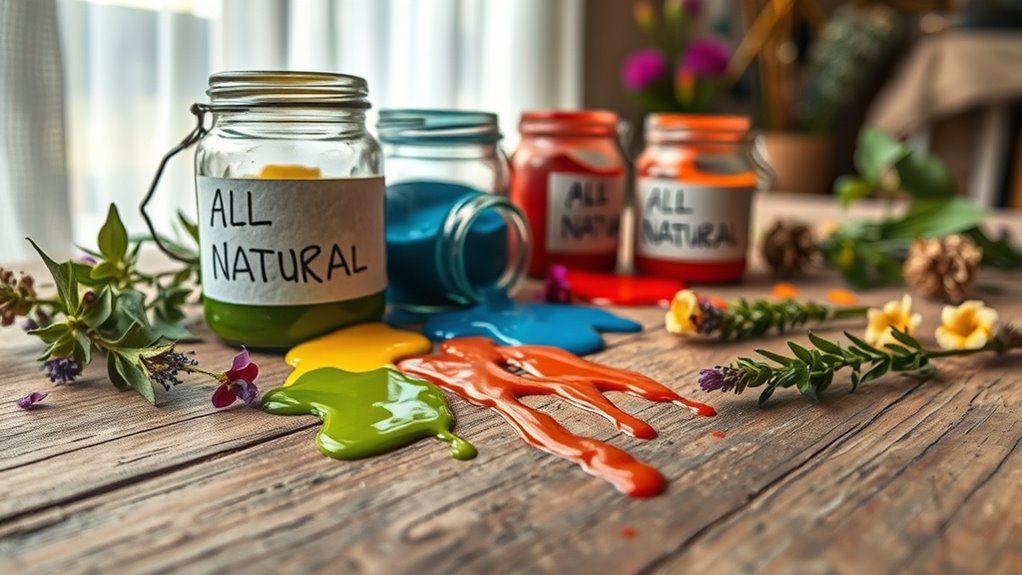
Many products marketed as “all-natural” can still contain hidden chemicals that pose health risks. These additives and preservatives often aren’t clearly listed, making ingredient transparency vital for chemical safety. Manufacturers might label their products as natural without disclosing every ingredient, leading you to believe they’re completely safe. Common hidden chemicals include artificial fragrances, dyes, or preservatives that can cause allergic reactions or other health issues. To protect yourself, always read labels carefully and seek out brands that prioritize ingredient transparency. Just because a product is labeled “natural” doesn’t guarantee it’s free from potentially harmful chemicals. Being vigilant helps you make informed choices and guarantees your craft supplies are truly safe for you and your family.
Why Certification Doesn’t Always Guarantee Safety
Certifications can be helpful indicators, but they don’t always guarantee a product’s safety. Many people hold chemical misconceptions, believing that a label or badge ensures the product is completely safe. However, certification processes can have labeling pitfalls, such as outdated standards or narrow testing scopes. Some certifications focus on specific chemicals or criteria, leaving other potentially harmful substances unchecked. Additionally, manufacturers may meet certification requirements without considering all safety aspects, especially long-term effects. Just because a product bears a certification doesn’t mean it’s free from risky chemicals or safe for your specific needs. Always read beyond the badge, ask questions, and stay informed about what certifications actually verify. Relying solely on certification can give a false sense of security.
The Limitations of Ingredient Labels
Ingredient labels can be misleading because they often don’t tell the whole story about what’s in a craft product. Many labels lack transparency, hiding certain ingredients or using vague terms like “fragrance” or “natural” that don’t reveal specifics. This affects your ability to judge label accuracy and assess safety. Manufacturers might omit or downplay potentially harmful components, even if they are present in small amounts. Relying solely on ingredient labels can give a false sense of security, making you think a product is non-toxic when it might contain hidden chemicals. To truly understand what you’re working with, you need to look beyond the label, seek out transparency from brands, and educate yourself on common ingredients that can be misleading or problematic.
The Role of Processing and Manufacturing in Safety
Processing and manufacturing methods play a essential role in determining the safety of craft products, often more so than the ingredients themselves. During manufacturing, synthetic additives can be introduced or omitted, profoundly affecting the final product’s safety. For example, certain manufacturing processes may involve chemicals or heat treatments that alter or degrade natural components, creating new risks. Even if a raw material appears safe, improper manufacturing can introduce hazards. Understanding these processes helps you recognize that “natural” labels don’t guarantee safety. The way a product is processed can eliminate harmful substances or, conversely, introduce toxins. Consequently, scrutinizing manufacturing methods is fundamental for ensuring craft supplies are genuinely non-toxic and safe for use, regardless of their ingredient lists or “natural” claims.
How to Identify Truly Safer Crafting Materials

To identify truly safer crafting materials, you should start by reading labels carefully to understand what’s included. Look for certification standards that verify safety and non-toxicity, such as ASTM or ECO labels. These steps help guarantee you’re choosing products that are genuinely safer for you and the environment.
Read Labels Carefully
Ever wonder how to tell if your crafting supplies are truly safe? One key step is reading labels carefully. Many eco friendly myths circulate, but ingredient transparency is essential to verify safety. Look beyond catchy claims like “natural” or “non-toxic” and check ingredient lists for unfamiliar chemicals. Reputable brands often list ingredients clearly, helping you avoid hidden toxins. Be cautious of vague terms that can mask harmful substances. Educate yourself on common toxic ingredients to spot red flags. Remember, just because a product claims to be eco-friendly doesn’t mean it’s free from questionable chemicals. By scrutinizing labels and demanding ingredient transparency, you can make smarter choices and ensure your crafting remains safe and enjoyable.
Seek Certification Standards
While reading labels is important, verifying certification standards provides a more reliable way to identify truly safe crafting materials. Look for products with organic certification, which ensures the materials meet strict safety and environmental criteria. Certification bodies like USDA Organic or Organic Content Standard verify that the ingredients are grown and processed without harmful chemicals. Additionally, check for adherence to recognized safety standards, such as ASTM or CE markings, which indicate the product has been tested for safety and quality. These certifications help you avoid misleading claims and ensure you’re choosing genuinely safer options. Remember, a product labeled “natural” isn’t always certified, so confirming certification standards gives you confidence in the safety and authenticity of your crafting supplies.
The Importance of Proper Usage and Ventilation

Proper usage and good ventilation are essential to guarantee that non-toxic crafting remains safe and enjoyable. Ventilation importance can’t be overstated, as it helps disperse any fumes or dust that may still be present even in non-toxic materials. Always follow usage precautions, such as working in well-ventilated areas and avoiding prolonged exposure. Read labels carefully to understand recommended safety measures, including proper handling and storage. Using tools or substances improperly can compromise their safety, so stay alert and adhere to instructions. If you’re working with powders, adhesives, or paints, ensure airflow is sufficient to prevent buildup. By prioritizing proper usage and maintaining good ventilation, you minimize risks and enjoy crafting with peace of mind.
Making Informed Choices Beyond Marketing Buzzwords
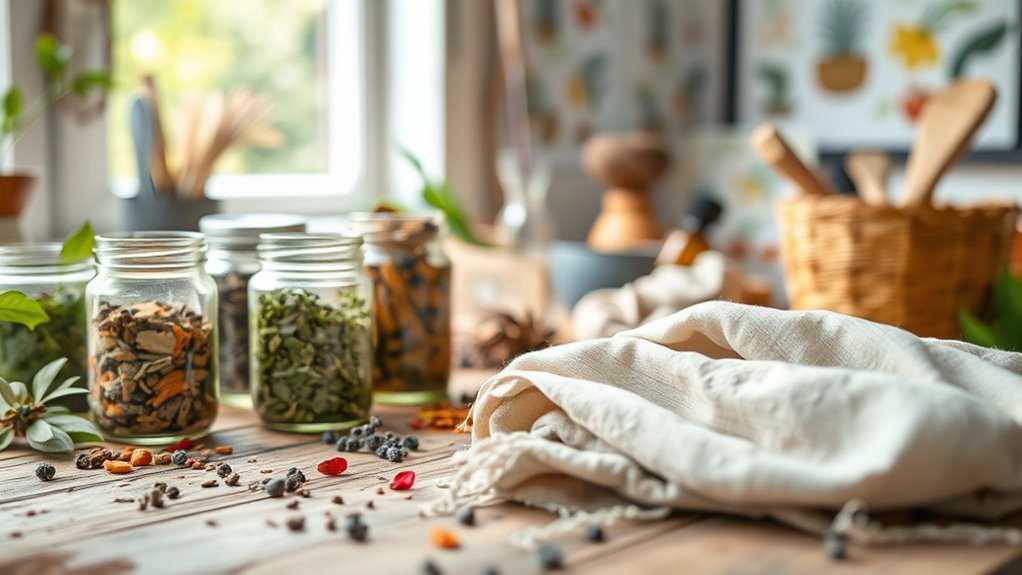
Many products labeled as “non-toxic” can be misleading, making it essential to look beyond marketing buzzwords and verify their safety. You should scrutinize ingredients and do your research, especially since some items contain synthetic alternatives or chemical additives that aren’t obvious. To make informed choices, consider these points:
Many “non-toxic” labels can be misleading; always verify ingredients and research brands thoroughly.
- Read ingredient lists carefully, avoiding vague terms like “fragrance” or “preservatives.”
- Research brands’ transparency about their manufacturing processes and ingredient sourcing.
- Be cautious of products claiming “natural” but containing synthetic alternatives or chemical additives.
- Prioritize products with certifications or third-party testing to guarantee safety standards are met.
Frequently Asked Questions
Are Homemade or DIY Craft Supplies Safer Than Store-Bought Options?
Homemade or DIY craft supplies can be safer than store-bought options if you prioritize organic certification and ingredient transparency. When you choose ingredients you prepare yourself, you control what goes in, reducing exposure to harmful chemicals. However, it’s vital to research and verify that your homemade ingredients are genuinely safe and free from toxins. Always read labels and opt for certified organic products to guarantee your DIY crafts stay truly non-toxic.
Can Natural Ingredients Still Cause Allergic Reactions or Sensitivities?
Natural ingredients can still trigger allergenic responses or ingredient sensitivities, proving that what’s natural isn’t always safe. While they’re often seen as gentler, some plants, herbs, or essential oils may cause reactions in sensitive individuals. Think of it like a double-edged sword: natural isn’t foolproof. You should always test new ingredients on a small skin patch and stay aware of any symptoms to protect yourself from unexpected sensitivities.
Do “Eco-Friendly” Labels Always Mean the Product Is Non-Toxic?
No, “eco-friendly” labels don’t always mean the product is non-toxic. You should check the label accuracy and certification standards, as some brands use vague or unverified claims. Look for reputable certifications that verify safety and environmental impact. Just because a product claims to be eco-friendly doesn’t guarantee it’s free from harmful chemicals, so always do your research to guarantee it meets your non-toxic standards.
How Do Manufacturing Processes Impact the Safety of Natural Craft Materials?
Think of natural craft materials as a delicate garden. Processing methods act like careful pruning, shaping the safety and quality of your materials. If manufacturing involves harsh chemicals or inconsistent ingredient purity, it’s like introducing weeds and pests into your garden, risking your safety. To protect your creative sanctuary, choose suppliers who prioritize gentle processing and high ingredient purity, ensuring your craft remains a safe, beautiful sanctuary rather than a hidden hazard.
Are There Reliable Independent Tests to Verify Craft Supply Safety Claims?
Yes, there are reliable independent tests available to verify craft supply safety claims. You should look for certifications from third-party organizations that conduct independent testing, such as ASTM or OEKO-TEX. These organizations verify safety and non-toxicity through rigorous safety verification processes. Always check if the product has undergone independent testing, ensuring the supply meets safety standards and isn’t just marketing hype about being “natural” or “non-toxic.”
Conclusion
So, next time you see “natural” or “non-toxic” on your craft supplies, remember it’s more marketing than medicine. Don’t be fooled by shiny labels—your creativity deserves real safety, not just clever buzzwords. Read the fine print, do your research, and don’t assume that “all-natural” means harmless. Because in the end, your craft room shouldn’t be a toxic wasteland—unless you’re aiming for that vintage, “distressed” look. Stay informed, stay safe, and keep crafting wisely.