
TL;DR
Multiple UK water providers have introduced hosepipe bans to manage water shortages caused by prolonged dry weather. The bans impact millions and are part of emergency measures to prevent water supply failures.
Several water companies across the UK have announced hosepipe bans starting immediately, affecting millions of households and businesses. The measures are in response to severe drought conditions and declining reservoir levels, aiming to conserve water and prevent supply disruptions.

Get business pricing on tools and workshop supplies
- Business-only prices and quantity discounts
- Tax-exempt purchasing
- Multiple users, one account, clear invoices
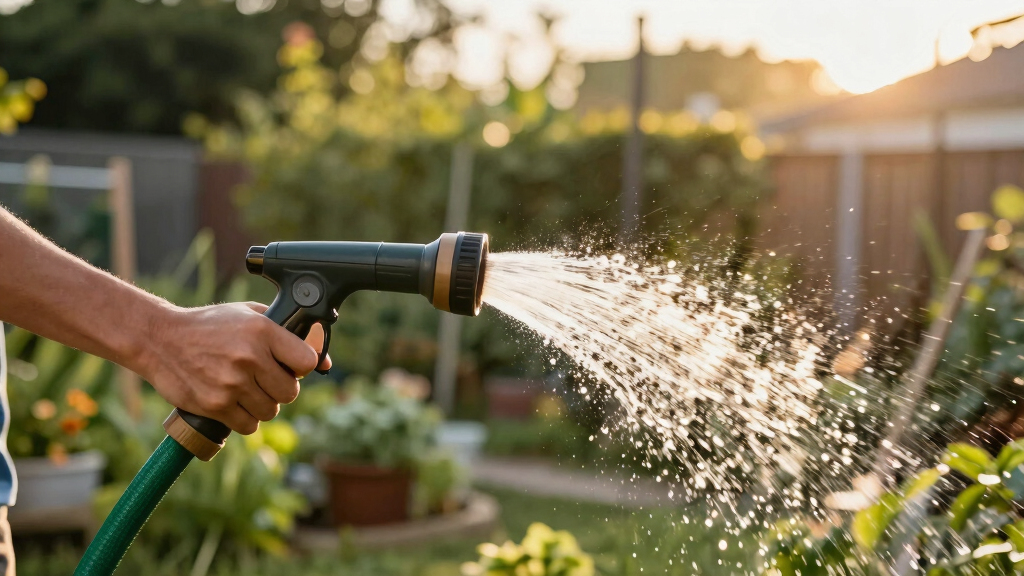
Water companies such as Anglian Water and Affinity Water have confirmed the implementation of hosepipe bans effective from April 2024. The bans prohibit the use of hoses for watering gardens, cleaning vehicles, and other non-essential water uses. These restrictions are part of emergency measures triggered by persistent dry weather and low rainfall, which have led to reservoirs reaching critically low levels.
The bans affect millions of households across regions including eastern England and parts of southern England. Officials warn that failure to comply could result in fines or other penalties, as authorities seek to manage water demand during the crisis.
Impacts of Hosepipe Bans on Water Security and Daily Life
The introduction of hosepipe bans highlights the severity of the ongoing drought and underscores the importance of water conservation. These measures aim to prevent water shortages and potential supply failures, which could have widespread consequences for households, agriculture, and industry. The bans also signal increasing pressure on water resources amid changing climate patterns, prompting discussions on long-term management strategies.Popular right now

Dyson V15 Detect Cordless Vacuum

Roborock Q7 M5+ Robot Vacuum and Mop

Dyson V9 Motorbar Cordless Vacuum
As an affiliate, we earn on qualifying purchases.
Recent Drought Conditions and Water Management Measures
Britain has experienced an unusually dry winter and spring, leading to critically low reservoir levels in several regions. According to the Environment Agency, rainfall has been below average for the past six months, exacerbating water scarcity issues. Water companies have previously implemented restrictions during past droughts, but the current measures are among the most widespread in recent years.
Authorities have issued appeals for water conservation and have increased public awareness campaigns. Some regions had previously faced localized restrictions, but the current bans are more extensive, affecting millions of residents and multiple water supply zones.
“We are implementing hosepipe bans to protect water supplies during this unprecedented drought. We urge customers to comply and use water responsibly.”
— Anglian Water spokesperson
Uncertainties About Duration and Scope of Restrictions
It is not yet clear how long the hosepipe bans will remain in place, as they depend on weather conditions and reservoir recovery. Some officials suggest restrictions could last until significant rainfall replenishes water supplies, but specific timelines have not been confirmed.
Additionally, the full geographic scope of the bans may expand if drought conditions worsen or if other water companies decide to implement similar measures.
Monitoring Weather and Reservoir Levels for Policy Adjustments
Authorities will continue to monitor weather forecasts and reservoir levels closely. If rainfall improves, restrictions may be eased; if conditions worsen, additional measures could be introduced. Water companies are also expected to ramp up public awareness campaigns to encourage water-saving behaviors.
Further updates are anticipated in the coming weeks, with officials emphasizing the need for ongoing conservation efforts and preparedness for potential extended restrictions.
Key Questions
How long will the hosepipe bans last?
The duration depends on weather conditions and reservoir levels. Officials have not specified an end date, but restrictions could remain until significant rainfall occurs.
Who is affected by the hosepipe bans?
The bans apply to households and businesses served by affected water companies, including regions in eastern and southern England.
What activities are banned under the hosepipe restrictions?
Using hoses to water gardens, wash cars, fill ponds, or clean driveways is prohibited during the ban period.
Are there penalties for violating the bans?
Yes, violations can result in fines or other enforcement actions, as authorities seek compliance to conserve water.
Could restrictions be extended or expanded?
Yes, if drought conditions worsen or reservoir levels decline further, additional restrictions or wider geographical bans may be implemented.
Source: google-trends