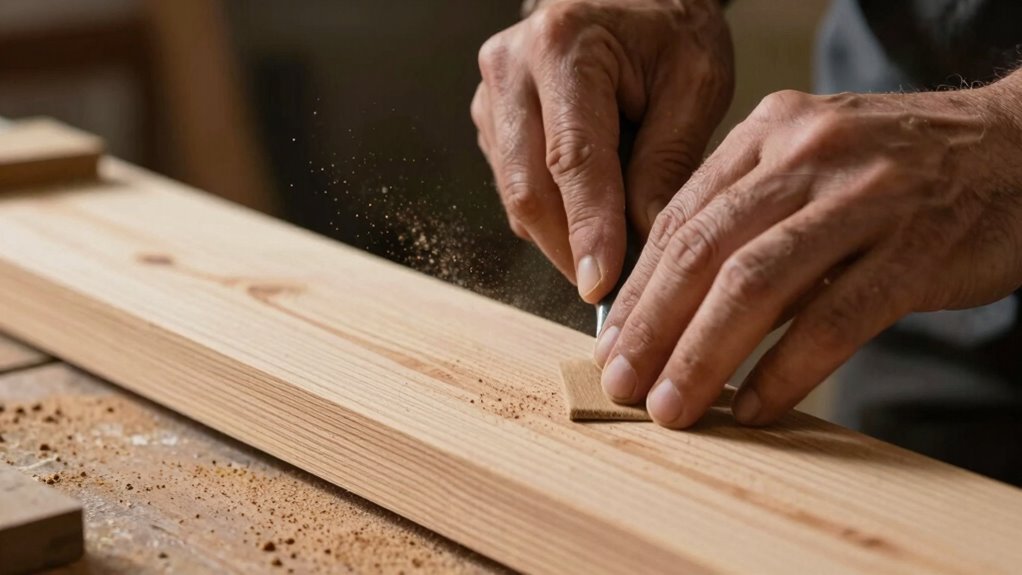

Many crafters overlook invisible dust, but it can cause serious health problems like inflammation, bronchitis, and long-term lung damage. Tiny particles from materials like wood shavings, acrylics, or pigments easily bypass your nasal defenses and settle deep in your lungs. To stay safe, use proper ventilation, wear effective masks, and keep your workspace clean. Ignoring these dangers puts your health at risk—stick with us to discover how to protect yourself better.
Key Takeaways
- Invisible craft dust contains tiny particles under 10 micrometers that can deeply penetrate lungs and cause serious health issues.
- Prolonged inhalation of unseen dust can lead to chronic respiratory conditions like bronchitis, asthma, and COPD.
- Regular cleaning, proper ventilation, and the use of respirator masks are essential to prevent dust accumulation and exposure.
- Dust behavior depends on airflow and environmental factors, making it difficult to detect without proper safety measures.
- Ignoring invisible dust risks can cause irreversible lung damage and long-term occupational health problems.
dust mask for woodworking
As an affiliate, we earn on qualifying purchases.
As an affiliate, we earn on qualifying purchases.
The Hidden Dangers of Craft Dust

While craft dust might seem harmless because it’s invisible to the naked eye, it poses serious health risks. These tiny airborne particles can easily become inhaled, leading to dust exposure that often goes unnoticed. Breathing in these microscopic particles can irritate your respiratory system, causing coughing, wheezing, or even longer-term issues like asthma or lung damage. Many crafters underestimate the danger because they can’t see the dust floating in the air. Over time, continuous dust exposure accumulates, increasing health risks. Even brief inhalation of airborne particles can have immediate effects, especially if you’re working in poorly ventilated spaces. Proper ventilation techniques are essential to minimize inhalation of hazardous dust particles and protect your health while enjoying your craft projects. Using personal protective equipment like masks can further reduce the risk of inhaling dangerous dust. Recognizing dust exposure hazards is crucial for maintaining a safe crafting environment and preventing long-term health problems. Additionally, understanding dust filtration systems can help create a safer workspace by effectively trapping microscopic particles before they become airborne. Implementing air purification devices can also significantly reduce airborne dust levels and improve overall air quality in your workspace.
air purifier for craft room
As an affiliate, we earn on qualifying purchases.
As an affiliate, we earn on qualifying purchases.
Common Materials That Generate Fine Particles

Many common craft materials are actually significant sources of fine, airborne particles that can easily become inhaled. Wood shavings from carving or sanding release tiny dust particles that linger in the air, posing inhalation risks. Acrylic powders, used in resin art or nail enhancements, generate fine particles when mixed or poured, which can stay suspended. Other materials like chalks, glitter, and certain pigments also produce hazardous dust. These particles are often invisible and can penetrate deep into your lungs, increasing health risks over time. Being aware of these materials helps you take precautions. Additionally, airborne particle size plays a crucial role in determining how deeply these particles can penetrate into the respiratory system. Knowing the particle characteristics of various craft substances enables better protection measures. For instance, understanding the dust particle size distribution can help in selecting appropriate masks and ventilation systems. Proper ventilation practices are essential to disperse these particles and reduce inhalation exposure during crafting activities. Recognizing the importance of dust management techniques can further mitigate health hazards and improve safety in your workspace.
respirator mask for acrylic dust
As an affiliate, we earn on qualifying purchases.
As an affiliate, we earn on qualifying purchases.
How Dust Affects Respiratory Health

Inhaling fine craft dust can silently harm your respiratory system over time. These airborne particles are small enough to bypass your nose and throat, reaching deep into your lungs. Continuous exposure to these respiratory hazards can cause inflammation, bronchitis, and even long-term conditions like COPD. You might not notice immediate symptoms, but the damage accumulates. Fine dust irritates the delicate linings of your airways, reducing lung capacity and making breathing more difficult. Over time, your body struggles to clear these particles, increasing the risk of infections and chronic respiratory issues. Protecting yourself from inhaling airborne particles is essential. Proper ventilation, masks, and regular cleaning help minimize dust exposure, safeguarding your respiratory health against unseen but dangerous craft dust. Understanding airborne particle size can help you better appreciate how these tiny contaminants penetrate deep into your respiratory system. Additionally, awareness of respiratory health risks emphasizes the importance of preventive measures to reduce long-term health impacts. Implementing effective dust control methods can significantly reduce your exposure and promote better long-term respiratory well-being. Recognizing the importance of vetted safety products can further enhance your protection efforts. Being aware of dust particle behavior can help you develop more targeted strategies to limit inhalation of harmful dust.
dust extraction vacuum for crafts
As an affiliate, we earn on qualifying purchases.
As an affiliate, we earn on qualifying purchases.
The Science Behind Invisible Particles

Invisible craft dust particles are incredibly small, often less than 10 micrometers in diameter, making them difficult to see with the naked eye. Their tiny size affects how they behave in the air, drifting unpredictably and lingering longer than larger particles. Because of their behavior, effective air filtration becomes essential to capture these invisible threats. Proper filtration plays a critical role in reducing airborne dust exposure by trapping even the tiniest particles that escape basic filters. The air filtration systems designed for craft environments use specialized media to effectively trap these minuscule particles, ensuring cleaner air quality. Particle size influences how dust moves and settles. Small particles can bypass basic filters. Air filtration systems use specialized media to trap tiny particles. Particle behavior impacts ventilation efficiency. Proper filtration reduces airborne dust exposure. Understanding these science principles helps you recognize why visible dust isn’t the only concern. Invisible particles can circulate unnoticed, emphasizing the importance of advanced filtration systems in craft environments. Recognizing the impact of particle behavior helps in choosing the right filtration methods to maintain a safe and healthy workspace. Additionally, research shows that particle behavior is influenced by environmental factors such as airflow and humidity, which can either help disperse or settle dust particles more quickly.
Recognizing Symptoms of Dust-Related Health Issues

Since tiny dust particles can linger unnoticed in the air, you might not realize they’re affecting your health until symptoms appear. You may notice allergy symptoms like sneezing, congestion, or a runny nose that seem out of the ordinary. Eye irritation is also common, causing redness, itching, or a gritty feeling that worsens after working in dusty environments. Breathing issues, such as shortness of breath or coughing, can develop over time if dust exposure continues. Pay attention to persistent discomfort or new sensitivities, especially if you’re working in poorly ventilated spaces. Recognizing these early signs helps you take action before health problems worsen. Since invisible dust particles can accumulate in poorly ventilated spaces, it’s especially important to be vigilant about symptoms. Proper dust control measures can significantly reduce health risks associated with dust exposure. Additionally, understanding the long-term health effects of dust inhalation can motivate proactive prevention. If you experience these symptoms regularly, it’s a sign dust might be impacting your well-being more than you realize.
Best Practices for Dust Prevention During Projects

To effectively prevent dust from becoming a health hazard during your projects, it’s essential to implement practical control measures from the start. Incorporate effective dust collection systems to capture airborne particles at the source. Follow strict safety protocols to minimize dust dispersion and exposure. Keep work areas well-ventilated to reduce dust buildup. Regularly clean surfaces to prevent dust accumulation. Use barriers or plastic sheeting to contain dust during cutting or sanding. Additionally, utilizing specialized dust control equipment can significantly enhance safety and efficiency. These steps help protect your health and maintain a safer workspace. Prioritizing dust prevention supports long-term well-being and ensures compliance with safety standards. Remember, proactive measures are more effective than dealing with health issues later. Stay vigilant and committed to best practices for dust prevention during all your projects.
Essential Safety Equipment for Crafting Spaces
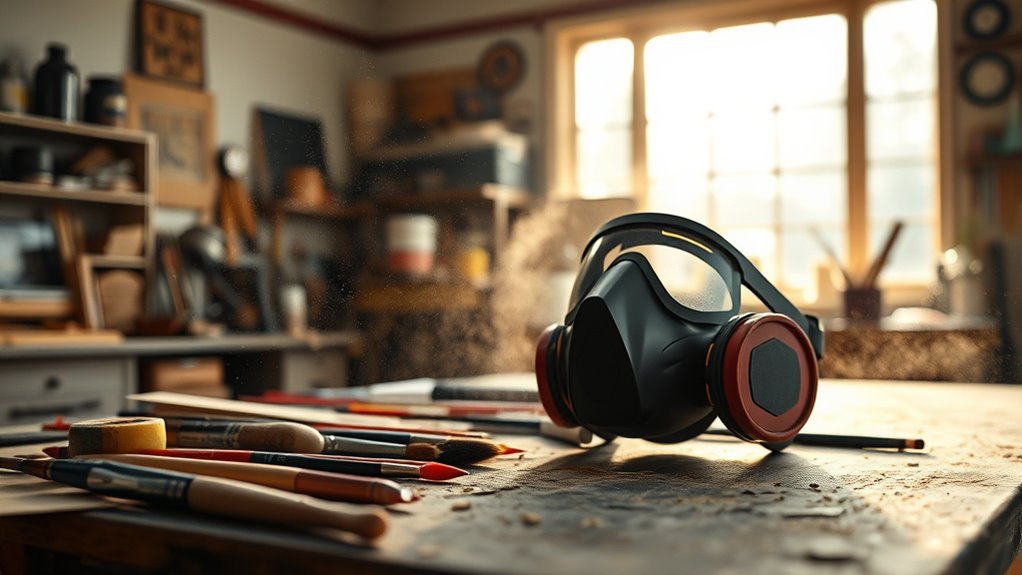
Maintaining a safe crafting environment requires more than just good practices; it also depends on having the right safety equipment in place. Personal protective equipment (PPE) is essential to shield you from invisible dust particles and potential hazards. Always review material safety data sheets to understand specific risks associated with your materials. Key safety gear includes masks, gloves, and eye protection. Proper PPE minimizes exposure and prevents health issues from dust inhalation. Here’s a quick overview:
| Equipment | Purpose | Usage Tip |
|---|---|---|
| Respirator Mask | Filters airborne dust | Ensure a snug fit for effectiveness |
| Safety Goggles | Protects eyes from debris | Use whenever cutting or sanding |
| Gloves | Prevents skin contact | Choose appropriate material for your project |
Investing in quality safety equipment keeps you safe while crafting.
Proper Ventilation Techniques to Reduce Dust Exposure
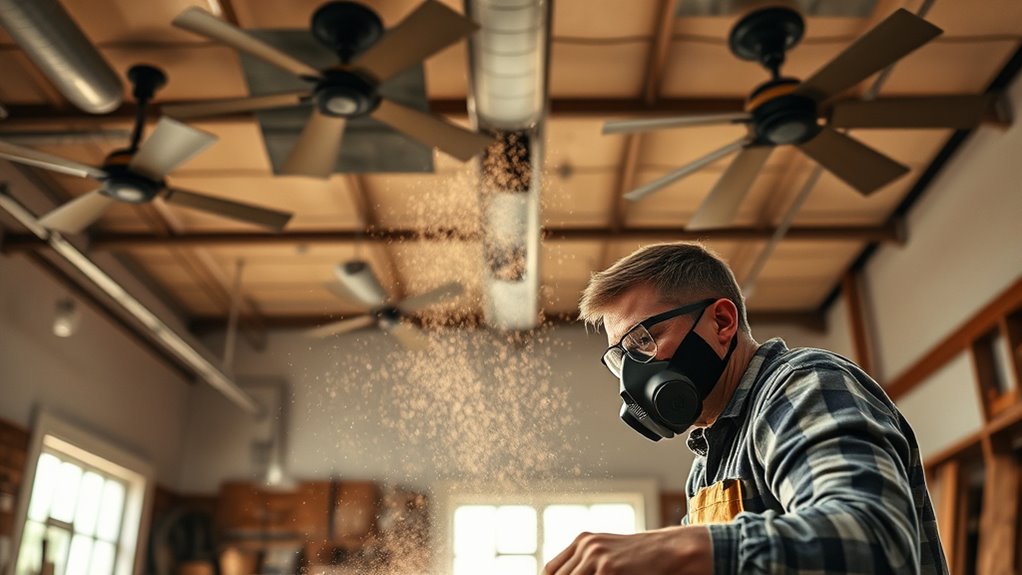
To effectively diminish dust exposure, you need a well-designed ventilation system that directs air properly. Position exhaust vents strategically to capture dust at its source and keep it from spreading. Regularly maintaining and inspecting your ventilation setup ensures it stays efficient and safe over time.
Effective Ventilation System Design
An effectively designed ventilation system is essential for minimizing dust exposure in your workspace. To achieve this, focus on airflow enhancement, ensuring air moves efficiently to capture dust at its source. Incorporate high-quality filtration systems to trap fine particles before they circulate. Properly sized ducts and vents help maintain consistent airflow, reducing dead zones where dust can settle. Regular maintenance of filters and fans keeps the system running at peak performance. Consider the layout of your workspace to maximize dust removal and prevent re-circulation.
- Use variable speed fans for better airflow control
- Install local exhaust vents near dust sources
- Seal gaps to prevent leaks and improve efficiency
- Select filters rated for fine dust particles
- Monitor airflow levels regularly for optimal operation
Proper Exhaust Placement Strategies
Proper exhaust placement is crucial for effectively capturing dust at its source and preventing it from dispersing throughout your workspace. To optimize airflow, position exhausts close to dust-generating tools, aiming to pull dust directly into the system. High or poorly placed vents allow dust to settle or spread, reducing efficiency. Use strategic placement to enhance airflow and dust capture. Consider this table for guidance:
| Exhaust Placement Strategy | Key Benefit |
|---|---|
| Close to dust source | Maximizes dust capture |
| Upstream of airflow | Prevents dust from spreading |
| Low and directed airflow | Enhances dust removal |
Optimal exhaust placement ensures airflow works for you, not against you, reducing airborne dust and improving overall safety.
Regular Maintenance and Inspection
Regularly inspecting and maintaining your ventilation systems is essential for ensuring they function effectively and keep dust levels safe. Proper maintenance includes checking ductwork for blockages, ensuring filters are clean, and verifying fans operate correctly. Regularly calibrate tools to prevent excess dust from improper cuts or sanding. Keep your storage organized so dust isn’t disturbed when retrieving equipment. Also, schedule routine inspections to identify wear or damage early. Well-maintained systems reduce airborne dust, protecting your health and improving work quality. Don’t forget to document inspections and maintenance tasks to track performance over time. By staying proactive with ventilation upkeep, you minimize dust exposure and create a safer, cleaner workspace. Proper maintenance isn’t a one-time task—it’s a continuous effort to safeguard your craft.
Cleaning and Maintenance Tips to Minimize Dust Accumulation
To keep dust from building up in your workspace, focus on consistent cleaning routines that target high-traffic and dust-prone areas. Use air filtration systems to trap airborne dust particles and reduce overall dust levels. Set up dust barriers around workstations to contain dust spread and simplify cleanup. Regularly wipe surfaces with damp cloths to prevent dust from settling. Schedule deep cleans for vent filters and hard-to-reach spots. Maintain equipment properly to avoid dust dispersal.
| Cleaning Tips | Maintenance Strategies |
|---|---|
| Use air filtration units regularly | Check and replace filters promptly |
| Install dust barriers around work areas | Clean surfaces with damp cloths |
| Wipe high-touch surfaces often | Inspect and seal dust-prone areas |
| Schedule routine deep cleanings | Keep ventilation systems in top shape |
Long-Term Health Impacts of Ignoring Dust Safety
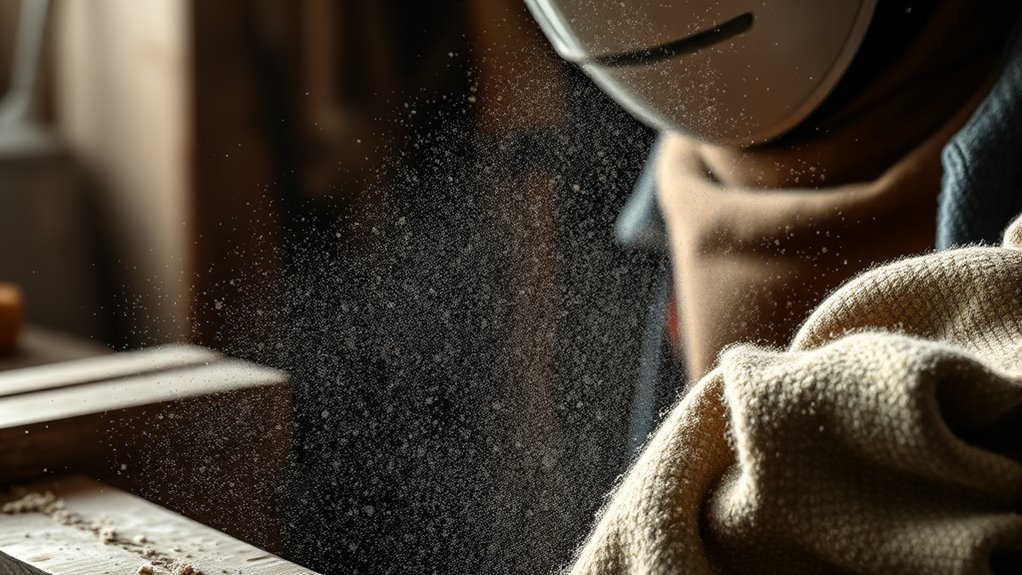
Ignoring dust safety can have serious long-term health consequences that often go unnoticed until symptoms become severe. Chronic exposure to dust particles can lead to persistent health issues, affecting your lungs and overall well-being. Over time, you might develop conditions like asthma, bronchitis, or even more severe respiratory diseases. These health problems develop gradually, making them easy to overlook until they become debilitating. Long-term health impacts can also include reduced lung function and increased vulnerability to infections. Protecting yourself now prevents future suffering. Keep in mind these risks:
- Development of chronic respiratory conditions
- Reduced lung capacity over time
- Increased risk of lung infections
- Potential for irreversible lung damage
- Elevated chances of developing occupational asthma
Frequently Asked Questions
How Can I Detect Invisible Dust Particles in My Workspace?
To detect invisible dust particles in your workspace, you should use air quality monitoring devices equipped with dust particle sensors. These sensors actively measure tiny airborne particles, giving you real-time data on air cleanliness. Regularly check your sensors and maintain them properly. By monitoring air quality consistently, you can identify dust levels, guarantee a safer environment, and take proactive steps to improve ventilation or clean more effectively.
Are There Specific Materials More Hazardous Than Others for Dust Inhalation?
Think of materials as silent predators; some pose more danger than others. You find that materials with high toxicity and tiny dust particle size, like certain woods or metals, are far more hazardous when inhaled. These tiny particles slip past masks and detectors, lurking unseen. Always check material safety data sheets, wear proper respirators, and make certain good ventilation. Your lungs deserve protection from the sneakiest threats that invisible dust can bring.
What Are the Long-Term Health Risks for Hobby Crafters?
You might not realize it, but long-term health risks for hobby crafters include respiratory issues, lung damage, and allergies from dust accumulation. Over time, inhaling fine particles can cause chronic conditions like asthma or even more severe lung diseases. To stay safe, you should practice health monitoring regularly and make sure proper ventilation and dust control are maintained. Taking these precautions helps protect your lungs and overall health during your crafting projects.
Can Regular Cleaning Eliminate All Invisible Dust Particles?
Regular cleaning helps reduce visible dust but won’t eliminate all invisible dust particles, including harmful dust mites. Using an air purifier with a HEPA filter can trap tiny particles and improve air quality. Be sure to vacuum thoroughly and wash surfaces frequently to minimize dust buildup. Combining these methods offers the best protection, helping you breathe cleaner air and reduce long-term health risks associated with dust exposure.
How Often Should I Replace or Upgrade Safety Equipment?
You should replace or upgrade your safety equipment regularly, just like changing the oil in your car to keep it running smoothly. Typically, safety gear lifespan varies; for example, respirators may need replacement every 6 months to a year. Regular equipment maintenance is key—inspect for wear and tear, and don’t wait until it’s too late. Staying proactive guarantees your protection remains effective and your workspace stays safe.
Conclusion
Ignoring craft dust might seem harmless, but it quietly puts your health at risk. You might think it’s just a bit of nuisance, but long-term exposure can lead to serious respiratory issues. Don’t let complacency blind you to the danger. Taking simple safety steps protects not just your projects but your future well-being. Your passion shouldn’t come at the cost of your health—act now, before it’s too late.