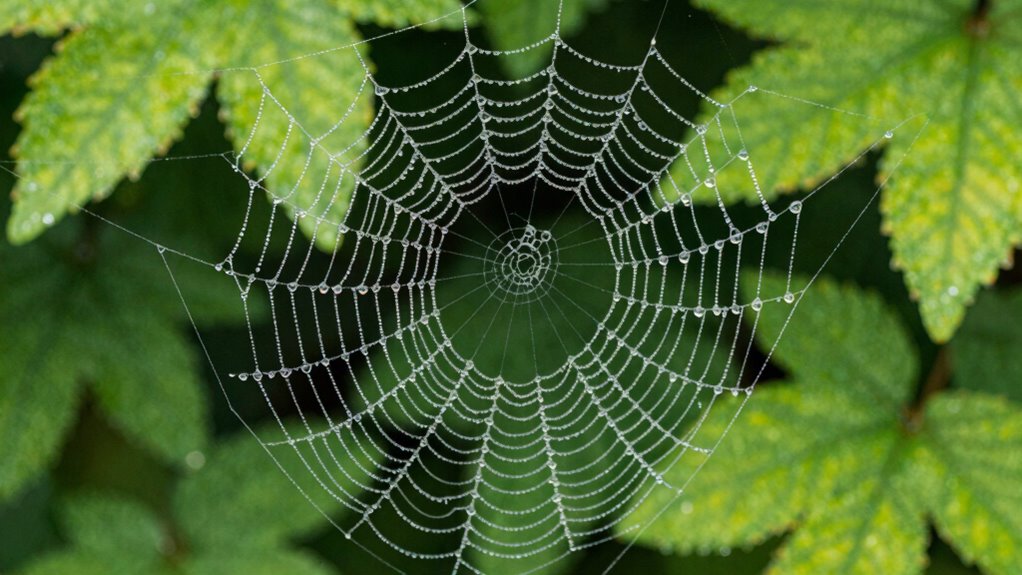

Using a macro lens changes your craft photography more than you expect because it reveals tiny textures, flaws, and subtle color differences that are usually invisible. It allows you to highlight details like stitches, grains, or brushstrokes, transforming simple snapshots into engaging artwork. Proper lighting and composition become essential, helping you emphasize craftsmanship and realism. Keep exploring how this powerful tool can open new perspectives and elevate your craft images to stunning levels.

Get business pricing on tools and workshop supplies
- Business-only prices and quantity discounts
- Tax-exempt purchasing
- Multiple users, one account, clear invoices
Key Takeaways
- A macro lens captures intricate textures and tiny flaws invisible to the naked eye, elevating craft detail visibility.
- It enables precise focus on small features, revealing craftsmanship nuances and enhancing visual storytelling.
- Macro photography emphasizes lighting techniques that highlight material textures and subtle color shifts.
- It allows for creative composition and framing, emphasizing craftsmanship and intimate details.
- Using a macro lens challenges traditional perspectives, unlocking new ways to appreciate and showcase craftsmanship.
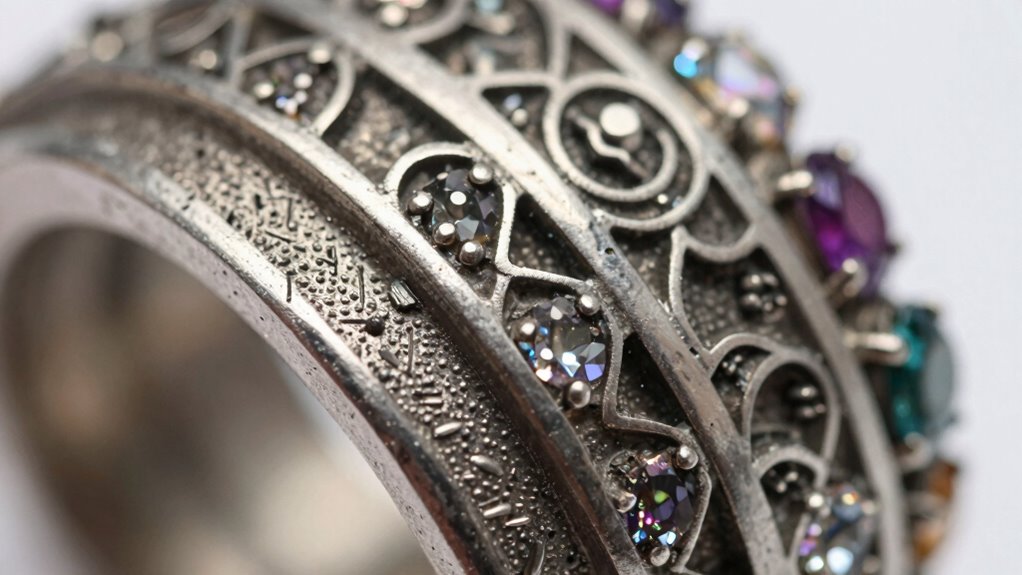
Have you ever marveled at the intricate details of a tiny craft project or a delicate handmade jewelry piece? That sense of wonder often comes from capturing the fine craftsmanship that’s invisible to the naked eye. When you switch to a macro lens, it’s like unlocking a new universe—suddenly, you see every minute texture, tiny flaw, or subtle color shift in stunning clarity. This lens doesn’t just magnify; it transforms how you approach craft photography by elevating your focus on lighting techniques and composition strategies.
Using a macro lens means you have to rethink your lighting. Small details are highly sensitive to shadows and glare, so you’ll want to experiment with diffused light sources. Soft, even lighting helps reveal the texture of materials without creating harsh reflections that can distract or obscure detail. Sometimes, a simple ring light or a lightbox is enough, but more advanced setups might include reflectors or bounce cards to fill in shadows subtly. Proper lighting ensures your subject’s intricacies are highlighted, making your photos more engaging and true to life.
Composition strategies become even more critical with macro photography. You need to carefully frame your shot to emphasize the craft’s finest features—whether that’s the tiny stitches on embroidery, the subtle grain of a wooden bead, or the sparkle of a gemstone. Using a shallow depth of field helps isolate the subject from the background, drawing attention exactly where you want it. Pay close attention to angles and framing: a slight tilt or close-up can reveal surprising textures or details that might go unnoticed otherwise. Cluttered backgrounds can detract from your subject, so a clean or intentionally blurred backdrop often works best.
A macro lens also pushes you to think about how your subject is positioned within the frame. Sometimes, filling the frame with the craft detail creates a sense of intimacy and allows viewers to appreciate craftsmanship up close. Other times, including surrounding elements provides context, telling a story about the process or materials involved. The key lies in experimenting with different compositions to find what best showcases your craft’s unique qualities.
Ultimately, a macro lens doesn’t just give you a closer look—it compels you to refine your lighting techniques and develop new composition strategies. It challenges you to see craft in a different light, revealing details that can transform your photography from simple documentation to stunning art. Embracing these changes unlocks a deeper appreciation for craftsmanship and elevates your craft photography to a level you might not have imagined before. Recognizing the importance of lighting techniques can make all the difference in capturing the fine details effectively.
Popular right now

Roborock RockNeo Q110H Wire-Free Robot Lawn Mower

Ninja CREAMi 7-in-1 Ice Cream Maker, NC301

iRobot Roomba Max 715 Pet Robot Vacuum with AutoEmpty Dock
As an affiliate, we earn on qualifying purchases.
Frequently Asked Questions
Can I Use a Macro Lens for Portrait Photography?
Yes, you can use a macro lens for portrait photography. Its lens versatility allows you to capture stunning close-up details, creating unique, creative compositions that stand out. While macro lenses excel at capturing fine textures, they can also produce beautiful portraits with a shallow depth of field. Experimenting with different focal lengths and focusing techniques helps you leverage the macro lens’s potential, adding a fresh perspective to your portrait work.
What Is the Best Aperture Setting for Macro Craft Shots?
You should set your aperture to a small f-number, like f/2.8 or f/4, for macro craft shots to achieve a shallow depth of field, making your details pop. If you want more of your craft in focus, opt for a larger f-number, like f/8 or f/11, increasing the depth of field. Adjusting your aperture settings lets you balance focus and background blur, enhancing your craft photography’s impact.
How Do I Stabilize My Camera for Close-Up Shots?
To stabilize your camera for close-up shots, rely on tripod stability whenever possible. A sturdy tripod minimizes camera shake and keeps your shot sharp. When handheld, use your body as a brace by tucking your elbows in and pressing your camera against your face. Practice slow, controlled breathing and gently press the shutter to reduce movement. Combining these handheld techniques with a stable tripod markedly improves your macro craft photos.
Are Macro Lenses Suitable for Outdoor Craft Photography?
Yes, macro lenses are perfect for outdoor craft photography because they let you capture stunning details of nature textures and hidden details. You’ll love how they bring out the intricate patterns on leaves, flowers, or handcrafted items. Just guarantee your camera stays steady to get sharp images, especially in natural light. With a macro lens outdoors, you can explore and showcase the fine craftsmanship and natural beauty like never before.
What Lighting Techniques Work Best With Macro Craft Photography?
Think of your lighting as the brushstroke that brings your macro craft photos to life. Diffused lighting works best, softening harsh shadows and highlighting intricate details. Experiment with backlighting techniques to create stunning silhouettes and emphasize textures. Using a light diffuser or shooting during overcast days helps achieve even, gentle illumination, making your craft pieces pop with clarity and depth, turning simple shots into mesmerizing close-ups.
Conclusion
Incorporating a macro lens into your craft photography can transform your perspective, revealing intricate details you never noticed before. Studies show that macro shots can increase viewer engagement by up to 60%, highlighting their visual impact. So, next time you pick up your camera, remember that a simple lens change can reveal a new world of craftsmanship and creativity. Embrace the close-up magic—your craft deserves those stunning, detailed captures that only a macro lens can provide.