
If your bookbinding projects feel stiff and awkward, it’s often because you’ve used materials or techniques that don’t quite fit. Improper tension during sewing, misaligned covers, or choosing thick, inflexible papers can make pages hard to turn and the overall feel uncomfortable. Not preparing materials properly or mismatching covers and papers also causes tension and stiffness. Stick with consistent methods and suitable materials, and you’ll find your next project will come together more smoothly—there’s more to discover that can help.

Get business pricing on tools and workshop supplies
- Business-only prices and quantity discounts
- Tax-exempt purchasing
- Multiple users, one account, clear invoices
Key Takeaways
- Improper tension during sewing can cause pages to be stiff and difficult to turn.
- Using overly thick or inflexible materials reduces flexibility and makes the book feel awkward.
- Failing to score folds or condition covers increases stiffness and hampers smooth handling.
- Mismatched materials and binding techniques create tension, leading to an uncomfortable, stiff final product.
- Poor material preparation and selection can compromise the book’s flexibility and overall feel.
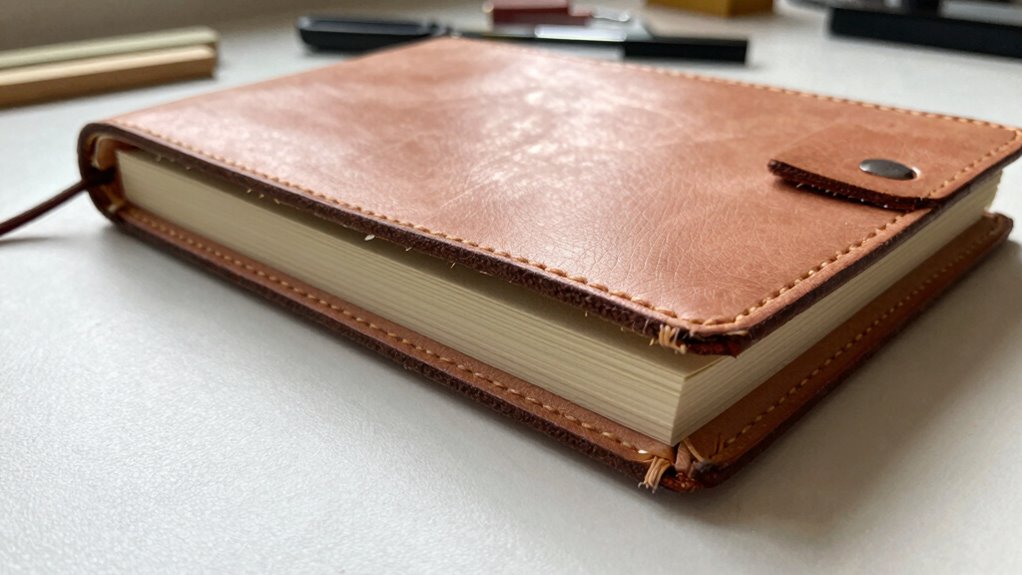
If your bookbinding projects feel stiff and awkward, you’re not alone. Many beginners struggle with achieving that smooth, professional feel, and often, the root of the problem lies in the binding techniques and material choices you make early on. When you’re just starting, it’s easy to overlook how these factors influence the final product. The way you handle binding techniques directly impacts the flexibility and durability of your book. Rigid or improper techniques can make pages feel stiff, while loose or inconsistent methods can cause the binding to feel awkward and unstable. For example, if you don’t apply enough tension when sewing signatures or don’t align your cover properly, the book can end up with uneven or tight sections that hinder opening and closing smoothly.
Proper binding techniques and material choices are key to achieving a smooth, professional, and flexible book.
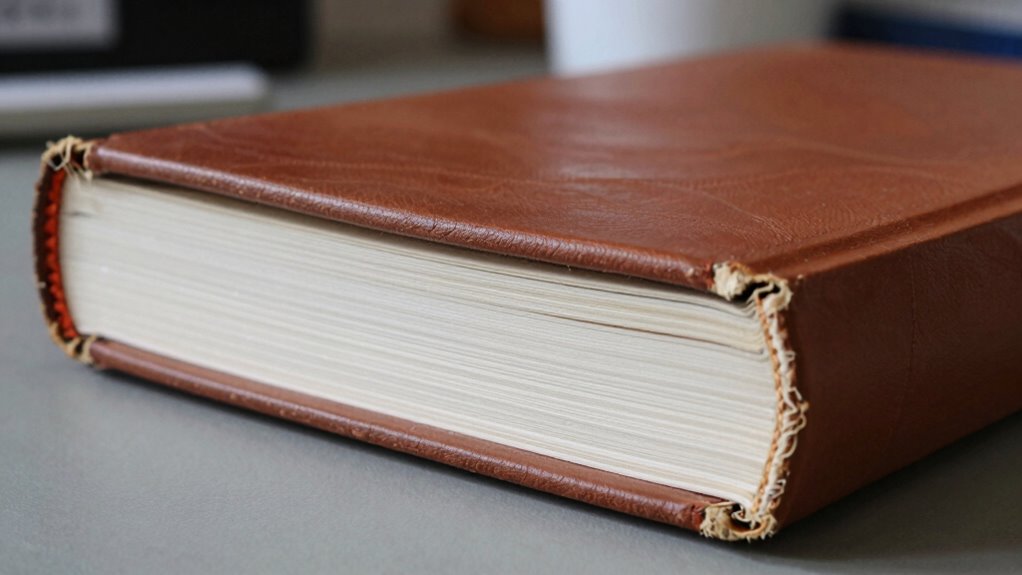
Material choices also play an essential role in how your project turns out. Using stiff or overly thick paper for pages, or choosing covers made from heavy, inflexible materials, can make the finished book feel cumbersome and uncomfortable to handle. Conversely, opting for flexible, lightweight materials can improve the overall feel and functionality of your book. It’s vital to select papers that have some natural give, especially for pages, so they can bend and turn easily without resistance. Similarly, the covers should strike a balance between sturdiness and pliability. If your cover material is too rigid or thick, it can prevent the book from opening fully, making it feel stiff when you try to use it.
Another common mistake is not considering the sizing and compatibility of your materials. For example, using a cover material that’s too stiff relative to your binding method can cause tension and stress on the binding joints, leading to awkwardness. Also, ignoring the importance of preparing your materials properly—such as scoring folds or conditioning leather covers—can cause stiffness and make the entire project feel less refined. Properly preparing your materials by conditioning leather or scoring folds can significantly improve flexibility and ease of assembly. Additionally, understanding the importance of material flexibility can help you select the right components to ensure a smooth, natural feel when handling your finished book. Paying attention to material compatibility ensures that all components work harmoniously, reducing stress on the binding. Being mindful of material properties helps in choosing the best options for your specific project, ultimately leading to better results.
In essence, the stiffness and awkwardness you notice often come down to how well you’ve chosen your materials and executed your binding techniques. When you pay attention to these details, you’ll gradually craft books that are not only structurally sound but also pleasant to handle. Remember, each project is a learning experience, and refining your material choices and binding methods will help you create books that feel natural and comfortable in your hands.
As an affiliate, we earn on qualifying purchases.
Frequently Asked Questions
Can Specific Types of Glue Cause Stiffness in Bookbindings?
Yes, specific types of glue can cause stiffness in bookbindings. When you use an adhesive with a very thick or overly sticky consistency, it can prevent the pages from flexing properly, leading to stiffness. Additionally, if you apply too much glue or rush the drying process, the adhesive may dry hard and brittle, making the binding feel stiff and awkward. Choosing the right glue and allowing proper drying time helps maintain flexibility.
How Does Paper Quality Affect the Flexibility of a Finished Book?
Your paper quality directly affects your book’s flexibility. Smooth paper with a fine texture tends to bend better, making your finished book more pliable. Conversely, coarse or thick paper can feel stiff because of its texture and weight. Additionally, paper that absorbs ink poorly might require more glue or adhesive, which can add stiffness. So, choosing a lightweight, smooth paper with good ink absorption helps guarantee your book remains flexible and comfortable to handle.
Are Certain Binding Techniques More Prone to Stiffness?
Sure, certain binding techniques are more prone to stiffness, especially if you crank the binding tension too high or opt for overly rigid cover materials. Techniques like case binding with stiff covers often lead to a stiff, unyielding book that refuses to bend gracefully. If you want a more flexible finish, loosen that tension and choose softer covers. Otherwise, prepare for a book that’s more statue than story.
Does the Age of Materials Impact the Book’s Flexibility?
Yes, the age of materials impacts a book’s flexibility. Historical binding styles often used natural, aged leather or parchment, which tend to stiffen over time. Modern material innovations, however, introduce flexible, durable options that maintain suppleness longer. When you select newer materials, you’ll notice increased flexibility, making your binding projects less stiff. Conversely, older materials may require conditioning or careful handling to restore some suppleness.
Can Environmental Conditions Influence the Stiffness of a Binding?
Have you ever wondered if environmental conditions can make your bookbinding stiff? They definitely can. High environmental humidity can cause the materials to absorb moisture, making the binding less flexible. Conversely, temperature fluctuations can cause expansion and contraction, leading to stiffness or warping. To keep your project flexible, store your books in a stable environment with consistent humidity and temperature, and avoid drastic changes that can compromise their suppleness.
As an affiliate, we earn on qualifying purchases.
Conclusion
To transform stiff, awkward bookbinding into a smooth, satisfying skill, practice is paramount. Embrace errors as essential education, and don’t shy away from experimenting. With patience and perseverance, your projects will become more polished and pleasing. Remember, progress is a process—persistence pays off. So, stay steady, stay inspired, and soon, your bookbinding will brim with beauty and balance, banishing stiffness and awkwardness altogether. Keep creating, and enjoy the journey!
As an affiliate, we earn on qualifying purchases.
As an affiliate, we earn on qualifying purchases.
Halloween Picks
halloween
As an affiliate, we earn on qualifying purchases.