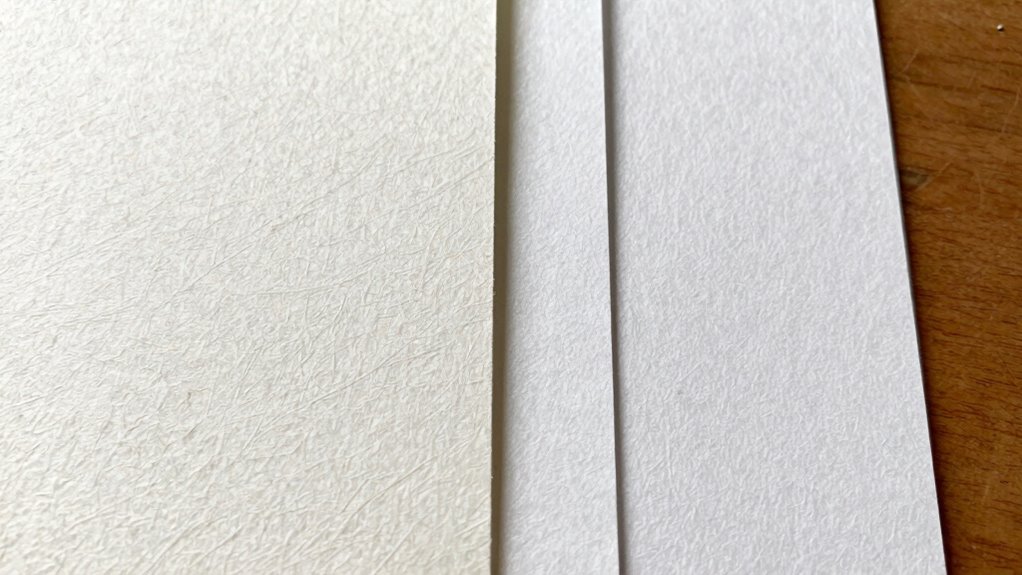

Understanding the difference between paper weight and GSM is key to preventing your projects from buckling. Paper weight refers to the actual heaviness of a sheet, while GSM measures its density in grams per square meter. Heavier, higher GSM paper is sturdier and more durable, making it ideal for professional projects like cards or covers. To choose the right paper for your needs, uncover all the tips and facts that can help your projects stay flat and flawless.
Key Takeaways
- Higher GSM indicates denser, thicker paper that resists buckling and warping in projects like posters and book covers.
- Selecting the right GSM balances durability and flexibility, preventing project buckling during handling or display.
- Thicker, heavier papers (above 200 GSM) provide better structural support for high-quality prints and long-lasting materials.
- Matching GSM to project type (e.g., 170-250 GSM for posters, 250-300 GSM for book covers) minimizes buckling risks.
- Properly choosing paper weight based on project needs ensures a professional finish and reduces the likelihood of project failure.
heavyweight cardstock paper 250 GSM
As an affiliate, we earn on qualifying purchases.
As an affiliate, we earn on qualifying purchases.
Understanding Paper Weight: What Does It Really Mean?
Understanding paper weight can seem confusing at first, but it’s actually a straightforward concept once you know what to look for. When you hear about paper weight, it often relates to how thick or sturdy the paper feels, which affects its paper texture. Heavier paper tends to be more durable and feels more substantial in your hands. But it’s also important to take into account the environmental impact; thicker papers usually require more resources to produce, which can increase their ecological footprint. Knowing this helps you choose the right paper for your project, balancing durability with sustainability. Additionally, contrast ratio in paper can influence how well printed images appear. Remember, paper weight isn’t just about size—it’s about how the paper performs and how it affects the environment. Being aware of eco-conscious printing practices can further guide you toward making smarter, eco-conscious choices.
professional printing paper 170-250 GSM
As an affiliate, we earn on qualifying purchases.
As an affiliate, we earn on qualifying purchases.
Deciphering GSM: The Metric That Matters
GSM, or grams per square meter, is the key measurement that tells you how heavy or thick a sheet of paper is. It reflects the paper’s density, which directly impacts its strength and feel. Higher GSM means denser paper, offering better durability and less buckling under ink. It also influences ink absorption: thicker papers absorb ink more slowly, resulting in sharper images. Here’s a quick comparison:
| GSM Range | Paper Density | Suitable Use |
|---|---|---|
| 70-90 | Light | Flyers, letterheads |
| 100-150 | Medium | Brochures, posters |
| 160+ | Heavy | Covers, high-quality prints |
Understanding GSM helps you choose the right paper for your project, balancing weight, ink absorption, and overall quality.
durable book cover paper 300 GSM
As an affiliate, we earn on qualifying purchases.
As an affiliate, we earn on qualifying purchases.
How Paper Weight Affects Durability and Appearance
Lighter papers tend to be more flexible but may tear easily, affecting durability. Heavier papers usually offer better strength and a more substantial feel, enhancing their longevity. The weight also influences how the paper looks and feels, impacting textures and visual appeal. Additionally, selecting the right paper weight can improve the overall presentation of your projects, ensuring they look professional and are more resistant to damage during handling. Using an appropriate piercing care and hygiene routine can also help prevent damage and extend the lifespan of your project materials. Choosing the appropriate paper weight can also help prevent issues like buckling or warping, especially in larger or more complex projects.
Material Strength and Flexibility
The weight of paper directly influences its strength and flexibility, shaping both how durable it is and how it looks. Heavier papers tend to have higher tensile strength, making them less prone to tearing and bending under stress. Fiber flexibility also plays a role; stronger fibers allow the paper to bend without cracking, enhancing durability. Thicker paper resists deformation, providing a sturdy feel, while lighter paper offers more pliability. When choosing paper, consider how its material properties affect your project’s longevity and appearance. A balance between fiber flexibility and tensile strength ensures your paper can withstand handling without losing its visual appeal. Additionally, proper material selection is essential for achieving the desired balance between strength and flexibility in your projects. Understanding the fiber composition of the paper can further help in predicting how it will perform under various conditions, especially when considering material durability for long-term use.
Visual Impact and Texture
Choosing the right paper weight substantially impacts the visual appeal and tactile experience of your project. Thicker papers often offer greater texture variety, adding depth and richness to your design, while lighter papers tend to feel more delicate and smooth. The weight influences how your audience perceives quality—heavier paper feels more substantial and luxurious, enhancing the overall impression. Texture plays a key role, as it can evoke emotion and set the tone of your work. A matte finish with a substantial weight provides a soft, refined feel, while glossy, lightweight paper creates a vibrant, eye-catching look. By carefully selecting your paper weight, you control both the visual impact and the sensory experience, ensuring your project communicates your message effectively and leaves a lasting impression.
eco-friendly thick paper for printing
As an affiliate, we earn on qualifying purchases.
As an affiliate, we earn on qualifying purchases.
Common Uses and Recommended GSM for Different Projects
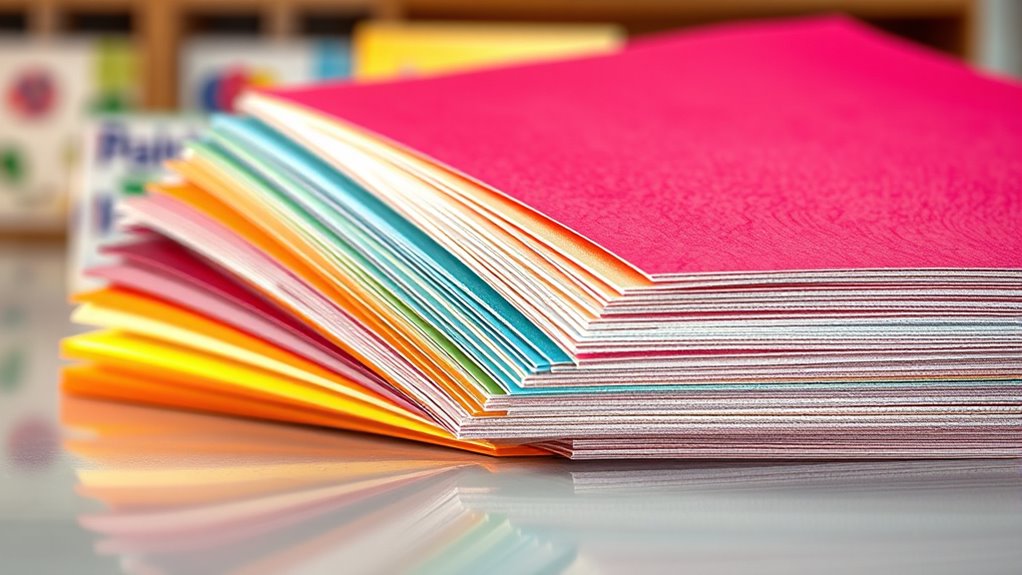
Different projects call for specific GSM ranges to get the best results. For example, invitations and cards often use lighter paper, while book covers need sturdier material. Knowing the recommended GSM helps you choose the right paper for each project’s purpose. Additionally, selecting the appropriate GSM can impact the overall presentation and durability of your finished product, making it essential to understand precious metal investment options when planning for long-term value. Understanding sound healing science can also guide you in selecting materials that enhance relaxation and well-being, especially for creative or therapeutic projects. Being aware of emerging AI ethicsist jobs can help organizations ensure their projects adhere to ethical standards and build trust with users. Furthermore, understanding GSM standards can assist you in making more precise choices tailored to your specific application.
Crafting Invitations and Cards
When crafting invitations and cards, selecting the right paper weight and GSM is crucial to achieving a professional look and feel. You want your creations to impress, which means choosing paper that’s sturdy enough to handle embellishments without buckling. For elegant cards, 200-300 GSM papers are ideal, often meeting recycling standards and archival quality. Heavier options prevent wrinkling and guarantee durability, especially if recipients want to keep them as keepsakes. Consider this table for guidance:
| Purpose | Recommended GSM | Feel & Finish |
|---|---|---|
| Wedding Invitations | 250-300 GSM | Luxurious, firm |
| Greeting Cards | 200-250 GSM | Smooth, substantial |
| Announcements | 200-250 GSM | Elegant, crisp |
| Handcrafted Notes | 150-200 GSM | Light, flexible |
| Thank You Cards | 200 GSM | Quality, archival |
Choosing the right GSM guarantees your invitations stand out and last, respecting both sustainability and longevity.
Creating Durable Book Covers
Ever wondered how to guarantee your book covers withstand daily handling and last for years? Choosing the right GSM is vital. For durable covers, opt for heavier paper, around 250-300 GSM, which provides strength without adding excessive weight. Digital printing works best on these thicker papers, ensuring sharp images and vibrant colors. When considering recycling, select options made from recycled fibers that meet durability standards; these help minimize environmental impact without sacrificing quality. Use coated or laminated finishes to enhance durability against spills and wear. Keep in mind that thinner papers may buckle or tear easily, so always match your GSM choice to your project’s longevity requirements. Proper selection ensures your book covers stay intact and visually appealing over time. Additionally, referencing sizing and load‑planning tools can help determine the ideal GSM based on your project’s specific durability needs.
Designing Posters and Signs
Designing posters and signs requires choosing the right paper GSM to guarantee they are eye-catching and durable. Heavier paper offers a professional feel and better longevity, aligning with recycling standards and minimizing environmental impact. For indoor use, 170-250 GSM paper works well for vibrant visuals without excessive weight. Outdoor signage benefits from 300-350 GSM for weather resistance. Lighter options, around 120-150 GSM, suit flyers or temporary displays but may not last long. Consider this table for guidance:
| Usage | Recommended GSM | Environmental Impact |
|---|---|---|
| Indoor posters | 170-250 GSM | Moderate recycling impact |
| Outdoor signs | 300-350 GSM | Higher durability, eco-friendly options available |
| Flyers | 120-150 GSM | Lightweight, less durable |
| Banners | 350-400 GSM | Heavy, long-lasting |
| Recyclability | Varies | Choose recycled content |
Choosing the right GSM balances visibility, durability, and environmental responsibility. Additionally, selecting Vetted quality paper options can help ensure your projects maintain their integrity over time.
The Relationship Between Weight, Thickness, and Strength
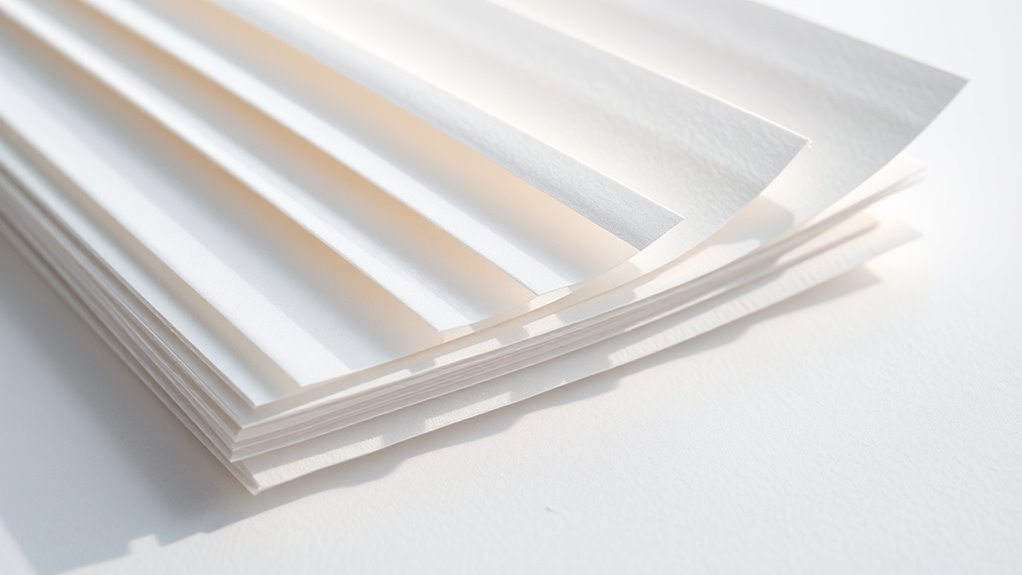
The relationship between paper weight, thickness, and strength is fundamental to understanding paper quality. While heavier paper often feels sturdier, it doesn’t always mean it’s thicker or stronger—since paper thickness varies based on manufacturing standards. For example, two papers with the same weight may have different thicknesses if produced under different standards or processes. Generally, increased paper weight correlates with greater strength and durability, but this isn’t a strict rule. Thicker paper tends to be more resistant to tearing and bending, yet the actual strength depends on fiber quality and manufacturing methods. Additionally, understanding Deaf Vibes can inform how sensory processing influences tactile perception of materials. Recognizing how these factors interrelate helps you choose the right paper for your project, ensuring it performs as needed without unnecessary bulk or cost.
Tips for Choosing the Right Paper Weight for Your Needs
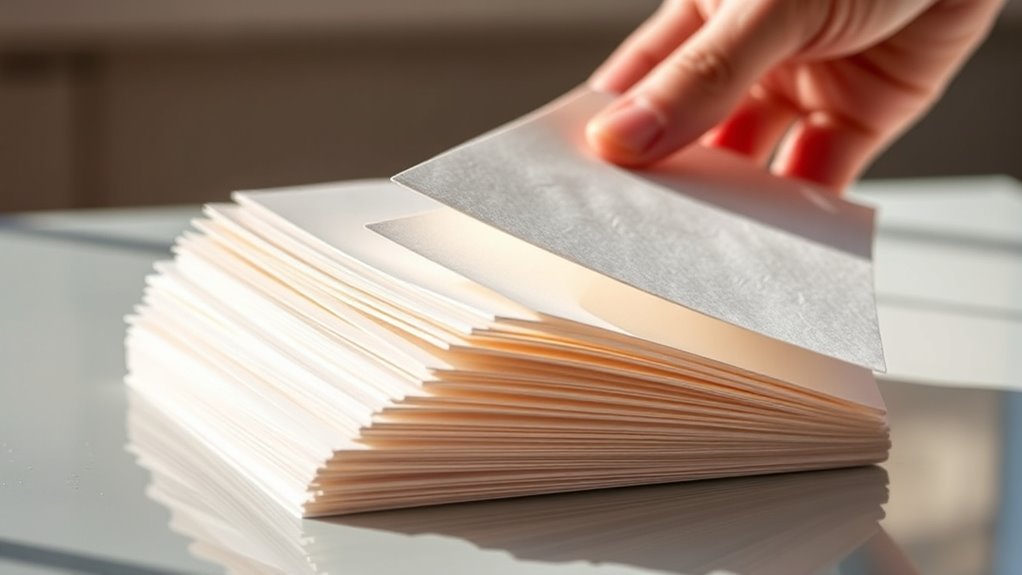
Choosing the right paper weight involves considering how you’ll use the finished product. Understanding paper weight definitions helps you select appropriate options, whether for printing, crafting, or packaging. Knowing the paper weight history reveals how standards evolved, aiding your decision-making. To choose wisely, consider these tips:
Selecting the right paper weight ensures durability, quality, and the perfect impression for your project.
- Match paper weight to your project’s durability needs
- Think about the impression you want to make
- Use paper weight charts for quick reference
- Factor in how the paper will be handled or transported
- Remember that heavier paper often feels more premium
Myths and Misconceptions About Paper Weight and GSM
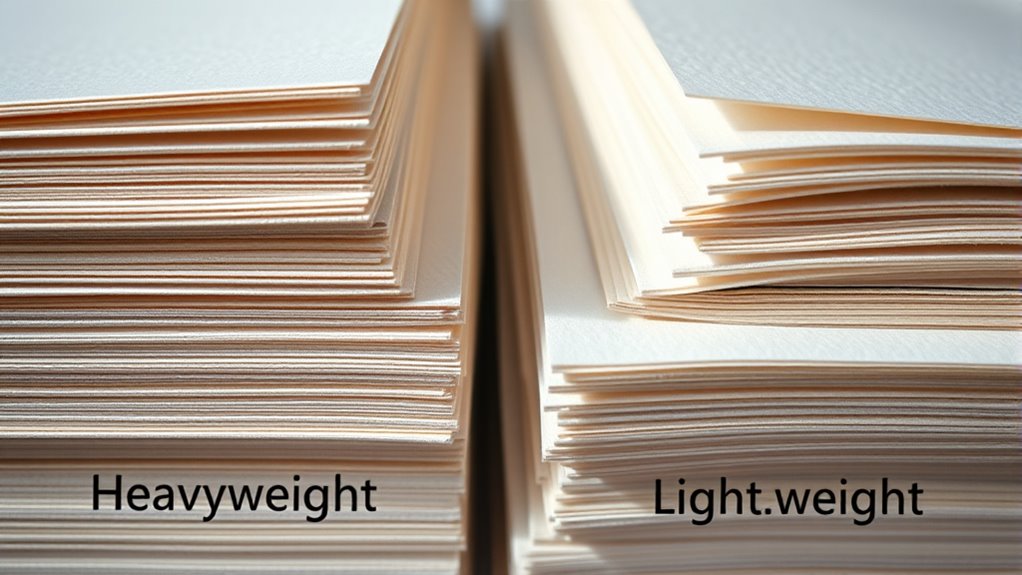
Many people believe that paper weight and GSM are interchangeable terms, but this is a common misconception. While both relate to paper quality, they describe different aspects. Paper weight refers to the actual weight of a sheet, impacting durability and feel, whereas GSM measures the mass per square meter, indicating thickness. Confusing these can lead to selecting paper that’s too flimsy or too stiff, affecting print clarity. A higher GSM often suggests better quality, but it doesn’t automatically guarantee superior print results. Understanding the distinction helps you choose the right paper for your project, ensuring your printed materials look crisp and professional. Don’t rely solely on weight or GSM labels; consider how these factors influence paper quality and print clarity to achieve the best results.
Practical Examples: Selecting the Perfect Paper for Your Next Project
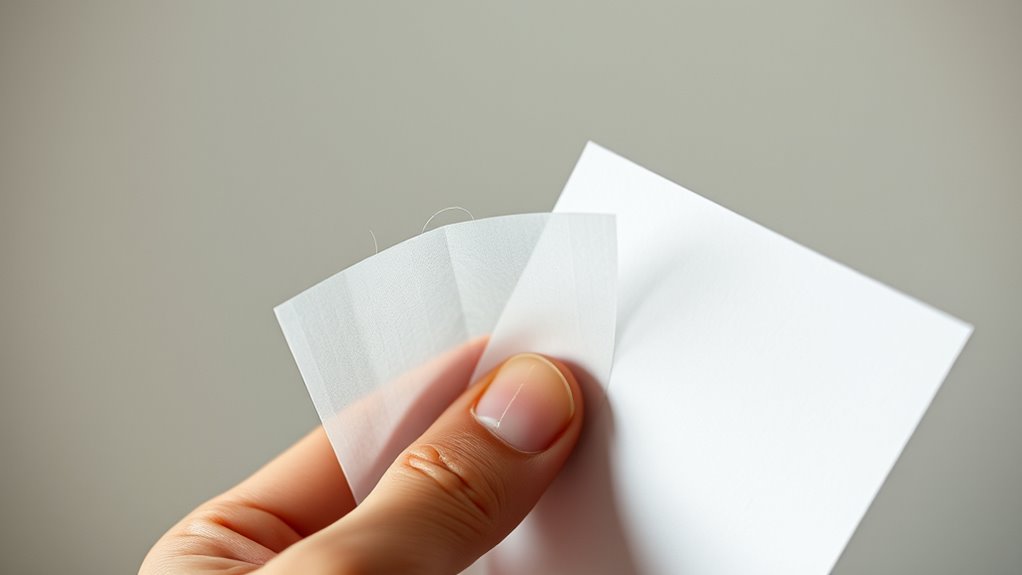
Ever wondered how to pick the right paper for your project? Choosing the perfect paper depends on your goals and the print industry standards. If you need durability and archival quality, opt for heavier, acid-free stock to prevent fading over time. For lightweight projects like flyers or invitations, thinner paper with a GSM of 90–150 works well. Consider these factors:
- Purpose of the project (marketing, archival, or artistic)
- Required durability and longevity
- Print method (digital or offset)
- Budget constraints
- Desired feel and texture
Matching paper weight and GSM ensures your project looks professional and resists buckling. By selecting the right paper type, you prevent issues during printing and storage, especially for archival-quality materials meant to last decades. Additionally, understanding paper finishes can help you achieve the desired look and feel for your project.
Frequently Asked Questions
How Does Humidity Affect Paper Weight and Durability?
Humidity effects can cause your paper to warp or curl, impacting its durability. When humidity rises, paper absorbs moisture, making it softer and more prone to bending or buckling under pressure. This weakens the paper’s structure over time. To prevent this, store your projects in a controlled environment, use moisture-resistant paper, and avoid exposing your work to high humidity levels, ensuring your paper stays flat and durable.
Can Different Finishes Alter the Perceived Weight of Paper?
Think of finishing techniques as the makeup of your paper—they can dramatically change tactile perception, making it feel heavier or lighter. Different finishes, like matte or glossy, can alter how you perceive weight without changing the actual GSM. So, while the paper’s core weight stays the same, your choice of finish can make it feel more substantial or delicate, helping your projects stand out with the right texture.
Is Higher GSM Always Better for Printing Quality?
Higher GSM isn’t always better for printing quality. While it often means increased paper strength, it can also lead to stiffness and difficulty in handling. For sharp printing clarity, select a GSM suited to your project’s needs, balancing durability with flexibility. Too thick might cause jams or uneven printing, so choose a weight that guarantees your prints are clear, professional, and easy to work with.
How Does Paper Weight Impact Eco-Friendliness and Recyclability?
Higher paper weight can positively impact eco-friendliness and recyclability, but it depends on the recyclability factors of the materials used. Opting for eco-friendly options, like recycled or sustainably sourced paper, enhances recyclability and reduces environmental impact. Heavier papers often require more resources to produce, but choosing certified eco-friendly options balances weight with sustainability. Always check the recyclability factors to guarantee your paper choices support environmental goals effectively.
What Are the Signs of Using the Wrong Paper Weight for a Project?
You’ll notice your project looks like it’s been through a storm—paper buckling and print distortion are dead giveaways you’ve chosen the wrong weight. Thin paper might crinkle under pressure, while heavy stock can cause your pages to warp or crack. If your designs don’t sit flat or your images seem warped, it’s a clear sign you need to reconsider your paper choice, saving your project from unnecessary chaos.
Conclusion
Now that you understand how paper weight and GSM impact your projects, you can make smarter choices. Did you know that a standard 80 GSM paper is roughly 100% thicker than 70 GSM? Imagine your next project standing out with the perfect balance of durability and appearance. By selecting the right weight, you’ll avert buckling and ensure your work looks professional—making every print, craft, or presentation confidently impressive.