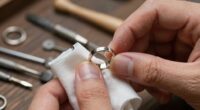
When metal is exposed to air, moisture, and pollutants, it reacts through oxidation, forming a protective patina layer that changes its color. This natural process varies depending on the metal type and environment, creating hues like green, brown, or bluish shades. Over time, this patina adds character and helps protect the metal from further damage. To learn more about why and how these changes happen, explore below.
Key Takeaways
- Patina forms through oxidation and chemical reactions influenced by environmental factors like humidity, pollutants, and temperature.
- Metals react with oxygen to create corrosion layers such as oxides, sulfides, or salts, changing their color and texture.
- Copper develops a green verdigris, while bronze and other alloys produce varying rich hues based on their composition.
- Environmental exposure accelerates patina development, often resulting in unique colors and textures that signify age and authenticity.
- Proper care and surface treatments can slow or alter patina formation, preserving or enhancing its aesthetic qualities over time.
copper patina sculpture
As an affiliate, we earn on qualifying purchases.
As an affiliate, we earn on qualifying purchases.
What Is Patina and How Does It Form?
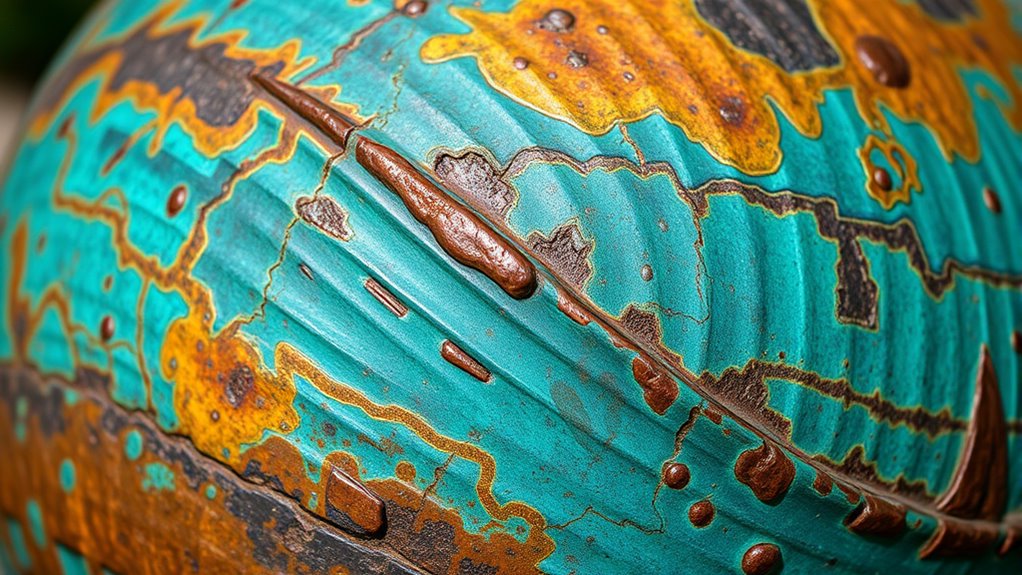
Patina is the natural surface layer that develops on materials like metal, wood, or stone over time. When it forms on metal, it creates unique textures and colors that influence the overall appearance. Metal surface textures change as oxidation and chemical reactions occur, driven by environmental impacts like humidity, air pollution, and exposure to water. These factors accelerate patina development and contribute to its variations. As you observe, the surface begins to darken, green, or bluish hues develop, and textures become more intricate. This process isn’t just cosmetic; it protects the metal underneath from further corrosion. Environmental factors play a crucial role in determining the speed and nature of patina formation, making each piece uniquely affected by its surroundings. The chemical composition of the environment, such as the presence of pollutants or salt, can significantly influence the oxidation process and resulting appearance. Understanding how environmental impacts affect metal surface textures helps you appreciate the beauty and significance of patina as a natural, evolving layer. Additionally, recognizing the environmental impact on patina formation can inform preservation methods for metal objects. Awareness of environmental influences can guide better conservation practices to preserve the integrity of metal surfaces over time. Recognizing the role of environmental conditions can further enhance approaches to maintaining and restoring patinated surfaces.
bronze metal art with natural patina
As an affiliate, we earn on qualifying purchases.
As an affiliate, we earn on qualifying purchases.
The Chemistry Behind Metal Oxidation
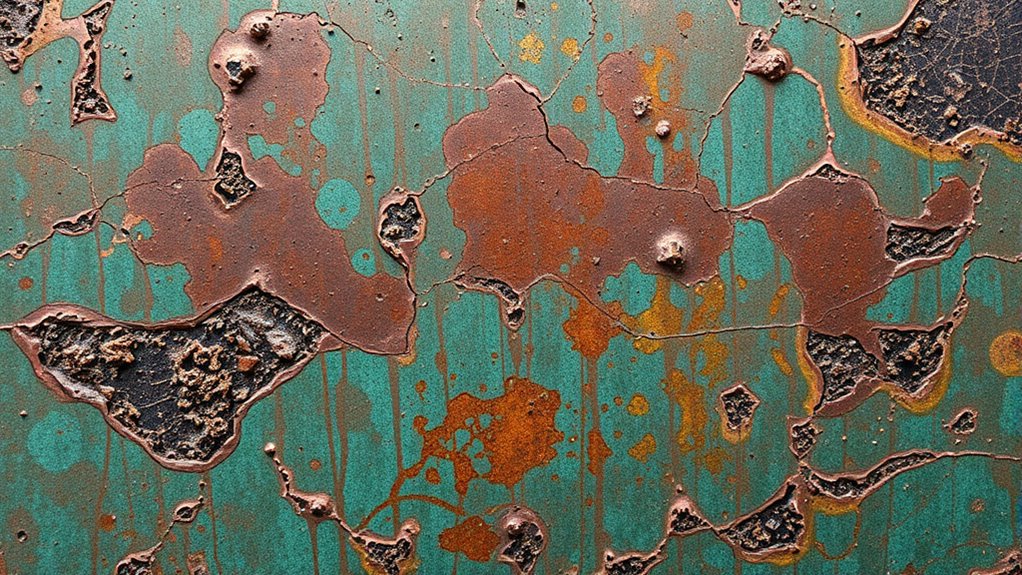
When metals react with oxygen, they undergo an oxidation process that forms a layer of corrosion or patina. The specific reaction depends on the metal’s composition, which influences how quickly and what kind of oxide develops. Understanding these chemical reactions helps you predict and control the aging process of different metals. Regularly checking the integrity of adhesive products can help maintain the appearance and safety of decorative metal pieces over time. Additionally, environmental factors such as humidity and pollutants can accelerate metal oxidation, making it important to monitor and manage storage or display conditions.
Oxidation Reaction Process
Have you ever wondered what causes metals to change color and develop that weathered look? It all comes down to oxidation reaction processes driven by chemical pathways and environmental influences. When metal surfaces are exposed to oxygen, moisture, or pollutants, they undergo chemical reactions that create new compounds like oxides or sulfides. These reactions alter the metal’s surface chemistry, resulting in color changes. The specific color shift depends on the metal type and the chemical compounds formed. Environmental factors such as humidity, acidity, and pollutants accelerate or slow down these reactions, influencing how quickly and vividly the patina develops. Understanding the chemistry behind these processes helps explain why some metals age gracefully, while others change color more rapidly over time. Additionally, the thermal behavior of metals can impact the rate and pattern of oxidation, especially during high-heat outdoor cooking, where temperature fluctuations can influence chemical reactions on metal surfaces. Moreover, factors like oxidation rate can be affected by surface coatings or treatments that either inhibit or promote oxidation. Environmental conditions such as humidity and pollutants play a crucial role in determining the speed and extent of patina formation on metals. Recognizing these chemical pathways can also assist in developing protective coatings to control or enhance the aging process.
Metal Composition Effects
Ever wonder why different metals develop distinct colors and textures as they age? The answer lies in their metal composition. Pure metals like copper or silver react differently than metal alloys, which combine various elements. For example, copper forms a vibrant green patina over time, while alloys like brass develop a warmer hue. The specific elements in a metal alloy influence how easily it oxidizes and its corrosion resistance. Metals with higher corrosion resistance tend to develop slower, more stable patinas, preserving their appearance longer. Additionally, environmental factors such as moisture and pollution can accelerate oxidation processes, further affecting the oxidation rate and overall appearance of metals over time. Recognizing these factors can help in predicting metal aging and choosing appropriate protective measures. The presence of certain elements can also alter the color development process, leading to unique aging patterns.
metal oxidation and patina preservation kit
As an affiliate, we earn on qualifying purchases.
As an affiliate, we earn on qualifying purchases.
Common Metals That Develop Patina
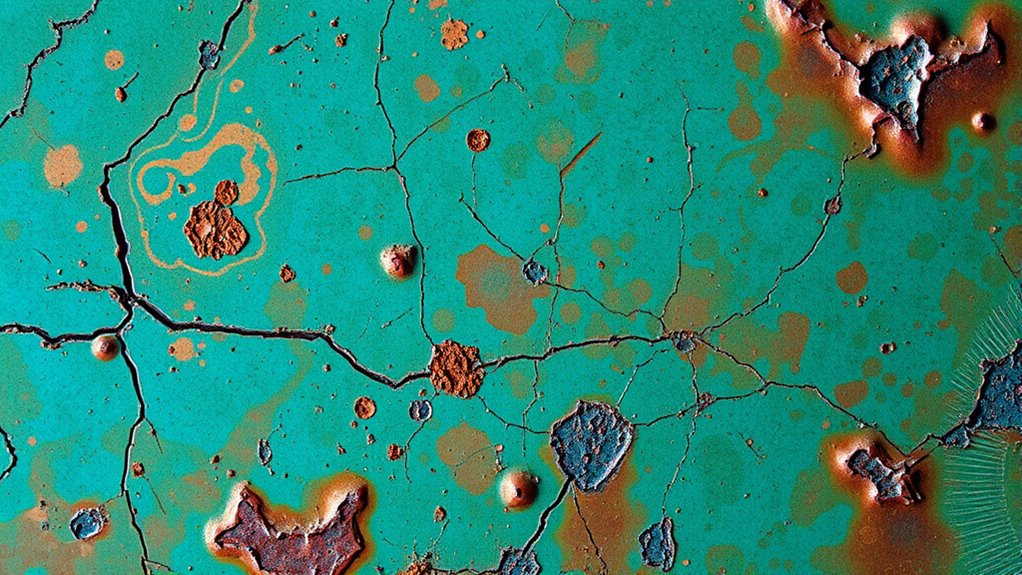
Copper often develops a greenish patina called verdigris, giving it a distinctive aged look. Bronze, on the other hand, takes on a rich chocolate hue as it oxidizes over time. Knowing how these metals change helps you appreciate their unique character and beauty. Additionally, understanding the oxidation process can help you care for and preserve these metals in your steampunk and Victoriana-inspired creations. For example, the rate of patina formation can be influenced by environmental factors, which is important to consider when maintaining outdoor metal artworks. Proper piercing aftercare, including cleaning and avoiding irritants, can also influence how metals age and develop patina over time. Being aware of metal-specific reactions can further assist in selecting the right maintenance techniques to protect your treasured pieces.
Copper and Verdigris
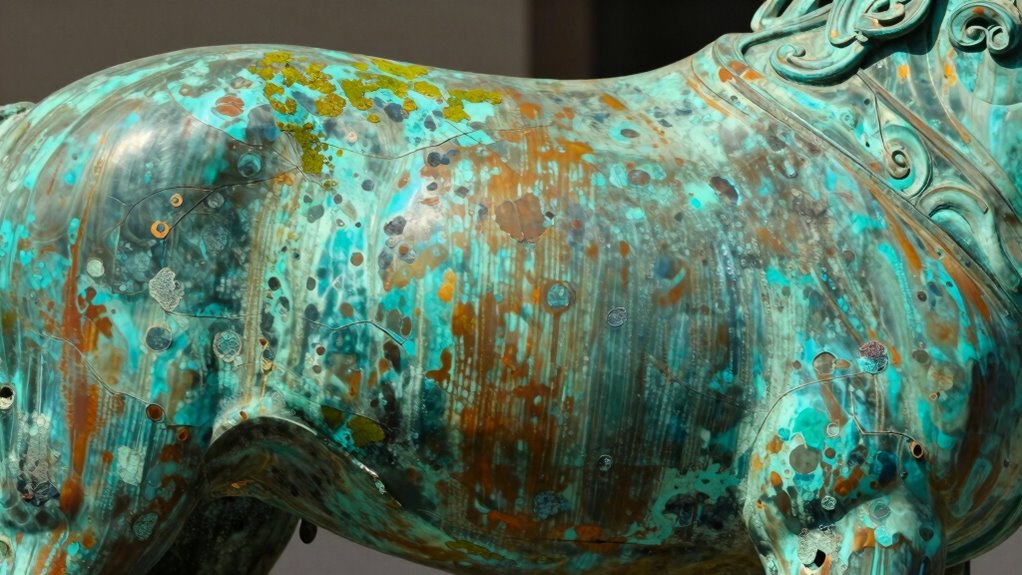
When copper is exposed to the elements, it naturally forms a layer of verdigris, a distinctive greenish patina. This process results from metal corrosion caused by chemical reactions between copper and environmental elements like oxygen, moisture, and pollutants. These reactions produce copper salts, which appear as the characteristic green corrosion on the surface. Verdigris acts as a protective barrier, slowing further corrosion while giving copper its iconic aged look. You’ll notice this patina more quickly in humid or polluted environments, where chemical reactions accelerate. While some see verdigris as unattractive, it actually preserves the metal beneath. Understanding these chemical reactions helps you appreciate why copper changes color over time, transforming from shiny metal to a beautiful, weathered surface. Exploring patina evolution can deepen your understanding of how metals like copper age gracefully over time. Additionally, recognizing how environmental factors influence patina development can help in metal preservation and maintenance.
Bronze and Chocolate Patina
Bronze and other common metals develop a distinctive chocolate or brown patina over time as a natural response to environmental exposure. This aging process creates a rich, warm hue that enhances the metal’s aesthetic value. As the metal reacts with elements like oxygen and moisture, it forms a stable layer of oxides that protect the surface. This patina not only signifies age but also adds character, making each piece unique. The deep brown or chocolate tones can deepen with time, highlighting the metal’s history and craftsmanship. Whether left to develop naturally or intentionally accelerated, this patina boosts the visual appeal of bronze artworks, sculptures, and architectural details. Embracing this aging process allows you to appreciate the beauty of time and the story it tells through the patina’s evolving colors. Additionally, understanding the environmental factors that influence patina formation can help in maintaining or intentionally developing specific color tones.
green verdigris copper jewelry
As an affiliate, we earn on qualifying purchases.
As an affiliate, we earn on qualifying purchases.
Factors Influencing Patina Development
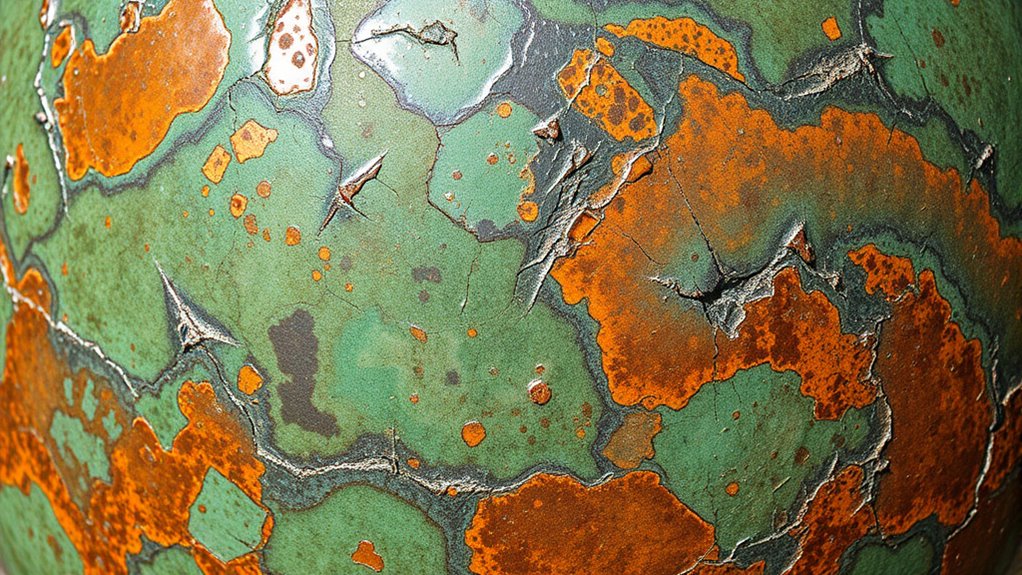
Several factors actively shape the development of patina on metal surfaces. Environmental influences like humidity, temperature, and pollution accelerate or alter discoloration. Surface treatments, such as coatings or sealants, can slow down or modify patina formation. For example, exposure to saltwater often creates vibrant green corrosion, while protective layers can preserve the original metal look. Consider the following factors:
| Factor | Effect on Patina | Example |
|---|---|---|
| Environmental influences | Speed up or change color | Saltwater creating verdigris |
| Surface treatments | Slow or alter patina growth | Clear sealants |
| Air quality | Impacts oxidation process | Pollution causing discoloration |
Artistic and Historical Significance of Patina
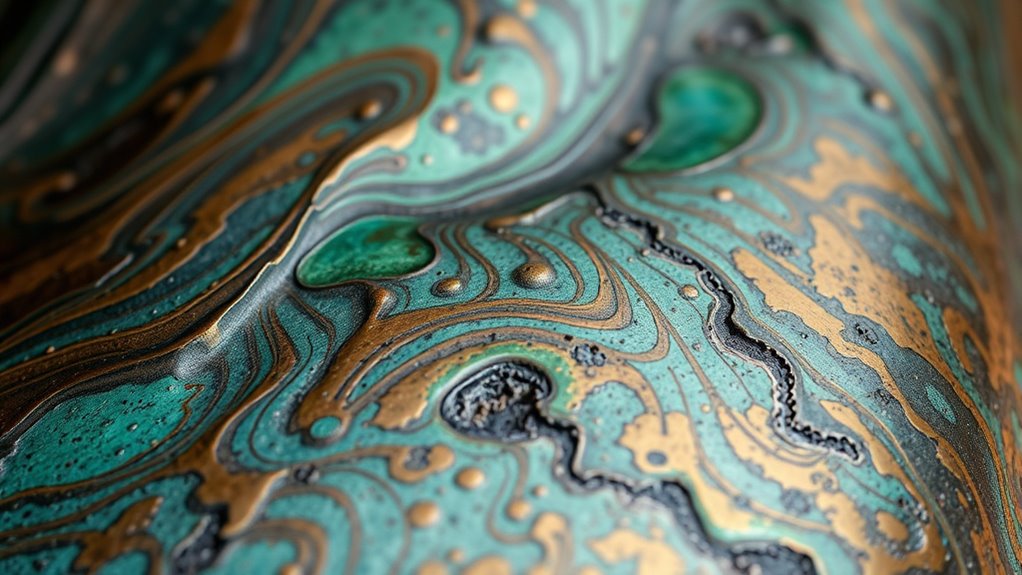
Patina is more than just a colorful surface; it carries a rich tapestry of artistic and historical significance. In historical artifacts, patina reveals stories of age, exposure, and cultural value, making each piece uniquely meaningful. It signals authenticity and age, often increasing the artifact’s value and appeal. For artists, patina offers a form of artistic expression, adding depth, character, and a sense of history to their work. It embodies the passage of time, transforming simple metals into symbols of tradition and craftsmanship. When you see patina on sculptures or antiques, you’re witnessing a visual narrative that connects you with the past. Its presence elevates objects from mere material to treasured artifacts, embodying history, artistry, and human story.
Techniques to Accelerate or Protect Patina
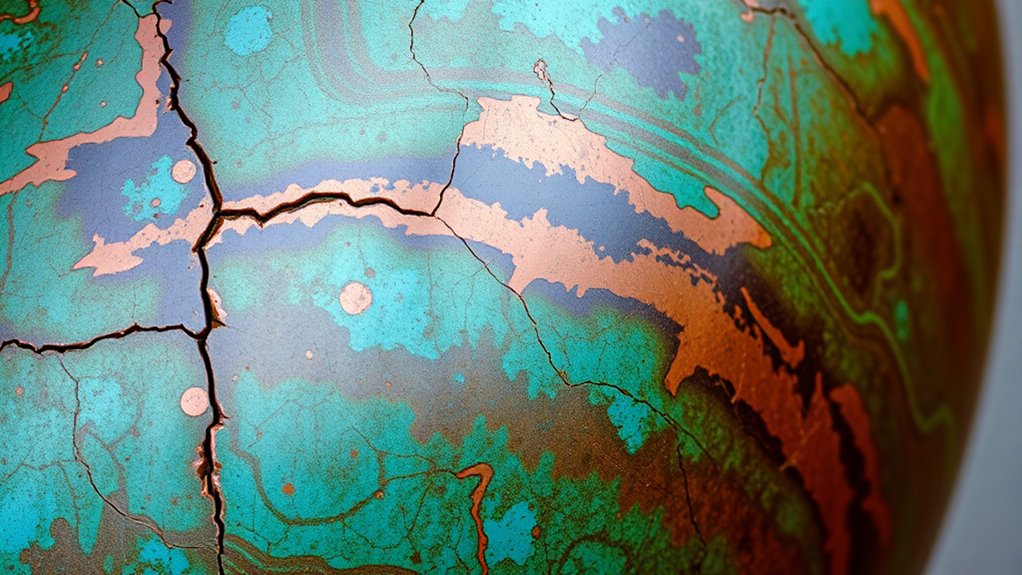
To accelerate or protect patina, artists and collectors employ various techniques that influence its development and longevity. Chemical treatments can speed up patina formation or alter its color, such as applying acids or patina solutions. Protective coatings help preserve the existing patina by shielding it from environmental damage. For example, sealing with wax or clear lacquer creates a barrier against moisture and pollutants. Here’s a quick comparison:
| Technique | Purpose |
|---|---|
| Chemical treatments | Accelerate or modify patina appearance |
| Protective coatings | Preserve and safeguard patina |
Using these methods, you can intentionally develop a desired patina or maintain its current state, ensuring your metal piece retains its character over time.
Caring for Patinated Metal Objects
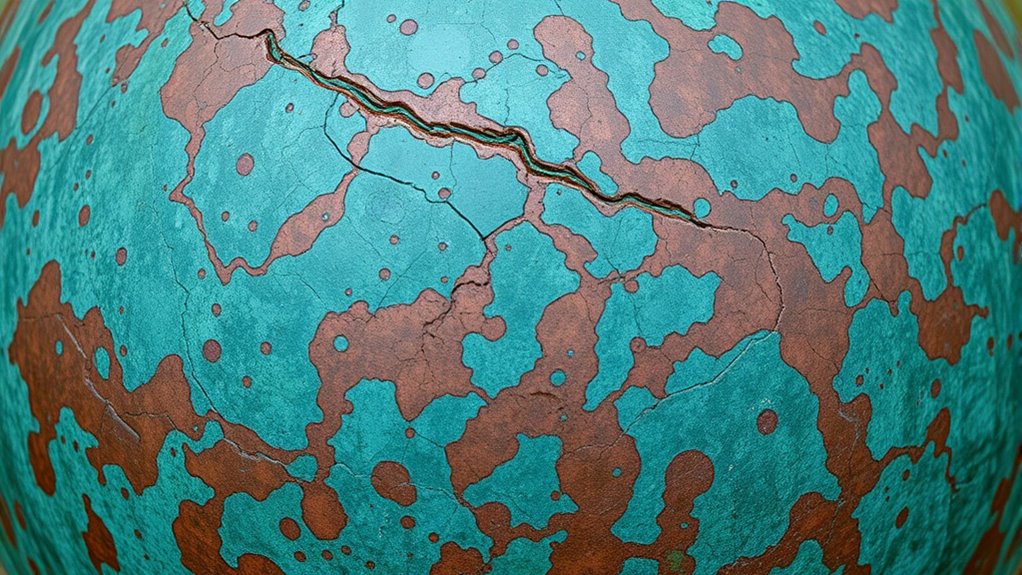
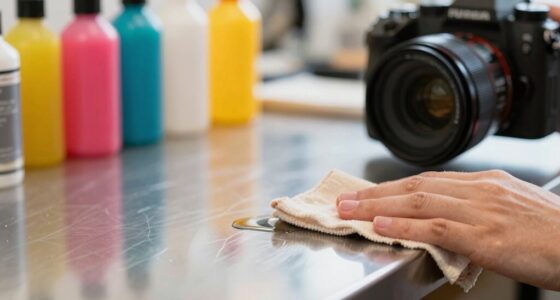
Proper care is key to maintaining the beauty and integrity of patinated metal objects over time. To preserve their appearance, avoid harsh metal polishing that can strip the patina; instead, gently clean with soft cloths and mild solutions. If your piece needs extra protection, consider applying a clear protective coating designed for metal surfaces. These coatings create a barrier against moisture, pollutants, and handling, helping prevent further corrosion or damage. Regularly inspecting your objects allows you to catch any signs of deterioration early. Remember, the goal is to maintain the natural look of the patina without removing or disturbing it. With careful cleaning and suitable protective coatings, your patinated metal pieces will stay vibrant and beautiful for years to come.
Modern Uses and Appreciation of Patina
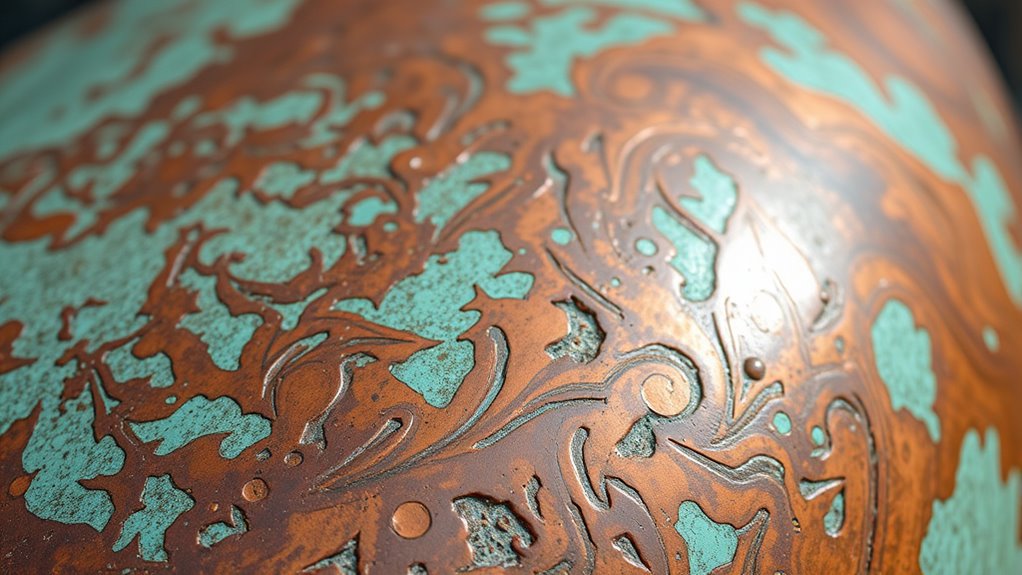
Have you noticed how modern designers and artists increasingly embrace the natural beauty of aged surfaces? In urban architecture, patina adds character and authenticity, creating striking contrasts with sleek materials. Architects incorporate weathered metals to evoke a sense of history and resilience, making structures stand out. Similarly, contemporary jewelry designers celebrate patina for its unique, evolving appearance. Instead of hiding age, they highlight it, crafting pieces with a sense of authenticity and individuality. This appreciation reflects a broader trend: valuing natural aging as an aesthetic feature. Patina’s rich colors and textures inspire innovation, blending tradition with modernity. Whether in building facades or jewelry, the modern world recognizes patina’s beauty, elevating it from mere corrosion to a symbol of time’s artistry.
Frequently Asked Questions
Can Patina Be Removed or Reversed From Metal Surfaces?
Yes, you can remove or reverse patina from metal surfaces. You might use chemical treatments like specialized cleaners to strip the patina, but be careful to follow instructions to avoid damage. Polishing techniques with gentle abrasives or polishing compounds can also restore the original finish. Always test a small area first, and consider consulting a professional if you’re unsure, to guarantee you don’t harm the metal.
Does Environmental Pollution Accelerate Patina Formation?
Environmental pollution definitely accelerates patina formation on metal surfaces. Pollution impact introduces chemicals, such as sulfur and carbon compounds, that react with the metal, speeding up oxidation and discoloration. Environmental effects like acid rain or airborne pollutants create a harsher environment, making the patina develop more quickly and often unevenly. To protect your metal, consider sealing it or regularly cleaning to minimize pollution impact and slow down this natural aging process.
Are There Health Risks Associated With Aged, Patinated Metals?
Think of aged, patinated metals as a story told by time—yet, are there hidden risks? Yes, metal toxicity can pose health hazards, especially through skin contact hazards with certain patinas. While many patinated metals are safe, some may contain harmful substances like lead or copper, so handling them carefully is wise. Always wear gloves and wash your hands to keep yourself protected from potential metal toxicity.
How Does Patina Affect the Metal’s Structural Integrity?
Patina can impact the metal’s structural integrity by enhancing corrosion resistance, which helps safeguard it from further deterioration. However, some patinas may cause a slight reduction in mechanical strength, especially if they form uneven layers or penetrate deeply. Overall, a well-developed patina generally stabilizes the metal, preserving its durability. You should monitor changes over time to ensure the patina doesn’t compromise the metal’s stability or safety.
Can Artificial Patina Be Distinguished From Natural Aging?
Can you tell artificial patina from natural aging? Yes, you often can. Artificial patina may look too uniform or lack the subtle variations found in natural aging. By inspecting details like color consistency and surface texture, you can verify authenticity. Experts use specialized tools and tests to distinguish between artificial and natural patina, ensuring you’re buying genuine aged metal or authenticating a piece’s history.
Conclusion
Now that you understand how patina forms and its beauty, you can appreciate its timeless charm, almost like a secret handshake among artisans. Whether you’re preserving a vintage artifact or creating a modern masterpiece, embracing patina adds character and history. Think of it as your own personal Da Vinci’s touch—an aging cloak that tells a story. So, go ahead, let your metal objects age gracefully, and enjoy their unique, weathered elegance.