You’ll find that certain shapes feel calmer in handmade work because they blend order with natural spontaneity. Geometric shapes offer predictability and reassurance through their symmetry and regularity, calming your mind through visual rhythm. Organic forms, on the other hand, evoke relaxation by mimicking nature’s irregularity and flow. When combined, these shapes create balanced compositions that promote peace and harmony. Keep exploring to discover how these shapes influence emotional responses and craftsmanship.

Get tools and workshop supplies delivered free — and shop member deals
- Fast, free delivery on millions of items
- Access to Prime Big Deal Days deals on October 6–7
- Prime Video, Amazon Music and more included
Key Takeaways
- Geometric shapes evoke predictability and order, creating a sense of stability and reassurance.
- Organic forms promote relaxation through their natural, flowing, and imperfect qualities.
- The balance of geometric and organic shapes fosters harmonious, calming compositions.
- Repetition and symmetry in geometric patterns enhance visual rhythm, soothing the viewer.
- Irregular, natural shapes connect viewers to nature, fostering serenity and a meditative experience.
Have you ever noticed how shapes give handmade work its unique character and charm? When you look closely at crafts, whether pottery, textiles, or jewelry, it’s clear that the shapes used play a crucial role in how we perceive their emotional tone. Certain shapes tend to evoke feelings of calm and serenity, and understanding why can deepen your appreciation for handmade art. Two main types of shapes often influence this sense of tranquility: geometric patterns and organic forms. These shapes aren’t just design choices—they communicate mood and intention in subtle but powerful ways.
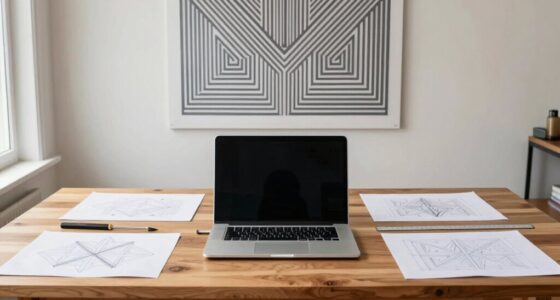
Geometric patterns, with their precise lines, symmetry, and regularity, create a sense of order and stability. When you see repeated squares, circles, or triangles in handmade work, your mind recognizes a pattern that feels predictable and controlled. This predictability offers comfort, as your brain finds it easier to process and make sense of structured shapes. In handmade objects, geometric patterns often appear in tiles, embroidery, or carved details, providing a visual rhythm that’s soothing. The regularity of these shapes can help calm an anxious mind, because they evoke a sense of balance and harmony that feels natural and reassuring. Recognizing the visual rhythm in handmade work can deepen your connection to its calming qualities. Additionally, understanding the role of shape perception in design can enhance your appreciation for craftsmanship.
Geometric patterns offer comfort through order, balance, and predictable visual rhythm that soothe the anxious mind.
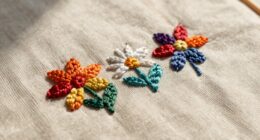
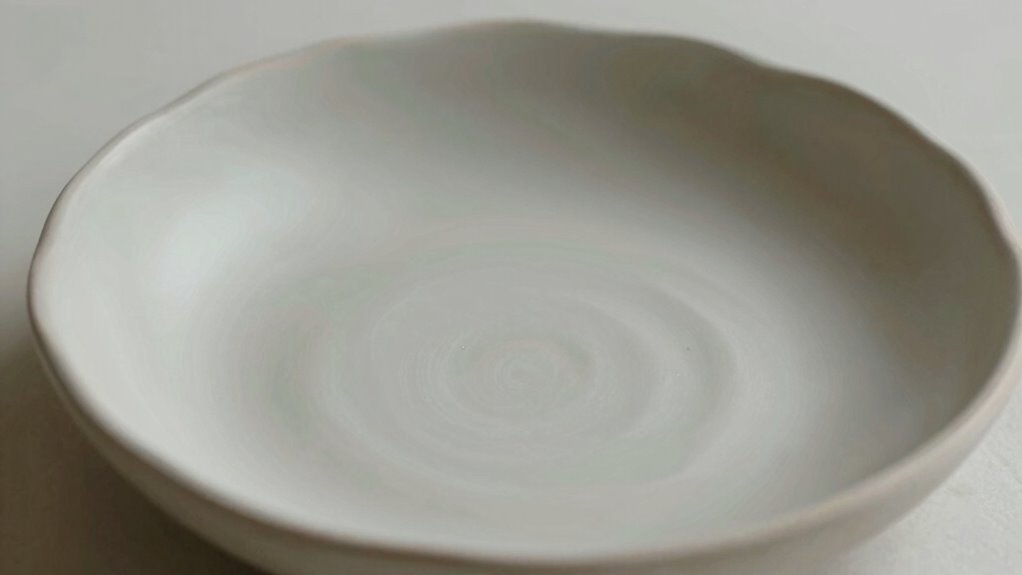
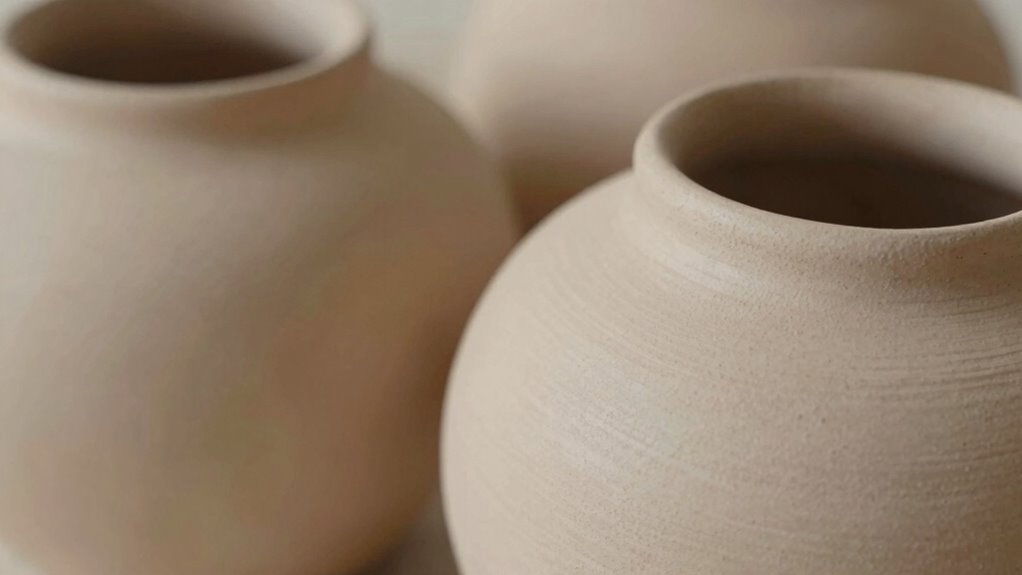
On the other hand, organic forms introduce a different kind of calm—one rooted in the natural world. These shapes are irregular, flowing, and asymmetrical, mimicking the unpredictable beauty found in nature. When you observe handmade work featuring organic forms, like flowing lines in pottery or freeform embroidery, it feels more alive and spontaneous. These shapes don’t demand perfect symmetry; instead, they celebrate imperfection and natural growth. The irregularity of organic forms can soothe your mind by reminding you of natural landscapes, gentle waves, or leaf shapes—elements that invoke serenity and a sense of connection to the environment. They allow your eyes to wander, encouraging a relaxed, meditative viewing experience.
Both geometric patterns and organic forms contribute to a feeling of calm, but they do so through different pathways. Geometric shapes provide reassurance through predictability, while organic forms foster relaxation through their resemblance to natural, imperfect beauty. When you see handmade work that combines these shapes thoughtfully, it often results in a balanced composition that feels both stable and alive. This harmony is what makes certain shapes feel inherently calming in handmade objects. Ultimately, it’s the way these shapes interact—whether through order or natural spontaneity—that creates a sense of peace and comfort, inviting you to pause and appreciate the artistry and intention behind each piece.
handmade geometric pattern tiles
As an affiliate, we earn on qualifying purchases.
As an affiliate, we earn on qualifying purchases.
Frequently Asked Questions
How Do Cultural Influences Affect Shape Preferences in Handmade Art?
Cultural influences shape your preferences by highlighting specific cultural symbolism and shape familiarity. When creating or appreciating handmade art, you’re naturally drawn to shapes that hold cultural significance or are familiar within your culture. These shapes evoke comfort and calmness because your brain recognizes them easily. So, your cultural background directly affects which shapes feel more soothing, making your handmade work resonate more deeply with your personal and cultural identity.
Are Certain Shapes More Calming Than Others Across Different Materials?
Imagine shapes whispering quiet serenity—certain ones, like organic forms, often feel more calming than sharp geometric patterns. Across different materials, these natural, flowing shapes evoke a sense of harmony and balance. You’ll find that soft curves and rounded edges soothe the mind, while rigid angles can feel jarring. So, in handmade work, embracing organic forms tends to bring a gentle, calming energy that resonates universally, regardless of the material.
Can Shape Choice Impact the Emotional Response to Handmade Objects?
Yes, shape choice can profoundly impact your emotional response to handmade objects. When you select shapes with smooth, rounded forms, they evoke feelings of calmness, especially when combined with gentle texture contrast. Harmonious color schemes further enhance this effect, creating a soothing visual experience. By thoughtfully choosing shapes that promote softness and balance, you can craft objects that naturally evoke serenity and comfort in those who experience them.
How Do Personal Experiences Influence Shape Perception in Handmade Work?
Your personal experiences, like memories or emotions, shape how you perceive handmade forms. When a shape symbolizes a meaningful memory, it resonates more deeply, making it feel comforting or familiar. Conversely, unfamiliar shapes might evoke curiosity or discomfort. Your unique background influences whether a shape feels calming or unsettling, emphasizing how personal memory and shape symbolism intertwine to shape your emotional response to handmade work.
Are There Specific Shapes Linked to Relaxation in Various Art Traditions?
You’ll find that certain shapes, like gentle organic forms and soft geometric patterns, are often linked to relaxation across various art traditions. These shapes evoke a sense of harmony and balance, making them soothing to look at and work with. Organic forms, with their flowing lines, mimic nature’s calm, while simple geometric shapes create orderly serenity. Embracing these shapes in your handmade work can help foster a tranquil, comforting atmosphere.
As an affiliate, we earn on qualifying purchases.
Conclusion
Ultimately, the shapes in handmade work evoke calmness not just through their simplicity but through their imperfections. While machine-made pieces boast precision, it’s the irregularities and organic forms in handmade shapes that invite your eye and soothe your mind. In a world obsessed with perfection, these imperfect forms remind you that beauty often lies in the unexpected and the imperfect—offering a quiet comfort that rigid, flawless shapes never can.
handcrafted textile with organic forms
As an affiliate, we earn on qualifying purchases.
As an affiliate, we earn on qualifying purchases.
As an affiliate, we earn on qualifying purchases.
Halloween Picks
halloween
As an affiliate, we earn on qualifying purchases.