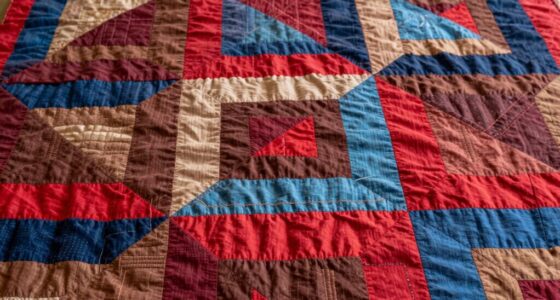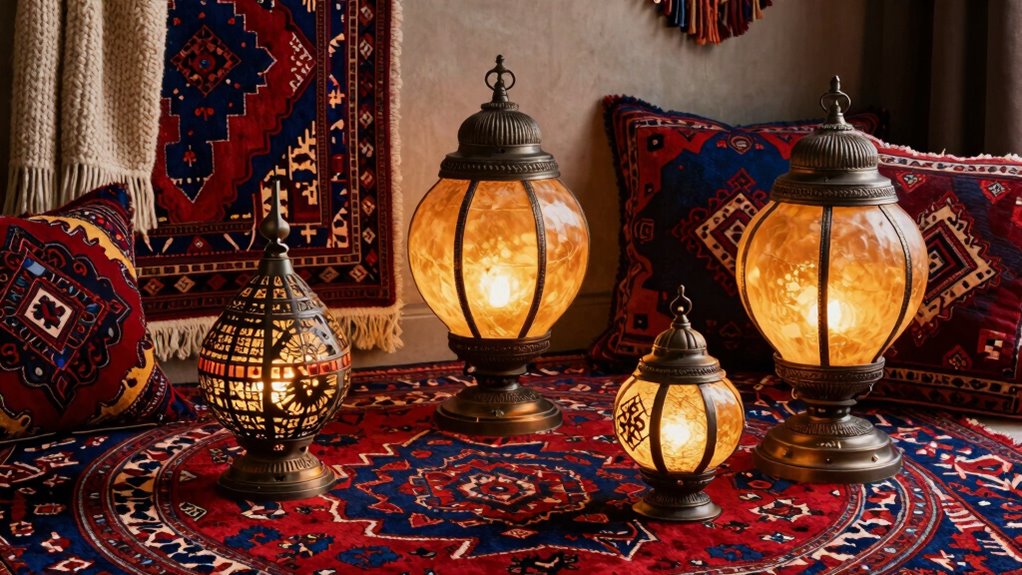

To confidently cover artisan-style lighting, rugs, and textiles, focus on understanding their cultural origins and craftsmanship. Highlight specific regional techniques, such as Moroccan vibrancy or Central Asian geometric patterns, to show respect and authority. Use descriptive language to emphasize handwoven, natural dyes, and traditional methods. Properly care for them with gentle cleaning to preserve their beauty. Mastering this approach will deepen your appreciation and credibility—keep exploring to uncover even more insights into these exquisite crafts.

Get business pricing on tools and workshop supplies
- Business-only prices and quantity discounts
- Tax-exempt purchasing
- Multiple users, one account, clear invoices
Key Takeaways
- Highlight the cultural origins and traditional techniques behind each piece to establish authenticity and respect.
- Use descriptive, craft-focused language such as “handwoven,” “dyed with natural pigments,” or “meticulously crafted.”
- Curate collections that emphasize uniqueness and cultural significance, avoiding indiscriminate mixing.
- Share proper care and preservation techniques rooted in traditional methods to demonstrate expertise and commitment.
- Speak confidently about the craftsmanship, cultural motifs, and artisanship to convey genuine authority and appreciation.
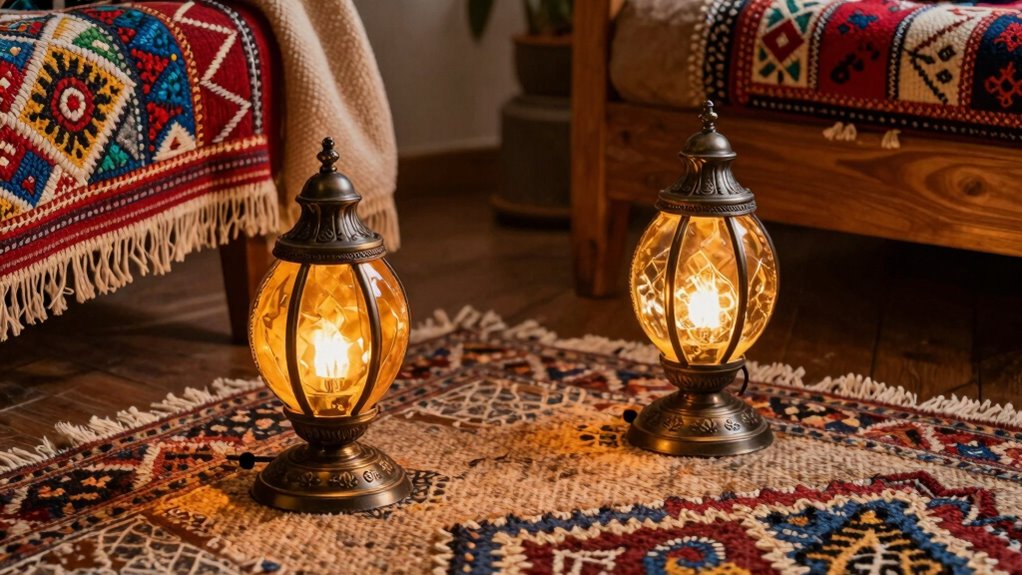
Cultural influences are woven into every artisan piece, adding depth and context that elevate their significance. Take the time to learn about the region or community where the item originated. For example, textiles from Central Asia might feature bold geometric patterns, while Moroccan rugs often display vibrant colors and intricate motifs rooted in Islamic artistry. When you highlight these cultural elements, you’re not just appreciating the aesthetic; you’re acknowledging the story behind the craft, which lends credibility and authority to your presentation. Mentioning the cultural background demonstrates your knowledge and respect for the artisans’ heritage, making your appreciation more meaningful.
To cover these artisan items with authority, consider how you frame their place within your space. Instead of simply mixing them in, curate a collection that emphasizes their uniqueness. Use descriptive language that draws attention to the craftsmanship, like “handwoven,” “dyed with natural pigments,” or “crafted using traditional techniques.” When discussing lighting, rugs, or textiles, avoid vague praise; instead, specify what makes each piece exceptional. For example, point out the meticulous knotting of a Persian rug or the hand-stitched embroidery on a textile. Your goal is to show a nuanced understanding, emphasizing the skill and cultural significance that elevate these pieces beyond decorative objects. Recognizing the importance of traditional craftsmanship can deepen your appreciation and convey your expertise more convincingly. Additionally, understanding how to care for and preserve these unique cultural textiles can help ensure their longevity and continued beauty. Proper knowledge of artisanal preservation techniques demonstrates your expertise and respect for the craftsmanship involved. Knowing how to maintain vintage craftsmanship and cultural textiles, such as employing gentle cleaning methods, demonstrates your commitment to their longevity. Your advice underscores your genuine appreciation and understanding. When you speak confidently about these artisan pieces, respecting their history and craftsmanship, you position yourself as someone who truly values and understands their importance. This approach guarantees your coverage isn’t superficial but rooted in respect, knowledge, and authentic admiration.
As an affiliate, we earn on qualifying purchases.
Frequently Asked Questions
How Do I Identify Authentic Artisan-Made Lighting and Textiles?
To identify authentic artisan-made lighting and textiles, look for signs of cultural significance, such as unique patterns or symbols rooted in tradition. Check material authenticity by feeling the quality—genuine handcrafted pieces often use natural, high-quality materials like hand-spun fibers or locally sourced metals. Research the artisan or region, and ask for provenance or certification to guarantee you’re supporting genuine craftsmanship rather than mass-produced imitations.
What Are the Best Maintenance Tips for Artisan Rugs?
To keep your artisan rug looking its best, you’ll want to stay vigilant. Regular rug cleaning prevents dirt from settling deep into the fibers, preserving its beauty and longevity. Dust prevention is essential; use a gentle vacuum with a brush attachment, avoiding the fringes. Rotate the rug periodically to prevent uneven wear, and address spills immediately to avoid stains. These simple steps guarantee your artisan piece continues to impress with authenticity and charm.
How Can I Incorporate Artisan Lighting Into Modern Interiors?
To incorporate artisan lighting into modern interiors, focus on thoughtful lighting installation that highlights its unique craftsmanship. Choose fixtures that contrast or complement sleek, minimalistic furniture for effective design integration. Place artisan pendant lights or sconces strategically to create focal points without overwhelming the space. Balance modern elements with these handcrafted pieces, allowing their artisanal details to stand out while enhancing the overall aesthetic seamlessly.
Are There Eco-Friendly Options for Artisan Textiles?
Yes, you can choose eco-friendly artisan textiles made from sustainable sourcing and eco-conscious materials like organic cotton, hemp, or recycled fibers. When shopping, look for certifications that guarantee ethical practices and environmentally friendly processes. Support artisans who prioritize sustainable methods, and avoid synthetic or chemical-heavy fabrics. By selecting these options, you not only embrace authentic craftsmanship but also contribute to environmental preservation and fair trade principles.
How Do I Spot Quality Craftsmanship in Artisan Pieces?
You spot quality craftsmanship in artisan pieces by examining their use of authentic artisan techniques, which reflect the skill and tradition behind each item. Look for precise stitching, intricate details, and unique textures that showcase the artisan’s mastery. Also, consider the cultural influences embedded in the design—these add depth and authenticity, indicating a piece crafted with genuine care and respect for tradition. Authentic artisan pieces tell a story through their craftsmanship.
As an affiliate, we earn on qualifying purchases.
Conclusion
By confidently selecting artisan-style lighting, rugs, and textiles, you create a space that exudes authenticity and charm. Think of Laura, who transformed her living room by mixing handcrafted Moroccan rugs with vintage-inspired pendant lights—her home now radiates warmth and personality. When you embrace these pieces with authority, you not only showcase your unique style but also support skilled artisans. So, trust your instincts, make bold choices, and let your space tell a story of craftsmanship and character.
natural dye handmade throw pillow
As an affiliate, we earn on qualifying purchases.
As an affiliate, we earn on qualifying purchases.
traditional artisan lighting fixture
As an affiliate, we earn on qualifying purchases.
As an affiliate, we earn on qualifying purchases.
Halloween Picks
halloween
As an affiliate, we earn on qualifying purchases.