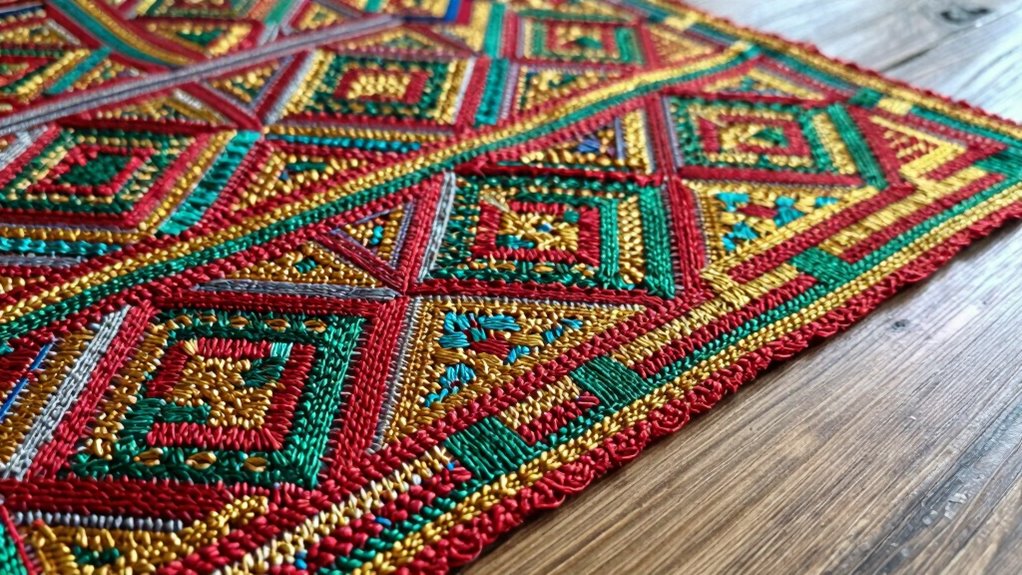

In craft pattern design, scale plays a hidden yet essential role in creating harmony, emphasis, and emotional impact. When you adjust element sizes carefully, you guide the viewer’s eye smoothly, establish focal points, and add depth. Proper scale prevents designs from feeling chaotic or overwhelming, enhancing visual interest. By understanding scale’s influence, you can craft balanced, engaging patterns that truly resonate. Keep exploring, and you’ll uncover how mastering scale elevates every pattern you make.

Get business pricing on tools and workshop supplies
- Business-only prices and quantity discounts
- Tax-exempt purchasing
- Multiple users, one account, clear invoices
Key Takeaways
- Scale determines the prominence of elements, guiding viewer focus and creating visual hierarchy in patterns.
- Varying element sizes adds depth and visual interest, influencing how patterns are perceived.
- Proper scale enhances proportional harmony, preventing patterns from feeling chaotic or unbalanced.
- Scale manipulation influences emotional response and visual rhythm, making patterns more engaging.
- Understanding scale’s role improves pattern cohesion and ensures designs align with their intended environment.
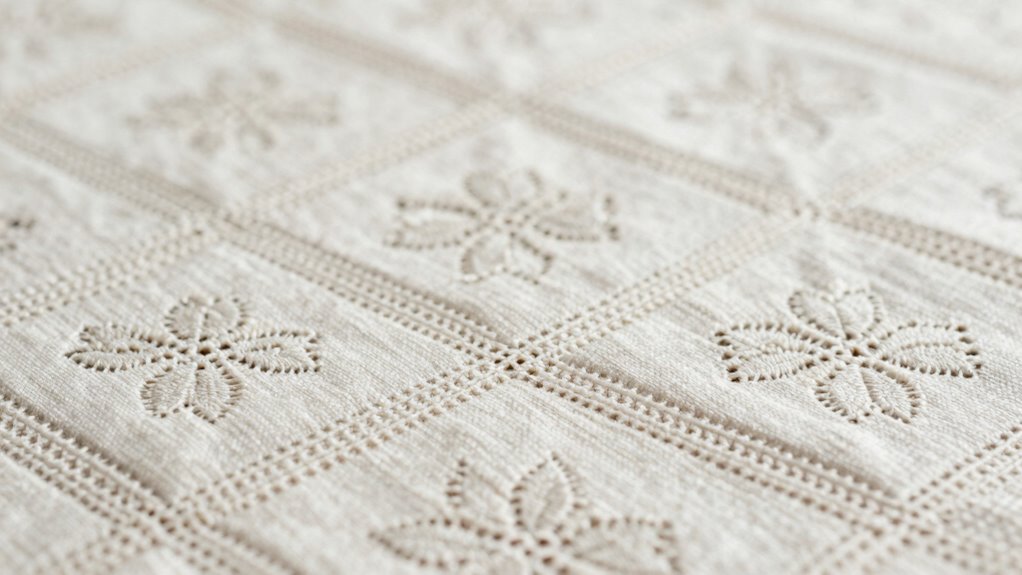
Have you ever wondered how artists create patterns that seem perfectly balanced and visually appealing? The secret often lies in the subtle but powerful influence of scale. When designing craft patterns, scale determines how each element relates to the whole, shaping the overall aesthetic. It’s more than just size; it’s about achieving proportional harmony, which guides the viewer’s eye smoothly across the pattern. When elements are scaled thoughtfully, the pattern doesn’t feel chaotic or disjointed. Instead, it creates a sense of order and coherence that enhances its visual impact. You can think of scale as the heartbeat of pattern design—too small, and details might get lost; too large, and the pattern can become overwhelming. Striking the right balance makes your design engaging without exhausting the viewer.
Understanding the role of scale helps you craft patterns that are both dynamic and harmonious. For example, if you’re working with floral motifs, varying the size of the flowers in relation to each other and the background can create depth and interest. A larger flower immediately draws attention, serving as a focal point, while smaller elements fill in the space without competing for attention. This deliberate manipulation of scale respects the principle of proportional harmony, ensuring each component contributes to a cohesive whole. Proportional harmony is essential for creating visually pleasing patterns that resonate with viewers. When done correctly, the pattern’s overall visual impact becomes more compelling, capturing attention and evoking an emotional response.
Scale also influences how a pattern interacts with its environment. On a small scale, intricate details can invite close inspection, revealing craftsmanship and complexity. Conversely, on a larger scale, patterns can make bold statements, transforming surfaces into striking visual statements. You might notice that certain patterns become more effective when scaled appropriately for their intended use—whether it’s a delicate textile or a large ceramic tile. Recognizing the importance of scale in design helps you develop more intentional and impactful patterns. Additionally, understanding how scale interacts with visual perception allows designers to manipulate viewer engagement more effectively. Incorporating the concept of scale variation can further enhance the visual rhythm of a pattern, making it more engaging to observe.
Ultimately, recognizing the importance of scale in craft pattern design empowers you to create more intentional and enthralling work. By paying attention to how elements relate in size, you enhance the pattern’s proportional harmony and boost its overall visual impact. The careful consideration of scale transforms a simple arrangement into a compelling visual experience. It’s a subtle art that can elevate your craft, ensuring your patterns are not only beautiful but also balanced and impactful.
craft pattern design scale ruler
As an affiliate, we earn on qualifying purchases.
As an affiliate, we earn on qualifying purchases.
Frequently Asked Questions
How Does Scale Influence the Durability of Finished Craft Projects?
Scale greatly influences your craft project’s durability by affecting proportional balance and material strength. When you choose the right scale, your project maintains structural integrity, preventing weak points that can break easily. Larger scales often require stronger materials to support the increased size, while smaller scales may need finer details for stability. Paying attention to scale guarantees your finished piece withstands wear and tear, lasting longer and remaining visually balanced.
What Tools Help in Accurately Adjusting Scale During Design?
You can use digital measurement tools like rulers, calipers, or design software with built-in measurement functions to accurately adjust scale. Grid systems in design programs help you visualize proportions and guarantee precision. By utilizing these tools, you maintain consistent scale throughout your pattern, which ensures your finished project fits well and looks professional. Digital measurements and grid systems are essential for precise scaling and achieving the best results in craft pattern design.
Can Scale Variations Affect the Overall Aesthetic Harmony of a Pattern?
Yes, scale variations can greatly impact the aesthetic harmony of a pattern. When you adjust scale, you influence proportional balance and visual emphasis, which guides the viewer’s eye and creates a cohesive design. Larger elements may draw attention, while smaller ones add subtlety. By thoughtfully varying scale, you guarantee your pattern maintains harmony, engaging viewers without overwhelming or underwhelming, ultimately enhancing the overall visual appeal.
How Do Cultural Differences Impact Scale Choices in Pattern Design?
Cultural differences greatly influence your scale choices in pattern design, as you often draw from cultural symbolism and traditional motifs. In some cultures, larger scales emphasize importance or celebration, while smaller scales reflect subtlety and detail. By understanding these cultural nuances, you can select scale variations that honor tradition and resonate authentically with your audience. This awareness guarantees your pattern feels culturally appropriate and visually impactful.
Are There Industry Standards for Scale in Specific Craft Disciplines?
Did you know that in embroidery, scale standards often emphasize proportion consistency to guarantee pattern harmony? Industry standards vary by craft, but most emphasize consistent pattern repetition for visual balance. For example, quilting uses specific scale guidelines to maintain proportion, while textile design often follows trends rather than strict rules. These standards help you create cohesive designs, ensuring your work looks intentional and professional across different craft disciplines.
As an affiliate, we earn on qualifying purchases.
Conclusion
As you experiment with scale in your craft patterns, remember it’s like tuning a musical instrument—you may need to adjust until the harmony feels just right. I once saw a designer stretch a tiny motif so large that it transformed the entire piece, proving that scale can turn a simple design into a statement. Embrace these shifts, and you’ll discover how powerful subtle changes in size truly are—unlocking new depths in your creative expression.
visual hierarchy pattern templates
As an affiliate, we earn on qualifying purchases.
As an affiliate, we earn on qualifying purchases.
proportional harmony pattern stencils
As an affiliate, we earn on qualifying purchases.
As an affiliate, we earn on qualifying purchases.
Halloween Picks
halloween
As an affiliate, we earn on qualifying purchases.