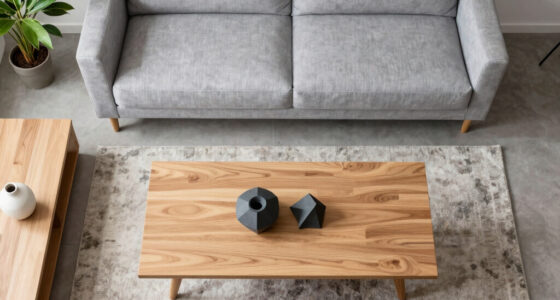
To borrow from tradition without making it feel costume-like, approach with genuine respect and understanding of its cultural significance. Focus on subtle details and nuanced patterns that invite curiosity without overwhelming your design. Reinterpret traditional elements with modern colors or minimalist aesthetics, ensuring you honor their origins. Be mindful of context and intent, and avoid superficial copying. If you stay aware of these principles, you’ll create meaningful work that celebrates culture authentically—there’s more to explore on maintaining that balance.

Get business pricing on tools and workshop supplies
- Business-only prices and quantity discounts
- Tax-exempt purchasing
- Multiple users, one account, clear invoices
Key Takeaways
- Incorporate traditional elements subtly through small details or nuanced patterns rather than overt symbols.
- Ensure thorough research to respect cultural significance and avoid superficial or stereotypical use.
- Reinterpret traditions with modern aesthetics, such as updated color palettes or minimalist designs.
- Maintain transparency about your intentions to foster genuine appreciation and avoid misrepresentation.
- Draw inspiration from diverse cultures intentionally, balancing homage with originality and cultural sensitivity.
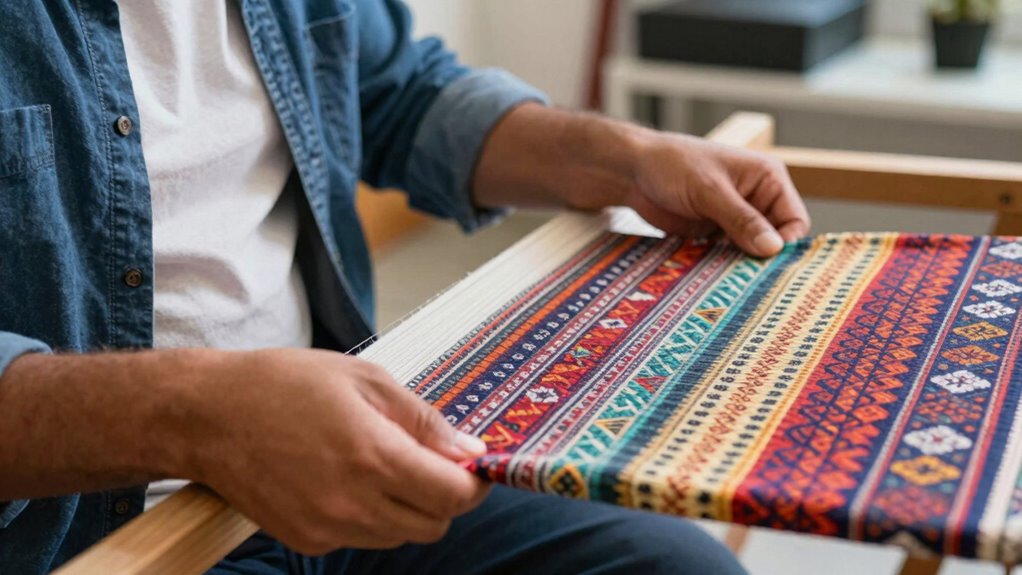
Have you ever wondered how to draw inspiration from tradition without losing your unique voice? It’s a delicate balance, but one that can be achieved through genuine cultural appreciation and thoughtful modern reinterpretation. When you approach traditional elements with respect, you honor their origins and avoid the pitfalls of superficial copying. Instead of mimicking every detail, focus on understanding the story and significance behind the cultural symbols or practices. This depth of appreciation allows you to incorporate tradition in a way that feels authentic, not forced or costume-like.
Embrace tradition with respect, understanding its story to create authentic, meaningful, and modern reinterpretations.
A key to successful integration is to contemplate how tradition can be reimagined for contemporary life. Modern reinterpretation doesn’t mean stripping away meaning or diluting cultural richness; it’s about finding new ways to express those traditions that resonate today. For example, if you’re inspired by traditional patterns, adapt them with modern color palettes or combine them with minimalist design elements. This approach keeps the essence intact but updates the aesthetic, making it more relevant and personal. By doing so, your work or style becomes a dialogue between past and present, rather than a mere imitation.
It’s also essential to be mindful of context. When you borrow from tradition, think about how it interacts with your environment and audience. You don’t want to appropriates or distort its meaning—rather, you want to celebrate and elevate it. This means researching its history, understanding its cultural significance, and being transparent about your intentions. When people see that you value the tradition genuinely, they’re more likely to appreciate your modern take. Authenticity is key; it helps your reinterpretation feel respectful rather than superficial.
Incorporating traditional elements thoughtfully also involves subtlety. Instead of overwhelming your creations with overt symbols, weave them into your work in a way that invites curiosity and appreciation. Sometimes, a small detail or a nuanced pattern can speak volumes about your cultural appreciation. This restraint ensures your style remains fresh and personal, avoiding the costume-like vibe that often plagues superficial borrowing. Recognizing the importance of cultural heritage can deepen your approach and enrich your reinterpretation. Additionally, understanding the historical context of a tradition can help you avoid misrepresentations and foster a more respectful homage.
Furthermore, embracing cultural diversity can inspire more inclusive and meaningful reinterpretations, making your work resonate with a broader audience. Ultimately, blending tradition with your own voice requires intentionality. When you approach it with respect, curiosity, and creativity, you create something that feels both meaningful and innovative. Your goal is to honor the past while making it relevant for today’s world—striking that perfect balance between homage and originality. When done well, your reinterpretation not only celebrates cultural heritage but also enriches your unique expression.
traditional pattern throw pillow
As an affiliate, we earn on qualifying purchases.
As an affiliate, we earn on qualifying purchases.
Frequently Asked Questions
How Do I Respect Cultural Significance When Borrowing Traditions?
You show respect for cultural significance by practicing cultural sensitivity and engaging respectfully. Do thorough research to understand the traditions’ meaning, history, and importance. When borrowing elements, consult with members of that culture to gain insight and permission. Be mindful of context and avoid stereotypes or trivializing symbols. Your genuine respect and willingness to listen foster respectful engagement, ensuring you honor the tradition without appropriating it.
Can Modern Fashion Incorporate Traditional Elements Subtly?
Yes, modern fashion can incorporate traditional elements subtly through cultural fusion, blending patterns, fabrics, or accessories into contemporary designs. You can achieve this by choosing modest, meaningful details that honor the tradition without overwhelming the look. As fashion evolves, it’s important to remain respectful and authentic, ensuring that your style celebrates cultural heritage thoughtfully. This approach creates a seamless connection between past and present, enriching your wardrobe with depth and significance.
What Common Mistakes Should I Avoid When Borrowing From Tradition?
Avoid cultural misinterpretation by researching the cultural significance behind traditional elements, ensuring you respect their origins. Steer clear of historical inaccuracies by verifying details and avoiding stereotypes. Don’t assume you understand a tradition without proper context—this can lead to misrepresentation. Instead, collaborate with cultural insiders or experts to authentically incorporate elements. Recognizing these pitfalls helps you honor tradition thoughtfully while avoiding superficial or disrespectful portrayals.
How Do I Personalize Traditional Styles Without Appropriating?
You can personalize traditional styles by thoughtfully blending elements that resonate with you while respecting their origins. Think of it as walking a tightrope—cultural sensitivity and authentic representation are key. Do your research, understand the significance behind each piece, and adapt it with intention. Incorporate subtle details or modern touches that honor tradition without overwhelming it. This approach guarantees your style remains genuine and respectful, avoiding cultural missteps.
Are There Specific Colors or Symbols to Avoid?
You should avoid colors with strong cultural or religious significance, as they can cause sensitivities or misinterpretations. For example, steer clear of white in some cultures that associate it with mourning, or red where it symbolizes danger. Also, be cautious with symbols that have deep spiritual or cultural meanings, as misusing them can be disrespectful. Always research the specific traditions to make sure you’re respectful and accurate in your choices.
modern minimalist cultural wall art
As an affiliate, we earn on qualifying purchases.
As an affiliate, we earn on qualifying purchases.
Conclusion
By thoughtfully weaving tradition into your style, you become a vessel carrying the weight of history with grace. Just like a well-loved book’s pages turn gently, your look can whisper stories of the past without shouting them aloud. Embrace subtle symbols and meaningful details, allowing tradition to breathe naturally within your unique expression. When done with respect and intention, your style becomes a timeless tapestry—an enduring bridge between yesterday’s wisdom and today’s individuality.
As an affiliate, we earn on qualifying purchases.
reinterpreted traditional jewelry
As an affiliate, we earn on qualifying purchases.
As an affiliate, we earn on qualifying purchases.
Fall yard work Picks
leaf blowers
As an affiliate, we earn on qualifying purchases.