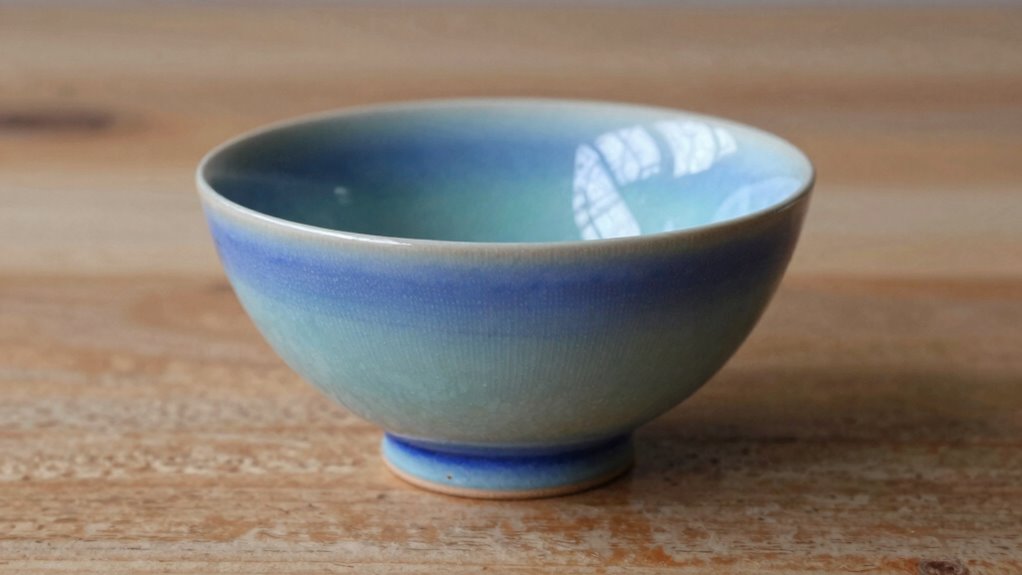

A craft becomes ‘fine’ when it consistently demonstrates exceptional skill, attention to detail, and high-quality material choices. It’s about mastering techniques, understanding how materials behave, and ensuring every piece reflects authenticity and craftsmanship. Great work also balances tradition with innovation, producing stunning, durable results. If you aim for these standards, you’ll develop works that stand out and inspire admiration. Continue exploring to uncover the essential principles that elevate good craft into true artistry.
Key Takeaways
- Mastery of techniques ensures precise, consistent craftsmanship that elevates a piece beyond good to exceptional.
- High-quality, purpose-suited materials contribute to durability, beauty, and authenticity in fine crafts.
- Adherence to established standards maintains integrity, authenticity, and distinguishes truly remarkable work.
- Skillful integration of techniques and materials creates visually appealing, technically sound, and enduring pieces.
- Upholding industry standards elevates craftsmanship’s reputation, ensuring excellence and lasting recognition.
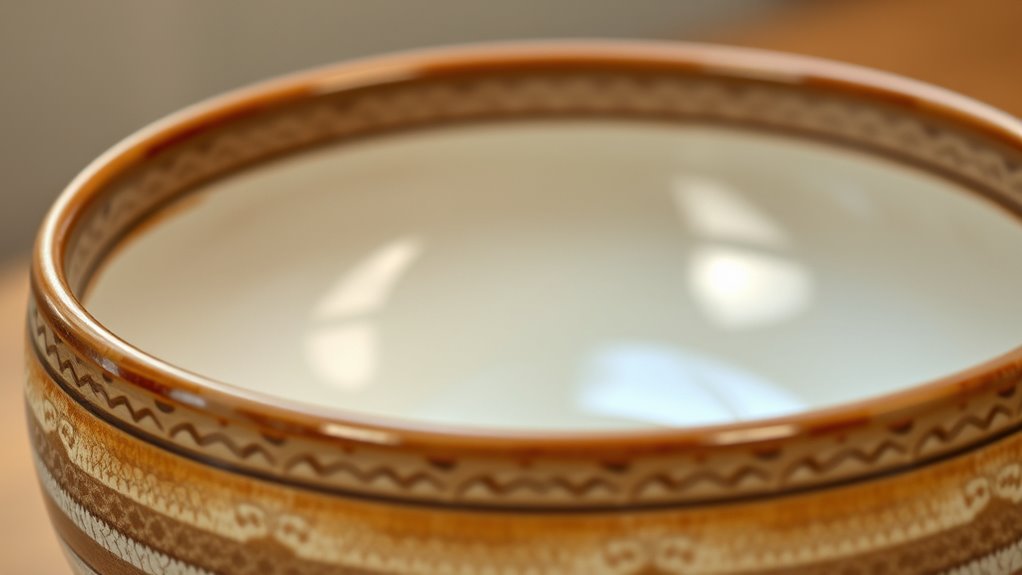
Establishing standards for fine crafts guarantees that quality, skill, and authenticity are consistently upheld across the industry. When it comes to distinguishing a good craft from a truly exceptional one, mastery of techniques is fundamental. You need to understand and refine each step involved in creating your piece, whether it’s pottery, woodworking, textiles, or jewelry. Techniques mastery isn’t just about following a pattern; it’s about internalizing skills so deeply that your hands and mind work in harmony, producing precise, consistent results. This level of proficiency allows you to push boundaries, innovate within traditional methods, and guarantee that every detail reflects expert craftsmanship. Without it, even the best materials can fall short of creating something truly fine. Developing a professional-grade sprayer can help achieve smooth, high-quality finishes that elevate your craft to the next level.
Material selection is equally vital. You must carefully choose high-quality materials that suit your craft and purpose. This isn’t merely about picking the most expensive option; it’s about understanding how different materials behave, how they respond to various techniques, and how they age over time. Fine crafts demand materials with inherent qualities—durability, beauty, and authenticity—that elevate the finished piece. Your expertise in selecting and preparing these materials directly influences the overall excellence of your work. For example, in jewelry making, choosing ethically sourced gemstones or metals with the right purity can make a significant difference in the final piece’s value and appeal. Similarly, in textiles, selecting fibers with the right texture and resilience ensures your creation will stand the test of time.
Achieving mastery over techniques and making informed material choices are intertwined processes. As you develop your skills, you learn to anticipate how different materials respond and adapt your techniques accordingly. This synergy allows you to produce work that isn’t just visually appealing but also technically sound and enduring. Fine crafts uphold a high standard because they stem from a deep understanding of these fundamentals. When you focus on honing your technical skills and making deliberate material choices, you set yourself apart from mass-produced or amateur work. The result is a piece that embodies authenticity, craftsmanship, and artistic integrity—elements that define what makes a craft truly ‘fine.’ Ultimately, maintaining these standards guarantees that your work not only meets but exceeds expectations, elevating your craft to a level of excellence that resonates with collectors, connoisseurs, and enthusiasts alike.
Frequently Asked Questions
How Do Cultural Influences Impact Perceptions of Fine Craftsmanship?
Cultural influences shape your perception of fine craftsmanship through cultural symbolism and regional aesthetics. You might see intricate carvings as meaningful or value specific techniques linked to local traditions. These cultural elements influence your appreciation, making you recognize craftsmanship that aligns with regional aesthetics and symbolic significance. As a result, your standards for what’s considered fine craft are deeply rooted in cultural context, enhancing your overall appreciation and understanding of the work.
Can Mass-Produced Items Ever Meet the Standards of Fine Crafts?
Can mass-produced items ever match fine craftsmanship? Absolutely, if they’re created through careful artisan collaboration, blending efficiency with skill. While mass production often sacrifices uniqueness, it can achieve high quality when artisans oversee processes, ensuring attention to detail. Think of it as a symphony—each part must harmonize perfectly. When skilled artisans guide the process, even mass-produced items can attain a level of excellence that rivals handmade craftsmanship.
What Role Does Innovation Play in Elevating Craft Quality?
Innovation plays a vital role in elevating craft quality by integrating technological advancements and fostering artisan collaboration. You can push boundaries by adopting new tools and techniques, which enhances precision and creativity. Working alongside skilled artisans allows you to blend traditional methods with modern ideas, resulting in unique, refined pieces. Embracing innovation helps transform good craftsmanship into truly exceptional work, setting your creations apart and elevating their overall standard.
How Do Collector Preferences Influence Craft Standards?
You influence craft standards through your collector preferences, which are shaped by artisan aesthetics and collector biases. Your tastes drive artisans to prioritize certain styles, techniques, and materials, elevating craftsmanship quality to meet your expectations. By valuing innovation or tradition, you set benchmarks that artisans endeavor to achieve, ultimately shaping what’s considered fine craft. Your preferences help distinguish good from great, pushing artisans to refine their skills and artistry.
Are There Universal Criteria for Judging Craft Excellence Globally?
You can’t rely solely on universal criteria for judging craft excellence globally. Artistic expression and technical mastery are key, but cultural context and personal taste heavily influence perceptions. You’ll notice that what’s considered exceptional in one region may differ elsewhere. Ultimately, you judge craft quality by how well it combines originality with craftsmanship, demonstrating mastery while resonating emotionally. So, while standards vary, a balance of skill and expressive power remains essential everywhere.
Conclusion
Remember, the difference between good and great craft often comes down to attention to detail and mastery. Did you know that only about 2% of artisans achieve the status of “fine craft” by meeting these high standards? As you hone your skills, aim for that level of precision and passion. When you push beyond the ordinary, you’re not just creating objects—you’re making timeless art that truly stands out. Keep aiming for excellence.