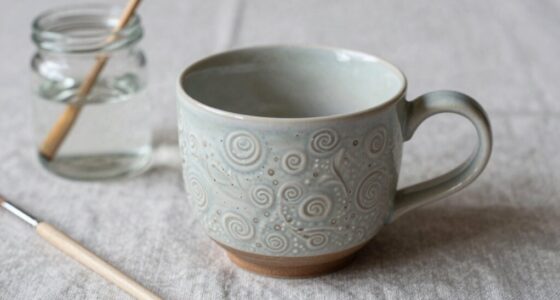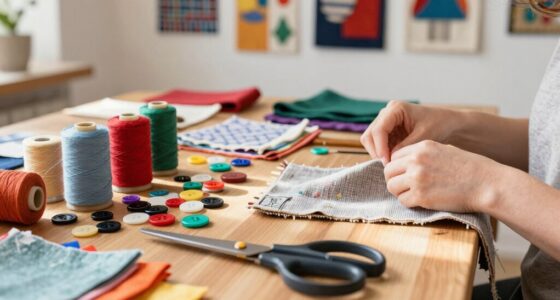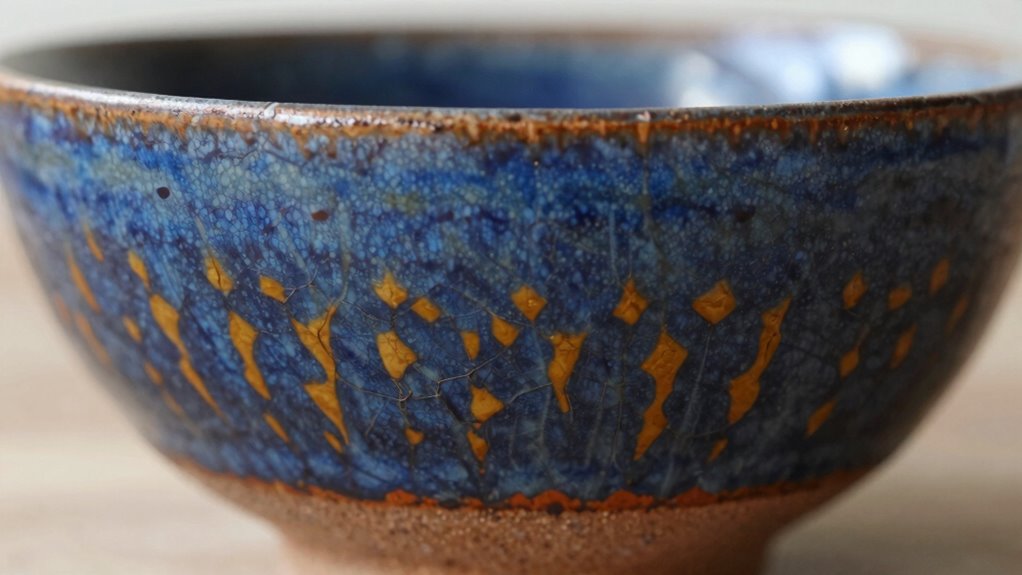

To train your eye for quality in handmade objects, start by examining fine details like stitching, carving, and finishing touches, looking for consistency and subtle imperfections that show care. Feel the materials to assess authenticity, noticing weight and natural textures. Pay attention to surface details, such as hue variations and smooth joins, as well as internal reinforcement or joint craftsmanship. With practice, you’ll sharpen your ability to recognize true craftsmanship, and if you keep exploring, you’ll discover even more expert observation techniques.
Key Takeaways
- Study craftsmanship techniques like stitching, carving, and finishing for signs of precision and intentionality.
- Feel materials to distinguish genuine textures and weight from fake or inferior substitutes.
- Observe surface details such as hue variations, natural textures, and seamless joins for authenticity clues.
- Examine construction aspects like internal reinforcements and smooth edges to assess durability and skill.
- Practice consistent evaluation of surface, material, and construction nuances to develop discerning observation skills.
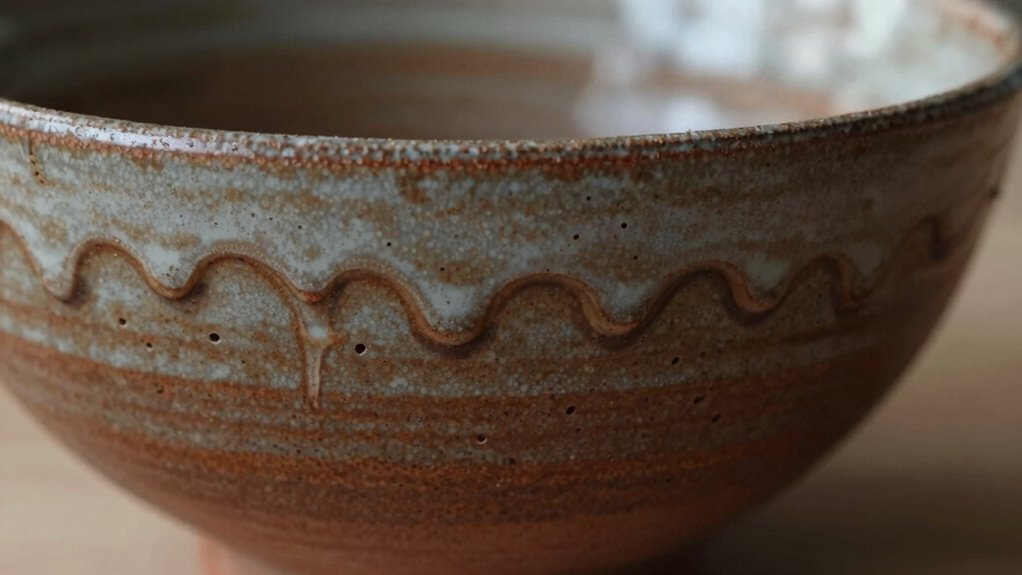
When you learn to recognize the subtle details that distinguish high-quality handmade objects, your appreciation deepens and your ability to select truly exceptional pieces grows. One of the first aspects to focus on is craftsmanship techniques. These techniques reveal the skill and intention behind each creation. Look closely at the stitching, carving, or finishing touches—are they precise and consistent? Handcrafted items often display slight imperfections that speak to their uniqueness, but genuine craftsmanship maintains a careful balance, avoiding sloppy or hurried work. For example, in textiles, even stitches demonstrate patience and control, while in ceramics, smooth, even surfaces reflect mastery. By observing these craftsmanship techniques, you begin to differentiate between items made with care and those assembled hastily. Developing an understanding of craftsmanship techniques helps you see beyond surface appearance and appreciate the true skill involved. Material authenticity also plays a vital role in evaluating quality. Authentic materials—be it genuine leather, natural dyes, or high-quality wood—stand out through their texture, color, and feel. When you hold a handmade piece, pay attention to the weight and tactile qualities; authentic materials tend to feel more substantial and have a natural, organic texture. Fake or inferior substitutes often feel lightweight, flimsy, or overly uniform, betraying their lack of quality. The visual cues are equally telling: natural dyes might show slight variations in hue, and woodgrain patterns should be distinct rather than overly uniform. Recognizing material authenticity helps you determine whether the item is crafted from genuine components or just imitations that compromise durability and character. Additionally, Material authenticity can influence the overall value and longevity of the piece. Paying attention to details like stitching or finishing can also reveal the level of expertise and care invested in the item. As you continue to practice evaluating these qualities, you’ll start to notice subtle craftsmanship nuances that distinguish true artisanship from mass-produced imitations. Furthermore, consider the overall construction and finishing details. Check for clean, seamless joins, especially in woodwork or metalwork. The edges should be smooth, and any decorative elements should be integrated thoughtfully, not glued or slapped on. High-quality handmade objects often feature internal details that aren’t immediately visible but reveal a high level of care—like reinforced seams or hidden reinforcement points. These details showcase the artist’s commitment to durability and excellence, which distinguish true craftsmanship from superficial embellishments. Over time, as you practice observing craftsmanship techniques and assessing material authenticity, you’ll develop a sharper eye for quality. You’ll start to notice the subtle nuances that mark an item as handcrafted with skill and integrity. Your choices will become more discerning, your appreciation deeper, and your collection more meaningful. Recognizing these elements not only enhances your ability to select outstanding pieces but also enriches your understanding of the artistry involved in handmade objects.
handmade craftsmanship inspection tools
As an affiliate, we earn on qualifying purchases.
As an affiliate, we earn on qualifying purchases.
Frequently Asked Questions
How Long Does It Take to Develop an Eye for Quality?
It can take months or even years to develop an eye for quality, as subjective judgment varies and cultural influence shapes your perception. You’ll notice improvements as you compare craftsmanship, materials, and details more critically over time. By consistently examining handmade objects and understanding different styles and techniques, your ability to recognize quality becomes more instinctive. Patience and exposure are key to sharpening your eye and appreciating fine craftsmanship.
Can Anyone Improve Their Ability to Judge Handmade Object Quality?
Yes, you can improve your ability to judge handmade object quality. By enhancing your aesthetic appreciation and sharpening your sensory perception, you train your eye to notice subtle details, craftsmanship, and material choices. Practice regularly by examining diverse objects, asking questions about their construction, and comparing pieces. Over time, your perception becomes more refined, allowing you to better discern quality and appreciate the artistry behind each handmade item.
Are There Specific Tools to Help Analyze Craftsmanship?
Yes, you can use tools like precision inspection devices and material analysis kits to evaluate craftsmanship. Precision inspection helps you spot fine details, such as precise joints or smooth finishes. Material analysis allows you to identify the quality and authenticity of the materials used. These tools enhance your ability to assess handmade objects objectively, making it easier to distinguish between high-quality craftsmanship and lesser work.
How Do Cultural Differences Affect Perceptions of Quality?
Cultural biases shape your perception of quality more than you realize, making it feel like a vast, unpredictable sea. These perception differences influence what you value—be it craftsmanship, materials, or design. In some cultures, intricate detailing signals excellence, while others prioritize simplicity and function. To truly appreciate quality, you need to understand these cultural nuances, recognizing that what’s considered exceptional varies widely across the globe.
What Common Mistakes Do Beginners Make When Evaluating Handmade Items?
As a beginner, you often mistake perfection for quality, overlooking the craftsmanship appreciation behind handmade items. You might focus solely on aesthetics, missing subtle details that reveal skill. Be cautious of surface flaws or inconsistencies; they can signal authenticity or craftsmanship. Instead, develop your aesthetic judgment by examining the piece’s overall harmony and technique, helping you spot genuine quality and appreciate the artistry involved.
luxury handmade leather goods
As an affiliate, we earn on qualifying purchases.
As an affiliate, we earn on qualifying purchases.
Conclusion
By honing your eye and heightening your awareness, you’ll notice the nuances that make handmade objects special. Focus on the finesse, feel for flaws, and savor the subtle signs of skill. With patience and practice, you’ll develop a discerning eye that detects detail and distinguishes quality. Remember, the more you observe, the more your appreciation grows. So, stay curious, stay committed, and let your craftsmanship curiosity continue to cultivate your careful, crafted consciousness.
artisan woodworking tools
As an affiliate, we earn on qualifying purchases.
As an affiliate, we earn on qualifying purchases.
ceramic finishing and polishing kit
As an affiliate, we earn on qualifying purchases.
As an affiliate, we earn on qualifying purchases.