To compare high-ticket craft tools smartly, focus on ergonomic design, ensuring they fit comfortably and reduce fatigue during long use. Evaluate features like blade sharpness, motor power, and advanced technologies such as CAD or 3D printing to see which tools offer real value. Check brand reputation by reading reviews and warranties, and create a comparison chart to weigh benefits against costs. Keep these steps in mind, and you’ll be better equipped to make an informed choice.

Get business pricing on tools and workshop supplies
- Business-only prices and quantity discounts
- Tax-exempt purchasing
- Multiple users, one account, clear invoices
Key Takeaways
- Identify essential features and prioritize those that align with your specific crafting needs.
- Use comparison charts to objectively evaluate blade sharpness, motor power, and material quality.
- Read reputable reviews and testimonials to gauge product reliability and brand reputation.
- Test the ergonomic design for comfort and efficiency to ensure long-term usability.
- Consider warranty, after-sales support, and overall value to make a well-informed investment.
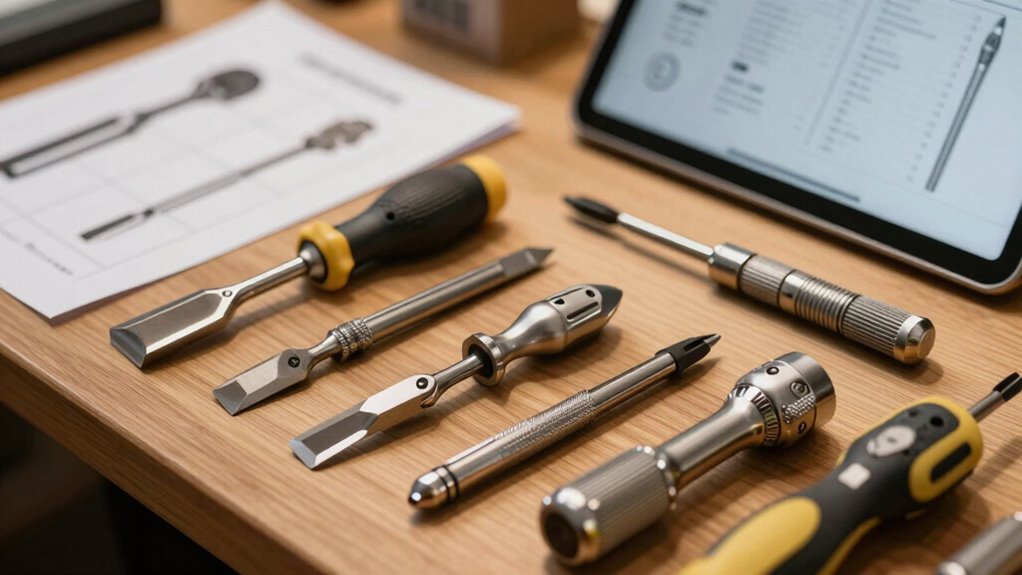
When investing in high-ticket craft tools, making an informed choice can save you time and money in the long run. You want tools that not only perform well but also feel comfortable in your hands, which is where ergonomic design plays a crucial role. An ergonomic tool reduces fatigue, improves precision, and enhances your overall crafting experience. Before making a purchase, test the tool’s comfort—consider how it fits your hand and whether it allows you to work efficiently for extended periods. Don’t overlook this aspect, as it can significantly impact your productivity and reduce the risk of strain or injury. Additionally, understanding product features** and how they contribute to a tool’s performance can help you better evaluate its value. Familiarizing yourself with CAD, 3D scanning, and printing technologies can also offer insights into the latest advancements that might influence your choice. Being aware of material quality and how it impacts a tool’s durability** can further inform your decision-making process.
Prioritize ergonomic design to enhance comfort, reduce fatigue, and improve precision for long-lasting crafting enjoyment.
Equally important is the brand reputation. Established brands often have a track record of quality, durability, and customer support that newer or lesser-known brands might lack. Research online reviews, testimonials, and expert opinions to gauge the reliability of a brand. A reputable brand is more likely to use high-quality materials, incorporate thoughtful design, and stand behind their products with warranties or customer service. When you choose a trusted brand, you’re investing in a tool that’s built to last, which ultimately saves you money over time because you won’t need to replace it as often. Moreover, understanding brand reputation can help you avoid unreliable options and ensure you’re making a smart investment.
Comparing high-ticket craft tools isn’t just about price. Instead, focus on understanding what features justify the higher cost. Look for tools with advanced features or superior craftsmanship that match your craft’s demands. Pay attention to details like blade sharpness, motor power, or material quality—these are indicators of a tool’s longevity and performance. Also, evaluate the warranty or after-sales support; these can be lifesavers if something goes wrong. Keep in mind that a more expensive tool with a good reputation and ergonomic design can be a worthwhile investment, especially if it enhances your work quality and comfort.
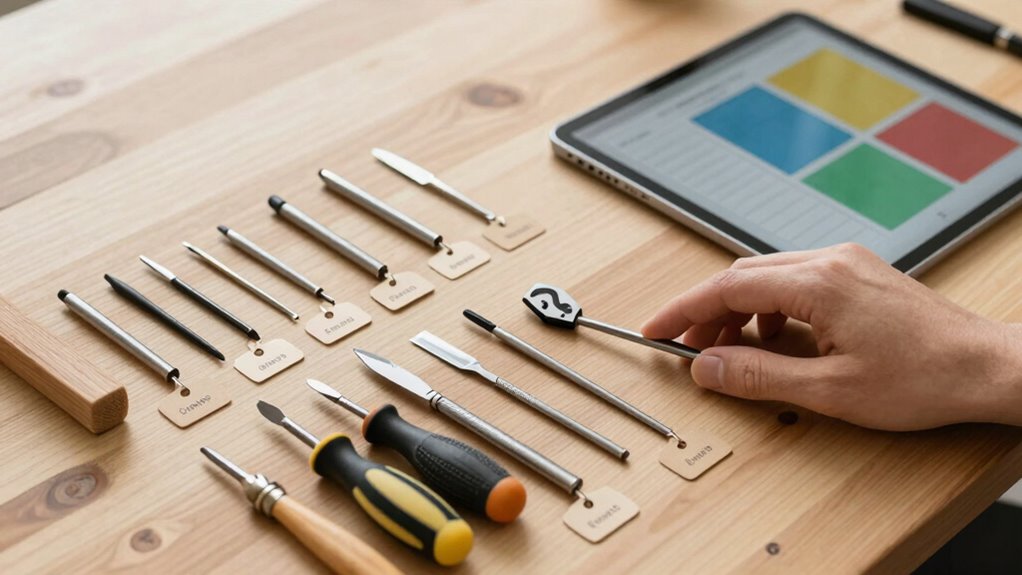
When you’re trying to decide between different options, create a comparison chart. List the key features, price points, ergonomic aspects, and brand reputation for each tool. This visual aid helps you make objective decisions based on facts rather than impulse or marketing hype. Remember, the best tool isn’t always the most expensive but the one that offers the best balance of comfort, durability, and performance for your specific needs. In the end, taking the time to compare thoughtfully ensures you pick a high-ticket craft tool that serves you well, making your crafting experience more enjoyable and efficient for years to come.
As an affiliate, we earn on qualifying purchases.
Frequently Asked Questions
How Do I Determine Which High-Ticket Craft Tool Suits My Skill Level?
You determine the best high-ticket craft tool for your skill level through skill assessment and tool compatibility. Honestly evaluate your current abilities, identifying areas to improve or challenges you can handle. Then, compare tools based on how user-friendly they are and whether they match your skill set. Look for reviews or demos that showcase ease of use, ensuring the tool aligns with your experience to help you grow confidently.
Are There Any Hidden Costs Associated With Premium Craft Tools?
Yes, there can be hidden fees like shipping or maintenance costs with premium craft tools. Always check if the price includes warranty coverage, so you’re protected against potential defects or repairs. Some brands might charge extra for accessories or updates. To avoid surprises, read the fine print carefully and ask the seller about any additional expenses upfront. This way, you’ll know the true cost before making your investment.
How Often Should I Upgrade or Replace My High-End Craft Tools?
You should upgrade or replace your high-end craft tools based on their tool durability and how often they meet your needs. Generally, if a tool starts to show signs of wear, affects your work quality, or if its brand reputation suggests frequent issues, it’s time to replace it. Regularly evaluating performance guarantees you maintain efficiency and precision, making sure your investment continues to serve you well in your craft.
Can I Test High-Ticket Craft Tools Before Purchasing?
Yes, you can test high-ticket craft tools before buying. Many stores allow you to try tools to assess ergonomics and comfort, ensuring they suit your hand and workflow. Check the brand reputation first; reputable brands often provide demos or trial periods. Testing helps you evaluate tool ergonomics firsthand, so you make an informed decision, avoiding buyer’s remorse and ensuring your investment enhances your craft practice.
What Are the Best Maintenance Tips for Expensive Craft Tools?
To guarantee your expensive craft tools last, focus on proper maintenance routines that boost tool durability. Clean your tools regularly, removing dust and debris, and lubricate moving parts as needed. Store them in a dry, organized space to prevent rust and damage. Avoid overusing or forcing tools beyond their capacity. Consistent upkeep helps maintain peak performance, extends their lifespan, and saves you money in the long run.
high power rotary tool with warranty
As an affiliate, we earn on qualifying purchases.
As an affiliate, we earn on qualifying purchases.
Conclusion
Now that you know how to compare high-ticket craft tools wisely, you can craft with confidence, create with clarity, and invest with intention. Don’t let confusion hold you back—embrace the process, trust your judgment, and choose tools that elevate your craft. Because when you compare thoughtfully, you don’t just buy tools—you invest in your passion, your skill, and your future. Keep learning, keep creating, and let your craftsmanship shine brighter than ever.
professional craft cutting machine
As an affiliate, we earn on qualifying purchases.
As an affiliate, we earn on qualifying purchases.
As an affiliate, we earn on qualifying purchases.
Fall Picks
fall essentials
As an affiliate, we earn on qualifying purchases.