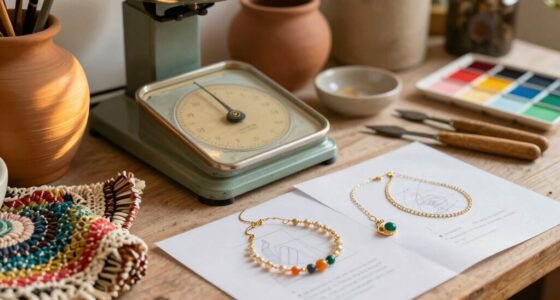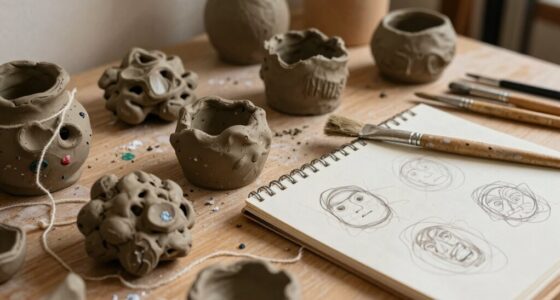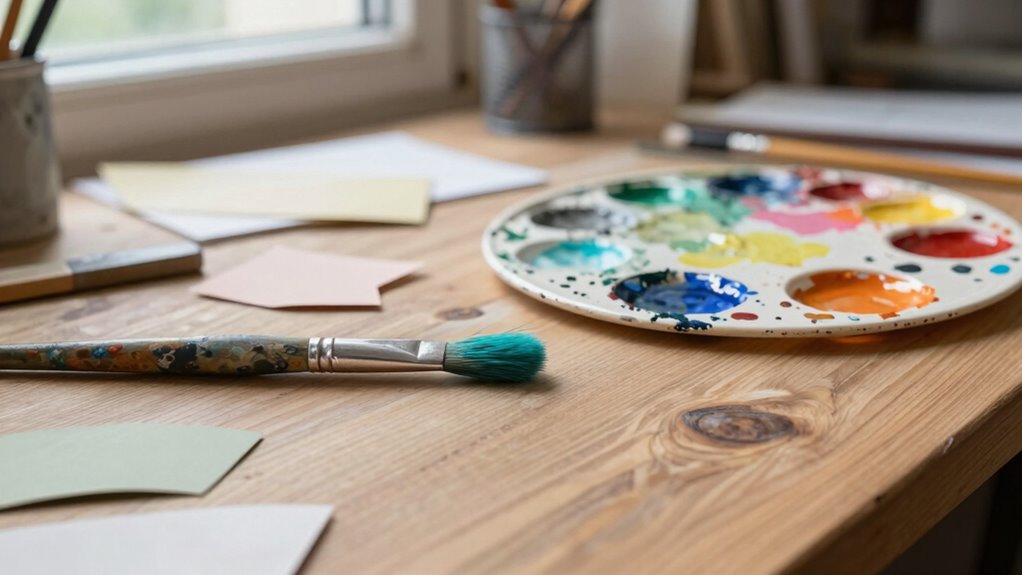

To develop your own craft style without copying Pinterest, focus on discovering what truly inspires you by noting your favorite colors, textures, and themes. Experiment with different materials and techniques, trusting your instincts to find what feels natural. Keep a journal to track your progress and reflect on your personal stories. Simplify your projects and embrace imperfections as part of your unique look. If you keep exploring, you’ll uncover your authentic style with confidence.
Key Takeaways
- Recognize your personal inspirations and track themes, colors, and textures that resonate to build an authentic style.
- Focus on techniques and styles that feel natural, trusting your instincts rather than copying trends.
- Experiment with mixed media and unconventional materials to discover what genuinely excites you.
- Simplify your work with minimalism and bold color choices to emphasize your unique craftsmanship.
- Keep a craft journal and reflect regularly to understand your evolving preferences and avoid imitation.
art journal supplies
As an affiliate, we earn on qualifying purchases.
As an affiliate, we earn on qualifying purchases.
Recognize Your Unique Inspirations

How can you identify what truly inspires your craft? It starts with paying attention to your personal inspiration—those moments or ideas that spark excitement and passion. Think about the projects that feel effortless or the themes that resonate deeply with you. Your creative influences are more than just popular trends; they include the art, colors, textures, or stories that speak to your heart. Keep a journal or mood board to track what consistently excites you. Notice patterns in your favorite works or materials. Recognizing these personal inspirations helps you develop an authentic style, rather than copying others. Paying attention to natural landscapes and how they influence your energy and creativity can also inform your artistic process. When you understand what genuinely moves you, your craft becomes a reflection of your unique perspective, setting you apart from the crowd. Additionally, understanding best soil for plants can metaphorically guide you in nurturing your creative environment to foster growth and creative resilience. Embracing diverse crochet styles for locs can inspire new ways to express yourself while staying true to your personal aesthetic.
mixed media art supplies
As an affiliate, we earn on qualifying purchases.
As an affiliate, we earn on qualifying purchases.
Experiment With Different Materials and Techniques
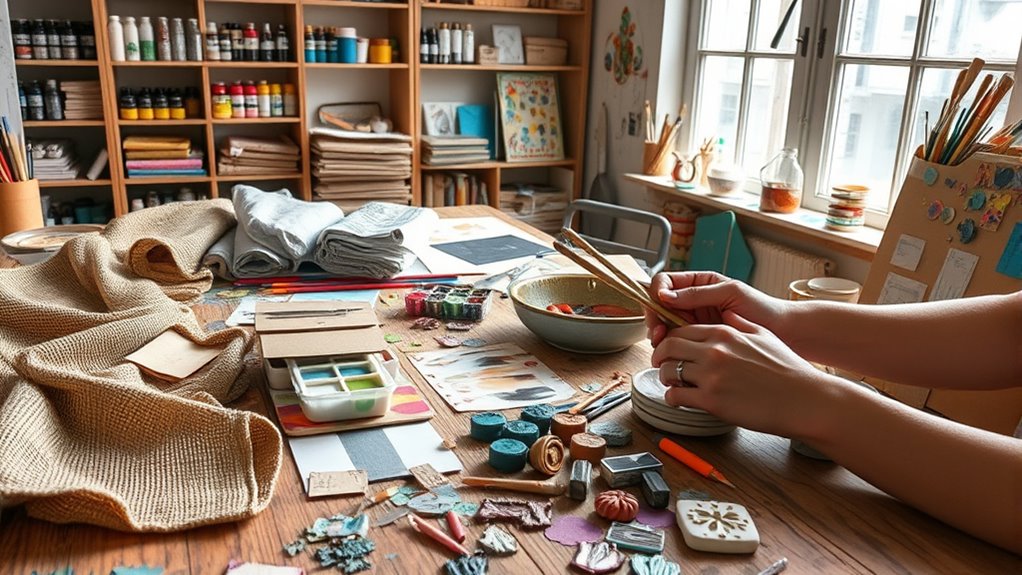
Have you ever considered that trying out new materials and techniques can reveal hidden aspects of your craft? Exploring mixed media and unconventional techniques pushes your boundaries and sparks originality. For example, you might:
Experimenting with new materials and techniques unlocks your creative potential and reveals hidden aspects of your craft.
- Layer textured fabric with watercolor to create depth.
- Incorporate collage elements into traditional painting.
- Use found objects as tools or embellishments.
- Experiment with resist techniques like wax or masking fluid.
- Learning about creative techniques and experimenting with new approaches can further expand your artistic toolkit. Embracing new artistic methods encourages innovation and keeps your work dynamic. Additionally, understanding market trends can help you tailor your unique style to current audience preferences.
These approaches challenge your comfort zone and help you discover what truly resonates with your style. By mixing different mediums and trying methods outside your usual repertoire, you develop a distinctive look that’s uniquely yours. Embracing experimentation keeps your craft fresh, exciting, and free from the influence of others’ work, moving you closer to developing your own signature style.
unconventional craft materials
As an affiliate, we earn on qualifying purchases.
As an affiliate, we earn on qualifying purchases.
Focus on What Feels Natural to You
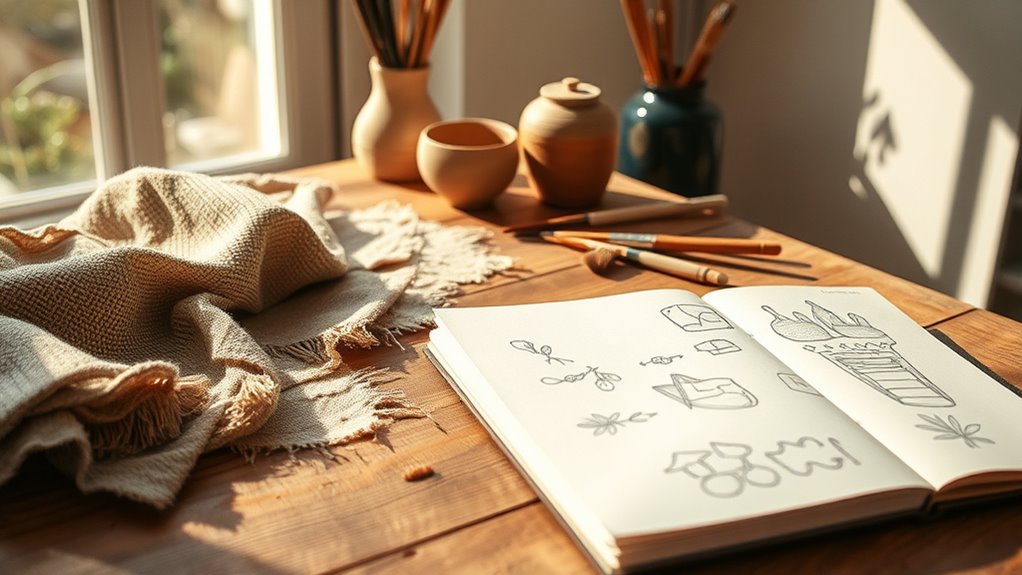
What truly sets your work apart often comes down to what feels most natural to you. When you focus on your instincts and preferences, you allow your personal expression to shine through. Authentic creativity emerges when you prioritize techniques and styles that resonate with your unique sensibilities, rather than copying others. Trusting what feels right helps you develop a genuine craft style that reflects who you truly are. This approach encourages you to experiment freely, knowing that your choices are rooted in your own preferences. By honing in on what’s natural, you create work that’s sincere and distinctive. Additionally, understanding the importance of authenticity in creativity can help reinforce the value of developing your own style over copying trends. Recognizing the role of personal expression in your work allows you to cultivate a style that is not only unique but also deeply meaningful. Embracing your individuality further supports the development of a style that is truly reflective of your personality and vision, rather than conforming to external influences. Ultimately, embracing your authentic voice leads to a craft style that’s uniquely yours, built on genuine passion rather than external trends.
minimalist craft tools
As an affiliate, we earn on qualifying purchases.
As an affiliate, we earn on qualifying purchases.
Keep a Craft Journal to Track Your Progress

Keeping a craft journal consistently helps you stay mindful of your progress and uncover patterns in your work. Use it to explore mind mapping techniques that connect ideas and techniques, revealing your evolving style. Incorporate goal setting strategies by noting weekly targets, such as mastering a stitch or experimenting with color palettes. Visualize your journey with entries like:
- Sketches of new ideas, layered with notes on techniques used.
- Photos of finished projects, highlighting recurring motifs.
- Reflections on what felt natural or frustrating during each session.
- Lists of skills to improve or styles to explore further.
This practice keeps your focus sharp, reveals personal preferences, and guides your growth. A well-maintained journal becomes your personalized roadmap to developing an authentic craft style. Additionally, referencing unique high-quality products can inspire your designs and help you define your distinctive aesthetic. Incorporating AI-powered tools can further enhance your creative process by offering new ideas and efficiency. Regularly reviewing your journal entries can also provide valuable insights into retirement planning and how ongoing learning supports your artistic journey.
Mix and Match Styles to Find Your Voice
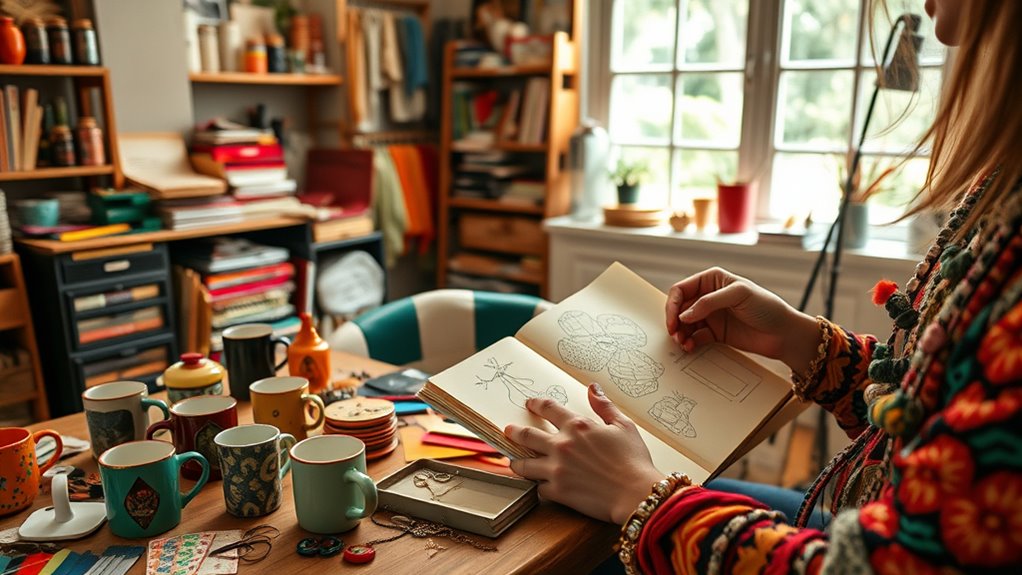
Try combining different elements from various styles to discover what feels right for you. Experiment with color schemes to see how they influence your overall look and mood. This playful approach helps you develop a unique voice that truly reflects your personality.
Combine Different Elements
To develop a unique craft style, experimenting with different elements can be incredibly effective. Combining techniques like color blending and pattern layering helps you create visually intriguing pieces. Imagine layering a soft pastel hue over a bold geometric pattern or blending shades to evoke depth. You can try:
- Merging watercolor washes with textured fabric for a seamless color merge.
- Overlaying intricate patterns on contrasting backgrounds for a dynamic look.
- Mixing smooth color transitions with sharp, defined lines.
- Combining different textures and patterns to add dimension and interest.
- Incorporating body jewelry measurements to understand how different sizes and materials can influence your craft’s aesthetic and functionality.
Understanding color theory can further enhance your ability to combine elements harmoniously and create cohesive designs. Additionally, exploring various artistic techniques can inspire new ways to express your personal style and avoid imitation. For example, studying Haute Couture craftsmanship can provide insights into intricate detailing and luxurious fabric use, elevating your creative approach and helping you develop a truly distinctive style. Being aware of postpartum healing can also influence your choice of materials and techniques, ensuring your work remains comfortable and safe if you are creating wearable art.
Experiment With Color Schemes
Experimenting with different color schemes is a powerful way to discover your unique craft voice. Start by creating a versatile color palette that reflects your personality and style. Don’t be afraid to mix bold hues with softer shades—this keeps your work fresh and inviting. Focus on hue harmony to ensure your colors complement each other, creating a balanced look. Test out combinations by applying them to small projects or sketches before committing. Pay attention to how colors interact and evoke feelings, helping you develop a signature aesthetic. Over time, you’ll identify which color palettes resonate most with your vision. Remember, experimentation is key—trust your instincts and let your choices evolve naturally. This process will help you craft a distinctive, authentic style that’s uniquely yours. Incorporating limited-edition artwork can also inspire your palette and add a touch of exclusivity to your work.
Limit Your Exposure to Overly Perfect Creations
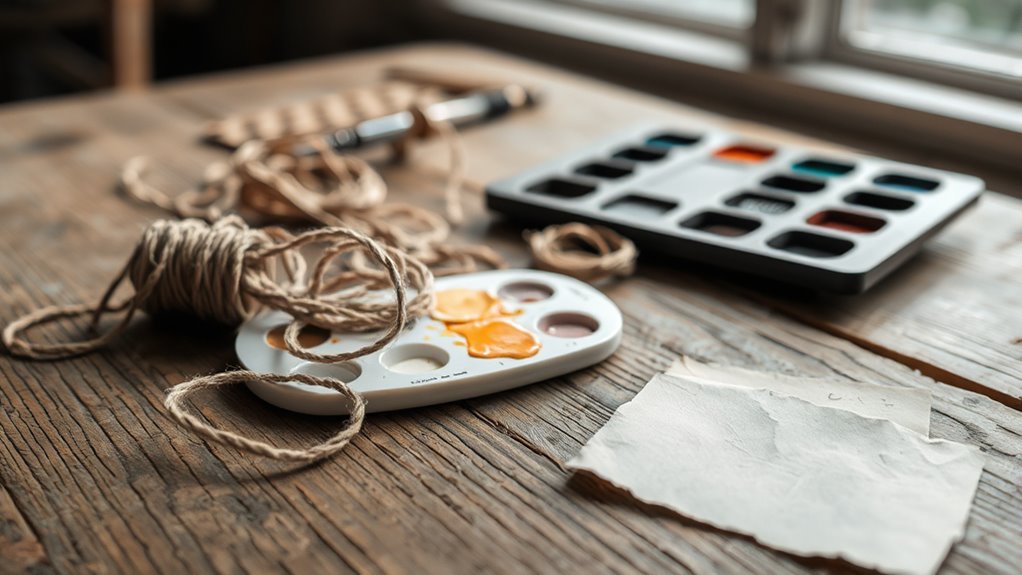
To develop your own style, you need to be selective about the inspiration you consume. Limit your social media time and curate your sources so you see authentic work, not perfection. Focus on your personal projects to avoid comparing yourself to overly polished creations. Incorporating music therapy techniques can also help you connect more deeply with your unique creative voice.
Curate Your Inspiration Sources
Have you ever noticed how endless exposure to perfect, polished creations can stifle your own creativity? To develop your unique craft style, curate your inspiration sources carefully. Focus on diverse visual inspiration that sparks new ideas, rather than just polished images. Seek material diversity—explore different textures, mediums, and styles—so your work remains fresh and authentic. Limit exposure to overly perfect projects that set unattainable standards. Instead, look for raw, imperfect pieces that show process and personality. Imagine:
- Rustic sketches with visible pencil strokes
- Textured fabric samples with irregular patterns
- Vintage photos with natural wear
- Handwritten notes full of character
These sources encourage originality and help you build a style rooted in authenticity.
Limit Social Media Time
Constantly scrolling through social media exposes you to highly curated, polished creations that can make your own work feel inadequate. To develop your unique craft style, set clear social media boundaries that limit your exposure to perfection. Instead of mindlessly browsing, create intentional crafting routines that focus on your personal growth. Dedicate specific times for social media, and stick to them, so you’re not tempted to compare or get distracted by flawless images. Remember, these platforms often showcase idealized versions of others’ work, not real processes. By controlling your social media time, you give yourself space to experiment, make mistakes, and develop your voice without feeling overwhelmed by impossible standards. This discipline helps you trust your instincts and embrace your authentic creative journey.
Focus on Personal Projects
Focusing on your personal projects allows you to bypass the pressure of creating perfect work seen online. Instead, you can embrace mindful reflection and enjoy creative solitude. This space lets you experiment freely without fear of judgment. Imagine:
- Sketching in your quiet corner, lines flowing naturally.
- Picking up materials that inspire spontaneous ideas.
- Trying new techniques without expectations.
- Revisiting old projects with fresh eyes, learning from your process.
Limiting exposure to overly perfect creations helps you develop authenticity. When you focus inward, you cultivate your unique style without comparison. Personal projects become a safe haven for honest expression, helping you build confidence and refine your voice. Trust in this process, and your craft will evolve naturally. Authenticity is key to developing a genuine artistic identity. Incorporating visual and auditory cues into your process can also support your growth by enhancing your sensory awareness and facilitating skill development. Additionally, understanding the types and eligibility of gold for IRAs can inspire new perspectives on value and uniqueness in your artwork.
Use Personal Stories and Memories as a Foundation
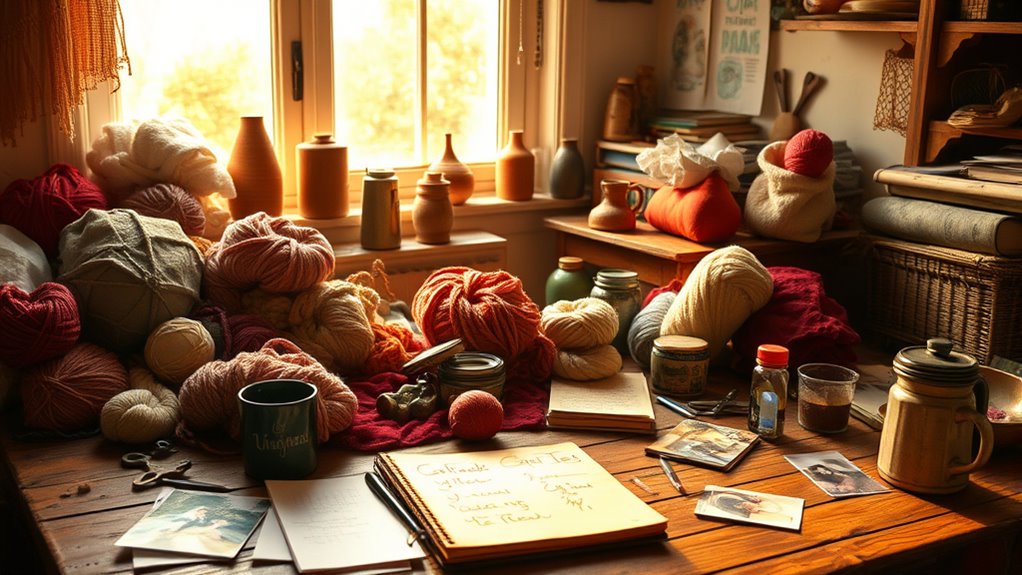
Using personal stories and memories as a foundation can deeply enrich your craft style because they add authenticity and emotional resonance to your work. Memory inspiration fuels your creativity, allowing you to craft pieces that reflect genuine experiences. Personal storytelling helps you connect with your audience on a deeper level, making your work more meaningful and unique. Instead of mimicking trends or Pinterest-perfect images, draw from your life to create something truly original. When you incorporate your memories, your craft becomes a reflection of your identity, giving it depth and character. Trust your personal history as a well of inspiration. This approach ensures your style remains authentic, rooted in your own experiences rather than following someone else’s design trends.
Simplify Your Projects to Emphasize Your Style

When you simplify your projects, you create space for your unique style to shine through. Embracing minimalist design helps highlight your craftsmanship without unnecessary clutter. Focus on bold color palettes to make a statement, rather than overloading with details. To achieve this, consider:
- Using clean lines and simple shapes that reflect your personal aesthetic.
- Limiting your color choices to a few impactful shades.
- Removing extraneous embellishments that distract from your core design.
- Highlighting key elements with contrast, letting your bold colors stand out.
Seek Feedback From Trusted Friends or Fellow Crafters
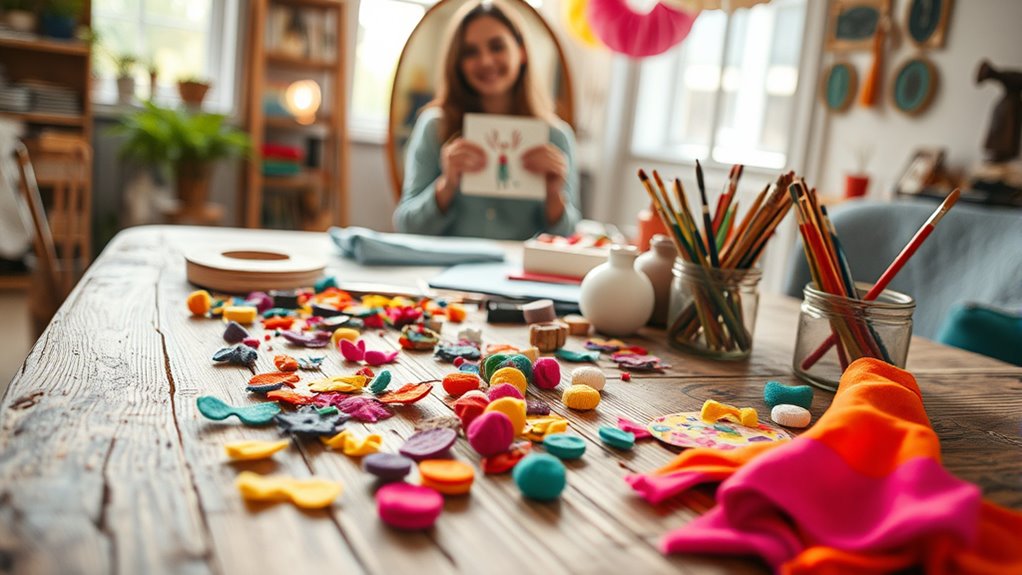
Sharing your simplified projects with trusted friends or fellow crafters provides valuable perspective. They can offer honest feedback through peer review, helping you see your work from different angles. Engaging in creative collaboration allows you to identify what truly reflects your style and what might need refining. These conversations can uncover hidden strengths and reveal areas for improvement you might overlook on your own. When you open yourself to constructive criticism, you build confidence and develop a clearer understanding of your unique craft voice. Remember, trusted friends or fellow crafters are there to support your growth, not criticize. Their insights can inspire new ideas and help you stay authentic, ensuring your craft style continues to evolve naturally.
Embrace Imperfections as Part of Your Signature Look

Have you ever considered that imperfections can actually enhance the uniqueness of your craft? Embracing these creative imperfections adds authentic charm and makes your work stand out. Instead of aiming for perfection, see flaws as part of your handmade authenticity. Picture your projects with:
- Slight irregularities in stitching that tell a story
- Uneven glaze that adds character to pottery
- Variations in paint thickness creating depth
- Asymmetrical designs that evoke a handcrafted feel
These details showcase your individuality and create a signature look. When you accept imperfections, you celebrate your artistic journey. Your craft becomes more relatable and genuine, resonating with others who value authenticity over perfection. Remember, your creative imperfections are what make your work truly yours.
Frequently Asked Questions
How Do I Balance Inspiration Without Copying Others’ Work?
To balance inspiration without copying, you need to respect your originality challenges and set clear creative boundaries. Use others’ work as a springboard, but add your personal twist to make it unique. Focus on experimenting with different techniques and materials, and reflect on what resonates with you. By doing this, you’ll develop a craft style that’s authentically yours, blending inspiration with your creative voice.
Can I Develop a Unique Style if I Only Craft as a Hobby?
Absolutely, you can develop a unique style even as a hobbyist. Did you know that over 60% of successful creators started simply for fun? Focusing on personal branding helps you stand out, while skill diversification broadens your creative voice. Keep experimenting with different techniques and materials, and over time, your distinct style will naturally emerge—showcasing your personality without needing to pursue it professionally.
How Do I Stay Motivated to Explore My Own Craft Style?
To stay motivated exploring your craft style, establish creative routines that keep you engaged regularly. Set small, achievable goals to track your progress and celebrate your growth. Surround yourself with inspiring ideas, but focus on your unique voice. Remember, consistency fuels creativity; so, make time for your craft daily or weekly. This steady effort will help you develop a style that’s genuinely yours without feeling overwhelmed.
What if My Style Changes Over Time—How Do I Adapt?
Your style will evolve like a river carving new paths, so embrace the change. To adapt, stay open to personal growth and experiment with different techniques, materials, or themes. Reflect on what resonates with you now, not what once did. By continuously exploring and embracing your creative evolution, you’ll develop a flexible, authentic style that grows alongside you, making your craft uniquely yours at every stage.
Is It Okay to Combine Different Styles in One Project?
Yes, combining different styles in one project is totally okay. Embrace style fusion to create a unique look that showcases your aesthetic diversity. Mix and match elements that resonate with you, and don’t be afraid to experiment. By blending styles, you make your work more personal and interesting. Just keep a sense of balance, so the different influences complement each other rather than clash.
Conclusion
Now, let your craft be your voice, a melody rising from your own unique tune. Embrace the quirks and imperfections—they’re the brushstrokes that make your work truly yours. Like a garden, nurture your style with patience and passion, letting it bloom naturally. Trust in your instincts, and soon your creations will dance to the rhythm of your heart, crafting a signature that’s unmistakably yours—beautiful, genuine, and one-of-a-kind.