To build a 30-day craft challenge you’ll finish, pick a theme or skill you want to learn, like knitting or watercolor painting. Commit to practicing daily, but stay flexible if needed. Track your progress and celebrate small wins to keep motivation high. Try different techniques to stay engaged and prevent boredom. Keep a dedicated space to craft and reflect on what you learn. If you keep going, you’ll discover tips to make your challenge successful.
Key Takeaways
- Choose a specific craft or skill and set clear, achievable daily goals to maintain motivation.
- Incorporate variety by practicing different techniques to keep the challenge engaging and prevent boredom.
- Track progress using a journal or digital app, and share updates to stay accountable and motivated.
- Maintain flexibility by adjusting goals or taking breaks, celebrating small wins to build confidence.
- Reflect on skills learned and progress made to inspire continued creativity beyond the 30 days.

Have you ever thought about how crafting can boost your creativity and reduce stress? National Craft Month is the perfect time to explore new ways to engage with your creative side. One effective way to immerse yourself in crafting is by building a 30-day skill challenge. This approach keeps your motivation high and helps you develop a consistent routine, making crafting a rewarding part of your daily life. To start, pick a theme or skill you’re interested in—whether it’s knitting, painting, or paper crafts—and commit to practicing it every day for a month. Setting small, achievable goals for each day keeps the process manageable and prevents overwhelm. As you progress, you’ll notice how your confidence grows along with your skills.
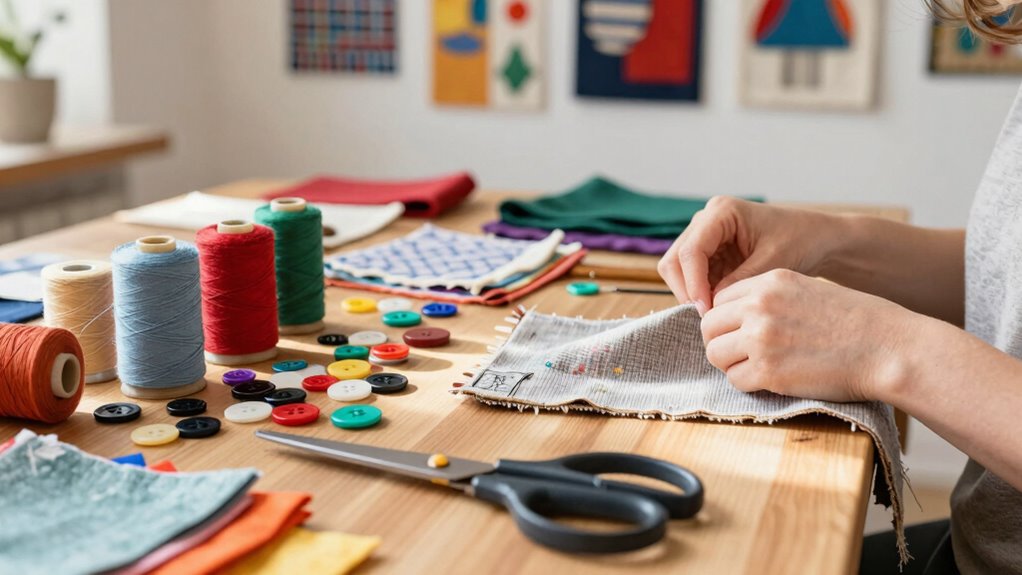
When designing your challenge, consider incorporating various crafting techniques to keep things fresh. For example, one day might focus on basic sewing stitches, while another could be dedicated to watercolor blending or paper quilling. This variety prevents boredom and helps you learn a wide range of DIY projects. Plus, experimenting with different techniques can inspire new ideas and push you outside your comfort zone. Keep a journal or digital record of your daily projects; this way, you can track your progress and see how much you’ve improved over time. Sharing your journey on social media or with friends can also boost your motivation and provide valuable feedback.
To ensure you finish your 30-day challenge, be flexible and forgiving with yourself. Some days might be busier than others, and that’s okay—adjust your goals or take a break if needed. The key is consistency, not perfection. Celebrate each small victory, whether it’s completing a small craft or learning a new technique. These wins build momentum and make it easier to stick with the challenge through the entire month. Remember, the goal isn’t just to finish but to enjoy the process and discover new passions along the way.
Additionally, developing a home crafting space can enhance your focus and make daily crafting more enjoyable. Finally, as you complete your challenge, reflect on what you’ve learned and what crafts sparked your interest the most. This reflection can guide your future DIY projects and help you continue developing your skills beyond the 30 days. Embrace the journey, knowing that each day’s effort brings you closer to becoming more creative and relaxed. By the end of the month, you’ll have a collection of new skills, a deeper appreciation for crafting techniques, and a sense of accomplishment that motivates you to keep creating long after National Craft Month has passed.
Frequently Asked Questions
How Do I Choose the Right Skill for My 30-Day Challenge?
To choose the right skill for your 30-day challenge, start with a skill that sparks your creative inspiration and aligns with your interests. Conduct a skill assessment to identify areas for growth and challenge yourself without feeling overwhelmed. Pick something achievable yet rewarding, ensuring you can dedicate consistent time. This way, you’ll stay motivated and excited to complete your challenge while developing a new, valuable skill.
What Tools or Materials Are Needed to Start a Craft Skill?
To start your craft skill, gather essential craft supplies and beginner tools. You’ll need basic items like scissors, glue, and markers, along with specific supplies related to your chosen craft, such as yarn and crochet hooks or paint and brushes. Keep it simple at first, focusing on quality over quantity. Having the right tools on hand makes your daily practice smoother, helping you build confidence and stay motivated throughout your 30-day challenge.
How Can I Stay Motivated Throughout the Challenge?
To stay motivated throughout your craft challenge, tap into your intrinsic motivation by focusing on what excites you about creating. Set small, achievable goals and track your progress to see how far you’ve come. Find accountability partners to keep you accountable and motivated, sharing your journey and celebrating milestones together. Remember, enjoying the process and having support makes it easier to stay committed and finish strong.
What if I Miss a Day or Fall Behind Schedule?
Missing a day happens, but don’t let it derail you. Think of your challenge as a mountain climb—overcoming setbacks is part of the journey. If you fall behind, adjust your goals, like taking a detour to reach the summit. Stay flexible, refocus, and keep moving forward. Remember, progress isn’t linear; it’s about persistence and resilience, not perfection. You’ll finish stronger by adapting along the way.
How Do I Track My Progress Effectively?
You can track your progress effectively by using progress charts to visualize your achievements and stay motivated. Regularly update your chart to see how far you’ve come, and don’t hesitate to share your goals with accountability partners who can encourage you to stay on track. These tools help you identify patterns, celebrate milestones, and keep your focus, even if you miss a day or fall behind.
Conclusion
By committing to a 30-day skill challenge this National Craft Month, you’ll not only improve your abilities but also boost your confidence. Did you know that 92% of people who set small, achievable goals are more likely to stick with their new habits? So, pick a craft, set daily goals, and enjoy the journey. You’ll be surprised how quickly those tiny steps add up to impressive progress in just a month.