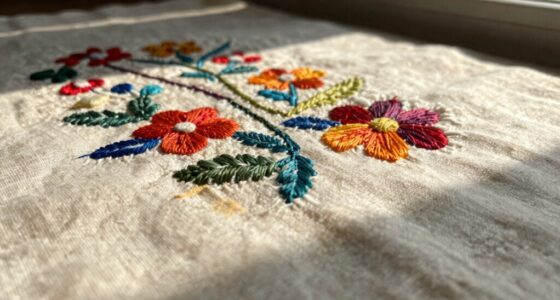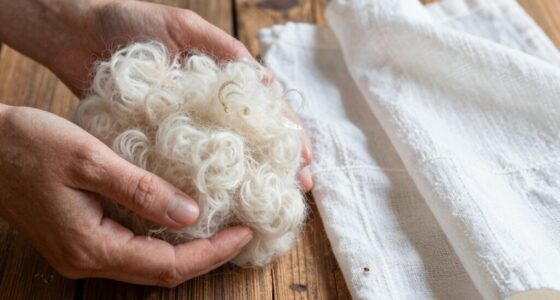

To protect delicate surfaces from dust, light, and friction, regularly dust with a soft, static-free cloth and avoid rough materials that can scratch. Use UV-protective coatings or covers to prevent fading from sunlight. Handle objects gently and place pads or felt protectors under items to minimize friction damage. Inspect surfaces often and adjust your care routine accordingly. Want more tips? Keep exploring to discover additional ways to keep your delicate surfaces in top condition.

Get business pricing on tools and workshop supplies
- Business-only prices and quantity discounts
- Tax-exempt purchasing
- Multiple users, one account, clear invoices
Key Takeaways
- Use UV-protective coatings or covers to shield surfaces from damaging light exposure.
- Regularly clean with soft, static-free cloths to prevent dust buildup.
- Place protective pads, coasters, or felt under objects to minimize friction.
- Keep delicate surfaces covered or in shaded areas to reduce light and environmental impact.
- Handle items gently and avoid heavy or sharp objects that could cause scratches or damage.
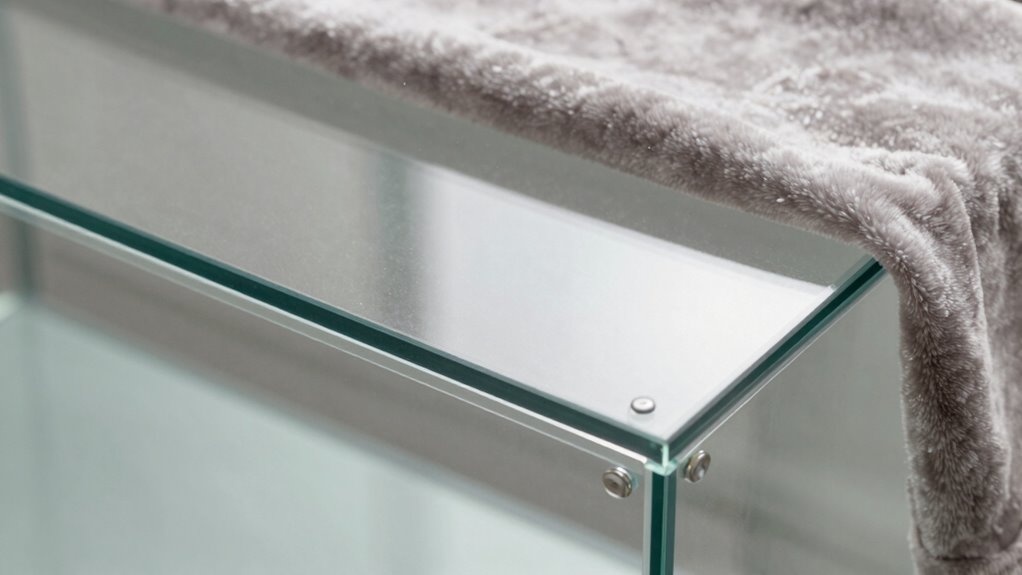
Delicate surfaces require careful handling to prevent damage and maintain their appearance. You need to be intentional about how you clean and protect these materials, especially since they can easily show signs of wear from dust, light, and friction. Proper cleaning techniques are essential; gentle dusting with a soft cloth or microfiber is your first step. Avoid rough materials or abrasive cleaners that can scratch or dull the surface. When using liquids, opt for a damp cloth rather than soaking, and always test a small, inconspicuous area first to ensure compatibility. This approach minimizes the risk of moisture damage and keeps the surface looking pristine. Additionally, understanding the material properties of your surfaces can help you choose the most appropriate cleaning methods and protective measures. Material selection is equally important. Choosing the right materials for cleaning and protection can make a significant difference. For instance, when cleaning wood, use products specifically designed for that surface—avoid harsh chemicals that can strip finishes or cause discoloration. For glass or acrylic surfaces, specialized cleaning solutions that cut through smudges without scratching are best. When protecting delicate surfaces from light, consider UV-protective coatings or covers that reduce exposure and prevent fading over time. For dust, regularly using a soft, static-free cloth prevents buildup that can cause scratches when wiped away. Friction poses another challenge; it can wear down surfaces over time or cause tiny abrasions. To prevent this, handle objects gently and avoid placing heavy or sharp items directly on delicate surfaces. Use pads, coasters, or felt protectors under objects that are moved frequently. When cleaning, move your cloth or brush gently across the surface—never scrub aggressively. This reduces friction and prolongs the lifespan of your delicate materials. It is also helpful to regularly inspect your surfaces to catch any signs of damage early and address issues before they worsen. Being aware of the environmental factors that impact your surfaces can help you implement more effective protection strategies. In terms of material selection, consider the environment where your surfaces are located. For example, if your space gets a lot of sunlight, opt for materials that are resistant to UV damage or use window coverings that filter light. Additionally, choosing appropriate cleaning tools** made from soft, non-abrasive fibers ensures effective cleaning while preserving the surface finish. Some materials are inherently more resistant to dust, light, and friction—like certain plastics or treated woods—so selecting these can make ongoing maintenance easier. Regularly adapting your cleaning techniques** based on the specific surface type can further extend its lifespan and appearance.
As an affiliate, we earn on qualifying purchases.
Frequently Asked Questions
Can Protective Covers Be Reused Safely on Delicate Surfaces?
Yes, you can reuse protective covers safely on delicate surfaces if they’re designed for repeated use. Reusable covers help maintain surface longevity by providing ongoing protection against dust, light, and friction. Before reapplying, check for any signs of wear or damage, and clean them according to manufacturer instructions. Properly maintained reusable covers guarantee continued protection without risking damage to your delicate surfaces.
What Materials Are Best for Shielding Surfaces From Dust?
You should choose materials with high durability for shielding surfaces from dust, such as microfiber cloths or fine mesh covers. These provide effective protective layering without scratching or damaging delicate surfaces. Microfiber, in particular, traps dust particles efficiently and is gentle on surfaces, making it ideal for long-term use. Opt for durable, breathable materials that maintain their protective qualities over time, ensuring your surfaces stay clean without risking damage.
How Often Should I Clean Protective Coverings?
You should clean protective coverings every couple of weeks to maintain their effectiveness. Think of it like changing your car’s air filter—regular cleaning keeps dust and debris from clogging your surface and guarantees durability. Cleaning frequency depends on exposure, so if your coverings face more dust or light, clean them more often. Using durable covers can extend cleaning intervals, but regular maintenance keeps your delicate surfaces safe and pristine.
Do Certain Lighting Conditions Accelerate Surface Damage?
Yes, certain lighting conditions can accelerate surface damage. Harsh, direct sunlight causes lighting effects that lead to surface discoloration over time. UV rays break down materials, fading colors and weakening finishes. To protect your delicate surfaces, avoid prolonged exposure to bright, direct light and consider using UV-filtering covers or curtains. This helps minimize lighting effects that contribute to discoloration and overall damage, keeping your surfaces looking fresh longer.
Are There Eco-Friendly Options for Protecting Delicate Surfaces?
Yes, there are eco-conscious alternatives for protecting delicate surfaces. You can opt for sustainable shielding materials like biodegradable covers, recycled fabric wraps, or eco-friendly films that block dust and light. These options not only safeguard your surfaces effectively but also reduce environmental impact. By choosing these sustainable shielding materials, you contribute to eco-friendly practices while maintaining the integrity of your delicate items.
As an affiliate, we earn on qualifying purchases.
Conclusion
By taking these simple steps, you can keep your delicate surfaces looking pristine for years to come. Remember, a little prevention goes a long way—think of it as giving your cherished items the tender loving care they deserve. Don’t wait until trouble strikes; stay proactive and protect your treasures from dust, light, and friction. After all, a stitch in time saves nine, so act now to keep your surfaces shining bright and damage-free.
As an affiliate, we earn on qualifying purchases.
anti-scratch glass cleaning solution
As an affiliate, we earn on qualifying purchases.
As an affiliate, we earn on qualifying purchases.
Fall Picks
fall essentials
As an affiliate, we earn on qualifying purchases.