
To make Valentine’s cards that don’t look “store-bought,” focus on a simple, intentional layout that highlights your handmade details. Center your focal point, like a heartfelt message or embellishment, and leave white space to give your design room to breathe. Use natural elements, unique textures, and a cohesive color scheme to add personality and charm. Play with placement to guide the eye and create balance—discover the key tweaks that turn a simple card into a memorable keepsake.
Key Takeaways
- Use a simplified layout with centered focal points and white space to create an intentional, handcrafted feel.
- Incorporate handmade embellishments like paper flowers or natural elements strategically for visual interest.
- Choose a cohesive color scheme with 2-3 harmonious tones to unify all design elements.
- Arrange embellishments and text with a clear visual hierarchy, guiding the viewer’s eye naturally.
- Focus on texture and material variety to add depth, making the card look personalized and professionally crafted.

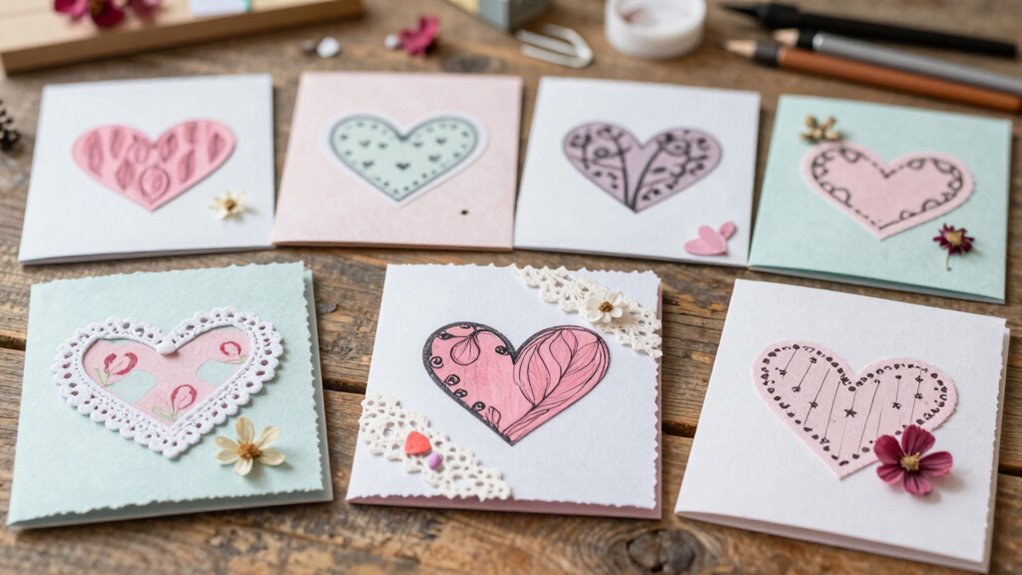
Creating a beautifully arranged Valentine’s card can be easier than you think with a simple layout trick. Instead of aiming for perfection or copying store-bought designs, focus on customizing your card with handmade embellishments and thoughtful color scheme choices. These elements instantly elevate your design, making it unique and heartfelt. Handmade embellishments, like tiny paper flowers, delicate bows, or hand-cut shapes, add texture and personality that mass-produced cards can’t match. When you craft these details yourself, you control every aspect, ensuring they reflect your style and the message you want to send. Start by gathering supplies such as patterned papers, ribbons, buttons, or even dried flowers. Use a craft knife or scissors to cut shapes that complement your overall theme, and attach them with glue or double-sided tape for a professional finish. Combining different textures and materials creates visual interest and makes your card stand out.
Additionally, incorporating natural elements like pressed leaves or small twigs can add an organic touch that enhances the handmade feel. Your color scheme choices also play a crucial role in achieving a personalized look. Instead of sticking to traditional reds and pinks, consider a palette that resonates with your recipient’s personality or the tone of your message. Soft pastels, deep jewel tones, or even monochromatic schemes can make your card feel sophisticated and intentional. Select two or three main colors and build your design around them, ensuring all embellishments and background papers harmonize. This approach not only simplifies the design process but also results in a cohesive look that feels polished rather than cluttered. When choosing colors, think about contrast and balance—pair a bold hue with neutral shades to make key elements pop, or opt for harmonious tones for a more subtle effect.
Placement is key. Keep your layout simple by centering focal points, like a handwritten message or a handcrafted embellishment, and surround it with complementary elements. Use visual hierarchy to guide the eye naturally across the card, avoiding overcrowding. Leave some white space or background areas to give the design room to breathe. This minimal yet thoughtful approach ensures that your handmade embellishments and color choices shine without overwhelming the viewer. By applying this layout trick—focusing on handmade details and strategic color scheme choices—you’ll craft Valentine’s cards that radiate sincerity and creativity, turning a simple gesture into a memorable keepsake.
handmade Valentine’s Day card supplies
As an affiliate, we earn on qualifying purchases.
As an affiliate, we earn on qualifying purchases.
Frequently Asked Questions
What Materials Are Best for DIY Valentine’s Cards?
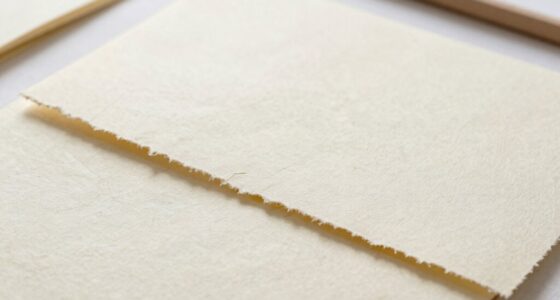
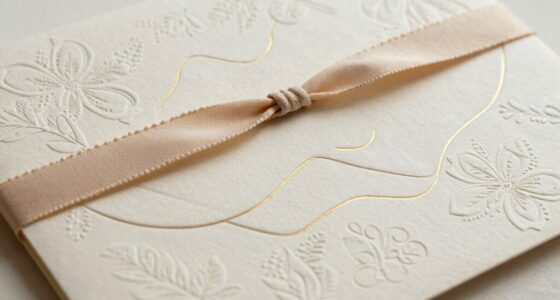
For DIY Valentine’s cards, use thick cardstock as your base for durability and a professional feel. Incorporate embossing techniques to add texture and elegance, and create watercolor backgrounds for vibrant, personalized designs. These materials allow you to craft unique, heartfelt cards that stand out. Combine textured embossing with soft watercolor washes, and you’ll have stunning, store-bought look-alike cards that truly express your love.
How Can I Personalize Cards for Different Recipients?
Ever wonder how to make each card feel special? You can personalize cards by including handwritten messages tailored to each recipient’s personality or shared memories. Add thematic embellishments that match their interests or hobbies, making the card unique. This thoughtful touch shows you care and creates a meaningful keepsake. By customizing with these details, you’ll turn a simple card into a heartfelt gesture that truly resonates with everyone.
What Tools Help Create Professional-Looking Layouts?
Digital tools like Canva or Adobe Spark offer user-friendly interfaces and plenty of layout templates to help you create professional-looking Valentine’s cards. You can customize fonts, colors, and images easily, making each card unique. These tools streamline the design process, allowing you to focus on personal touches. With layout templates, you get a solid foundation that helps your card look polished and eye-catching without needing advanced design skills.
How Long Does It Typically Take to Make a Custom Card?
Creating a custom card usually takes about 1 to 3 hours, depending on your card making techniques and the level of detail you want. If you’re using simple decorations, it might only take an hour, but more intricate designs could extend your creative time estimates. Focus on planning your layout first, gather your materials, then work steadily, and you’ll have a heartfelt, unique card ready in no time.
Are There Eco-Friendly Options for Homemade Valentine’s Cards?
Yes, you can make eco-friendly homemade Valentine’s cards using recycled paper and plant-based inks. Recycled paper reduces waste and minimizes environmental impact, while plant-based inks are a sustainable alternative to traditional inks. You’ll feel good about creating a heartfelt card that’s kind to the planet. Plus, these materials add a unique, natural touch to your design, making your card truly special and environmentally conscious.
embellishments for greeting cards
As an affiliate, we earn on qualifying purchases.
As an affiliate, we earn on qualifying purchases.
Conclusion
By mastering this simple layout trick, you’ll transform your Valentine’s cards from plain to personal, turning them into heartfelt treasures. Think of your design as a canvas waiting for your unique touch—like a blank page hungry for your story. When you step away from store-bought templates, your cards become more than just paper; they become a reflection of your love. So go ahead, create something that genuinely speaks from your heart—because that’s what truly matters.
natural elements for craft projects
As an affiliate, we earn on qualifying purchases.
As an affiliate, we earn on qualifying purchases.
As an affiliate, we earn on qualifying purchases.