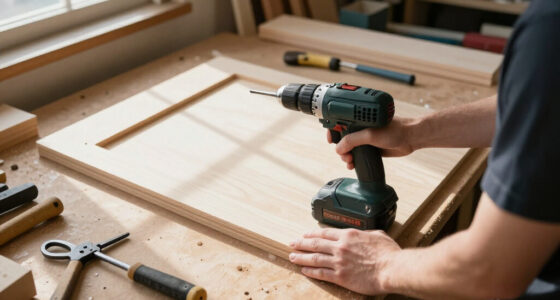
To add authentic depth to your handmade work without creating chaos, embrace surface imperfections as part of your design. Use intentional techniques like dry brushing, layering glazes, and textured finishes to highlight variations and surface flaws. Carefully exposing and celebrating these features creates a genuine, layered look that feels rich and vibrant. When you master balancing imperfections with your artistic skills, your pieces will radiate authenticity—discover how to turn mess into meaningful texture.
Get ready for Prime Big Deal Days — try Prime free
Exclusive member deals on October 6–7, plus fast free delivery. Cancel anytime.
As an affiliate, we earn on qualifying purchases.
Key Takeaways
- Embrace surface imperfections as intentional design features to add authenticity and visual interest.
- Use textured finishes like washes, dry brushing, or glazing to highlight surface variations effectively.
- Layer different mediums and finishes to create depth without creating a messy appearance.
- Highlight imperfections with deliberate techniques to enhance their role as artistic features.
- Balance surface textures and imperfections with controlled application to achieve a rich, authentic look.

Many products labeled as “handmade” often give the impression of unique craftsmanship, but the reality can be quite different. Sometimes, what seems like artistic authenticity is just a carefully crafted illusion. While handmade items are expected to showcase individuality, they can also carry surface imperfections that aren’t intentional but are mistaken for signs of authenticity. These imperfections, such as uneven paint strokes or minor dents, are often highlighted as proof of a product’s handcrafted nature. However, relying solely on surface imperfections can be misleading, as they don’t always equate to true artistry or quality. Instead, they can just be quirks that result from rushed or careless work, or from subpar tools and materials. Understanding how to work with surface imperfections is key to adding depth without creating a messy chaos, and integrating innovative techniques can help elevate your work. Rather than trying to hide every flaw, embrace them as part of the process. This gives your work a layered, textured appearance that feels genuine and compelling. For example, a subtle variation in paint thickness or a slight roughness on the surface can add visual interest, making your piece appear more complex and inviting. The trick is to balance these imperfections with deliberate techniques that enhance rather than detract from your finished look.
To do this effectively, you can incorporate textured finishes like washes, dry brushing, or glazing. These methods help highlight surface imperfections instead of disguising them, turning flaws into features. For instance, a light dry brush over a textured surface can catch on raised areas, emphasizing their depth and creating a tactile quality that invites viewers to explore your work more intimately. Additionally, layering different mediums—such as combining matte and glossy finishes—can create subtle contrasts that enhance surface variations. This approach not only adds depth but also elevates the perceived artistic authenticity of your piece.
textured finish paints for furniture
As an affiliate, we earn on qualifying purchases.
As an affiliate, we earn on qualifying purchases.
Frequently Asked Questions
Can Digital Tools Replicate Handmade Textures Authentically?
Digital tools can replicate handmade textures through advanced digital simulation, but achieving tactile authenticity remains challenging. While software offers realistic-looking textures, it often lacks the true depth and subtle imperfections of handmade work. You can mimic the appearance effectively, but the tactile experience may fall short. To enhance authenticity, incorporate subtle variations and irregularities in your digital designs, bridging the gap between visual simulation and genuine handmade feel.
What Are Common Mistakes When Adding Depth Without Creating Mess?
When adding depth, you often make mistakes by over-layering or applying too much color variation, which can create a messy look. To avoid this, focus on precise layering techniques, gradually building up texture instead of piling on. Use subtle color variations to enhance depth without overwhelming the piece. Keep your strokes controlled and let each layer dry before adding the next, ensuring a clean, authentic handmade appearance.
How Do Different Materials Influence Handmade Texture Appearance?
Did you know that material variety notably impacts handmade texture, making each piece uniquely appealing? Different materials, like clay, fabric, or paper, influence the surface finish, creating diverse depth effects. For example, rougher surfaces add tactile richness, while smooth finishes emphasize subtle details. Your choice of materials determines the overall look and feel, so experiment to find the perfect combination that adds depth without mess, enhancing your handmade creations beautifully.
Is There a Quick Method to Achieve a Textured Look?
Yes, you can quickly achieve a textured look using layering techniques and texture shortcuts. Start by applying a base coat, then add small amounts of contrasting materials or mediums—like sponges, palette knives, or even stencils—to create depth. These shortcuts save time while delivering a handmade appearance. Experiment with different layers and tools to find the perfect balance, giving your work a rich, textured feel without the mess.
How Does Lighting Affect the Perception of Handmade Textures?
Lighting considerably influences how you perceive handmade textures. When you position light to create soft shadows and highlights, it enhances the depth and tactile quality of the surface. Contrast between light and shadow emphasizes the texture’s details, making it feel more authentic and immersive. By adjusting light angles, you can highlight subtle variations, giving your work a more dynamic and inviting appearance that showcases the handmade quality effectively.
As an affiliate, we earn on qualifying purchases.
Conclusion
Now that you know the secrets behind creating authentic handmade textures, it’s time to experiment. But beware—once you plunge in, there’s no turning back. The depth you add can transform your work entirely, revealing layers you never expected. Are you ready to embrace the imperfections and let your creativity run wild? The real question is: how much more will you uncover when you step beyond the surface? The answer awaits—are you prepared to discover it?
As an affiliate, we earn on qualifying purchases.
handmade surface imperfection highlighting products
As an affiliate, we earn on qualifying purchases.
As an affiliate, we earn on qualifying purchases.
Fall yard work Picks
leaf blowers
As an affiliate, we earn on qualifying purchases.