
TL;DR
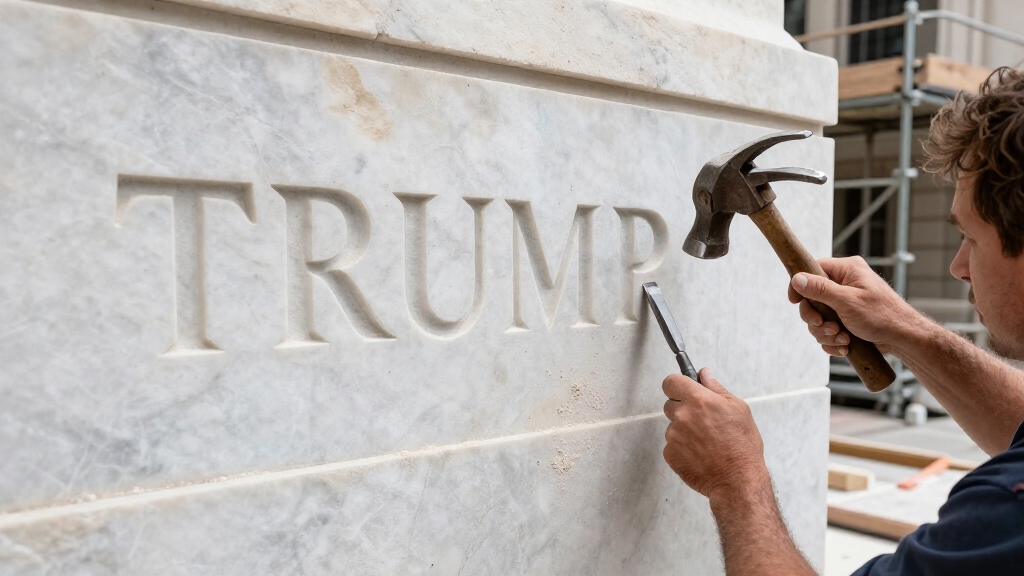
The Kennedy Center Board has voted to carve Donald Trump’s name into the building’s marble exterior. This decision marks a significant and controversial change to the landmark, with reactions divided. The story is developing as details emerge about the process and motivations.
The Kennedy Center Board has voted to engrave Donald Trump’s name into the building’s marble facade, a decision that has sparked immediate controversy and debate over the cultural and political implications of the act.
According to official sources, the Kennedy Center Board approved the plan during a meeting held on March 20, 2024. The inscription will be placed on the exterior of the iconic Washington, D.C., cultural landmark, marking a rare instance of a living former president’s name being permanently added to a national arts institution’s facade.
While the Board has not yet announced the exact design or timing of the inscription, the decision has drawn sharp reactions from political figures, arts advocates, and the public. Supporters argue it recognizes Trump’s influence and contributions, while critics view it as a politicized move that undermines the Center’s neutrality.
The Kennedy Center’s leadership emphasized that the decision was made after a formal vote and consultation, but details about the voting process and the rationale behind the move remain limited at this stage.
Implications of Carving Trump’s Name Into a National Landmark
This decision signifies a notable departure from the Kennedy Center’s traditional stance of neutrality and non-partisanship. It could set a precedent for how political figures are memorialized in national institutions, potentially influencing future decisions about honoring public figures.
Additionally, the move has the potential to deepen political divisions, as it is likely to be celebrated by supporters of Trump and criticized by opponents. The controversy underscores ongoing debates about the role of art and cultural institutions in political expression and history.
As an affiliate, we earn on qualifying purchases.
Background on the Kennedy Center’s Naming and Recent Controversies
The Kennedy Center has historically been a symbol of arts and diplomacy, with its name honoring President John F. Kennedy. It has previously faced debates over its funding, programming, and the political implications of its exhibits and events. The current decision to inscribe Trump’s name is unprecedented in the Center’s history and reflects broader political tensions in the country.
In recent years, the Center has navigated various controversies related to its governance and public perception, but this move marks a new chapter in its engagement with political figures and history.
As an affiliate, we earn on qualifying purchases.
Details of the Inscription Process and Public Reaction
It is not yet clear when the inscription will be made or how it will be designed. The full scope of public and political reactions remains to be seen as more details emerge.
Legal or procedural challenges to the move have not been publicly announced, but opposition from various groups is possible.
As an affiliate, we earn on qualifying purchases.
Next Steps for the Kennedy Center’s Inscription Plan
The Kennedy Center is expected to announce specific details about the inscription’s design, timing, and unveiling in the coming weeks. Public and political reactions are likely to influence further decisions or protests.
Legal or legislative challenges could also arise if opponents seek to block or modify the plan.
As an affiliate, we earn on qualifying purchases.
Key Questions
Why is the Kennedy Center adding Trump’s name now?
The Board voted to do so as a recognition of his influence, though the specific motivations have not been fully disclosed.
Is this a permanent addition?
Yes, the plan involves carving Trump’s name into the marble facade permanently, though further details are pending.
What has been the public response?
Reactions are divided; supporters see it as honoring Trump, while opponents criticize it as politicization of a cultural landmark.
Could this decision be challenged legally?
Potential legal or legislative challenges are possible, but no formal actions have been announced at this time.
Will other political figures be similarly honored?
This remains uncertain; the decision sets a precedent that could influence future actions regarding honoring political figures.
Source: fediverse