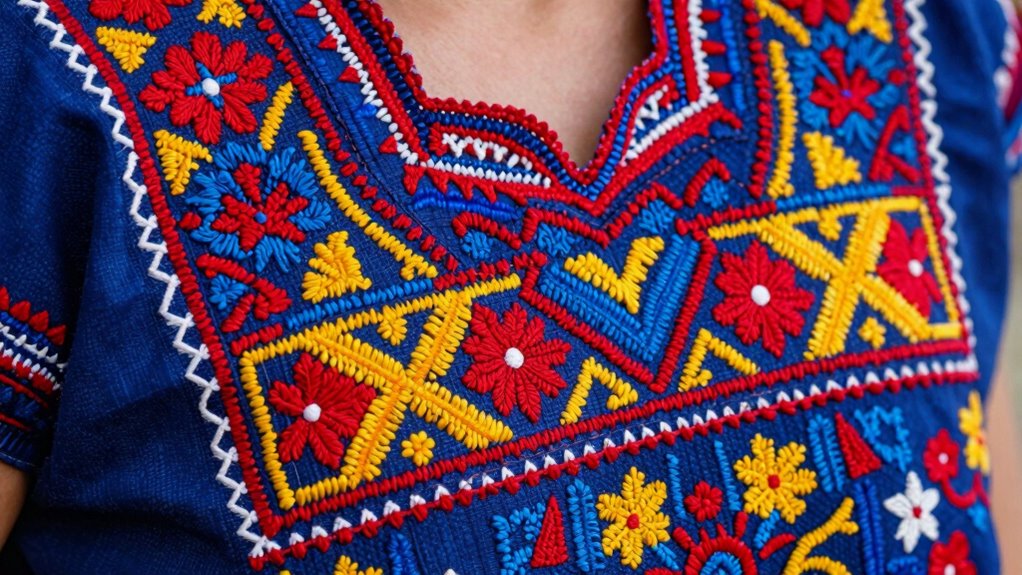

Mexican Otomí embroidery is a colorful, meaningful artform filled with symbolic motifs that tell stories of nature, spirituality, and community life. You’ll notice geometric shapes, organic patterns, and symbols like zigzags and diamonds that represent fertility, water, mountains, and protection. These designs vary across regions, reflecting local traditions and resources. Today, traditional motifs inspire contemporary artists, keeping Otomí culture vibrant and alive. If you want to explore how these patterns connect to Otomí identity, keep exploring further.

Get tools and workshop supplies delivered free — and shop member deals
- Fast, free delivery on millions of items
- Access to Prime Big Deal Days deals on October 6–7
- Prime Video, Amazon Music and more included
Key Takeaways
- Otomí embroidery features vibrant geometric and organic motifs that symbolize fertility, nature, and spiritual beliefs.
- Regional variations reflect local environments, materials, and cultural narratives, showcasing diverse Otomí identities.
- Traditional embroidery techniques and motifs are passed down generations, preserving cultural heritage and storytelling.
- Contemporary artists incorporate Otomí patterns, fostering cultural resilience and modern artistic expression.
- Each embroidered piece acts as a cultural artifact, conveying layered meanings and reinforcing Otomí community bonds.
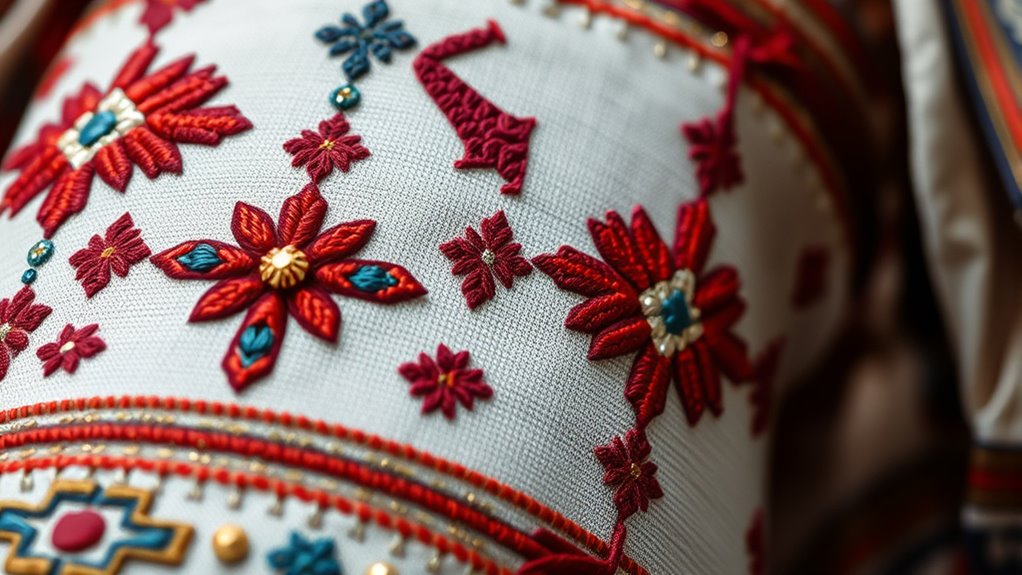
Mexican Otomí embroidery is a vibrant and intricate art form that reflects the rich cultural heritage of the Otomí people. When you observe their textiles, you’ll notice a stunning array of symbolic patterns that carry deep meanings rooted in Otomí traditions. These motifs aren’t just decorative; they serve as visual stories, representing elements of nature, spiritual beliefs, and community life. Each pattern is carefully chosen and skillfully sewn, often passed down through generations, ensuring that cultural narratives remain alive. As you explore Otomí embroidery, you’ll discover that the designs vary markedly across different regions, showcasing regional variations that speak to local histories and environments. For instance, in some areas, geometric shapes symbolize fertility and abundance, while in others, more organic motifs reflect the surrounding landscape. This regional diversity means that every piece you see tells a unique story, influenced by local flora, fauna, and cultural influences. Additionally, the symbolic patterns in Otomí embroidery serve to reinforce social bonds and cultural identity within communities. The symbolic patterns in Otomí embroidery aren’t random—they hold specific meanings that resonate with the community’s worldview. For example, certain zigzag lines may symbolize water or mountains, fundamental elements in Otomí life, while repetitive diamond shapes often represent protection or fertility. You’ll find that these motifs are often combined to create complex compositions that convey layered messages, making each embroidery piece a small cultural artifact. Understanding these symbols helps you appreciate the depth behind the artistry, transforming what might seem like simple decoration into a powerful cultural language. Regional variations in Otomí embroidery arise from differences in environment, history, and social practices. In some areas, embroidery is primarily used for ceremonial attire, with more elaborate patterns and vibrant colors, while in others, simpler designs are common for everyday use. The materials and techniques may also differ, influenced by local resources and craftsmanship traditions. This diversity enriches the overall tapestry of Otomí textile art, offering you a glimpse into the distinct identities of each community within the Otomí population. When you study these regional variations, you’ll see how geography and history shape artistic expression, making Otomí embroidery not just beautiful, but also a reflection of the community’s soul. In essence, Otomí embroidery is a living tradition that combines visual storytelling with cultural resilience. By recognizing the symbolic patterns and regional variations, you gain a deeper appreciation for the artistry and significance behind each handcrafted piece. These textiles are more than fabric—they’re a vibrant expression of Otomí identity, history, and spiritual connection, inspiring contemporary artists to incorporate traditional motifs into modern designs.
Mexican Otomí embroidery wall art
As an affiliate, we earn on qualifying purchases.
As an affiliate, we earn on qualifying purchases.
Frequently Asked Questions
How Has Otomí Embroidery Evolved Over Recent Decades?
Over recent decades, Otomí embroidery has evolved through increased focus on cultural preservation and artisan collaboration. You’ll notice more contemporary motifs blending traditional symbols with modern designs, helping keep the craft relevant. Artisans work closely together, sharing techniques and ideas, which strengthens their community and preserves their heritage. This evolution not only celebrates Otomí culture but also attracts new audiences, ensuring the craft’s survival and ongoing innovation.
What Materials Are Traditionally Used in Otomí Embroidery?
You’ll find that Otomí embroidery relies on natural fibers like cotton and wool, which serve as their canvas for artistic expression. They carefully select traditional dyes derived from plants and minerals, creating vibrant, enduring colors that honor their heritage. These materials, combined with skilled craftsmanship, breathe life into each piece, connecting you to centuries-old traditions while showcasing the community’s deep respect for nature and cultural identity.
Are Otomí Embroidery Techniques Passed Down Through Generations?
Yes, Otomí embroidery techniques are passed down through generations. You’ll find that cultural preservation plays a big role in this process, as artisans actively transmit their skills to younger community members. Through dedicated artisan training, these traditional methods stay alive, guaranteeing that motifs and techniques maintain their authenticity. By learning these crafts, you help keep Otomí culture vibrant and ensure that such beautiful embroidery continues to thrive.
How Does Otomí Embroidery Influence Contemporary Fashion?
Otomí embroidery influences contemporary fashion by bringing vibrant cultural preservation to global style. You’ll see traditional motifs integrated into clothing, accessories, and designers’ collections, making indigenous art accessible worldwide. This blending of Otomí craftsmanship with modern trends celebrates heritage while promoting cultural awareness. By embracing Otomí embroidery, you support artisans and help preserve their rich traditions, ensuring their influence continues to thrive in the ever-evolving world of global fashion.
What Challenges Do Otomí Artisans Face Today?
You face significant challenges in preserving Otomí embroidery, as nearly 60% of artisans struggle with economic instability. The fight for cultural preservation becomes urgent when younger generations lose interest, risking tradition’s decline. Limited access to markets and fair wages hampers your community’s economic impact. To thrive, you need support that sustains your craft, ensuring both cultural heritage and economic stability for future Otomí artisans.
As an affiliate, we earn on qualifying purchases.
Conclusion
So, immerse yourself in the dazzling world of Otomí embroidery, where tradition and modernity meet in mesmerizing motifs and meaningful designs. By embracing these intricate inspirations, you not only honor heritage but also create contemporary crafts that captivate and connect. Let the lively loops and luminous lines light up your love for culture, celebrating centuries of skill with every stitch. Keep the tradition alive and let your creativity continue to craft colorful, cultural stories!
Mexican embroidered table runner
As an affiliate, we earn on qualifying purchases.
As an affiliate, we earn on qualifying purchases.
Otomí cultural embroidered clothing
As an affiliate, we earn on qualifying purchases.
As an affiliate, we earn on qualifying purchases.
Halloween Picks
halloween
As an affiliate, we earn on qualifying purchases.