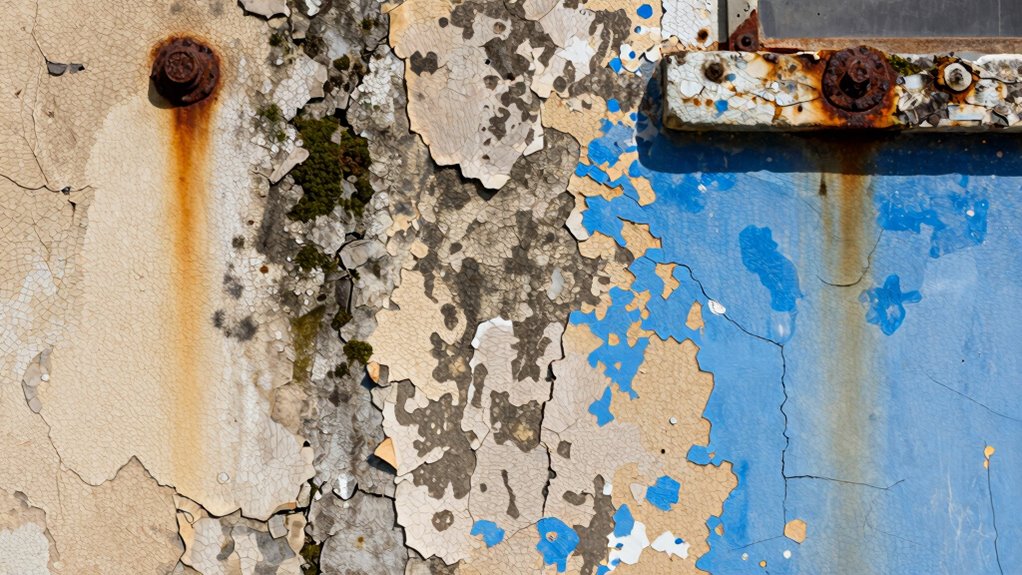

Indoor finishes aren’t made to withstand outdoor conditions. They lack weather resistance, UV protection, and flexibility, so exposure to sun, rain, and temperature changes quickly causes peeling, fading, and deterioration. Regular indoor coatings can’t handle moisture, humidity, or outdoor wear, leading to surface damage. To keep your outdoor surfaces protected and looking good longer, it’s essential to choose finishes designed specifically for outdoor use. Keep exploring to learn how the right finish makes all the difference.

Get business pricing on tools and workshop supplies
- Business-only prices and quantity discounts
- Tax-exempt purchasing
- Multiple users, one account, clear invoices
Key Takeaways
- Indoor finishes lack weather resistance and UV protection, causing them to deteriorate quickly outdoors.
- They are not formulated to withstand moisture, rain, snow, or temperature fluctuations.
- Indoor coatings are prone to peeling, fading, and cracking when exposed to outdoor elements.
- Outdoor finishes are flexible and durable, preventing damage from expansion and contraction of surfaces.
- Proper outdoor finishes protect surfaces from weather, UV rays, and wear, maintaining appearance and longevity.
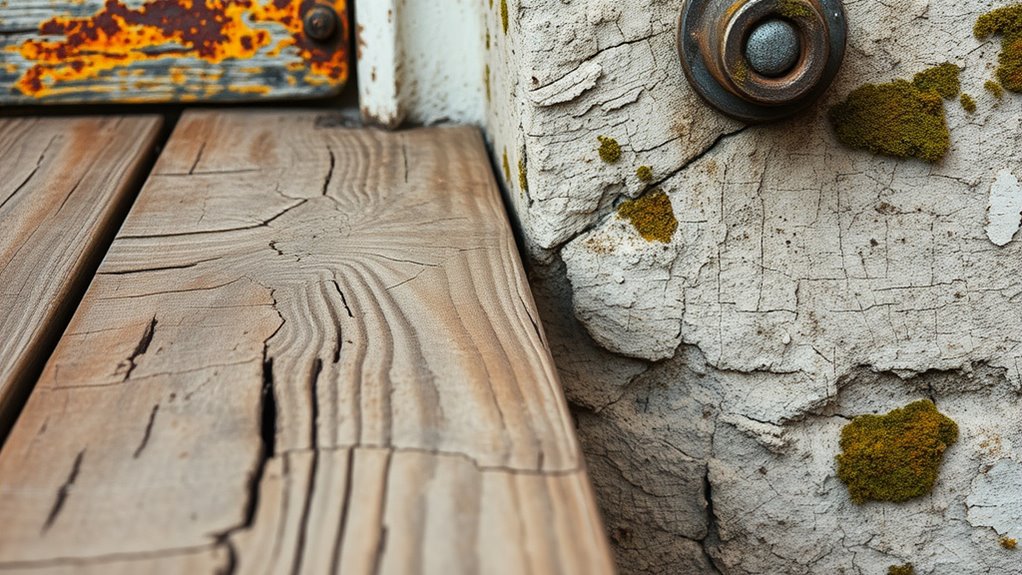
Are you wondering how to protect your outdoor surfaces from the elements? The key lies in choosing the right finishes designed specifically for outdoor conditions. Indoor finishes often fail because they lack essential qualities like weather resistance and UV protection. When surfaces are exposed to sun, rain, snow, and fluctuating temperatures, regular indoor coatings simply can’t hold up. They may look good initially but quickly deteriorate, peel, or fade when subjected to outdoor stresses. That’s why understanding the importance of specialized outdoor finishes is crucial to maintaining your surfaces’ appearance and integrity over time.
Choosing the right outdoor finish protects surfaces from weather, UV rays, and wear.
Outdoor finishes are formulated with ingredients that enhance weather resistance. This means they can withstand moisture, prevent water penetration, and resist the damage caused by humidity and rain. Without this property, water can seep into the material, leading to swelling, warping, or even mold growth. UV protection is equally vital. The sun’s ultraviolet rays break down many indoor finishes, causing discoloration, chalking, and loss of adhesion. Outdoor finishes incorporate UV inhibitors that absorb or reflect harmful rays, preserving the color and surface quality for years. Without UV protection, the vibrant look of your deck, siding, or furniture will fade rapidly, giving your outdoor spaces an aged and neglected appearance.
Applying indoor finishes outside often results in quick failure because they aren’t designed to flex or expand with changing weather conditions. They tend to crack, peel, or wash away after exposure to rain, sun, or temperature shifts. Outdoor finishes, on the other hand, are flexible and elastic enough to move with the surface, preventing cracks and peeling. They also form a barrier that shields the underlying material from harmful elements. This makes them more durable and long-lasting, saving you money and effort in maintenance and reapplication.
Choosing the right outdoor finish means prioritizing those with proven weather resistance and UV protection. These products are engineered to endure the harshest conditions, maintaining their appearance and protective qualities for years. Remember, indoor finishes are not a substitute—they lack the necessary formulations to survive outside. When you invest in outdoor-specific finishes, you’re ensuring your surfaces are better protected against the sun’s damaging rays and the elements that threaten their integrity. Properly finished surfaces not only look better longer but also stay stronger, making your outdoor spaces more inviting and resilient over time.
outdoor wood stain with UV protection
As an affiliate, we earn on qualifying purchases.
As an affiliate, we earn on qualifying purchases.
Frequently Asked Questions
How Do Outdoor Finishes Resist UV Damage Effectively?
You can guarantee outdoor finishes resist UV damage by applying UV resistant coatings that block harmful rays. These coatings contain special UV inhibitors that prevent the sun’s rays from breaking down the finish. Additionally, maintaining pigment stability helps the color stay vibrant and prevents fading over time. Regularly reapplying these protective layers keeps your outdoor surfaces looking fresh and protected from UV-related deterioration.
What Are the Best Outdoor Finishes for High-Moisture Areas?
Imagine a shield that stands strong against relentless rain and humidity — that’s what you need for high-moisture areas. Opt for weatherproof coatings and moisture resistant finishes, like marine varnishes or epoxy sealers, which create a barrier that endures damp conditions. These finishes prevent water from seeping in, protecting your surfaces from warping, cracking, or mold. Trust them to keep your outdoor spaces resilient and beautiful over time.
Can Indoor Finishes Be Modified for Outdoor Use?
You can modify indoor finishes for outdoor use by enhancing their durability against weather elements. Focus on finish modification techniques, such as adding outdoor-grade sealants or UV-resistant coatings, to improve indoor durability. These adjustments help your finishes withstand moisture, temperature fluctuations, and sunlight, making them more suitable for outdoor conditions. Remember, proper surface preparation and using compatible products are key to ensuring your modified finish lasts outdoors.
How Often Should Outdoor Finishes Be Reapplied?
You should reapply outdoor finishes at least every 1-3 years, depending on your maintenance schedule and weather considerations. Harsh sun, rain, and temperature swings can turn your finish into a fading, peeling mess faster than you’d think. Regular inspections and timely reapplications guarantee your surface remains protected and beautiful. Don’t wait until damage is obvious—staying proactive keeps your outdoor space looking its best year-round.
Are There Eco-Friendly Outdoor Finish Options Available?
Yes, you can choose eco-friendly outdoor finishes. Look for sustainable coatings that use natural alternatives, like plant-based oils or water-based sealers, which are less harmful to the environment. These options provide effective protection while reducing chemical impact. By selecting eco-friendly outdoor finishes, you contribute to environmental preservation and enjoy beautiful, durable surfaces without compromising your values. Always check product labels for sustainability certifications to guarantee you’re making the best choice.
As an affiliate, we earn on qualifying purchases.
Conclusion
Now that you understand why indoor finishes often fail outdoors, it’s clear you need finishes specifically designed for the elements. Using the right outdoor finish can protect your surfaces from moisture, UV rays, and temperature changes, ensuring they last longer. Don’t you want your outdoor projects to look great and stand up to the weather? Choosing the right finish isn’t just smart—it’s essential for lasting beauty and durability. Make the right choice and enjoy your outdoor spaces for years to come.
As an affiliate, we earn on qualifying purchases.
UV resistant outdoor wood finish
As an affiliate, we earn on qualifying purchases.
As an affiliate, we earn on qualifying purchases.
Halloween Picks
halloween
As an affiliate, we earn on qualifying purchases.