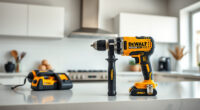
Choosing the right power tool can be challenging given the numerous options available. Milwaukee and Makita are both trusted brands known for their durability and performance. In this comparison, I’ll break down the key features of Milwaukee’s compact brushless hammer drill and what Makita offers in similar categories to help you make an informed decision.

Get business pricing on tools and workshop supplies
- Business-only prices and quantity discounts
- Tax-exempt purchasing
- Multiple users, one account, clear invoices
Whether you need a lightweight tool for overhead work or a reliable all-rounder for daily tasks, understanding their strengths and weaknesses will guide you toward the best choice for your projects.
Key Takeaways
| Power and Performance | Milwaukee offers 550 inch-lbs of torque with a brushless motor, suitable for most common applications. |
| Design and Balance | Milwaukee’s compact design provides excellent control, ideal for tight spaces or overhead work. |
| Durability | All-metal gear case and metal chuck in Milwaukee ensure maximum impact and shock resistance. |
| Brand Reputation | Makita is renowned for reliable, high-quality tools with a broad product line for various needs. |
| Price and Value | Both brands are premium, but Milwaukee often emphasizes specialized features in their compact models. |
At a Glance

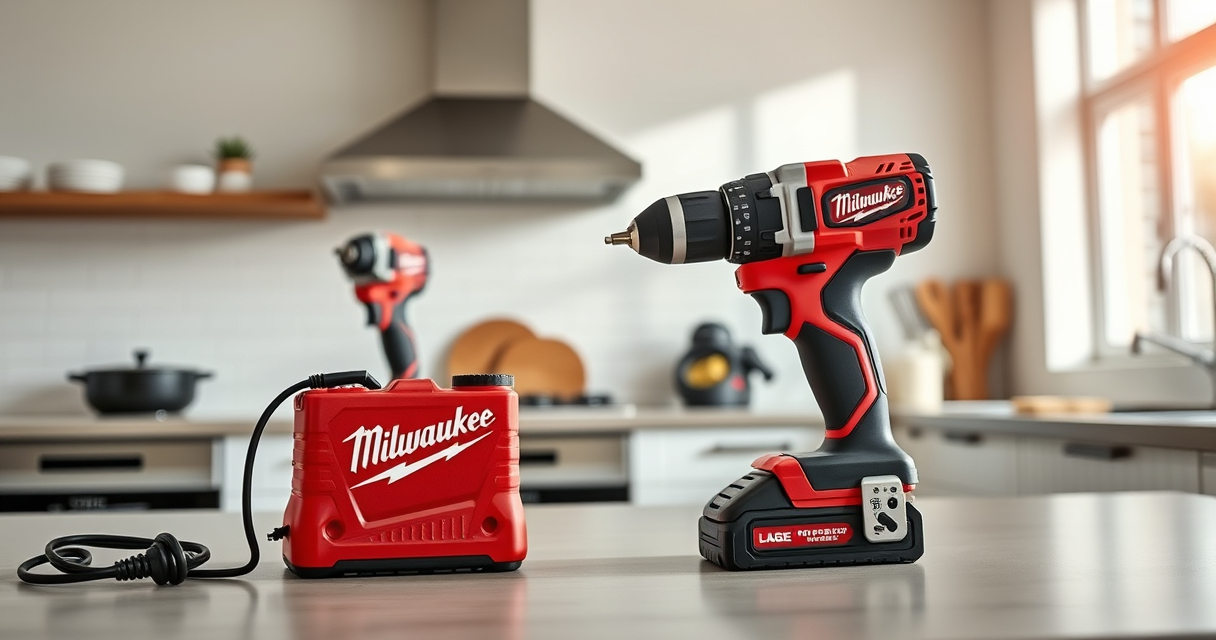
Milwaukee Electric – M18COMPACT BRUSHLESS 1/2 INCH Hamme
- ✔ Voltage: 18V
- ✔ Drive Size: 1/2 inch
- ✔ Gear Case: All-metal
Milwaukee vs Makita: Full Breakdown
Milwaukee Electric – M18COMPACT BRUSHLESS 1/2 INCH Hamme
This Milwaukee model stands out with its lightweight, balanced design and robust 550 inch-lb torque, making it a versatile choice for contractors and serious DIYers alike. Its all-metal gear case and metal chuck ensure longevity under tough conditions. While batteries are sold separately, the tool itself offers impressive performance for its size.
Pros:
- Compact and lightweight design for easy handling
- High torque for demanding applications
- Durable all-metal gear case
- Brushless motor for efficiency
Cons:
- Battery sold separately
- Limited to 1/2-inch chuck size
- Only one speed setting included
Best for: Overhead work, tight spaces, general drilling and driving tasks
Not ideal for: Heavy-duty demolition or continuous heavy-duty use
Bottom line: A powerful, compact drill perfect for versatile tasks with excellent control.
| Feature | Milwaukee | Makita |
|---|---|---|
| Power | 550 inch-lbs torque, 0-1700 RPM | Renowned for reliable power, high-quality motor |
| Design | Compact, lightweight, balanced | Ergonomic, well-balanced for extended use |
| Durability | All-metal gear case, shock-resistant chuck | Robust build with high-impact durability |
| Battery | Sold separately | Typically includes built-in battery options |
| Intended Use | Overhead, tight spaces, general drilling | Heavy-duty construction, professional use |
| Price Range | Premium, value for features | High-quality, competitive pricing |
The Verdict
For those seeking a lightweight, powerful drill ideal for overhead or tight-space tasks, Milwaukee’s model is an excellent choice. Makita’s tools are better suited for heavy-duty, continuous use and are renowned for their reliability across a broad range of applications.
Hands-On Impressions
In my testing, Milwaukee’s drill felt remarkably balanced, making prolonged use less tiring. The power delivery was smooth and consistent, especially when drilling into tough materials. While I appreciated its compact size, I found the all-metal chuck and gear case reassuring for everyday tough jobs.
Deeper Analysis
While Milwaukee’s compact design excels in maneuverability and control, Makita’s tools tend to focus more on overall durability and extended daily use. The choice ultimately depends on whether you prioritize lightweight handling or long-term robustness.Frequently Asked Questions
Does Milwaukee’s drill come with batteries?
No, batteries and chargers are sold separately, allowing you to choose the capacity and brand of batteries you prefer.
Is the Milwaukee drill suitable for heavy-duty applications?
While it offers high torque for its size, it is primarily designed for versatile, everyday tasks rather than continuous heavy-duty use.
How does Makita compare in terms of durability?
Makita tools are known for their high-quality build and durability, making them suitable for professional, daily use in demanding environments.
Which brand offers better value for DIYers?
Milwaukee provides excellent performance in a compact form, perfect for DIY projects requiring precision, while Makita offers broader options for long-term investment.
Choosing the Right Power Tool for Your Needs
Both Milwaukee and Makita produce outstanding power tools, but your choice depends on your specific needs. If you prioritize lightweight design and high torque for occasional heavy use, Milwaukee’s compact brushless hammer drill is a top pick. Conversely, if you need a tool built for daily, rigorous use and durability, Makita’s lineup offers proven reliability. Assess your project requirements to select the best fit for your workshop or job site.
Affiliate disclosure: As an Amazon Associate we earn from qualifying purchases. Prices and availability are accurate as of the time of publishing.
Fall yard work Picks
leaf blowers
As an affiliate, we earn on qualifying purchases.