To move handmade ceramics, wood, and paper safely, carefully package each item with bubble wrap, foam peanuts, or crumpled paper, especially around edges and handles. Use sturdy boxes with partitions to separate different materials, placing heavier wood items at the bottom and lighter ceramics and paper on top. Secure everything tightly with straps or bungee cords to prevent shifting. With proper techniques, you can protect your fragile items during transit—continue for detailed tips on safe moving.

Get business pricing on tools and workshop supplies
- Business-only prices and quantity discounts
- Tax-exempt purchasing
- Multiple users, one account, clear invoices
Key Takeaways
- Wrap ceramics individually with bubble wrap and secure with reinforced corners to prevent breakage during transit.
- Use soft packing paper or tissue to wrap wooden items, focusing on edges and delicate surfaces.
- Fill empty spaces in boxes with foam peanuts or crumpled paper to stabilize all items and prevent shifting.
- Place heavier wooden objects at the bottom and delicate ceramics and paper on top with ample cushioning.
- Handle and secure all boxes carefully, avoiding jolts, and label them clearly as fragile for safe transportation.
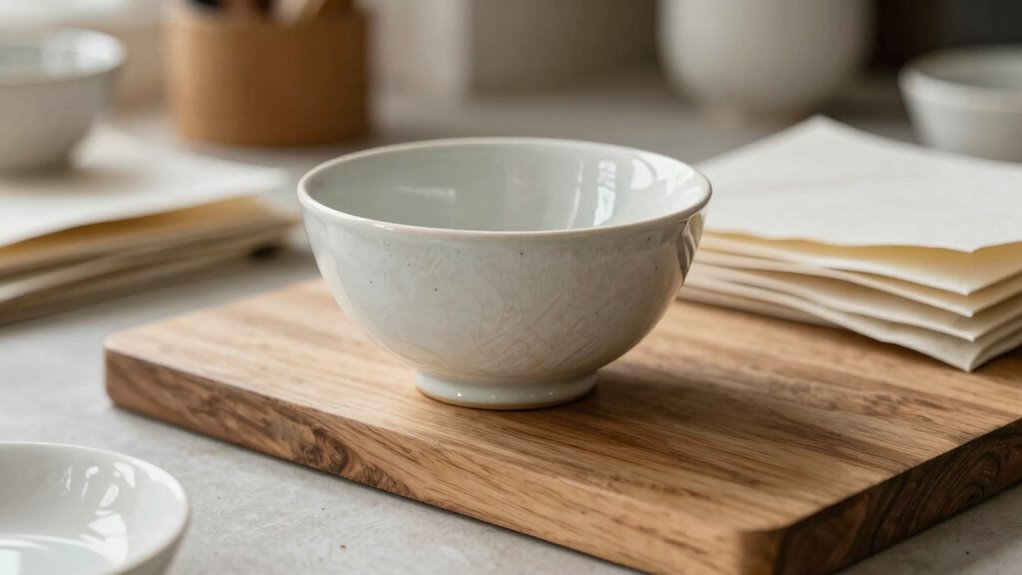
Moving delicate items like handmade ceramics, wood, and paper together requires careful planning to prevent damage. One of your top priorities should be guaranteeing that fragile objects are well-protected during transit. Glass packaging plays an essential role here, providing a sturdy barrier that resists crushing and absorbing shocks. When selecting glass packaging, opt for boxes specifically designed for fragile items, with reinforced corners and secure lids. Wrap each ceramic piece in multiple layers of bubble wrap or packing paper before placing it inside the box. This adds an extra cushion, reducing the risk of chips or cracks if the box shifts or bumps during the move.
Use reinforced boxes and bubble wrap to protect fragile ceramics during moving.
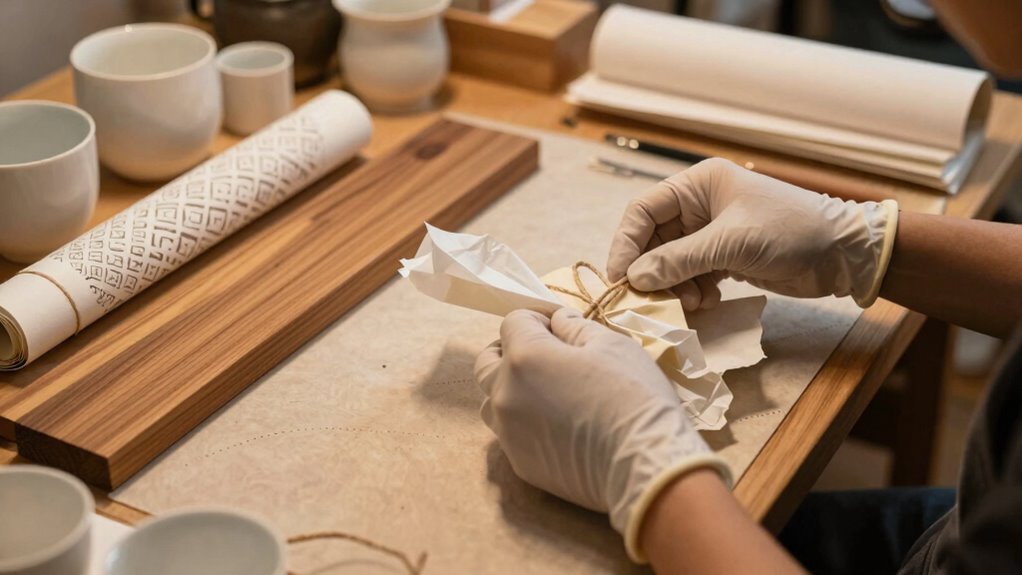
Proper cushioning is vital for all delicate items, but especially for ceramics and glassware. Use foam peanuts, crumpled packing paper, or foam inserts to fill empty spaces around each object. This prevents movement inside the box, which is a common cause of damage. When packing handmade ceramics, be sure to cushion the edges and handles thoroughly, as these are the most vulnerable points. For wooden items, wrap them in soft packing paper or bubble wrap, paying special attention to corners and protruding parts. Paper, often overlooked, should be stored flat and layered with tissue or wax paper to prevent tearing or creasing. Additionally, protecting fragile objects with appropriate materials can further minimize the risk of damage during transit. Using quality packing supplies can also make a significant difference in safeguarding your items.
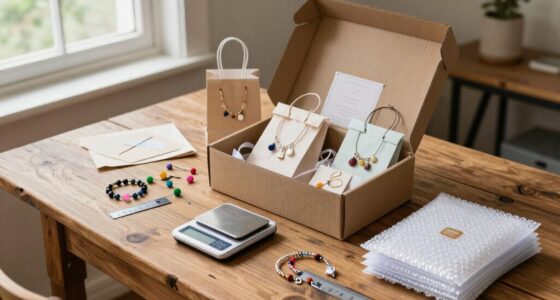
When stacking items, place the heaviest and sturdiest objects at the bottom to provide a stable base. Light, fragile items should go on top, with ample cushioning to absorb any impact. It’s also wise to label boxes containing fragile items clearly, so movers handle them with care. Keep delicate items separate from heavier or bulkier objects to avoid accidental crushing. If you’re packing multiple fragile items together, create partitions within the box using cardboard dividers or additional padding to prevent them from knocking against each other. Additionally, ensuring your packing materials are of good quality helps to protect fragile objects more effectively during transit. Using appropriate packing materials can significantly reduce the risk of damage—investing in high-quality supplies is well worth the peace of mind. During the move, handle each box carefully, avoiding unnecessary jolts or drops. When loading into the vehicle, guarantee that fragile boxes are secured and do not shift during transit. Use straps or bungee cords to hold them in place, especially if the vehicle is moving over uneven terrain. Once you arrive at your destination, take your time unpacking, inspecting each item for damage. Proper planning, glass packaging, and proper cushioning are your best tools for safeguarding your handmade ceramics, wood, and paper throughout the move. Additionally, understanding the best packing techniques for each material can further improve the safety of your items during transit.
As an affiliate, we earn on qualifying purchases.
Frequently Asked Questions
How Do I Prevent Ceramics From Chipping During Transport?
To prevent ceramics from chipping during transport, handle fragile ceramics with care by wrapping each piece individually in bubble wrap or foam. Use sturdy boxes with padding at the bottom and between items to absorb shocks. Always lift items with both hands, avoiding sudden movements. Securing items tightly prevents shifting, which is key to avoiding chipping. Proper handling of fragile ceramics ensures they arrive safely at their destination.
What Are the Best Packing Materials for Fragile Items?
You should use bubble wrap to cushion delicate items, wrapping each piece thoroughly to prevent movement and impact. Add packing peanuts around the wrapped items to fill empty spaces and provide extra shock absorption. Secure all the packaging tightly with packing tape, ensuring nothing shifts during transit. This combination of bubble wrap and packing peanuts offers excellent protection against bumps and vibrations, keeping your fragile items safe during the move.
How Should I Organize Items Inside the Moving Box?
In a flash of Victorian ingenuity, you should organize your items by employing effective labeling techniques and stacking strategies. Place fragile ceramics on top, wrapped securely, and fill gaps with tissue or packing paper. Group similar items together, and label boxes clearly for easy identification. Use sturdy dividers for delicate objects, and always keep heavier items at the bottom to prevent crushing. This approach keeps your belongings safe and makes unpacking smoother.
Are There Specific Temperature Considerations for Transporting Paper?
Yes, you should consider temperature regulation when transporting paper. Keep the climate control consistent to prevent damage from humidity or extreme heat, which can cause warping or deterioration. Avoid exposing paper to direct sunlight or freezing temperatures. Using insulated boxes or climate-controlled vehicles helps maintain stable conditions. By managing temperature, you protect your paper collection from moisture, warping, and other environmental damages during transit.
How Can I Secure Wood Pieces to Avoid Damage During Moving?
To prevent wood pieces from damage during moving, you should use protective padding like bubble wrap or foam around each piece. Secure fastenings such as strong tape, straps, or cords help keep everything in place, preventing shifting. Make sure the wood is tightly secured within the moving box or crate, and avoid any loose parts. This approach minimizes movement and reduces the risk of scratches, dents, or breakage during transport.
ceramic and glassware packing supplies
As an affiliate, we earn on qualifying purchases.
As an affiliate, we earn on qualifying purchases.
Conclusion
Moving your handmade ceramics, wood, and paper isn’t just about packing — it’s about protecting treasures that tell your story. With careful planning and gentle handling, you turn a stressful task into a mindful act of preservation. Remember, each fragile piece is a whisper of your creativity, waiting to be heard again. So, approach your move with patience and care, because in safeguarding these materials, you’re safeguarding your own legacy — piece by piece.
sturdy packing boxes with dividers
As an affiliate, we earn on qualifying purchases.
As an affiliate, we earn on qualifying purchases.
As an affiliate, we earn on qualifying purchases.
Halloween Picks
halloween
As an affiliate, we earn on qualifying purchases.