When you see symmetry, your mind perceives order and stability, which naturally feels formal and reassuring. Symmetrical designs evoke a sense of balance, control, and tradition because they align with your innate tendency to recognize patterns that signal safety. On the other hand, asymmetry introduces energy and movement, making designs feel alive and spontaneous. This contrast sparks curiosity and emotional engagement, and if you keep exploring, you’ll discover more about how these patterns influence perception.

Get business pricing on tools and workshop supplies
- Business-only prices and quantity discounts
- Tax-exempt purchasing
- Multiple users, one account, clear invoices
Key Takeaways
- Symmetry creates a balanced, predictable pattern that conveys stability, order, and professionalism, reinforcing a formal perception.
- Asymmetry introduces dynamic movement and unpredictability, evoking energy, vitality, and a sense of liveliness.
- Symmetrical designs align with innate human tendencies for pattern recognition, fostering feelings of safety and reassurance.
- Asymmetry engages viewers through contrast and variation, encouraging exploration and conveying spontaneity.
- Symmetry’s harmony feels controlled and traditional, while asymmetry’s irregularity appears more authentic and expressive.
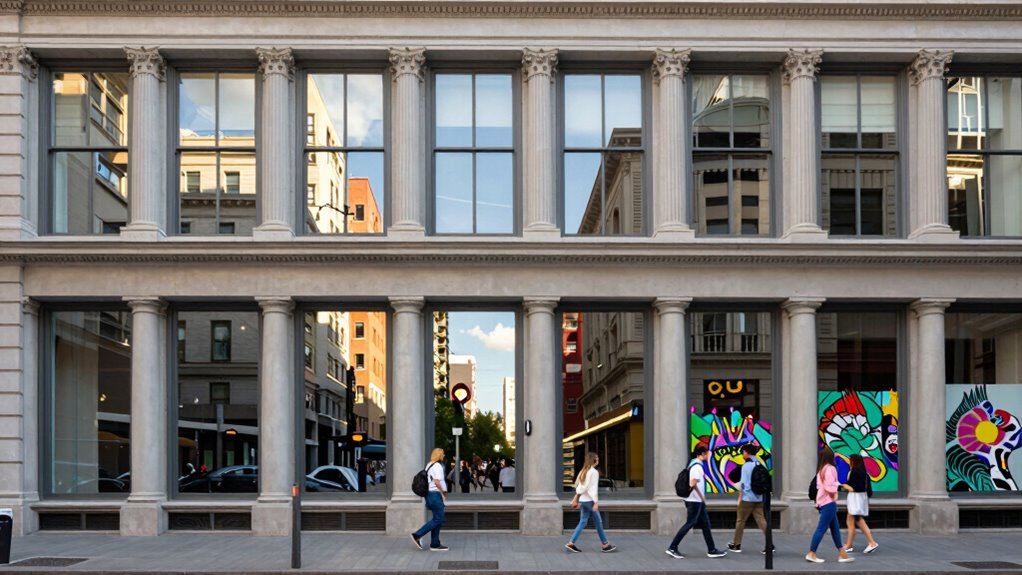
Have you ever noticed how some objects or patterns seem perfectly balanced, while others appear intentionally uneven? That’s the essence of symmetry versus asymmetry, and understanding why one feels formal while the other feels alive reveals a lot about human perception. Symmetry creates a sense of balance and harmony, giving objects a feeling of stability that’s easy for our eyes to process. When things mirror each other perfectly, it’s like they’re aligning with an internal sense of order, which naturally promotes a feeling of calm and predictability. This visual stability is why symmetrical designs often feel formal—they evoke professionalism, tradition, and control. You might see this in architecture, where grand facades or classical columns rely on symmetry to communicate strength and permanence. In art and design, symmetry guides the eye smoothly across the composition, making it feel complete and well-structured. It’s comfortable because your brain recognizes the pattern instantly, reducing cognitive effort and creating a sense of reassurance. Additionally, visual balance plays a crucial role in shaping how we perceive and interpret different compositions. The brain’s preference for symmetry is rooted in our evolutionary tendency to seek patterns that signal safety and familiarity, which further explains why symmetrical designs evoke feelings of stability. This innate inclination toward symmetry is linked to pattern recognition, a fundamental aspect of human perception that helps us navigate our environment efficiently.
On the other hand, asymmetry throws a twist into that sense of order, infusing designs with energy and life. When objects are intentionally uneven, they break the predictability of symmetry, making your eyes dart around the composition to explore the various elements. This dynamic quality is what makes asymmetry feel alive—it’s unpredictable, spontaneous, and often more engaging. It invites you to look closer, to find the subtle balance within apparent imbalance. Asymmetry relies on contrast, scale, and placement to generate visual interest, which is why it’s often associated with contemporary art, nature, and organic forms. You feel a sense of movement and vitality because your brain works harder to interpret the arrangement. Instead of calm and order, asymmetry communicates freedom, creativity, and personality. It’s like a dance that challenges the conventional rhythm, making the design feel more expressive and authentic. Recognizing the impact of visual harmony helps designers create compositions that evoke specific emotional responses, whether stability or vitality.
Frequently Asked Questions
How Does Cultural Background Influence Perceptions of Symmetry and Asymmetry?
Your cultural background shapes how you perceive symmetry and asymmetry through cultural symbolism and aesthetic preferences. In some cultures, symmetry symbolizes harmony and order, making it feel formal and balanced. Other cultures favor asymmetry, viewing it as lively and dynamic, reflecting natural beauty and individuality. Your cultural experiences influence whether you see symmetry as structured or asymmetry as expressive, guiding your aesthetic preferences and emotional responses to visual compositions.
Can Asymmetry Evoke Different Emotional Responses Across Various Art Forms?
Yes, asymmetry can evoke different emotional responses across art forms by creating a sense of tension or contrast, which heightens interest and engagement. You might feel a dynamic balance or lively harmony, as asymmetry disrupts traditional symmetry and introduces unpredictability. This tension fosters excitement or unease, depending on how it’s used, making it a powerful tool to evoke emotions and deepen the viewer’s connection to the artwork.
Are There Psychological Reasons Why Humans Prefer Symmetry in Certain Contexts?
You favor symmetry because your brain seeks visual harmony and aesthetic balance, which are naturally pleasing. Symmetrical designs provide a sense of order, reducing cognitive load, and fostering comfort. This preference stems from evolutionary tendencies to recognize health and stability. When you see symmetry, your mind perceives safety and predictability, making it more appealing. Fundamentally, your subconscious craves symmetry because it signals reliability and well-being.
How Does Symmetry Impact the Perceived Stability of Architectural Designs?
Symmetry enhances the perceived stability of architectural designs by creating balance and harmony, which your eyes naturally interpret as reliable and secure. It establishes visual equilibrium, making structures feel grounded and orderly. When you see symmetry, you sense a well-organized form that fosters trust and comfort. This psychological effect makes symmetrical buildings seem more stable and enduring, reinforcing their role as symbols of strength and permanence.
What Role Does Asymmetry Play in Modern Digital and Graphic Design?
In modern digital and graphic design, asymmetry creates a unique balance of tension and visual intrigue. You use it to break monotony, guiding viewers’ eyes across the composition dynamically. Asymmetry adds energy and unpredictability, making your designs feel fresh and engaging. By intentionally offsetting elements, you evoke emotion and interest, ensuring your work stands out. You leverage asymmetry to craft designs that feel alive, spontaneous, and full of personality.
Conclusion
So, as you see, symmetry’s structured stance can feel stiff, while asymmetry’s lively looseness invites life. By blending balance with boldness, you can craft compositions that captivate and connect. Embrace the elegant equilibrium of symmetry, but don’t shy away from the spontaneous spirit of asymmetry. With a playful push and purposeful pause, you’ll produce pieces that feel both formal and alive—perfectly poised to persuade and provoke.
Fall yard work Picks
leaf blowers
As an affiliate, we earn on qualifying purchases.