Traditional craft motifs keep appearing across cultures because they represent universal themes like protection, fertility, and prosperity that resonate everywhere. They also reflect regional identities rooted in geography, resources, and history, connecting communities to their ancestors. As symbols of shared heritage and collective memory, they adapt over time, maintaining cultural relevance. By exploring these motifs, you’ll discover how they carry deep meanings and continue to unify diverse societies through enduring symbols—if you want to know more, keep exploring.

Get business pricing on tools and workshop supplies
- Business-only prices and quantity discounts
- Tax-exempt purchasing
- Multiple users, one account, clear invoices
Key Takeaways
- They serve as a visual language conveying shared cultural symbols and meanings across generations.
- Regional influences shape motifs, making them reflective of local environment and identity.
- Their persistence connects communities to ancestors and collective memory, reinforcing cultural continuity.
- Traditional motifs embody universal themes like protection and prosperity, ensuring cross-cultural relevance.
- Their adaptability allows motifs to evolve while maintaining cultural roots, fostering ongoing relevance.
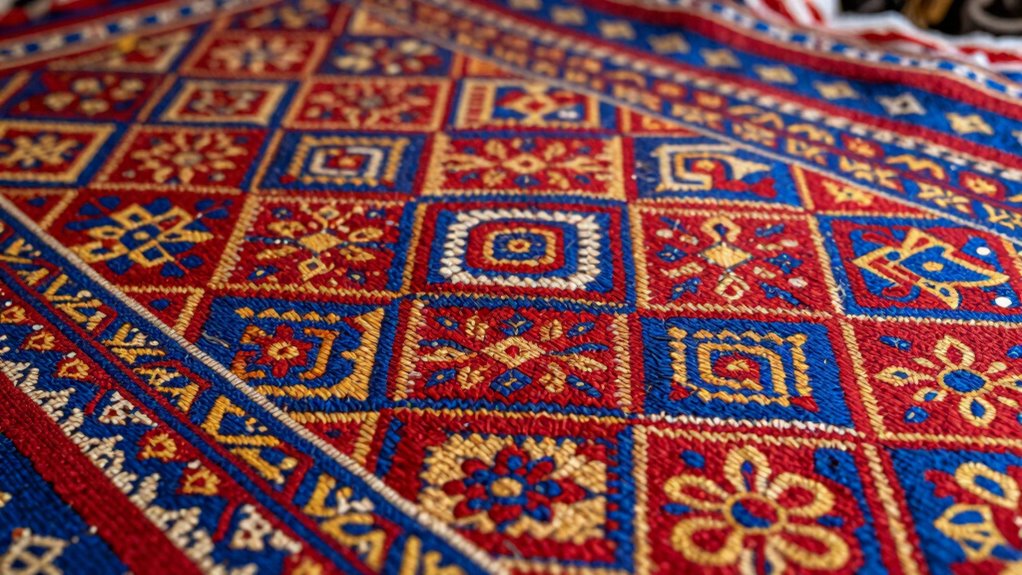
Throughout history, traditional craft motifs have served as a rich tapestry of cultural identity, symbolizing beliefs, stories, and values passed down through generations. These motifs are more than just decorative patterns; they carry deep symbolic meanings that resonate within their communities. When you observe a particular symbol, like a geometric pattern or an animal figure, you’re witnessing a visual language rooted in history and tradition. These symbols often reflect regional influences, shaped by geography, climate, and local resources, which in turn influence the motifs’ forms and meanings. For instance, motifs inspired by coastal environments might emphasize waves or marine life, while desert regions favor patterns symbolizing resilience or fertility.
You’ll notice that across different cultures, similar motifs can appear with variations that reflect their unique regional influences. These recurring patterns serve as cultural markers, connecting people to their ancestors and environment. When a community adopts a specific motif, it’s not just about aesthetics; it’s about conveying a shared identity and collective memory. This is why motifs like the lotus in Asian art or the spiral in Celtic designs persist—they embody regional symbolism that resonates deeply within those societies. The symbols often carry specific meanings: protection, fertility, prosperity, or spiritual awakening. When you see these motifs in textiles, pottery, or carvings, you’re witnessing a visual manifestation of cultural values and historical narratives.
The persistence of traditional craft motifs across cultures also speaks to their adaptability. While rooted in regional influences, they often evolve, blending new ideas with old symbols, allowing communities to maintain a connection to their past while embracing change. This continuity helps foster cultural pride and a sense of belonging, especially in a rapidly modernizing world. Moreover, these motifs act as a bridge, linking generations through shared symbols and stories. When artisans incorporate traditional motifs into contemporary designs, they reinforce cultural identities and keep these symbols alive in everyday life. Additionally, these motifs often reflect universal themes that resonate across societies, making them relevant beyond their original contexts and ensuring their endurance over time. Recognizing the cultural significance of these motifs highlights how they serve as enduring symbols of collective identity and shared heritage. Furthermore, the adaptability of motifs demonstrates their ability to evolve while maintaining their cultural roots, ensuring their relevance for future generations.
traditional craft motifs wall art
As an affiliate, we earn on qualifying purchases.
As an affiliate, we earn on qualifying purchases.
Frequently Asked Questions
How Do Traditional Motifs Evolve Over Time Within Cultures?
Traditional motifs evolve over time through symbol adaptation, where cultures tweak designs to reflect new meanings or influences. You’ll notice motif diversification as artisans experiment with colors, patterns, and styles, blending old and new elements. This ongoing process keeps motifs relevant, allowing them to resonate with contemporary audiences while honoring cultural heritage. So, as cultures interact and change, their motifs adapt and diversify, ensuring their timeless appeal persists.
Are There Specific Symbols Universally Recognized Across All Cultures?
Think of universal symbols like a universal language, much like the smiley face that spreads across countries in emails and texts. Cross-cultural motifs such as the circle, which represents unity, or the spiral, symbolizing growth, are recognized worldwide. These symbols resonate because they tap into shared human experiences, making them powerful tools for communication across diverse cultures. So, yes, certain symbols do hold universal recognition, transcending local traditions.
What Role Do Traditional Motifs Play in Modern Design Trends?
Traditional motifs play a crucial role in modern design trends by blending cultural authenticity with artistic innovation. You can incorporate these motifs to create designs that honor heritage while inspiring fresh creativity. By doing so, you respect cultural significance and add depth to your work. This balance helps your designs resonate more deeply with audiences, fostering appreciation for diverse traditions and encouraging innovative interpretations in contemporary art and fashion.
How Do Motifs Influence Cultural Identity and Heritage Preservation?
You see motifs as powerful tools that influence cultural identity and preserve heritage symbolism. They juxtapose modern innovation with age-old traditions, creating a bridge that keeps cultural symbolism alive. By incorporating these motifs into contemporary designs, you honor heritage symbolism, ensuring cultural stories endure. This ongoing dialogue between past and present deepens your connection to cultural roots, fostering pride and understanding across generations.
Can Traditional Motifs Be Ethically Incorporated Into Contemporary Art?
Yes, you can ethically incorporate traditional motifs into contemporary art by respecting cultural appropriation boundaries and understanding intellectual property rights. You should collaborate directly with cultural communities, seek permission, and give proper credit. This approach guarantees you honor the origin, avoid exploitation, and promote cultural appreciation rather than appropriation. By doing so, your work celebrates heritage while fostering respectful cross-cultural exchange.
cultural symbols textile patterns
As an affiliate, we earn on qualifying purchases.
As an affiliate, we earn on qualifying purchases.
Conclusion
You see, these motifs are like threads woven through the fabric of human history, connecting cultures across time and space. They’re a universal language, whispering stories of shared values, beliefs, and artistry. Just as rivers carve familiar paths through different lands, these patterns flow across borders, reminding us that despite our differences, we’re all part of a bigger story. Embrace these motifs—they’re the fingerprints of our collective soul, timeless and uniquely ours.
As an affiliate, we earn on qualifying purchases.
As an affiliate, we earn on qualifying purchases.
Fall yard work Picks
leaf blowers
As an affiliate, we earn on qualifying purchases.