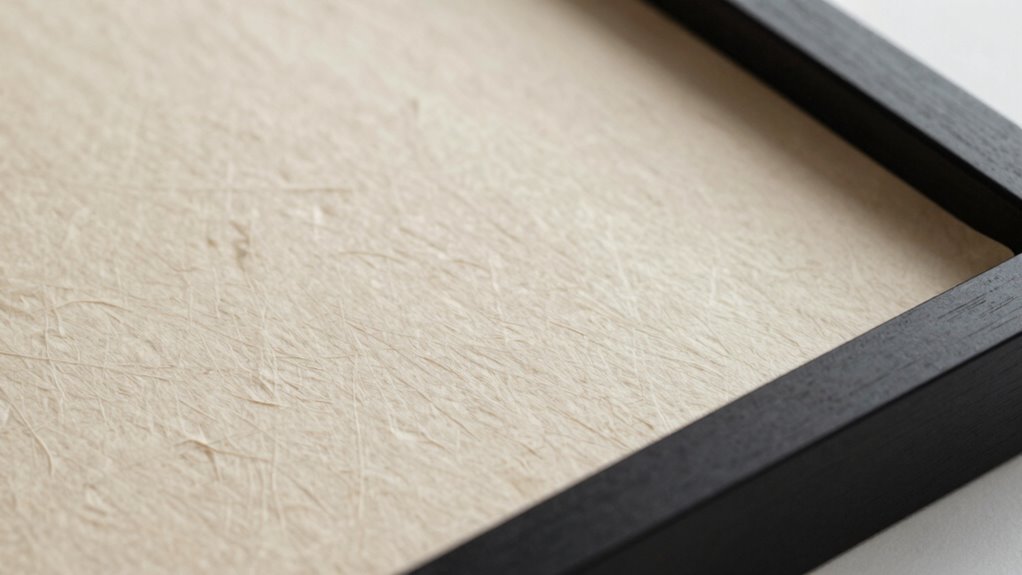
To frame handmade paper art without wrinkles, start by ensuring your paper is completely flat—gently flatten curled edges with heavy books if needed. Handle the artwork with gloves to avoid oils and secure it on acid-free backing using archival-quality photo corners or hinges. Use a sturdy frame with a snug-fitting glass or acrylic that’s UV-protected, leaving a small gap to prevent pressure on the paper. Sealing the back and maintaining a stable environment will further preserve your piece—more insights await if you continue.

Get business pricing on tools and workshop supplies
- Business-only prices and quantity discounts
- Tax-exempt purchasing
- Multiple users, one account, clear invoices
Key Takeaways
- Gently flatten the paper by pressing it under heavy books before framing.
- Handle the artwork with gloves to prevent oils from causing wrinkles or damage.
- Use acid-free mats and backing to provide even support and prevent warping.
- Secure the paper with archival-quality photo corners or hinges without stretching or pulling.
- Leave a small gap between the paper and glass, and seal the back to avoid dust and moisture buildup.
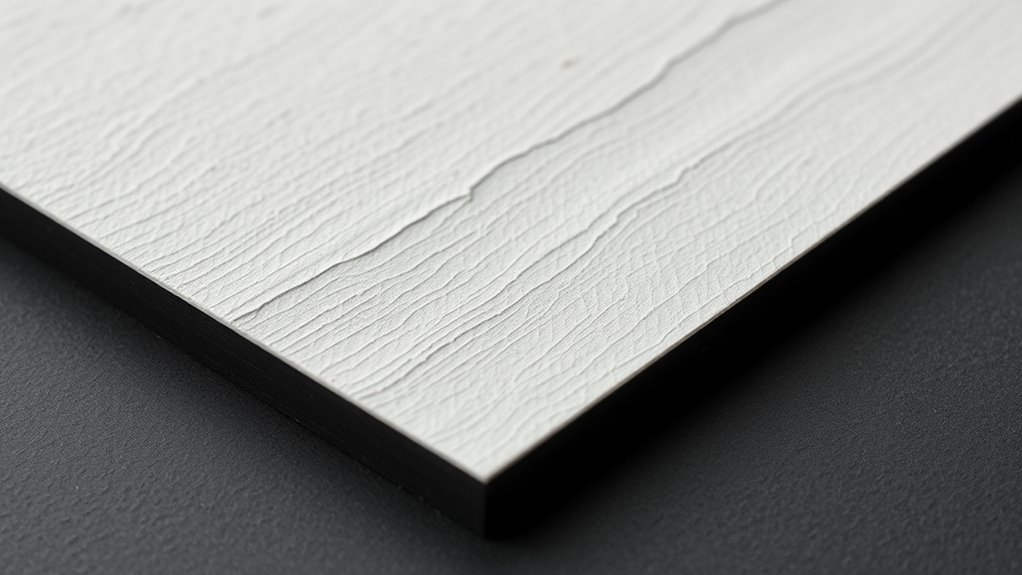
Have you ever wondered how to best showcase your handmade paper art? Proper framing is essential to preserve its delicate beauty and prevent wrinkles that can ruin its appearance. One of the most effective ways to protect your artwork is by using glass protection. Opt for high-quality, museum-grade glass or acrylic that reduces glare and shields your paper from dust, dirt, and UV rays. This layer acts as a barrier, preventing environmental damage that can cause warping or discoloration over time. When choosing framing materials, select acid-free mats and backing boards to avoid any chemical reactions that might degrade your paper. Acid-free materials are gentle on your artwork and help maintain its integrity for years to come.
Before framing, guarantee your paper art is completely flat. Gently flatten any curled edges by placing the artwork between clean, heavy books for a few hours or overnight. When you’re ready to frame, handle your paper carefully, using gloves to prevent oils from your skin transferring onto the surface. Position your artwork on an acid-free mat or mount it directly onto an acid-free backing board, making sure it’s centered and straight. Secure it with photo corners or hinges made from archival-quality materials, which hold the paper in place without causing damage or wrinkles. Avoid stretching or pulling the paper, as this can create tension and lead to warping over time. Additionally, choosing framing materials with UV protection can help safeguard your artwork from fading over the years.
The framing process itself should be done with precision. Use framing materials that are sturdy and well-made, ensuring the frame is square and the glass fits snugly without pressing directly against the artwork. Leaving a small gap between the glass and the paper prevents sticking and allows for air circulation, reducing the risk of moisture buildup, which can cause wrinkles. Once everything is in place, seal the back of the frame with framing tape to keep dust and humidity out. Hanging your art in a stable environment, away from direct sunlight and moisture, also helps maintain its pristine condition.
archival quality photo corners for framing
As an affiliate, we earn on qualifying purchases.
As an affiliate, we earn on qualifying purchases.
Frequently Asked Questions
Can I Use Standard Glass for Framing Delicate Handmade Paper?
Yes, you can use standard glass for framing delicate handmade paper, but it’s better to opt for UV-protective or acrylic glass types to prevent damage. When framing, use techniques like matting or spacers to keep the paper from touching the glass directly, which helps avoid wrinkles and tears. Choose a framing style that provides gentle support, ensuring your artwork stays pristine while showcasing its beauty.
How Long Should I Wait Before Framing Newly Made Paper Art?
You should wait at least 24 to 48 hours before framing your newly made paper art. This drying time ensures the paper is sufficiently dry and will reduce wrinkles or warping once framed. For ideal wait, check that the paper feels completely dry to the touch and has no residual moisture. Rushing the process may cause damage or distortions, so give it ample time to dry thoroughly for the best results.
What Adhesive Is Safest for Attaching Handmade Paper?
You should use acid-free adhesives and non-toxic glue to attach your handmade paper art safely. These adhesives prevent discoloration and deterioration over time, guaranteeing your artwork stays vibrant. Apply a thin, even layer of non-toxic glue to the back of the paper and press it gently onto the frame or mat. Avoid excess glue to prevent wrinkles or warping, and always test first on a small area to verify compatibility.
Is It Better to Back Handmade Paper With a Mat or Foam Board?
Think of your handmade paper art as a delicate butterfly needing gentle support. Back it with a mat to add a soft cushion, which is ideal for preserving its texture and preventing damage. Using framing materials like foam board provides sturdiness, but too much thickness can flatten the paper’s natural crinkle. For best results, opt for matting techniques that protect your artwork while showcasing its craftsmanship beautifully.
How Do Climate Conditions Affect Framing and Preservation?
Climate conditions greatly impact your handmade paper art. You should maintain humidity control to prevent warping or mold, and guarantee temperature stability to avoid expansion or contraction of the paper. Fluctuating humidity and temperature can cause wrinkles, cracks, or deterioration. Keep your artwork in a consistent environment, ideally around 40-50% humidity and stable temperatures, to preserve its integrity and keep it looking pristine over time.
UV protected museum glass for artwork
As an affiliate, we earn on qualifying purchases.
As an affiliate, we earn on qualifying purchases.
Conclusion
Now that you know how to frame your handmade paper art without wrinkles, you’re ready to showcase your craftsmanship beautifully. Imagine the pride you’ll feel each time you glance at your framed piece, a tribute to your patience and skill. Wrinkles may threaten perfection, but your attention to detail elevates your artwork. In the end, it’s not just about avoiding flaws—it’s about highlighting the delicate beauty of your creation, turning everyday moments into lasting memories.
acid-free backing board for framing art
As an affiliate, we earn on qualifying purchases.
As an affiliate, we earn on qualifying purchases.
heavy books for flattening paper art
As an affiliate, we earn on qualifying purchases.
As an affiliate, we earn on qualifying purchases.
Fall Picks
fall essentials
As an affiliate, we earn on qualifying purchases.