To build safer habits around heat, sparks, and open flames, stay attentive whenever you use heat sources like stoves or candles, never leaving them unattended. Regularly check and maintain appliances, keep flammable materials away, and organize your space to reduce clutter. Install and test smoke alarms, have fire extinguishers handy, and plan escape routes with your family. Making these routines part of your daily life can considerably lower fire risks—keep going, and you’ll discover even more ways to stay safe.

Get tools and workshop supplies delivered free — and shop member deals
- Fast, free delivery on millions of items
- Access to Prime Big Deal Days deals on October 6–7
- Prime Video, Amazon Music and more included
Key Takeaways
- Always stay attentive and avoid distractions when using heat sources or open flames.
- Regularly inspect and maintain appliances, cords, and filters to prevent electrical fires.
- Install and test smoke alarms and fire extinguishers in key areas of your home.
- Plan and rehearse multiple escape routes and safe meeting spots with all household members.
- Incorporate fire safety checks and awareness into daily routines to develop consistent safe habits.
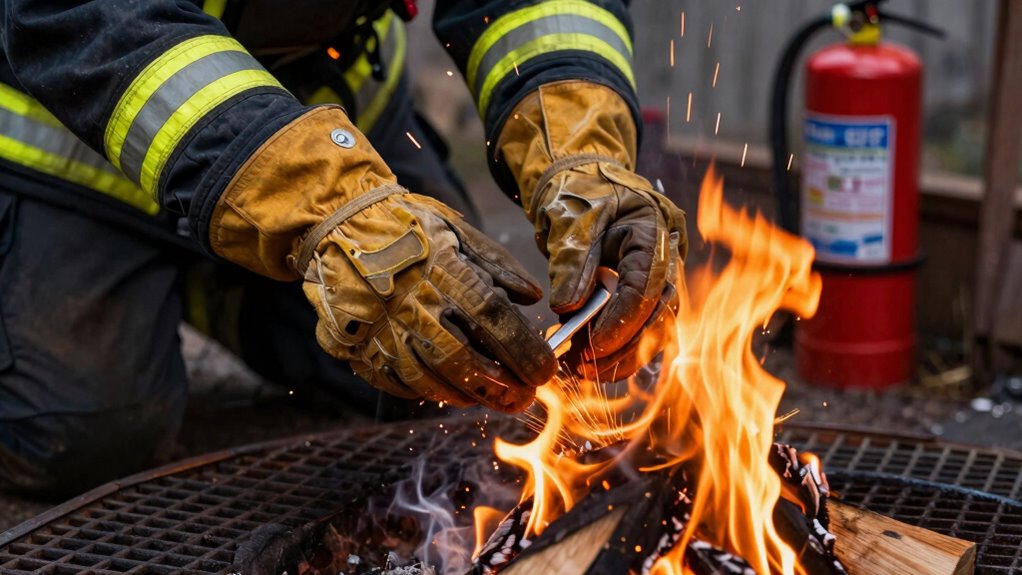
Understanding the risks associated with heat and fire is essential for keeping yourself and your loved ones safe. Fires can start unexpectedly, and knowing how to prevent them is vital. Building safer habits around heat, sparks, and open flames begins with learning key fire safety tips and integrating them into your daily routine. Start by always staying attentive when using any heat source, whether it’s a stove, heater, or candles. Never leave these unattended, especially when children or pets are nearby. This simple practice can prevent many accidents before they happen.
Stay attentive when using heat sources to prevent accidents and keep your loved ones safe.
You should also establish a regular maintenance routine for appliances that generate heat. Check cords, connections, and filters regularly, and replace any damaged or frayed wires immediately. Proper maintenance reduces the risk of electrical fires and keeps your home safer. Keep flammable materials like paper, cloth, and cleaning supplies away from heat sources. A cluttered space makes it easier for a fire to spread quickly, so organize your home to minimize hazards. Regular home inspections and fire prevention measures can further reduce the likelihood of a fire starting unexpectedly.
Incorporate emergency preparedness into your safety habits. Have working smoke alarms on every level of your home, and test them monthly to make sure they’re functioning properly. Replace batteries at least once a year, and consider installing carbon monoxide detectors if you have fuel-burning appliances. Knowing how and when to use a fire extinguisher can make a significant difference during an emergency. Keep one accessible in your kitchen and other areas prone to fire hazards, and familiarize yourself with its operation. Practicing fire drills with your family helps everyone react calmly and quickly if a fire occurs. Additionally, understanding the fire safety features of your home and appliances can further enhance your preparedness.
In addition to these safety tips, consider creating a fire escape plan. Identify at least two exits from each room, and designate a safe meeting spot outside your home. Make sure everyone in your household knows the plan and practices it regularly. This preparation guarantees that you can evacuate swiftly and safely during a fire emergency. Practicing your escape plan periodically ensures that it becomes second nature in an emergency situation.
Building safer habits around heat and open flames isn’t just about prevention; it’s about cultivating a mindset of awareness and readiness. Making fire safety tips a routine part of your life helps protect your home and loved ones. Staying vigilant, maintaining appliances, and preparing for emergencies aren’t one-time tasks—they’re ongoing commitments that can save lives. When you prioritize safety and stay prepared, you create a safer environment where heat and fire hazards are minimized, giving you peace of mind every day. Incorporating fire safety awareness into your daily routine can further enhance your preparedness and response.
fire extinguisher for home kitchen
As an affiliate, we earn on qualifying purchases.
As an affiliate, we earn on qualifying purchases.
Frequently Asked Questions
How Can I Prevent Accidental Fires in My Kitchen?
You can prevent accidental fires in your kitchen by practicing good cooking safety and following fire prevention tips. Always stay attentive when cooking, keep flammable items away from heat sources, and never leave food unattended on the stove. Use a timer to monitor cooking times, keep a fire extinguisher nearby, and make certain smoke alarms work properly. Being cautious and prepared helps reduce fire risks and keeps your kitchen safe.
What Safety Gear Should I Wear When Handling Open Flames?
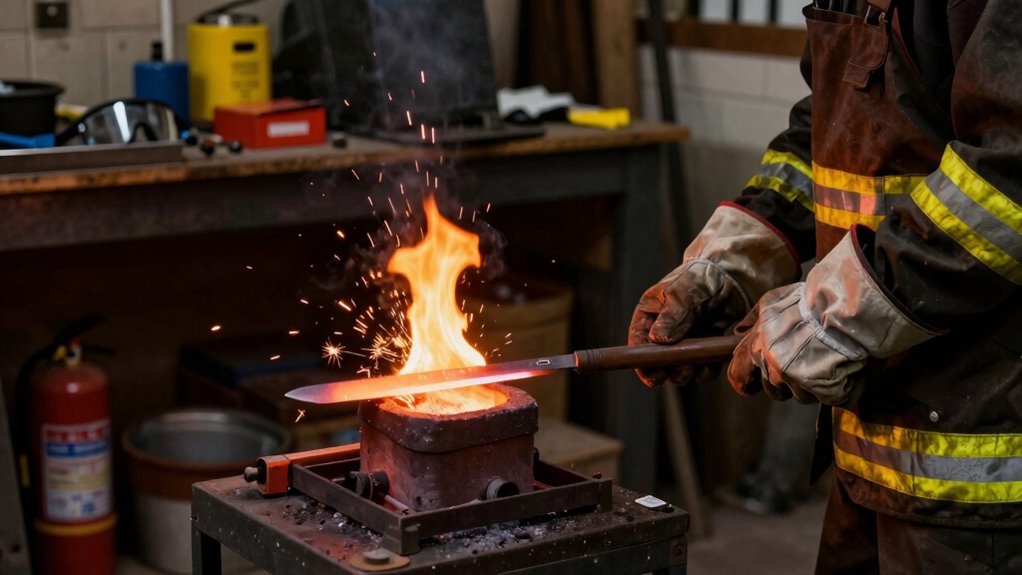
When handling open flames, you should wear protective clothing to shield your skin from sparks and heat. Fire-resistant gloves are essential to protect your hands from burns and accidental contact with flames. Make certain your clothing is snug and non-flammable, and avoid loose sleeves or jewelry that could catch fire. Always prioritize safety gear to minimize risks and stay protected while working with open flames.
How Do I Safely Extinguish Different Types of Fires?
Ever wonder how to safely put out a fire? For different fires, use appropriate fire suppression techniques—water for most common fires, but never for grease or electrical fires. Always activate your emergency evacuation plans first, then grab a fire extinguisher, ensuring you aim at the base of the flames. Remember, if a fire is too large or uncontrollable, evacuate immediately and call emergency services. Safety comes first!
What Are Common Mistakes That Lead to Fire Hazards?
You often increase fire risk by neglecting proper safety measures and rushing through tasks. Common mistakes include leaving open flames unattended, ignoring safety protocols, or using damaged equipment. These habits form over time and heighten danger. To reduce fire risk, develop safe habits like staying attentive, maintaining equipment, and never rushing. Consistent habit formation around safety creates a protective environment, minimizing accidents and ensuring everyone stays safe around heat and open flames.
How Often Should Fire Safety Equipment Be Inspected?
Did you know that regular fire safety equipment inspections can reduce fire-related injuries by 30%? You should inspect your fire alarm maintenance and safety gear at least once a month, ensuring everything functions correctly. Schedule safety drill planning regularly, ideally quarterly, to keep everyone prepared. Frequent inspections help catch faults early, preventing potential disasters. Stay proactive—keeping your fire safety equipment in top shape is essential for protecting yourself and others.
As an affiliate, we earn on qualifying purchases.
Conclusion
By consistently practicing safe habits around heat, sparks, and open flames, you create a natural shield against accidents. Sometimes, it’s the small, intentional choices—like checking your surroundings or keeping a fire extinguisher nearby—that unexpectedly save the day. Remember, safety isn’t just about precautions; it’s about respecting the power of fire and trusting your habits to keep you protected. In the end, safety becomes second nature, just like the warmth it’s meant to provide.
carbon monoxide detector for home
As an affiliate, we earn on qualifying purchases.
As an affiliate, we earn on qualifying purchases.
As an affiliate, we earn on qualifying purchases.
Fall yard work Picks
leaf blowers
As an affiliate, we earn on qualifying purchases.