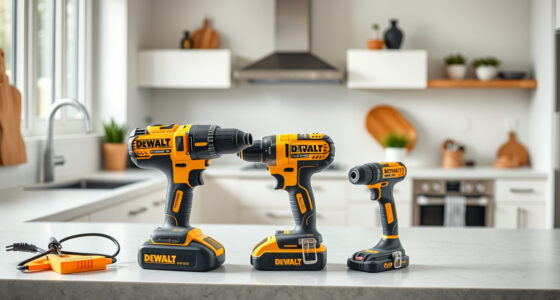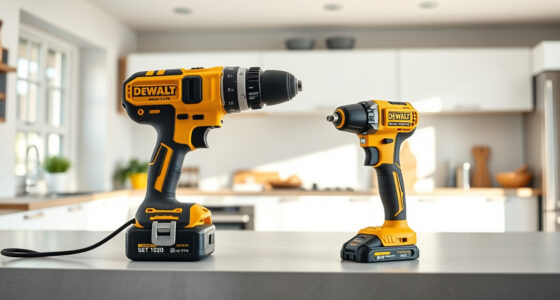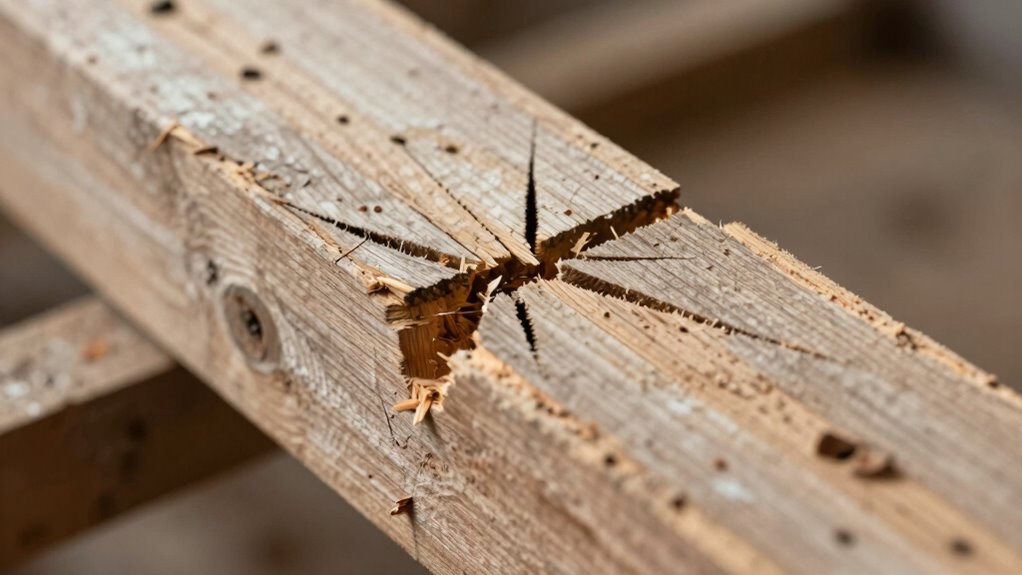

When you settle for “close enough” measurements, you risk creating bigger problems later. Small inaccuracies may seem minor at first, but they snowball into misaligned parts, structural issues, or safety concerns. Rushing or taking shortcuts might save time now, but they often lead to costly rework, flawed finishes, or even dangerous failures. If you want to avoid these pitfalls and guarantee a strong, reliable project, understanding the full importance of precision can make a difference later on.

Get business pricing on tools and workshop supplies
- Business-only prices and quantity discounts
- Tax-exempt purchasing
- Multiple users, one account, clear invoices
Key Takeaways
- Small inaccuracies from “close enough” cuts can cause misalignment and structural issues over time.
- Rushing shortcuts increase safety risks and may lead to costly repairs or failures later.
- Inaccurate measurements lead to a chain reaction of errors, escalating project costs.
- Precision ensures durability and aesthetics, preventing the need for rework and maintaining quality.
- Consistently sloppy cuts undermine project reliability and long-term success.
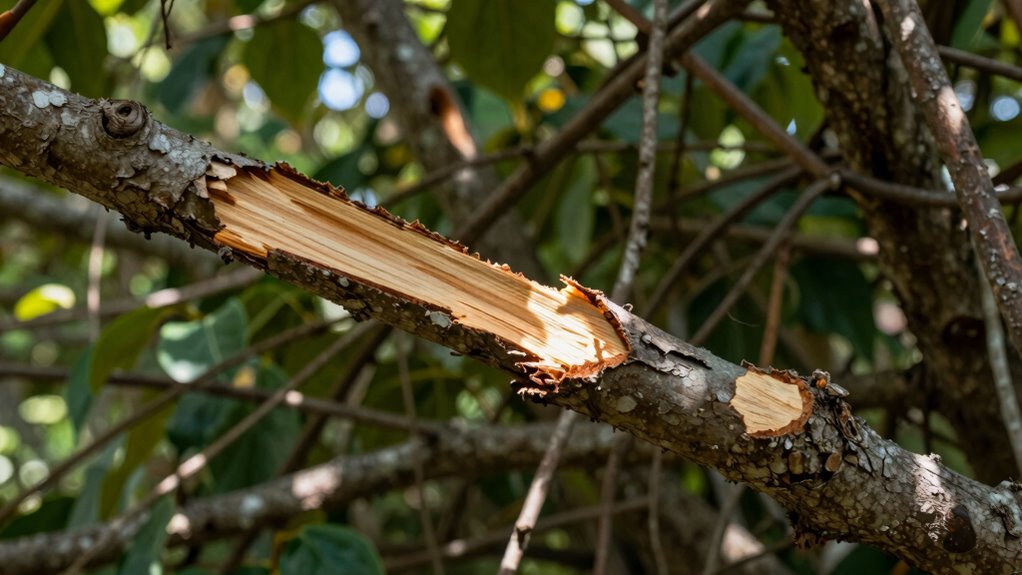
When you cut corners or settle for “close enough” in your work, you might save time now, but it often leads to bigger problems down the line. This approach may feel efficient in the moment, but it can introduce serious precision issues that compromise the quality and integrity of your projects. When measurements are off, cuts aren’t exact, or materials aren’t aligned properly, it sets off a chain reaction of errors that can be difficult to fix later. Over time, these small inaccuracies snowball into major flaws, forcing you to redo work or, worse, replace entire sections. Precision issues aren’t just about aesthetics—they impact the durability and functionality of your work, which can be costly and frustrating in the long run. Rushing or taking shortcuts can also create safety concerns, increasing the risk of accidents or structural failures. Prioritizing accuracy and precision from the start can help prevent these issues from escalating. Paying attention to proper measurement techniques ensures that every cut and fit is as precise as possible, saving time and resources later. Developing a habit of double-checking measurements can significantly reduce errors before they become costly mistakes. Failing to do so may also diminish the overall reliability of your projects, leading to further complications.
As an affiliate, we earn on qualifying purchases.
Frequently Asked Questions
How Can I Identify if a Cut Is “Close Enough”?
You can identify if a cut is “close enough” by checking measurement precision and using proper cutting techniques. Use a ruler or measuring tape to guarantee accuracy, and compare your cut to the desired dimensions. If the cut is within a small margin of error, it’s likely “close enough.” However, remember that small inaccuracies can lead to bigger problems later, so aim for the highest precision possible for better results.
What Are the Long-Term Consequences of Imprecise Cuts?
Imprecise cuts can lead to material deformation over time, weakening the structure and causing cracks or failures. When you don’t prioritize precision measurement, small errors compound, resulting in misalignments or uneven surfaces. These issues may seem minor initially but can cause significant problems later, including reduced durability and costly repairs. By focusing on accurate cuts now, you guarantee long-term integrity, preventing the bigger problems that arise from sloppy work.
Are There Tools That Help Achieve Perfect Cuts Every Time?
Think of precision measurement as your compass and cutting technology as your sharp sword. These tools help you achieve perfect cuts every time. Modern cutting technology, like laser cutters and digital saws, use advanced precision measurement to guide exact cuts. They eliminate guesswork, ensuring cleaner, more accurate results. Investing in these tools makes your work smoother, reduces errors, and prevents costly mistakes from imprecise cuts down the line.
How Does “Close Enough” Cutting Affect Safety Standards?
“Close enough” cutting can compromise safety standards because it often bypasses precision measurement, leading to inaccurate cuts. This lack of precision can weaken structures or equipment, increasing risks of failure. By neglecting quality assurance, you might overlook small errors that escalate into safety hazards. To guarantee safety, it’s essential to prioritize precise measurements and thorough quality checks, preventing problems before they arise and maintaining high safety standards.
What Training or Techniques Improve Cutting Accuracy?
Mastering the art of precision techniques is like tuning a finely crafted instrument, where skill development is your melody. You improve cutting accuracy by practicing steady hand techniques, using jigs for consistency, and honing your focus during each cut. Regular training sharpens your eye for detail and refines your technique, turning “close enough” into exact, confident cuts. With dedication, your skills become second nature, reducing errors and elevating safety standards effortlessly.
As an affiliate, we earn on qualifying purchases.
Conclusion
So, next time you’re tempted to settle for “close enough,” remember that shortcuts today can lead to chaos tomorrow, much like a misguided alchemist’s experiment gone awry. Precision now saves you from bigger messes later. Don’t let haste turn your masterpiece into a tapestry of problems, for even in this age of progress, the wise know that quality and care forge the best results, avoiding unnecessary chaos—lest you find yourself caught in a perpetual quagmire.
As an affiliate, we earn on qualifying purchases.
As an affiliate, we earn on qualifying purchases.
Fall Picks
fall essentials
As an affiliate, we earn on qualifying purchases.