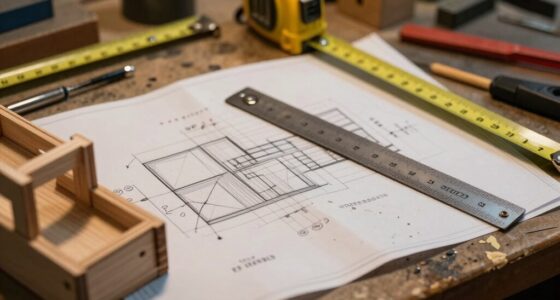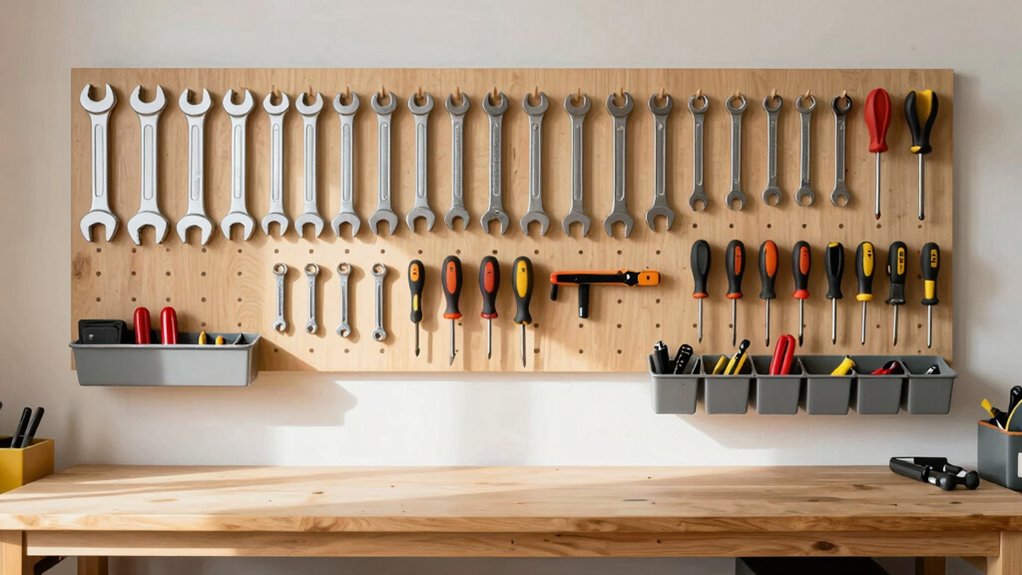

To keep your tools organized so you actually use them, start by evaluating and categorizing everything you own. Invest in sturdy storage solutions like wall racks or labeled containers, and create a dedicated workspace with clear zones for different tools. Regularly clean and check your tools for damage, and keep frequently used items within arm’s reach. Establish routines for tidying and reassessing your setup—more tips await if you continue exploring this approach.
Key Takeaways
- Categorize tools by type and frequency of use, labeling each for quick identification.
- Invest in modular storage solutions and keep frequently used tools within arm’s reach.
- Designate specific zones and boundaries for different tool categories to maintain order.
- Schedule regular cleaning and inspections to ensure tools stay in good condition and ready for use.
- Develop consistent organizational habits, such as weekly reviews and dedicated storage spots, to prevent clutter.
Assess and Categorize Your Tools
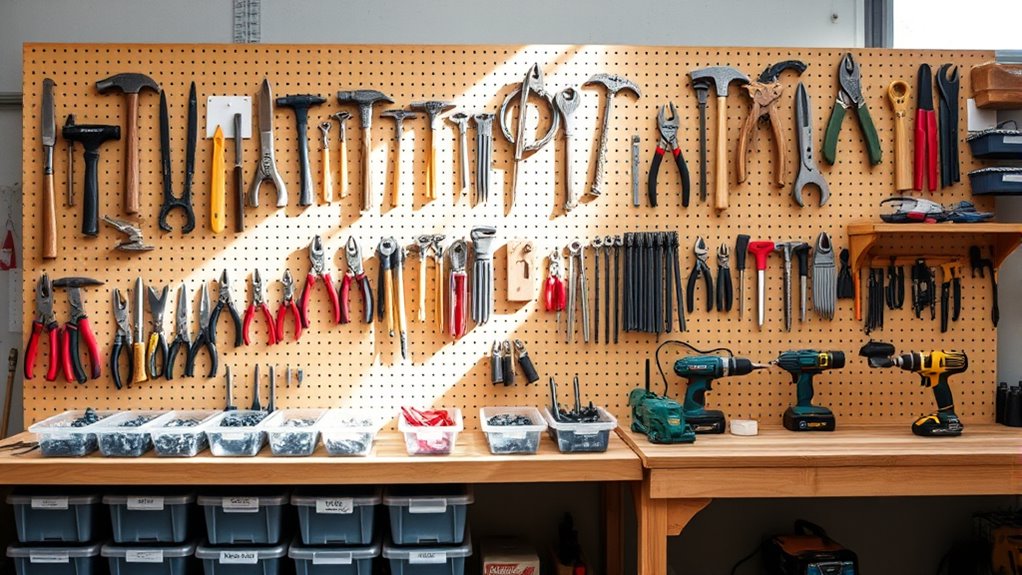
Before organizing your tools, you need to assess and categorize them to create an effective system. Start with a thorough inventory assessment, laying out every tool you own. This helps you see what you have and identify duplicates or unused items. Next, focus on tool categorization by grouping similar tools together—hand tools, power tools, gardening gear, and so on. Clear categories make it easier to find what you need quickly and prevent clutter from taking over. As you categorize, consider how often you use each item. Frequently used tools should be easily accessible, while rarely used ones can be stored away. Additionally, understanding the importance of piercing aftercare and proper hygiene can inspire you to incorporate calming sounds into your workspace, promoting focus and relaxation. Research shows that mammography can be an effective screening method for early detection of breast cancer, which emphasizes the importance of proper health assessments in maintaining overall well-being. Incorporating a personality assessment can also help you understand your organizational style and improve your system’s efficiency. Recognizing the benefits of natural pools and incorporating eco-friendly features can motivate you to design a more sustainable and inviting workspace. This initial step guarantees your organization system is practical, saves time, and keeps your workspace efficient.
Invest in the Right Storage Solutions
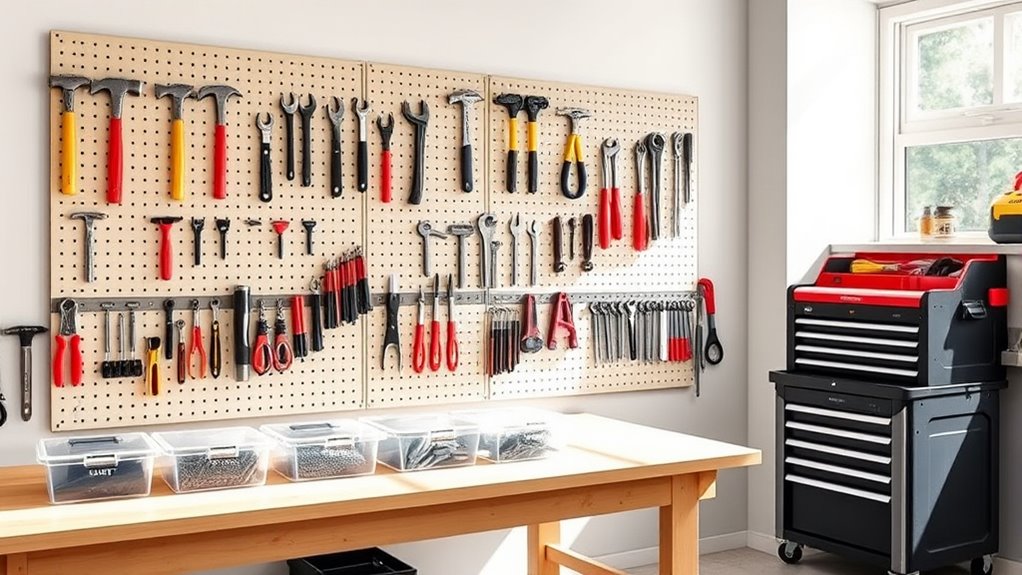
Choosing the right storage solutions is essential to keep your tools organized and easily accessible. Start by investing in durable storage containers that can hold small parts, nails, and screws, preventing clutter and loss. For larger tools, consider wall mounted racks to maximize space and keep frequently used items within easy reach. These racks help you clear work surfaces and prevent tools from piling up in drawers or on the floor. Opt for adjustable or modular systems so you can customize your setup as your collection grows. Quality storage solutions make it easier to find what you need quickly, reducing frustration and saving time. Incorporating organized storage techniques can further enhance your workspace and improve your overall efficiency. Using storage containers designed specifically for small hardware can help keep tiny items sorted and easy to locate. Additionally, selecting secure storage options ensures that tools and parts remain safely stored, especially in busy or cluttered environments. Incorporating storage organization strategies can also prevent damage to your tools and extend their lifespan. By selecting the right storage containers and wall mounted racks, you create a streamlined, efficient workspace that encourages regular tool use.
Create a Dedicated Workspace
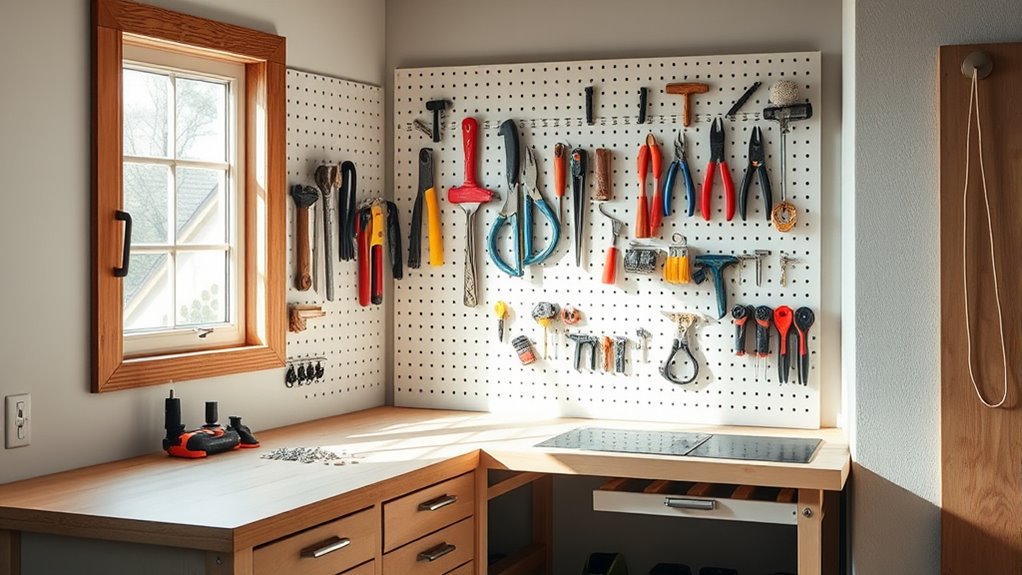
To create an effective workspace, set clear boundaries that separate your work area from other spaces. Designate specific zones for storage to keep everything organized and easily accessible. Keep your most-used tools close at hand so you can work efficiently without unnecessary interruptions. Remember to incorporate compassionate caregiving principles into your environment, ensuring it supports both your productivity and well-being. Additionally, consider organizational strategies that promote a clutter-free space, making it easier to stay focused and motivated throughout your workday. Implementing storage solutions tailored to your tools can further enhance your ability to maintain an orderly environment. Incorporating sleep hygiene practices into your routine can also help improve overall focus and energy levels during your work sessions. Moreover, adopting space-saving techniques can maximize your limited area, creating an even more efficient and inviting workspace.
Clear Workspace Boundaries
Having a dedicated workspace can substantially boost your focus and productivity. It helps you establish clear workspace boundaries, making it easier to maintain organized tools. Creating designated zones within your area guarantees each task has its own clutter free zone, reducing distractions. Incorporating appropriate lighting control can further enhance your ability to see tools clearly and work efficiently. Additionally, implementing a file management system within your workspace can prevent tools and materials from becoming misplaced or cluttered. Embracing European cloud innovation can also support your efforts by providing secure and sustainable digital storage solutions to keep your workspace organized digitally. Integrating smart appliance connectivity can further streamline your workflow, ensuring your tools and resources are always accessible when needed. Exploring ergonomic design principles can also improve comfort and reduce fatigue during extended work sessions.
Designate Storage Zones
Creating designated storage zones within your workspace helps you keep tools organized and easily accessible. Start by assigning specific areas for different tool categories, such as power tools, hand tools, and hardware. Use storage bins to group similar items together, which prevents clutter and saves time searching. Implement clear labeling systems on bins and shelves so you can quickly identify where each tool belongs. Consistent zones reduce chaos, making it easier to put tools away after use and find them when needed. Keep frequently used tools in a central, easy-to-reach area within their designated zones. By creating these focused zones, you streamline your workflow, maintain order, and ensure your tools stay organized and ready to use whenever you need them.
Keep Frequently Used Tools Accessible
Once you’ve established designated storage zones, the next step is to guarantee your most-used tools are within easy reach. Creating a dedicated workspace helps streamline your workflow and enhances workspace organization. Use storage solutions that keep frequently used tools visible and accessible, so you don’t waste time searching. Consider placing a small tray or magnetic strip on your workbench for quick access. Keep a caddy nearby for essentials like screwdrivers, pliers, and measuring tapes. Regularly declutter this area to maintain efficiency. Prioritizing easy access minimizes interruptions and boosts productivity, making it more likely you’ll actually use your tools. Incorporating tool organization techniques can further optimize your workspace for efficiency. Ensuring your tools are properly stored prevents clutter and extends their lifespan, making your projects go more smoothly. Applying ergonomic workspace design principles can also reduce fatigue and improve comfort during long sessions. Additionally, utilizing efficient storage methods tailored to your tools can help maintain order over time, especially when combined with regular maintenance and organization reviews.
Implement a Labeling System
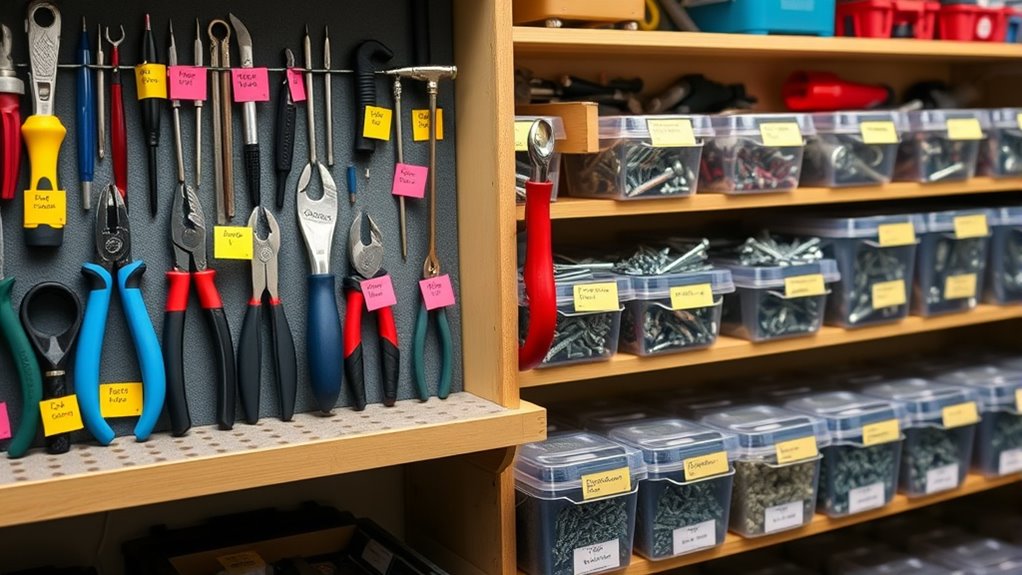
Implementing a labeling system is a crucial step in organizing your tools efficiently. Start by using label materials like adhesive labels, chalkboard tags, or plastic tags that resist wear. Incorporate color coding to quickly identify categories or tools, such as red for power tools or blue for hand tools. Clear, consistent labels help prevent misplacement and save time searching. When labeling, be specific—include tool names, sizes, or用途 to avoid confusion. Use bold fonts or contrasting colors for visibility. This system streamlines your workflow, making it easier to find what you need at a glance. Remember, the goal is to create a visual cue that keeps your tools organized and accessible, so don’t skimp on clarity or durability.
Maintain Regular Cleaning and Upkeep

To keep your tools in top shape, you should schedule regular cleaning sessions. Always wipe tools after use to prevent dirt buildup and check for any signs of damage. Staying consistent with these habits guarantees your tools stay functional and safe for future projects.
Schedule Routine Cleaning
Establishing a regular cleaning schedule guarantees your space stays tidy and maintained without last-minute scrambles. Consistent tool maintenance prevents rust and damage, extending your tools’ lifespan. It also enhances storage ergonomics by ensuring everything is in its designated spot, making tools easier to find and use. To stay on top of this, consider these tips:
- Set specific days for cleaning and inspecting tools to create a routine.
- Use appropriate cleaning products to maintain different tool types.
- Organize storage areas to facilitate quick access and efficient tool maintenance.
Wipe Tools After Use
Have you ever noticed how quickly dirt and grime can build up on your tools after just one use? Wiping your tools after each use is essential for proper tool maintenance. It prevents rust, corrosion, and debris buildup, ensuring your tools stay in top condition. Use effective cleaning techniques like a damp cloth or brush to remove dirt and grease. Regular wiping also prolongs tool lifespan and keeps your workspace tidy. For example, you might keep a dedicated cloth nearby or use a cleaning solution for stubborn grime. Remember, consistent upkeep reduces the need for extensive repairs later. Here’s a quick guide:
| Tool Type | Recommended Cleaning Technique |
|---|---|
| Hand Tools | Wipe with a damp cloth |
| Power Tools | Use compressed air and cloth |
| Cutting Tools | Sharpen and wipe after use |
Inspect for Damage
After wiping your tools clean, it’s important to regularly inspect them for signs of damage. Doing so guarantees tool safety and helps prevent accidents. Look for cracks, rust, or bent parts that could compromise their effectiveness. Damaged tools not only pose safety risks but can also lead to poor workmanship. By catching issues early, you prevent further damage and extend your tools’ lifespan. Keep a close eye on moving parts, blades, and handles for wear. Regular inspections make damage prevention easier and keep your tools in top condition. Remember, a simple check now can save you time and money later, and it guarantees you’re always ready to get the job done safely and efficiently.
Designate Specific Places for Frequently Used Tools
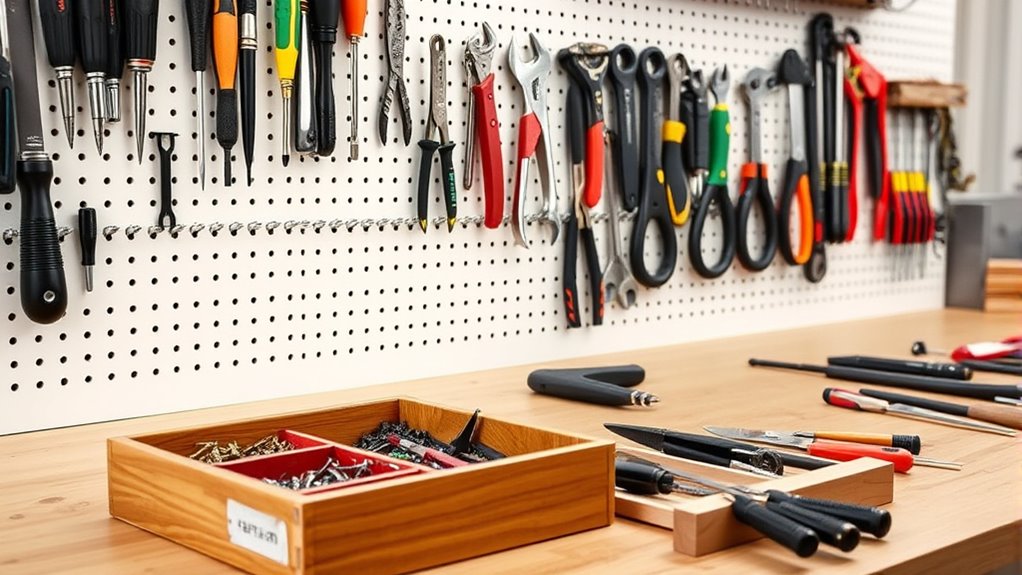
To keep your workspace organized and efficient, you should designate specific places for frequently used tools. Proper tool placement guarantees quick access and reduces clutter. Choose a dedicated spot for tools you regularly use, like screwdrivers, hammers, or pliers, so you always know where to find them. Use labeled containers, hooks, or small bins to keep these tools within easy reach. This approach minimizes time spent searching and encourages consistent organization. When you prioritize frequent access, you make your workflow smoother and more productive. Clear, designated areas for essential tools help maintain order and prevent tools from getting lost or misplaced. By establishing these specific places, you create an organized environment that supports efficiency and keeps your tools ready when you need them most.
Use Portable Organizers for On-the-Go Projects

Ever find yourself needing to work on projects outside your usual workspace? Using portable organizers can make all the difference. Keep your tools in portable containers or travel kits, so they’re ready to go whenever inspiration strikes. These organizers help you avoid missing essential tools or creating a mess on-site.
Some tips to get started:
- Choose sturdy, clearly labeled travel kits for easy access
- Use compact, stackable containers to maximize space
- Pack only what you need for specific projects to stay efficient
Develop a Routine for Organization and Reassessment
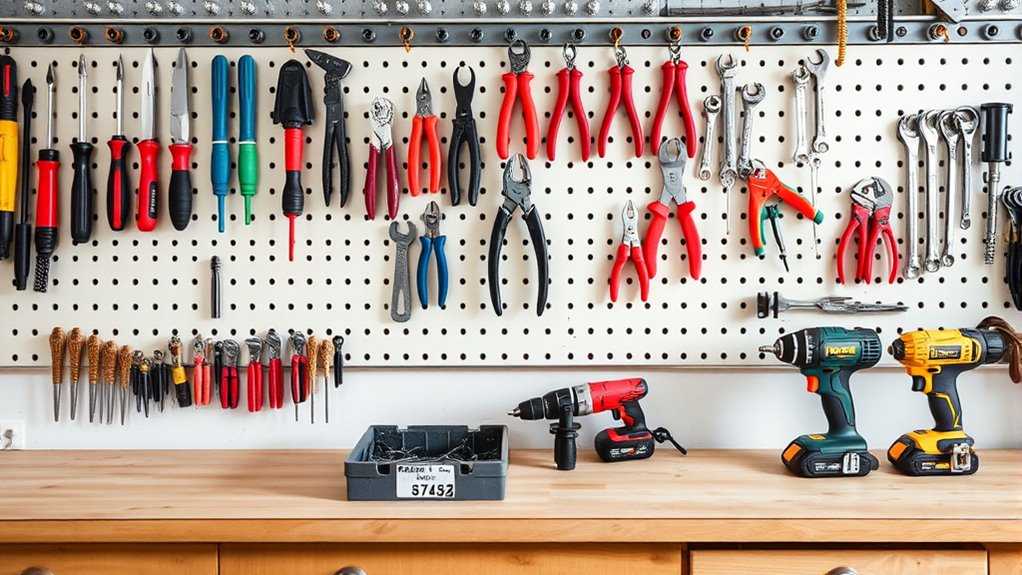
Establishing a routine for organization and regular reassessment keeps your workspace efficient and clutter-free. By making this a habit, you guarantee your tools stay accessible and well-maintained. Incorporate quick weekly reviews into your schedule to reevaluate storage systems and identify tools you no longer need. Practicing consistent habit formation helps you stay disciplined, preventing clutter from building up. Good time management ensures these tasks don’t become overwhelming; set aside specific moments for tidying and reevaluation. Over time, this routine becomes second nature, saving you time in the long run and reducing frustration. Regular checks also help you spot damaged tools or misplaced items early, keeping your workspace safe and functional. Developing this disciplined approach makes tool organization effortless and sustainable.
Frequently Asked Questions
How Often Should I Reassess My Tool Organization System?
You should reassess your tool organization system every three to six months. Regularly review your storage solutions to confirm they’re still effective and update labeling strategies to keep everything clear. As tools change or your projects evolve, adjusting your setup helps prevent clutter and saves time. This routine check keeps your workspace efficient, ensuring you can always find the right tools quickly and maintain an organized, functional environment.
What Are the Best Ways to Prevent Tools From Getting Lost Again?
To prevent tools from getting lost again, you should implement tool labeling and use clear storage containers. Label each container with the tool type or purpose, so you can quickly find and return tools. Always put tools back in their designated containers after use, and keep labels visible. Regularly check and update labels if needed, ensuring your system remains effective and tools stay organized.
How Can I Organize Tools With Limited Space?
To organize your tools in limited space, consider wall-mounted solutions like pegboards or magnetic strips to keep frequently used tools accessible. Use stackable containers or bins to maximize vertical storage for smaller items, keeping them sorted and easy to find. Combine these strategies to create an efficient, clutter-free setup, making the most of your available space while ensuring your tools stay organized and ready for use whenever you need them.
What Safety Precautions Should I Consider When Storing Tools?
When storing tools, prioritize storage safety by keeping sharp or heavy tools out of reach of children and ensuring they’re securely placed to prevent accidents. Always wear protective gear when handling or moving tools, especially sharp or power tools. Use proper storage containers, like sturdy bins or racks, to prevent falls or damage. Regularly inspect your storage area for hazards, and keep a clean, organized space to minimize risks and promote safe tool use.
How Do I Motivate Myself to Keep Tools Organized Consistently?
To stay motivated, use motivational strategies like rewarding yourself when you maintain organization. Focus on habit formation by setting small, achievable goals each day, making the task less overwhelming. Visual cues or checklists can remind you of your progress, encouraging consistency. Remember, the more you practice organizing your tools, the easier it becomes, and you’ll eventually develop a routine that keeps your workspace tidy without much effort.
Conclusion
By evaluating your tools, investing in the right storage, and creating a dedicated workspace, you set the foundation for success. Label your systems, maintain regular upkeep, and designate specific places for your most-used tools. Use portable organizers when needed, and develop a routine for organization and reassessment. With these steps, you’ll stay motivated, stay efficient, and stay organized—making your tools work for you instead of against you.