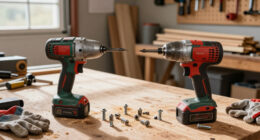
This checklist is for DIY woodworkers who want to plan for eye, hearing, breathing, hand, and shop safety before a project begins. Use it to review the gear you already have and identify important gaps in your setup.

Get business pricing on tools and workshop supplies
- Business-only prices and quantity discounts
- Tax-exempt purchasing
- Multiple users, one account, clear invoices
The sections follow practical safety needs, from personal protective equipment to dust collection and first aid. Some slots include a named pick; others offer general buying guidance without a specific product.
Check that each item suits your tasks, fits you properly, and works with the rest of your setup. Read the manufacturer’s instructions and applicable safety guidance, then make sure fit and compatibility are part of your decision.
Safety Glasses
Eye protection belongs in the checklist whenever woodworking tasks can send chips or dust toward your face. The listed pick is 3M Virtua Safety Glasses, Clear Lens and Frame, ANSI Z87. A safety marking in a product name is a useful starting point, but you should still confirm the labeling and instructions on the exact item you receive.
A common mistake is choosing glasses for appearance or convenience without checking how they sit on your face. Try them on if possible: they should stay in place as you move and should not interfere with other protective equipment. Check whether the temples and lens shape work with your hearing protection, respirator, or any prescription eyewear. Comfortable coverage matters because poorly fitting gear is less likely to be worn consistently.
Before buying, review the product details for the specific version, including lens type and fit. Keep the glasses clean and inspect them for damage according to the manufacturer’s care guidance. Match eye protection to the work and hazards identified for your project; if those needs are unclear, consult reliable safety guidance before starting.
What to look for:
- Clear product labeling and applicable safety information
- A stable fit that stays in place during movement
- Lens and frame dimensions that suit your face
- Compatibility with hearing protection and respirators
- Care and replacement guidance from the manufacturer
3M Virtua Safety Glasses, Clear Lens and Frame, ANSI Z87

These lightweight unisex safety glasses feature a wrap-around design for extended eye protection and unobstructed viewing. The anti-fog lenses are ideal for humid environments, and they meet high impact safety standards, providing UV protection with polycarbonate lenses.
Pros:
- Lightweight and comfortable fit
- Wrap-around design for extended protection
- Anti-fog coating suitable for humid environments
- Meets high impact safety standards
Cons:
- Clear lenses may not be suitable for all lighting conditions
Best for: DIY woodworkers seeking clear safety glasses
Not ideal for: Anyone who needs a different lens or fit
Bottom line: Check the exact product labeling and make sure the glasses fit comfortably with your other protective gear.
Hearing Protection
Hearing protection is an important checklist slot for a shop where tools may create loud noise. No specific product is named here, so choose protection based on the equipment you use, the noise exposure, and applicable safety guidance. Suitable protection should be comfortable enough to wear throughout the task.
A frequent buying mistake is selecting hearing gear without considering fit or how it works with other equipment. Earplugs depend on correct insertion, while earmuffs need to seal around the ears; either can be less effective if worn incorrectly or obstructed by eyewear, hair, or other gear. Check the manufacturer’s instructions and consider whether your shop setup allows a secure fit. Compatibility with eye protection is worth checking before settling on a style.
Do not assume that one option suits every tool or situation. Review product information and relevant hearing-safety guidance for your circumstances, and replace or maintain the equipment as directed. If you are uncertain about the level or type of protection required, seek qualified guidance rather than guessing.
What to look for:
- A secure fit for the wearer and task
- Clear manufacturer guidance on use and care
- Compatibility with safety glasses and other PPE
- A style you can wear consistently
- Applicable protection information for your noise exposure
Dust Respirator
A respirator is a planning consideration when woodworking tasks may create airborne dust. No product is specified for this slot, so use the hazards of your materials and work process to guide the choice. Dust protection depends on selecting appropriate equipment and wearing it as instructed.
A common mistake is treating any face covering as interchangeable with a respirator. Check the product’s intended use, instructions, and applicable safety information for the dust you may encounter. Fit is essential: facial hair, head shape, and how the respirator sits can affect the seal. If the task calls for a fit-tested respirator, follow the relevant guidance and process. A proper seal should be part of the decision, not an afterthought.
Also check whether the respirator can be worn comfortably with your safety glasses and hearing protection. Follow directions for filter selection, inspection, cleaning, and replacement, and store equipment as the manufacturer recommends. When the material or exposure is uncertain, consult authoritative safety guidance before choosing gear or starting work.
What to look for:
- Product information matching the task and dust hazard
- A fit and seal appropriate for the wearer
- Clear instructions for filter choice and replacement
- Compatibility with glasses and hearing protection
- Manufacturer guidance for cleaning and storage
Work Gloves
Gloves can be useful for handling materials and shop tasks where hand protection is appropriate. The listed pick is MaxiFlex Cut 34-8743 Cut Resistant Nitrile Coated Work Gloves, Large,. Its name identifies a cut-resistant, nitrile-coated glove in Large, but confirm the exact product details and sizing before relying on it for a task.
A frequent mistake is assuming gloves are suitable for every woodworking operation. Loose or poorly fitting gloves can interfere with control around moving machinery, so follow the tool maker’s instructions and applicable safety guidance about when gloves should or should not be worn. For tasks where gloves are appropriate, check that the fingers, palm, and cuff fit securely without restricting movement. Correct sizing helps with grip and dexterity.
Review the manufacturer’s guidance for the glove’s intended use, limitations, care, and replacement. Do not infer protection against hazards beyond what the product information states. If you move between hand work and powered equipment, reassess whether gloves are appropriate at each step. Choose gear for the specific task and keep safe tool operation as the priority.
What to look for:
- The exact product model and its stated intended use
- Sizing that gives a secure fit and usable dexterity
- Manufacturer information about protection limits
- Compatibility with the task and tool instructions
- Care and replacement guidance
MaxiFlex Cut 34-8743 Cut Resistant Nitrile Coated Work Gloves, Large, Pack of 12

These MaxiFlex Cut 34-8743 work gloves feature a seamless knit nylon shell with nitrile micro-foam grip, providing excellent dexterity and breathability for dry environments. Designed for precision handling, they include reinforced areas for durability and are touchscreen compatible.
Pros:
- Excellent dexterity and grip with micro-foam nitrile coating
- Highly breathable, reducing hand fatigue during extended use
- Reinforced areas increase durability and glove lifespan
- Touchscreen compatible for convenience
Cons:
- May be less suitable for wet or oily environments
- Limited color options
- Size availability only in large pack
Best for: Material handling when gloves are appropriate
Not ideal for: Tasks where tool guidance advises against gloves
Bottom line: Confirm the Large size fits and follow tool guidance on when gloves are safe to wear.
Dust Collection System
Dust collection is a shop-planning choice that can help manage dust generated by woodworking. The listed pick is JET Vortex Cone Dust Collector with 2-Micron Canister Filter, 1.5 HP,. Those specifications identify the named product, but they do not by themselves establish that it will suit every shop or tool.
A common buying mistake is focusing on a collector’s headline specifications without checking the full setup. Confirm the machine’s requirements, the tools you intend to connect, duct or hose needs, available space, and electrical compatibility using the manufacturer’s documentation. Check the filter information and maintenance instructions as well. System compatibility depends on how the collector connects to your equipment and how your workspace is arranged.
Consider where the unit will sit, how you will access it for maintenance, and whether the setup suits your workflow. Dust collection should be selected as one part of a broader dust-management plan, alongside appropriate personal protection and safe work practices. If you are uncertain whether the product meets your shop’s needs, compare the manufacturer’s specifications with your tools and consult qualified guidance.
What to look for:
- Manufacturer specifications for the exact model
- Compatibility with tools and connection requirements
- Electrical and space requirements for your shop
- Filter details and maintenance instructions
- A setup that fits your workflow and dust-management plan
JET Vortex Cone Dust Collector with 2-Micron Canister Filter, 1.5 HP, 115/230V,
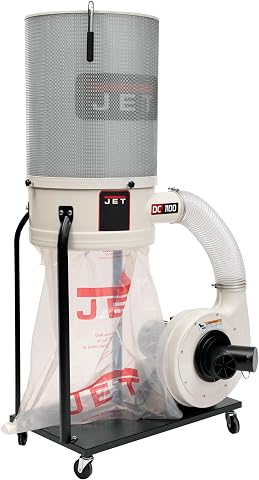
This single-stage dust collector uses Vortex Cone technology to improve chip separation and collection bag packing efficiency. It has a 2-micron canister filter, a continuous-duty motor, quick-connect collection bags, and four casters for mobility.
Pros:
- Vortex Cone improves chip separation and bag packing efficiency
- 2-micron canister filter
- Quick-connect bags are easy to install and remove
- Four casters provide portability
Cons:
- Single-stage design
Best for: Woodworkers planning a compatible collection setup
Not ideal for: Anyone whose tools or space do not match its requirements
Bottom line: Verify the collector’s connections, power, space, and filter requirements against your shop before choosing it.
First Aid Kit
A first aid kit is a practical shop checklist item so supplies are available if a minor injury occurs. No specific kit is named here. Choose one with contents and instructions appropriate to your workspace, the tasks you perform, and the people who use the shop. Accessible supplies are useful only when people know where to find them.
A common mistake is buying a kit and leaving it unchecked. Review the contents when it arrives, learn where it is stored, and inspect it regularly for missing, expired, or damaged items. Consider whether the kit’s instructions are clear and whether its contents suit your setting. Keep it in a known, reachable place that is not obstructed by tools or materials. Regular checks help keep the kit ready for use.
First aid supplies do not replace training or emergency care. Follow the kit instructions and seek appropriate help for serious injuries. If several people use the workspace, make sure they know the kit’s location and how to contact emergency services. Select a kit based on credible guidance for your setting, then keep the contents maintained as directed.
What to look for:
- Contents suited to your workspace and users
- Clear instructions for the supplies included
- A visible, reachable storage location
- A way to inspect and replenish used or expired items
- Guidance appropriate to your setting
Build your checklist in a practical order: first identify the hazards in your projects, then prioritize protective gear and shop equipment that address them. Confirm fit, tool compatibility, and manufacturer instructions before filling gaps. Match each choice to your actual tasks and workspace.
Review the checklist as your tools and projects change, and keep equipment in usable condition. A thoughtful setup makes it easier to prepare before work begins. Take it one step at a time, and keep safety part of every project plan.
Fall yard work Picks
leaf blowers
As an affiliate, we earn on qualifying purchases.