When it comes to vegetable knives, choosing the right tool can significantly improve your prep experience. The Chef Craft Select Vegetable Knife stands out as the best overall due to its balanced size and affordability. For those seeking craftsmanship and premium materials, the Yoshihiro VG10 Nakiri offers exceptional Japanese quality, while the HOSHANHO Nakiri provides ultra-sharp precision at a more accessible price. These options illustrate the key tradeoffs: performance versus cost, craftsmanship versus simplicity. Continue reading for a detailed breakdown of these and other top vegetable knives to find your perfect match.

Get business pricing on tools and workshop supplies
- Business-only prices and quantity discounts
- Tax-exempt purchasing
- Multiple users, one account, clear invoices
Complete the kit


Key Takeaways
- The best vegetable knives balance sharpness, control, and comfort for everyday prep.
- Japanese-style Nakiri knives excel at precise, thin slicing but may feel different than Western styles.
- Material quality, such as Damascus steel or high-carbon stainless steel, directly impacts durability and edge retention.
- Handle ergonomics and weight influence comfort during extended use, especially for larger or more detailed tasks.
- Price ranges reflect differences in craftsmanship, materials, and brand reputation—more expensive isn’t always necessary for good results.
| Chef Craft Select Vegetable Knife, 4.5 inch blade, 2-piece set |  | Best for Precise Vegetable Slicing on a Budget | Blade Length: 4.5 inches | Total Length: 8.5 inches | Number of Pieces: 2 | VIEW ON AMAZON | See Our Full Breakdown |
| Japanese Chef Knife, 67-Layer Damascus Steel 8 Inch Kitchen Knife with AUS-10 Core, Hand Forged Gyuto with Gift Box and Ergonomic Handle |  | Best for Professional-Grade Versatility and Craftsmanship | Material: Damascus Steel with AUS-10 core | Layer Count: 67 layers | Blade Length: 8 inches | VIEW ON AMAZON | See Our Full Breakdown |
| Yoshihiro VG10 46-Layer Hammered Damascus Nakiri Japanese Vegetable Knife 6.5″ (165mm) Ebony Handle |  | Best for Precise Vegetable Chopping and Traditional Craftsmanship | Blade Material: VG10 stainless steel with 46-layer Damascus | Blade Length: 6.5 inches (165mm) | Handle: Ebony, octagonal | VIEW ON AMAZON | See Our Full Breakdown |
| HOSHANHO 7 Inch Nakiri Knife, Ultra Sharp Japanese Kitchen Chef Knife |  | Best for Effortless Vegetable and Meat Slicing | Blade Length: 7 inches | Material: Japanese 10Cr15CoMoV high carbon stainless steel | Blade Hardness: 60 HRC | VIEW ON AMAZON | See Our Full Breakdown |
| VITUER 4-Piece Paring Knife Set with Sheaths, 4-Inch Ultra Sharp Kitchen Knives, German Steel, PP Plastic Handles |  | Best for Safe, Precise Small Tasks and Set Value | Number of knives: 4 | Blade length: 4 inches | Material: German stainless steel (3Cr13MoV) | VIEW ON AMAZON | See Our Full Breakdown |
| imarku 7-Inch Santoku Knife with High Carbon Stainless Steel |  | Best for Versatile, Daily Vegetable Preparation | Blade Length: 7 inches | Material: Japanese high carbon stainless steel | Edge Angle: 15-18 degrees per side | VIEW ON AMAZON | See Our Full Breakdown |
| vegetable knife | Blade Length | Material | Handle Material |
|---|---|---|---|
| Chef Craft Select Vegetable Kn | 4.5 inches | Stainless Steel | — |
| Japanese Chef Knife | 8 inches | Damascus Steel with AUS-10 core | — |
| Yoshihiro VG10 46-Layer Hammer | 6.5 inches (165mm) | — | — |
| HOSHANHO 7 Inch Nakiri Knife | 7 inches | Japanese 10Cr15CoMoV high carbon stainless steel | Pakkawood |
| VITUER 4-Piece Paring Knife Se | 4 inches | German stainless steel (3Cr13MoV) | PP plastic |
| imarku 7-Inch Santoku Knife wi | 7 inches | Japanese high carbon stainless steel | Pakkawood |
More Details on Our Top Picks
Chef Craft Select Vegetable Knife, 4.5 inch blade, 2-piece set
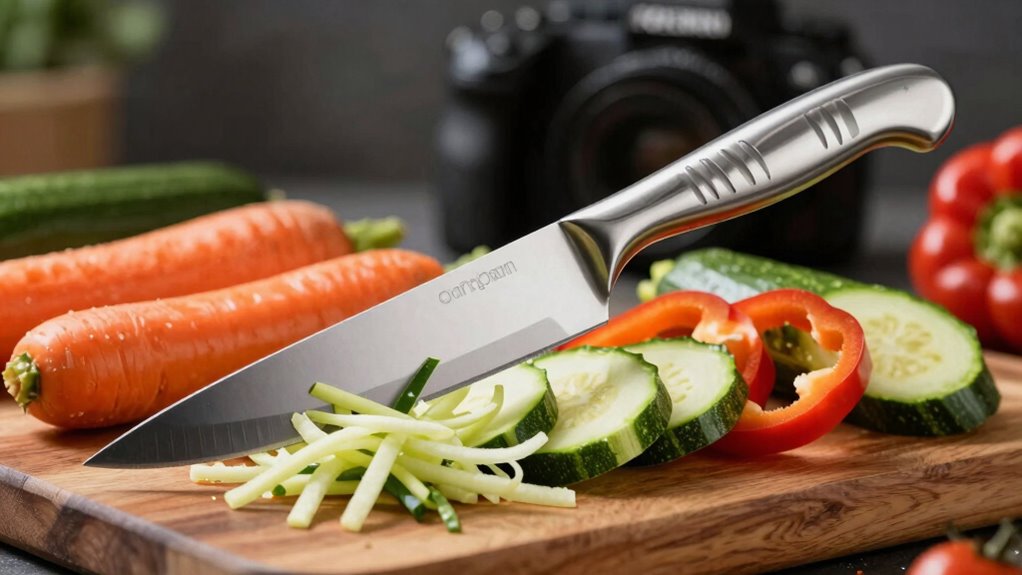
This 2-piece set of stainless steel vegetable knives with 4.5-inch blades offers reliable precision for delicate tasks like slicing tomatoes or cucumbers. Compared to larger or more specialized knives, these are ideal for detailed work but may feel too small for bigger vegetables or heavy-duty chopping. The stainless steel resists rust and stains, making cleanup straightforward, especially for home cooks who prioritize convenience. However, the limited blade length and narrow focus mean they won’t replace a chef’s versatile knife for broader kitchen tasks. They stand out for users seeking compact, easy-to-maintain tools primarily for fruit and vegetable slicing.
Pros:- Sharp, precise blades for detailed cuts
- Rust-resistant stainless steel
- Dishwasher safe for easy cleaning
Cons:- Limited to vegetable and fruit slicing
- Blade size may be small for larger tasks
Best for: Home cooks needing precise, easy-to-clean knives for fruit and vegetable prep
Not ideal for: Users who want a multi-purpose chef’s knife or handle larger vegetables regularly
- Blade Length:4.5 inches
- Total Length:8.5 inches
- Number of Pieces:2
- Material:Stainless Steel
Our verdict“This set is ideal for those focusing on detailed vegetable prep without needing a larger or more heavy-duty knife.”
Japanese Chef Knife, 67-Layer Damascus Steel 8 Inch Kitchen Knife with AUS-10 Core, Hand Forged Gyuto with Gift Box and Ergonomic Handle
This 8-inch Gyuto stands out for its stunning Damascus pattern and exceptional edge retention, thanks to the 67-layer steel with an AUS-10 core. Unlike the more specialized Nakiri or paring knives, this model offers broad versatility, making it suitable for slicing, chopping, and dicing all kinds of ingredients. Its handcrafted construction and ergonomic handle provide comfort during extended use, but it demands careful maintenance to prevent corrosion—more than the stainless steel options like the Chef Craft set. Compared with other high-end knives, its artisanal appeal and multi-purpose design make it a favorite among serious cooks or gift buyers seeking style and function.
Pros:- Exceptional sharpness and edge retention
- Beautiful Damascus pattern with artisanal craftsmanship
- Ergonomic handle for comfortable, precise control
- Includes a gift box, great for gifting
Cons:- Requires careful maintenance to prevent corrosion
- Hand-forged blades may have slight variations
Best for: Culinary enthusiasts and home chefs who want a versatile, beautifully crafted all-purpose knife
Not ideal for: Those seeking low-maintenance or budget-friendly options who prefer simpler knives
- Material:Damascus Steel with AUS-10 core
- Layer Count:67 layers
- Blade Length:8 inches
- Hardness:60 HRC
- Handle:Ergonomic
Our verdict“Ideal for users who value craftsmanship and versatility, willing to maintain a high-quality knife.”
Yoshihiro VG10 46-Layer Hammered Damascus Nakiri Japanese Vegetable Knife 6.5″ (165mm) Ebony Handle
This Nakiri knife features a VG10 stainless steel core with 46 layers of Damascus, combining durability with striking aesthetics. Compared to the more versatile Gyuto, the Nakiri’s straight blade excels at precise vegetable cuts, making it a favorite for dedicated vegetable prep. The ergonomic octagonal ebony handle enhances grip comfort, but the knife requires careful sharpening and hand washing, unlike dishwasher-safe options. Its traditional Japanese design and protective saya make it ideal for those who value craftsmanship and dedicated vegetable work, though it’s not suited for heavy or frozen foods.
Pros:- High-quality VG10 Damascus steel with 46 layers
- Ergonomic octagonal ebony handle
- Includes a protective wooden saya
- Excellent for precise vegetable chopping
Cons:- Requires careful sharpening with water whetstones
- Not dishwasher safe
- Limited to vegetable prep only
Best for: Home cooks and professionals who focus on vegetable preparation and appreciate Japanese craftsmanship
Not ideal for: Users needing a multi-purpose knife or one that handles tougher tasks like bone or frozen foods
- Blade Material:VG10 stainless steel with 46-layer Damascus
- Blade Length:6.5 inches (165mm)
- Handle:Ebony, octagonal
- Includes:Saya (wooden sheath)
- Made in:Japan
Our verdict“Perfect for those prioritizing vegetable precision and traditional Japanese style, given proper care.”
HOSHANHO 7 Inch Nakiri Knife, Ultra Sharp Japanese Kitchen Chef Knife
This 7-inch Nakiri from HOSHANHO offers a hand-polished, ultra-sharp blade crafted from high carbon stainless steel, making it a reliable tool for quick, precise cuts. Compared to the VG10 Nakiri, this model emphasizes sharpness and ease of slicing, thanks to its 60 HRC hardness and 15-degree edge angle. The ergonomic pakkawood handle reduces fatigue, but it requires hand washing to preserve its finish and sharpness, unlike dishwasher-safe sets. Its versatility extends beyond vegetables to include meats and fruits, appealing to cooks who want a single, sharp, lightweight knife for multiple tasks.
Pros:- Sharp, precise cutting edge
- Ergonomic handle reduces fatigue
- Versatile for vegetables, meat, and fruit
- Stylish non-stick scalloped side
Cons:- Hand wash recommended for longevity
- Handle may need careful cleaning due to wood material
Best for: Home chefs seeking a sharp, versatile vegetable knife that also handles meats and fruits
Not ideal for: Users who prefer dishwasher-safe knives or heavy-duty chopping of frozen or bone-in foods
- Blade Length:7 inches
- Material:Japanese 10Cr15CoMoV high carbon stainless steel
- Blade Hardness:60 HRC
- Handle Material:Pakkawood
- Edge Angle:15 degrees
Our verdict“A sharp, versatile Nakiri suited for cooks who prioritize effortless slicing and multi-ingredient use.”
VITUER 4-Piece Paring Knife Set with Sheaths, 4-Inch Ultra Sharp Kitchen Knives, German Steel, PP Plastic Handles
This set of four 4-inch paring knives from VITUER delivers sharpness and safety with protective sheaths, perfect for peeling, detailed slicing, and intricate work. Compared to specialized vegetable knives, these are more compact and suitable for delicate tasks, especially in tight spaces. The German stainless steel offers decent durability, but the 56 HRC hardness means they may need careful sharpening over time. The plastic handles provide good control, but they lack the premium feel of wooden or ergonomic handles, and the set’s focus on small knives means it doesn’t replace larger, more versatile blades for bigger ingredients.
Pros:- Sharp and durable German steel blades
- Includes protective sheaths for safe storage
- Ergonomic handles for control
- Great set for detailed, small-scale tasks
Cons:- Set does not include larger knives for bigger prep tasks
- Requires hand washing to maintain sharpness
Best for: Home cooks and bakers needing safe, precise small knives for peeling and detailed prep
Not ideal for: Users seeking heavy-duty or larger knives for chopping larger vegetables or meats
- Number of knives:4
- Blade length:4 inches
- Material:German stainless steel (3Cr13MoV)
- Hardness:56±2 HRC
- Handle material:PP plastic
- Includes:4 knives and 4 sheaths
Our verdict“A practical, safe set of small knives ideal for detailed work and everyday kitchen tasks.”
imarku 7-Inch Santoku Knife with High Carbon Stainless Steel
This imarku 7-Inch Santoku Knife stands out for its combination of Japanese high carbon stainless steel and thoughtful design features. Compared to the Yoshihiro VG10 Nakiri, which is more specialized for vegetable prep, this santoku offers a broader range of slicing, dicing, and mincing tasks. Its hollow edge effectively reduces food sticking, making prep faster and cleaner, while the ergonomic pakkawood handle ensures comfort during extended use. However, the handle may become slippery if not properly maintained, which could impact safety. The 7-inch blade makes it more maneuverable than larger knives like the Damascus Gyuto, but might feel limited for bigger vegetables or heavy-duty tasks. This pick makes the most sense for home cooks who want a durable, all-purpose knife that handles vegetables well without sacrificing comfort.
Pros:- Sharp and durable edge suitable for frequent use
- Ergonomic handle reduces wrist tension during extended prep
- Hollow edge design minimizes sticking for faster work
- High-quality materials and craftsmanship
Cons:- Handle may become slippery if not properly maintained
- Limited to a 7-inch blade, which may be too small for some larger vegetables or heavy-duty tasks
Best for: Home cooks seeking a versatile vegetable knife suitable for daily use and comfortable handling
Not ideal for: Professional chefs or those preparing large quantities of vegetables who need a larger or more specialized blade
- Blade Length:7 inches
- Material:Japanese high carbon stainless steel
- Edge Angle:15-18 degrees per side
- Handle Material:Pakkawood
- Blade Thickness:2.5mm
Our verdict“This santoku knife is ideal for home cooks who want a reliable, all-purpose vegetable knife that balances sharpness and comfort.”
How We Picked
I evaluated these vegetable knives based on several key factors: blade sharpness, edge retention, ease of handling, build quality, and value for the price. I also considered the versatility of each knife for different vegetable prep tasks, as well as user comfort and maintenance needs. Knives that combined high performance with durability and ergonomic design ranked higher, while balancing cost to ensure options for various budgets. The selection process aimed to identify knives that excel in real kitchen scenarios, not just in specifications, so the rankings emphasize practical usability and overall value.| vegetable knife | Material | Handle Material |
|---|---|---|
| Chef Craft Select Vegetable Kn | Stainless Steel | — |
| Japanese Chef Knife | Damascus Steel with AUS-10 core | — |
| Yoshihiro VG10 46-Layer Hammer | — | — |
| HOSHANHO 7 Inch Nakiri Knife | Japanese 10Cr15CoMoV high carbon stainless steel | Pakkawood |
| VITUER 4-Piece Paring Knife Se | German stainless steel (3Cr13MoV) | PP plastic |
| imarku 7-Inch Santoku Knife wi | Japanese high carbon stainless steel | Pakkawood |
Factors to Consider When Choosing Vegetable Knives
Choosing the right vegetable knife involves considering several factors beyond just blade length and material. To maximize your investment, think about how the knife feels in your hand, the types of vegetables you’ll slice most often, and how much maintenance you’re willing to perform. A well-chosen knife can make prep faster and more enjoyable, but a mismatch can lead to frustration and even injury. Here are the key considerations to keep in mind:Blade Shape and Style
Different vegetable knives come in various shapes, such as Nakiri, Santoku, and Gyuto, each suited to specific prep tasks. Nakiri knives excel at straight slicing and julienne cuts, making them ideal for vegetables like carrots, daikon, and cucumbers. Santoku and Gyuto knives are more versatile, capable of handling both vegetables and proteins, but may be less specialized for delicate vegetable work. Choosing the right style depends on your typical prep tasks and comfort with different knife types.
Blade Material and Edge Retention
The quality of steel impacts how long a knife stays sharp and how easy it is to maintain. Damascus steel, like in the Yoshihiro Nakiri, offers both durability and aesthetic appeal, but can be pricier. High-carbon stainless steel provides a good balance of sharpness, rust resistance, and ease of maintenance. Cheaper options may dull quickly, requiring frequent sharpening, which can be frustrating if you’re not experienced with honing knives regularly.
Handle Ergonomics and Balance
A comfortable handle reduces fatigue during extended chopping sessions. Look for handles that fit well in your hand, whether wood, composite, or plastic. Weight distribution is also important; a well-balanced knife feels natural and precise, reducing strain. If you prefer a lightweight feel, avoid heavier options; if you want more control, consider a slightly heavier, well-balanced knife. Remember, a handle that feels awkward can spoil even the sharpest blade.
Size and Length
Blade length affects control and leverage. Smaller knives (around 4 inches) are great for detailed work and peeling, while an 8-inch blade offers more chopping power for larger vegetables. Most top vegetable knives fall between 6 to 7 inches, providing a good balance of control and efficiency. Selecting a size that matches your typical vegetable prep will make your tasks easier and safer.
Maintenance and Care
Proper care extends the life of your vegetable knife. Hand washing and drying immediately after use prevents rust and corrosion, especially with high-carbon steels. Sharpening should be done regularly using appropriate stones or honing tools; some steels hold an edge longer but are harder to sharpen. Consider whether you prefer a knife that’s easy to hone at home or one that might require professional sharpening—this influences your long-term satisfaction and costs.
Frequently Asked Questions
Should I choose a Nakiri or a Santoku for vegetable prep?
Choosing between a Nakiri and a Santoku depends on your specific needs. Nakiri knives are designed for straight, precise slicing of vegetables, making them ideal if you do a lot of thin cuts or julienning. Santoku knives are more versatile, capable of handling vegetables, meats, and other ingredients, but may not excel at the delicate, precise cuts that Nakiris provide. If most of your prep revolves around vegetables, a Nakiri offers better control; for more varied tasks, a Santoku provides flexibility.
Is high-carbon steel better than Damascus steel for vegetable knives?
High-carbon steel is prized for its sharpness and ease of sharpening, often resulting in a very fine edge, but it can be more prone to rust if not properly cared for. Damascus steel combines multiple layers for strength and aesthetic appeal, often with good edge retention, but can be more expensive and sometimes more difficult to sharpen precisely. Your choice should depend on your willingness to maintain the knife and your budget—both can perform well if cared for properly.
Can I use a general-purpose chef’s knife for vegetables instead of a dedicated vegetable knife?
Yes, a well-made chef’s knife can handle most vegetable prep tasks, offering versatility that Nakiri or specialized knives might lack. However, dedicated vegetable knives like Nakiris often provide cleaner, more precise slices with less effort due to their shape and edge geometry. If you frequently prepare vegetables, investing in a specialized knife can improve results and reduce fatigue. For occasional use, a good chef’s knife may suffice, but dedicated veggie knives excel in specific tasks.
How often should I sharpen my vegetable knives?
The frequency of sharpening depends on how often you use the knife and the steel quality. As a general rule, sharpening every few months is sufficient for typical home use, with honing guides or ceramic rods used in between to maintain the edge. If you notice the knife struggling to cut cleanly or requiring more pressure, it’s time to sharpen. Proper sharpening technique and regular maintenance extend the lifespan of your blade and ensure consistent performance.
Are more expensive vegetable knives worth the extra cost?
Higher-priced vegetable knives often feature better materials, craftsmanship, and ergonomic designs, which can translate into improved performance and longevity. However, for casual cooks or those on a budget, more affordable options like the Chef Craft set can deliver good results without breaking the bank. The key is to balance your needs, frequency of use, and maintenance willingness—more expensive knives tend to be more durable and comfortable for frequent, serious prep work.
Conclusion
For everyday vegetable prep, the Chef Craft Select Vegetable Knife offers excellent value with reliable performance at an accessible price point, making it perfect for casual cooks. The Yoshihiro VG10 Nakiri stands out as the best premium choice for enthusiasts who value craftsmanship and aesthetic appeal. Beginners will appreciate the balanced design of the HOSHANHO Nakiri, which combines sharpness with ease of use. Finally, those seeking a versatile, all-around kitchen knife might find the Imarku Santoku best suited to handle both vegetables and other ingredients. Your ideal pick depends on your budget, skill level, and specific prep needs.Fall yard work Picks
leaf blowers
As an affiliate, we earn on qualifying purchases.