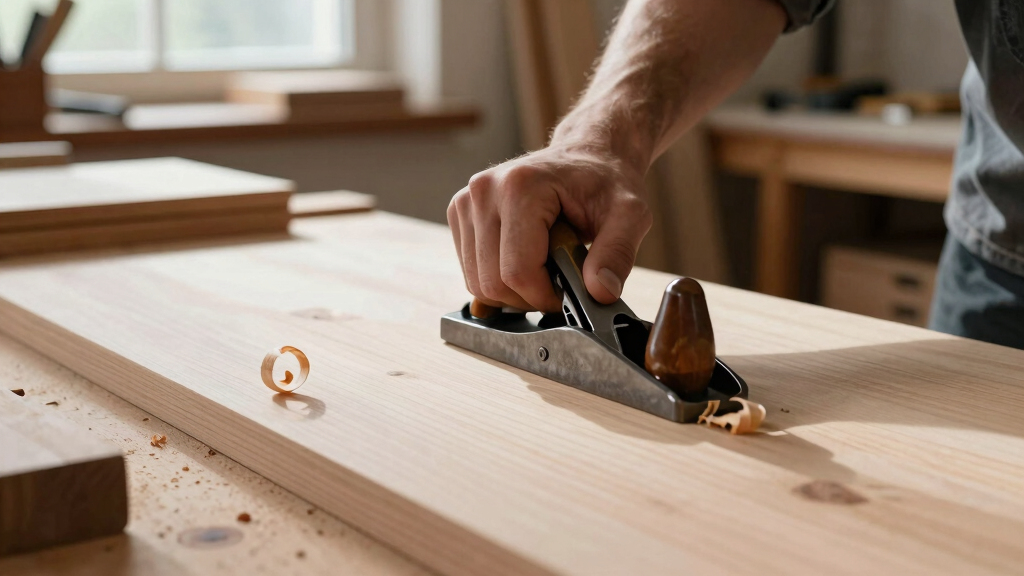

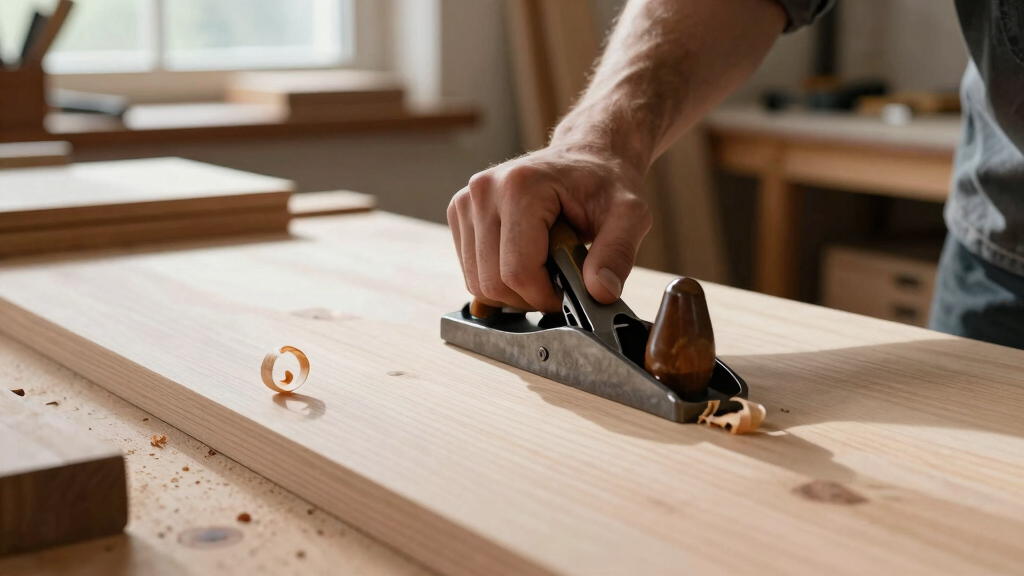
Finding the right woodworking hand plane can dramatically improve your craftsmanship, whether you’re smoothing surfaces or trimming edges. The best overall pick in 2026 is the Jorgensen No.4 10″ Wood Plane for its blend of precision and durability. For those seeking a budget-friendly option, the Amazon Basics No.4 Adjustable Bench Plane offers solid performance at a lower price. If you’re after a Japanese-style tool, the KAKURI Japanese Hand Plane provides exceptional craftsmanship and unique cutting action. The main tradeoffs revolve around price, build quality, and intended use—more expensive models often offer greater control and longevity, while cheaper options can be suitable for light tasks. Keep reading for a detailed breakdown to help you choose the best hand plane for your needs.

Get business pricing on tools and workshop supplies
- Business-only prices and quantity discounts
- Tax-exempt purchasing
- Multiple users, one account, clear invoices
Complete the kit


Key Takeaways
- The top-ranking hand planes balance build quality with ease of adjustment, making them suitable for both beginners and seasoned woodworkers.
- Specialized low-angle and smoothing planes stand out for precision work, but may not be necessary for casual projects.
- Japanese hand planes like KAKURI often excel in craftsmanship and fine control, appealing to dedicated hobbyists and professionals alike.
- Price differences are significant; investing in a more durable, adjustable plane often pays off over time, especially for frequent use.
- The variety in sizes and types (block, smoothing, jack) reflects the diverse needs across woodworking tasks, so selecting a versatile model can reduce the need for multiple tools.


| woodworking hand plane | Blade Material | Body Material |
|---|---|---|
| Jorgensen No.102 Wood Planer | O1 tool steel | Ductile iron |
| Amazon Basics No.4 Adjustable | — | — |
| Amazon Basics Woodworking Hand | Steel | — |
| Jorgensen No.4 10" Wood Plane | O1 tool steel | Ductile iron |
| Jorgensen No.60-1/2 6-1/4" Woo | O1 tool steel | Ductile iron |
| #5 Bench Hand Plane | — | — |
| Jorgensen No.5 Wood Planer | O1 tool steel | Ductile iron |
| KAKURI Japanese Hand Plane 42m | Japanese high-carbon steel | ECO oak |
| Groz No. 6 Fore Plane Hand Pla | Hardened steel | Cast iron |
| Jorgensen No.101 Mini Wood Pla | O1 tool steel | Ductile iron |
| Spear & Jackson CJP5 Carpenter | High carbon steel | Cast iron |
More Details on Our Top Picks
Jorgensen No.102 Wood Planer, Hand Planer for Woodworking, Low Angle Block Plane, Small Hand Plane for Detail Trimming
The Jorgensen No.102 stands out for its high-quality O1 tool steel blade and adjustable depth, making it ideal for precise trimming, polishing, and deburring. Compared with larger, more robust options like the Jorgensen No.4, this model excels at fine detail work but isn’t suited for heavy stock removal. Its durable materials support frequent use, yet the sharp blade demands careful handling to avoid injury. This pick makes the most sense for woodworkers who need accuracy in small, delicate tasks rather than bulk smoothing.
Pros:- High-quality, durable O1 steel blade
- Adjustable cutting depth for versatility
- Compact size for detailed work
- Suitable for professionals and DIY enthusiasts
Cons:- Sharp blade requires cautious handling
- Limited capacity for heavy stock removal
Best for: Professional woodworkers and detailed hobbyists focused on finishing touches
Not ideal for: Users needing heavy-duty planing for rough dimensioning, as its small size limits material removal capacity
- Blade Material:O1 tool steel
- Body Material:Ductile iron
- Lever Cap Material:Zinc alloy
- Adjustable:Yes
- Suitable for:Woodworking, DIY, crafts
- Blade Width:Small, precise
Our verdict“This plane is perfect for those who prioritize precision in small-scale woodworking tasks.”
Amazon Basics No.4 Adjustable Precision Smoothing Bench Hand Plane with 2-Inch Blade and Wooden Handles for Woodworking
The Amazon Basics No.4 offers a sturdy cast iron body and impact-resistant wooden handles, making it well-suited for smoothing and finishing surfaces. Unlike the Jorgensen No.102, which excels at detail trimming, this model provides a broader, more stable cut ideal for preparing large flat surfaces. Its adjustability and durable build support consistent results, but its weight can cause fatigue during extended use, and maintaining the blade’s sharpness is essential for optimal performance. It’s best for hobbyists and pros looking for a reliable smoothing plane that balances stability with precision.
Pros:- Sturdy cast iron construction for stability
- Adjustable for fine-tuning results
- Impact-resistant wooden handles for comfort
- Reliable for consistent smoothing
Cons:- Heavier weight may cause fatigue
- Requires regular blade maintenance
Best for: Woodworkers focused on finishing large surfaces or smoothing tasks
Not ideal for: Fine detail or intricate trimming work, where a smaller, more precise tool is preferable
- Blade Size:2 inches
- Material:Cast iron body, steel alloy blade, wooden handles
- Adjustability:Yes
Our verdict“This plane suits those who need a stable, adjustable tool for smoothing larger wood surfaces efficiently.”
Amazon Basics Woodworking Hand Planer – No.4 Adjustable Bench Plane with Steel Blade
The Amazon Basics No.4 with its steel blade and cast iron body emphasizes durability and ergonomic handling, making it suitable for both beginners and experienced woodworkers. Compared with the Jorgensen No.102, which is more detail-oriented, this model offers a balanced approach to smoothing and trimming with features like adjustable mouth and depth gauge that enhance control. However, its weight and the need for maintenance can pose challenges for extended sessions. This plane is a practical choice for those seeking a reliable, comfortable tool for finishing work.
Pros:- Steel blade for smooth cuts
- Adjustable mouth and depth
- Ergonomic handles for comfort
- Durable cast-iron construction
Cons:- Heavy for prolonged use
- Requires blade sharpening and maintenance
Best for: DIYers and professionals needing a comfortable, adjustable smoothing plane
Not ideal for: Heavy-duty stock removal or rough shaping, due to its focus on fine finishes and comfort
- Blade Size:2 inches
- Material:Cast iron
- Blade Material:Steel
- Adjustable Features:Mouth and depth gauge
- Handles:Front and rear ergonomic handles
Our verdict“Ideal for woodworkers prioritizing comfort and precision in finishing tasks.”
Jorgensen No.4 10″ Wood Plane, Hand Plane for Woodworking, Professional Smoothing Plane with Ductile Iron Body
The Jorgensen No.4 offers a 10-inch blade and a robust ductile iron body, making it a strong choice for heavy-duty smoothing, shaping, and fine trimming. Compared to smaller planes like the Amazon Basics No.4, this model provides greater leverage and a longer sole for more controlled material removal. Its high-quality O1 steel blade ensures durability, but the weight can challenge users during prolonged use, and it requires frequent sharpening. This plane is best suited for experienced woodworkers who need a powerful, precise tool for large or rougher work.
Pros:- Long 10-inch blade for efficient planing
- Heavy-duty ductile iron body
- High-quality O1 steel blade
- Ergonomic handle for control
Cons:- Heavy weight may cause fatigue
- Requires frequent sharpening
- Limited to smoothing and shaping tasks
Best for: Experienced woodworkers doing heavy smoothing and shaping on large projects
Not ideal for: Detail work or small-scale trimming, where a more compact tool is preferable
- Blade Material:O1 tool steel
- Body Material:Ductile iron
- Blade Length:10 inches
- Handle Material:Beech wood
- Model Number:70730
Our verdict“This plane is ideal for seasoned woodworkers tackling larger or rougher smoothing projects with power and precision.”
Jorgensen No.60-1/2 6-1/4″ Wood Planer, Hand Planer for Woodworking, Low Angle Block Plane, Small Hand Plane for Trimming and Crafting
The Jorgensen No.60-1/2 offers a compact, 6-1/4-inch design with adjustable cutting depth and mouth width, making it ideal for detailed trimming, fitting, and craft projects. Its O1 tool steel blade ensures clean, precise cuts, but its small size limits its utility for heavy stock removal or larger smoothing tasks. Compared with larger planes like the Jorgensen No.4, this model is easier to handle in tight spaces, yet demands careful control to avoid accidental slips. It’s best suited for professionals or DIYers who focus on detailed work and small-scale projects.
Pros:- Professional-grade O1 steel blade
- Adjustable for cutting depth and mouth width
- Compact and easy to maneuver
- Suitable for precise trimming and crafting
Cons:- Requires careful handling due to sharp blade
- Limited to small or detailed tasks
- Manual adjustments need skill
Best for: Crafters and detail-oriented woodworkers working on small projects
Not ideal for: Heavy stock removal or large surface smoothing, due to its limited size and capacity
- Blade Material:O1 tool steel
- Body Material:Ductile iron
- Size:6-1/4 inches
- Adjustable:Yes, for cutting depth and mouth
Our verdict“This plane is a perfect choice for those needing precision and control in small woodworking projects.”
#5 Bench Hand Plane – Jack Plane
This WoodRiver #5 Bench Hand Plane stands out for its durability and precision, thanks to heavy castings and fully machined components that ensure flat, square soles and sides. Its size and heavy weight provide stability for a range of smoothing and flattening tasks, making it a reliable choice for serious woodworkers. Compared with the Groz No. 6, this model offers similar width and length but is slightly more refined in machining, though its weight can be tiring over extended sessions. The Bubinga handles enhance comfort during prolonged use, but the tool’s weight might limit its appeal for those seeking lighter, more maneuverable options. This pick makes the most sense for experienced woodworkers who prioritize stability and precision over ease of handling for long periods.
Pros:- Heavy castings and fully machined components ensure durability and precision
- Comfortable Bubinga handles improve control during use
- Machined soles and sides provide accurate, flat surfaces
Cons:- Heavy weight may cause fatigue during extended use
- Limited information on fine-tuning or adjustment features
Best for: Professional woodworkers and hobbyists needing a durable, versatile jack plane for various projects
Not ideal for: Beginners or those with limited hand strength due to its weight and heavier handling
- Model:#5 Bench Hand Plane
- Blade Width:2-7/16 inches
- Length:13-7/8 inches
- Handle Material:Bubinga
- Weight:5 lbs
Our verdict“Ideal for experienced users seeking a stable, precise jack plane for diverse woodworking tasks.”
Jorgensen No.5 Wood Planer, Hand Planer for Woodworking, Jack Plane with Ductile Iron Body and Adjustable Cutting Depth
The Jorgensen No.5 offers a professional-grade experience with its ductile iron body and adjustable cutting depth, making it highly versatile for flattening large panels or smoothing rough stock. Its ergonomic beech wood handle enhances comfort, but the need for manual sharpening and its weight make it less suitable for prolonged, repetitive tasks. Compared with the Groz No. 6, this model provides more fine control through its adjustable feature, though it can be tiring to use over long periods due to weight. It’s a solid choice for those who want a reliable, adjustable plane for occasional or detailed work, rather than constant production. This makes it ideal for hobbyists and seasoned woodworkers who value precise control over speed or surface finish.
Pros:- Durable ductile iron body resists wear and damage
- Adjustable cutting depth for versatile applications
- Ergonomic handle enhances comfort during use
Cons:- Requires manual blade sharpening over time
- Heavy weight can cause fatigue
Best for: Woodworkers seeking a durable, adjustable jack plane for detailed or variable-depth planing
Not ideal for: Users looking for a lightweight or purely beginner-friendly option, due to its weight and sharpening needs
- Blade Material:O1 tool steel
- Body Material:Ductile iron
- Lever Cap Material:Aluminum alloy
- Handle Material:Beech wood
- Adjustable Cutting Depth:Yes
Our verdict“Best suited for experienced users who need adjustable depth and durability for demanding woodworking tasks.”
KAKURI Japanese Hand Plane 42mm for Woodworking, ECO Oak Body, Made in Japan
The KAKURI Japanese Hand Plane excels in detailed smoothing and chamfering, thanks to its high-carbon steel blade and compact ECO oak body. Its size makes it suitable for fine, controlled work, especially for delicate edges or intricate surfaces. Compared with larger planes like the Groz No. 6, this model offers more maneuverability but less power for heavy material removal. It requires fine-tuning of the blade with a hammer before use, which could be challenging for beginners. The distinct grain pattern of ECO oak adds character but can affect uniformity. This plane is best for woodworkers who prioritize precision and control over raw power, especially in fine finishing or complex shaping tasks.
Pros:- High-quality Japanese steel blade for smooth, clean finishes
- Compact size allows for precise control
- Includes an English manual for easy setup
Cons:- Requires blade fine-tuning before first use
- Limited cutting width restricts heavy-duty tasks
Best for: Detail-oriented woodworkers and hobbyists focused on fine smoothing and edge work
Not ideal for: Heavy stock removal or flattening large panels, due to its small size and limited cutting width
- Blade Material:Japanese high-carbon steel
- Body Material:ECO oak
- Size:5.9 x 2.1 x 1.6 inches
- Blade Width:42 mm (1.65 inches)
- Cutting Width:36 mm (1.42 inches)
Our verdict“Perfect for those who need a precise, lightweight plane for detailed finishing and shaping.”
Groz No. 6 Fore Plane Hand Planer, 18″ Length, Cast Iron Body with Adjustable Frog, Hardened Steel Blade
The Groz No. 6 Fore Plane offers an impressive 18-inch length and a cast iron body that provides stability for flattening large surfaces like tabletops or panels. Its 60mm hardened steel blade cuts efficiently, maintaining sharpness over many uses. The adjustable frog allows for precise control over cutting depth, making it suitable for both softwoods and hardwoods. Compared with smaller planes like the Jorgensen No.5, this model excels in wide surface work but is heavier, which can be tiring to maneuver. Its robust build and ready-to-use design make it ideal for professional shop environments, but less appealing for fine detailed work or those needing a lightweight tool. This is a go-to for large, flat surface projects where speed and stability matter most.
Pros:- Long 18-inch body provides stability for flat surfaces
- Adjustable frog for precise control
- Hardened steel blade maintains sharpness
Cons:- Heavy weight can cause fatigue
- Less maneuverable for intricate or small-scale tasks
Best for: Woodworkers needing to flatten large panels or workbenches with consistent results
Not ideal for: Small-scale or detail work, due to its size and weight
- Length:18 inches
- Cutter Width:60mm
- Blade Material:Hardened steel
- Body Material:Cast iron
- HRC Hardness:55+5 HRC
Our verdict“Best for professionals and serious hobbyists tackling large surface flattening projects efficiently.”
Jorgensen No.101 Mini Wood Planer – Handheld Block Plane for Woodworking, Adjustable Cutting Depth
The Jorgensen No.101 Mini Wood Planer is tailored for detailed work such as trimming, polishing, or deburring, thanks to its compact size and adjustable blade. Its high-quality O1 steel blade handles fine finishing tasks with ease, and the ductile iron body ensures durability. Compared with larger planes like the #5 or Groz No. 6, this mini version excels in tight spots or delicate projects, but it’s limited in scope for large planing jobs. The need for careful handling due to its sharp blade and small size can be a drawback for beginners. It’s best suited for hobbyists and professionals who require precise control in small, detailed work rather than bulk material removal.
Pros:- Durable, high-quality construction suitable for frequent use
- Adjustable cutting depth for versatile applications
- Compact and portable for on-the-go work
Cons:- Requires careful handling because of sharp blade
- Limited to small-scale woodworking projects
Best for: Woodworkers doing detailed trimming, polishing, or small surface finishing tasks
Not ideal for: Heavy-duty flattening or large panel work, due to its small size and scope
- Blade Material:O1 tool steel
- Body Material:Ductile iron
- Adjustable:Yes
- Use Cases:Trimming, polishing, deburring
Our verdict“Best for those who need precise, small-area woodworking finishing and trimming tasks.”
Spear & Jackson CJP5 Carpenters No.5 Jack Plane
The Spear & Jackson CJP5 Carpenters No.5 Jack Plane excels at tackling initial roughing tasks, making it a solid choice for those who need to remove large amounts of material quickly. Its cast iron body provides durability, while the precision-milled base ensures consistent, flat surfaces—comparable to the Jorgensen No.5, but with a slightly heavier feel that may tire users during extended sessions. The high carbon steel blade offers sharpness and edge retention, although it requires regular sharpening, unlike some premium models with more advanced blade coatings. The brass adjusting screw simplifies setting cut depth, but replacement blades are sold separately, adding ongoing costs. Compared with lighter, more refined smoothing planes, this unit is better suited for heavy-duty stock removal rather than fine finishing. This pick makes sense for woodworkers who prioritize durability and raw power over finesse.
Pros:- Durable cast iron construction for longevity
- Precision-milled base ensures flatness and accuracy
- High carbon steel blade provides sharpness and ease of sharpening
Cons:- Heavy weight may cause fatigue during prolonged use
- Regular blade sharpening needed for optimal performance
- Replacement blades are sold separately, increasing ongoing costs
Best for: Carpenters or hobbyists needing a robust, reliable tool for initial planing of rough lumber.
Not ideal for: Fine finishers or those working on delicate projects where precision and a light touch are essential.
- Body Material:Cast iron
- Blade Width:2 inches (50mm)
- Blade Material:High carbon steel
- Adjusting Screw:Brass
- Replacement Blade:CJP5BLADE
- Weight:Approximately 5.5 lbs
- Base Thickness:0.25 inches
- Handle Type:Wooden
- Blade Adjustment Mechanism:Thumb screw
Our verdict“This plane is best suited for woodworkers who need a sturdy, no-nonsense tool for rough stock removal, accepting the tradeoff of weight and maintenance.”
How We Picked
The products in this roundup were evaluated based on their build quality, ease of adjustment, versatility, and value for money. Preference was given to models that offer a good balance of performance and durability, especially for frequent use. We also considered user feedback and manufacturer reputation to ensure reliability. The ranking reflects how well each plane addresses common woodworking needs, from light detail work to heavy smoothing, helping buyers find the best fit for their skill level and project scope.| woodworking hand plane | Blade Material | Body Material |
|---|---|---|
| Jorgensen No.102 Wood Planer | O1 tool steel | Ductile iron |
| Amazon Basics No.4 Adjustable | — | — |
| Amazon Basics Woodworking Hand | Steel | — |
| Jorgensen No.4 10" Wood Plane | O1 tool steel | Ductile iron |
| Jorgensen No.60-1/2 6-1/4" Woo | O1 tool steel | Ductile iron |
| #5 Bench Hand Plane | — | — |
| Jorgensen No.5 Wood Planer | O1 tool steel | Ductile iron |
| KAKURI Japanese Hand Plane 42m | Japanese high-carbon steel | ECO oak |
| Groz No. 6 Fore Plane Hand Pla | Hardened steel | Cast iron |
| Jorgensen No.101 Mini Wood Pla | O1 tool steel | Ductile iron |
| Spear & Jackson CJP5 Carpenter | High carbon steel | Cast iron |
Factors to Consider When Choosing Woodworking Hand Planes
Choosing the right woodworking hand plane involves understanding several key factors that influence performance, comfort, and longevity. Beyond price, consider how the plane feels in your hand, its adjustability, and the quality of its blade. These factors impact both safety and the quality of your work, so selecting the right tool can make a significant difference. Avoid common pitfalls like buying a plane that’s too small for your projects or one with poor blade quality, which can lead to frustration and subpar results.Type of Plane
Woodworking hand planes come in various types, each suited for specific tasks. For example, block planes are excellent for trimming and detail work, while smoothing planes refine surfaces. Jack planes are versatile all-rounders, but choosing a specialized plane can improve efficiency for particular jobs. Understanding your typical projects helps determine whether you need a multi-purpose model or a dedicated tool, saving you time and effort in the long run.
Blade Quality and Adjustability
The quality of the blade directly affects cut smoothness and ease of sharpening. High-quality, hardened steel blades tend to stay sharper longer and produce cleaner cuts. Adjustability—especially for depth and lateral blade movement—is crucial for precision work. A plane with straightforward, reliable adjustments reduces setup time and enhances control, which is especially important for detailed or fine finishings.
Build Material and Durability
Look for planes made from durable materials like ductile iron or hardwood handles. Cast iron bodies provide stability and longevity, resisting warping over time. Cheaper models with plastic or low-quality metals may feel less sturdy and can degrade quickly. Investing in a well-built plane ensures consistent performance and a better return on investment, especially if you plan to use it regularly.
Size and Ergonomics
The size of the plane influences comfort and control. Larger planes are better for heavy stock removal, while smaller models excel in detailed trimming. Ergonomic handles and balanced weight distribution reduce fatigue during extended use. Testing the feel of a plane before purchase, if possible, helps avoid discomfort that can diminish your work quality over time.
Price and Value
Price varies widely, reflecting differences in materials, precision, and brand reputation. While cheaper planes may suffice for occasional use, investing in a mid-range or premium model often yields better control and durability, making it worth the extra cost for serious hobbyists or professionals. Consider how often you’ll use the tool and whether the investment aligns with your woodworking ambitions.
Frequently Asked Questions
Can I use a block plane for smoothing large surfaces?
Block planes are designed for trimming and fine detail work, making them less suitable for smoothing large surfaces. For large flat surfaces, a dedicated smoothing plane with a longer sole provides a more even finish. However, a high-quality block plane can handle small irregularities or edges that need fine tuning, supplementing your main smoothing tools effectively.
What should I look for in an adjustable hand plane?
An adjustable hand plane should allow smooth, precise control over blade depth and lateral positioning. Look for models with clearly marked adjustment screws and a sturdy frog assembly. Good adjustability reduces setup time and improves cut consistency, especially important for fine finish work or when switching between tasks frequently.
Are Japanese hand planes worth the extra cost?
Japanese hand planes like the KAKURI often feature superior craftsmanship and fine control, making them appealing for precise woodworking. They are sometimes more delicate but excel in producing smooth, clean cuts. The higher cost reflects their quality, but for dedicated hobbyists or professionals focused on fine work, they can be a valuable investment.
Is it better to buy a set of planes or individual ones?
Buying a set can be cost-effective if you need a range of sizes for different tasks, providing versatility in one package. However, individual planes often offer better quality and specific features tailored to particular jobs. For serious woodworking, investing in a few high-quality, specialized planes usually yields better results than multiple lower-quality tools.
How important is blade sharpening in maintaining a hand plane?
Sharpening is critical for maintaining optimal cutting performance and a smooth finish. A dull blade requires more force and can cause tear-out or uneven surfaces. Learning proper sharpening techniques and investing in quality stones or honing systems can extend the life of your blades and enhance your overall woodworking results.
Fall yard work Picks
leaf blowers
As an affiliate, we earn on qualifying purchases.