A dedicated drying zone transforms your process by giving you better control over air circulation, humidity, and temperature, ensuring even and swift moisture removal. It keeps drying separate from other areas, reducing contamination risks and maintaining hygiene standards. This focus speeds up workflows, prevents issues like mold or uneven drying, and boosts energy efficiency. With precise environmental management, you’ll see improved product quality and consistency. Discover how this approach can truly change your operations in ways you’ve yet to imagine.

Get business pricing on tools and workshop supplies
- Business-only prices and quantity discounts
- Tax-exempt purchasing
- Multiple users, one account, clear invoices
Key Takeaways
- It enables precise control of humidity and airflow, reducing drying times and improving product quality.
- Isolating the drying process minimizes contamination risk and enhances hygiene standards.
- Centralized drying zones streamline workflow and simplify equipment maintenance and troubleshooting.
- Dedicated zones optimize energy efficiency and environmental conditions, supporting sustainable practices.
- Enhanced process consistency ensures uniform drying, preventing issues like mold and uneven moisture removal.
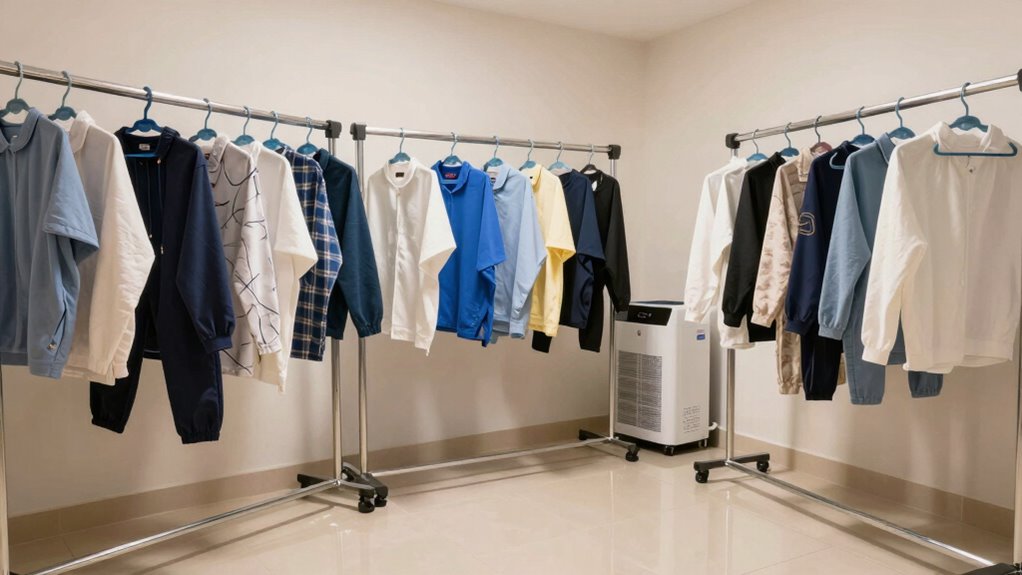
A drying zone offers numerous advantages that can markedly improve your drying processes. When you dedicate a specific area for drying, you gain better control over key factors like air circulation and humidity, which directly influence the efficiency and quality of your drying operations. Proper air circulation ensures that moisture is evenly dispersed and swiftly carried away from the drying objects. By establishing a dedicated zone, you can enhance airflow patterns, preventing stagnation and reducing drying times. This not only speeds up your workflow but also helps prevent issues like mold or uneven drying, which can compromise the final product.
Humidity control is another critical benefit of having a designated drying space. When you manage humidity levels effectively, you create an environment that consistently promotes moisture removal without over-drying or damaging your items. Too much humidity slows down the drying process and can lead to issues like clumping or spoilage, especially when dealing with sensitive materials. Conversely, low humidity can cause cracking or warping. By isolating your drying area, you can install humidity sensors and control systems that keep the environment at ideal levels. This precision reduces waste, improves consistency, and enhances the overall quality of your products.
Having a dedicated drying zone also simplifies your workflow. Instead of spreading out drying tasks across various locations, you centralize everything in one space. This makes it easier to monitor conditions, perform maintenance, and implement improvements. You can set up specialized equipment, such as fans, dehumidifiers, and vents, tailored to your specific needs. As a result, you’ll spend less time troubleshooting uneven drying issues and more time focusing on production. The controlled environment minimizes external variables, so your drying process becomes predictable and reliable. Additionally, incorporating environmental controls can further optimize your drying setup for energy efficiency. A well-designed drying zone can also contribute to sustainable practices by reducing energy consumption and waste.
Furthermore, a dedicated zone helps maintain cleanliness and hygiene standards. When you keep drying separate from other production areas, it reduces contamination risks and makes cleaning more straightforward. You can design the space with materials and layouts suited for easy sanitation, which is especially important in industries like food processing or pharmaceuticals. Proper ventilation systems are also essential to prevent stale air buildup and ensure fresh airflow, further supporting hygiene standards. Incorporating air filtration can also enhance the cleanliness and safety of the environment.
In essence, establishing a dedicated drying zone transforms your drying operations from a haphazard process into a streamlined, efficient system. With better air circulation, precise humidity control, and centralized management, you’ll notice improvements in speed, consistency, and quality. It’s an investment that pays off by saving time, reducing waste, and ensuring your products meet high standards every time. Incorporating biodiversity-friendly practices into your drying setup can further enhance sustainability and environmental impact.
industrial drying zone equipment
As an affiliate, we earn on qualifying purchases.
As an affiliate, we earn on qualifying purchases.
Frequently Asked Questions
How Does a Drying Zone Improve Overall Drying Efficiency?
A drying zone improves your overall drying efficiency by optimizing moisture removal and air circulation. When you dedicate a specific area, airflow becomes more controlled, preventing moisture from spreading and allowing warm, dry air to circulate effectively. This targeted approach speeds up drying time and reduces energy waste. As a result, your items dry faster and more evenly, making your process more efficient and saving you both time and resources.
Can Existing Spaces Be Easily Converted Into a Drying Zone?
Yes, existing spaces can be easily converted into a drying zone. You focus on space optimization by decluttering and repurposing areas, while ensuring aesthetic integration with your current decor. You may add shelves, hooks, or drying racks, making the zone functional and visually appealing. This transformation is straightforward and cost-effective, allowing you to streamline your drying process without sacrificing style or efficiency.
What Maintenance Is Required for a Dedicated Drying Zone?
You need to regularly monitor humidity control and guarantee proper air circulation in your drying zone. Keep humidity levels low with dehumidifiers if necessary, and check that vents or fans are functioning well to promote airflow. Clean filters and vents periodically to maintain efficient air circulation. By maintaining these elements consistently, you’ll keep the drying environment ideal, preventing mold and ensuring your items dry quickly and effectively.
How Does a Drying Zone Impact Energy Consumption?
A drying zone considerably reduces energy consumption by optimizing moisture removal, leading to energy savings. You’ll use less power because the dedicated space streamlines the drying process, avoiding unnecessary energy use. This improvement not only cuts costs but also lessens your environmental impact by decreasing overall energy demand. With a drying zone, you’ll operate more efficiently, conserving resources and supporting sustainability efforts while maintaining high-quality results.
Are Drying Zones Suitable for All Types of Materials?
Drying zones are generally suitable for many materials, but you need to take into account material compatibility and zone customization. Some materials, like delicate fabrics or sensitive chemicals, require specific conditions to avoid damage. By customizing the drying zone, you can optimize settings for different materials, ensuring efficient drying without compromising quality. Always assess each material’s unique needs to determine if a dedicated drying zone fits your process.
humidity control system for drying
As an affiliate, we earn on qualifying purchases.
As an affiliate, we earn on qualifying purchases.
Conclusion
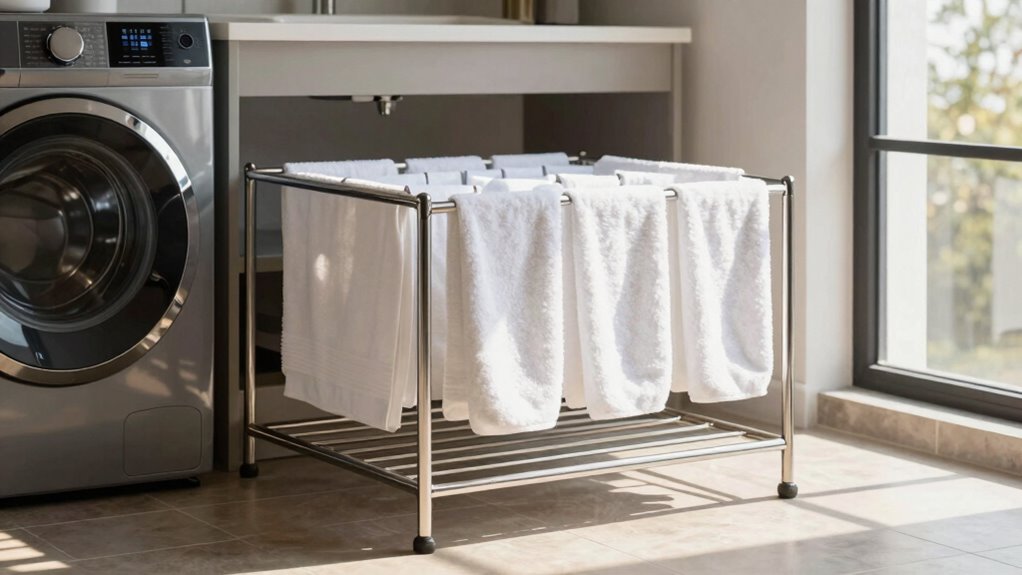
Creating a dedicated drying zone transforms your space into a well-oiled machine, making laundry day smoother and more efficient. It’s like giving your clothes a spa day—just when they need it most. With everything in its place, you’ll save time, reduce clutter, and keep your home looking sharp. Embrace the drying zone and watch how it turns a mundane task into a seamless part of your routine—like a well-choreographed dance you’ll want to perform every day.
air circulation fans for drying area
As an affiliate, we earn on qualifying purchases.
As an affiliate, we earn on qualifying purchases.
As an affiliate, we earn on qualifying purchases.
Halloween Picks
halloween
As an affiliate, we earn on qualifying purchases.