To protect your workspace effectively, choose the right cutting mats, self-healing mats, or desk guards based on your craft. High-quality mats are durable, resistant to wear, and often self-heal from cuts to last longer. Desk guards add safety and ergonomic benefits, reducing hazards and fatigue. Balancing cost, durability, and safety features helps you find the ideal solution. Keep exploring to discover how each option can keep your work safe and organized.

Get business pricing on tools and workshop supplies
- Business-only prices and quantity discounts
- Tax-exempt purchasing
- Multiple users, one account, clear invoices
Key Takeaways
- Self-healing mats effectively protect surfaces by recovering from cuts, extending their lifespan and maintaining a smooth workspace.
- Cutting mats made from durable materials like PVC or rubber prevent damage from heat, debris, and sharp tools.
- Desk guards provide physical barriers against spills and impacts, ensuring safety and protecting underlying surfaces.
- Choosing the right protective surface depends on work type, frequency, and eco-friendly preferences for sustainable workspace safety.
- Proper maintenance, like regular cleaning, and selecting high-quality, certified products enhance long-term protection and safety.
As an affiliate, we earn on qualifying purchases.
Types of Protective Surfaces for Creative Work

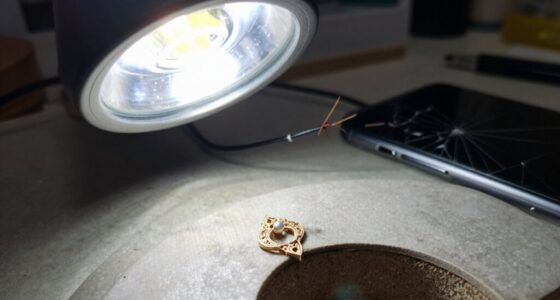
When choosing protective surfaces for your creative work, it’s important to contemplate options that safeguard your tools and workspace while offering durability. Laser cutters, for example, require sturdy mats to prevent damage from heat and debris. Rubberized pads are a popular choice because they provide a non-slip surface, absorb impact, and protect underlying furniture or surfaces from scratches. These pads are versatile, easy to clean, and durable enough to withstand frequent use. They also help stabilize delicate tools and materials, reducing the risk of accidents. When selecting a protective surface, consider whether it’s designed to handle the specific demands of your craft, like laser cutting or other precision work. Material selection is crucial in ensuring that your workspace remains safe and the protective surface performs effectively over time. Incorporating workplace safety and energy-efficient materials into your workspace can further enhance safety and sustainability. Additionally, choosing appropriate protective surfaces can help prolong the lifespan of your tools and reduce the need for replacements. Utilizing natural materials can also contribute to a more eco-friendly workspace that aligns with sustainable practices.
As an affiliate, we earn on qualifying purchases.
Material Composition and Durability of Cutting and Self-Healing Mats

The material composition of cutting and self-healing mats plays a crucial role in their performance and longevity. Understanding this helps you choose a durable, effective workspace. Composition analysis reveals that high-quality mats typically combine PVC, rubber, or polymer layers for enhanced material durability. These materials allow the mat to withstand repeated cuts without significant damage. Key factors include the density of the surface, which affects resilience, and the ability to self-heal after being cut. A well-constructed mat distributes force evenly, preventing premature wear. Additionally, the specific blend of materials influences resistance to moisture, chemicals, and tearing. The choice of materials also impacts the material resilience, ensuring the mat maintains its protective qualities over time. Moreover, the incorporation of sound healing science principles in mat design can enhance their calming effect, creating a more focused workspace. Advanced manufacturing techniques, such as material layering, further contribute to durability and performance. The use of innovative material engineering practices ensures that these mats can meet the demanding needs of various creative and professional environments. By examining the composition, you ensure you select a mat that maintains its protective qualities over time, providing a reliable surface for your creative projects.
As an affiliate, we earn on qualifying purchases.
Safety Features and Ergonomic Benefits of Desk Guards

Desk guards enhance safety by creating a physical barrier that prevents accidental spills, splashes, and contact with sharp or hot objects. Their ergonomic design ensures comfortable use, reducing strain during prolonged periods. Many desk guards feature safety certifications, confirming they meet rigorous standards for durability and protection. This trustworthy information helps you work confidently, knowing your workspace minimizes risks. The ergonomic features promote proper posture and reduce fatigue, making long hours more manageable. Additionally, safety certifications demonstrate that the guard has undergone testing to withstand impacts and resist damage. Furthermore, AI tools can assist in designing ergonomic workplace solutions that optimize safety and comfort. These innovations incorporate navigation and mapping principles to adapt to different workspace layouts, creating a safer, more comfortable environment, allowing you to focus on your tasks without worrying about accidental injuries or discomfort. Moreover, understanding impact resistance helps in selecting guards that provide reliable protection against accidental bumps or knocks. Incorporating material durability considerations ensures the guard maintains its protective features over time, even with frequent use.
As an affiliate, we earn on qualifying purchases.
Comparing Cost, Longevity, and Maintenance Requirements

Self-healing cutting mats offer a cost-effective solution over time because their durability means you won’t need to replace them frequently. They reduce expenses by maintaining blade longevity, which keeps your blades sharper longer, saving you money on replacements. Additionally, these mats require minimal maintenance—just occasional cleaning—to preserve their surface and mat aesthetics. When comparing options, consider:
- Blade longevity extension, which minimizes frequent blade replacements.
- Durability of the surface, affecting how long the mat remains functional.
- Maintenance needs, including cleaning and repairs.
- Overall cost over the lifespan, factoring in initial price and longevity benefits.
Choosing a self-healing mat may have a higher upfront cost but offers better longevity and lower long-term maintenance, making it a smart investment for your workspace.
Tips for Selecting the Right Protective Solution for Your Workspace

Choosing the right protective solution for your workspace depends on understanding your specific needs and working habits. Consider how often you work at your desk, the type of materials you handle, and whether workspace aesthetics matter to you. If maintaining a clean, professional look is a priority, opt for sleek, minimalistic mats that blend with your decor. To minimize environmental impact, select eco-friendly materials like recycled or biodegradable options. Think about durability and maintenance—self-healing mats last longer and reduce waste, making them a sustainable choice. Also, assess the surface area you need to cover and whether the solution allows easy storage or portability. Incorporating safety checklists such as CO alarms, cords, and placement ensures a secure workspace. Paying attention to workspace safety factors can prevent accidents and protect both your equipment and yourself. Additionally, selecting mats with anti-slip features can further enhance safety during work. When choosing protective solutions, consider how work environment influences your needs to ensure optimal protection. Properly choosing and maintaining your workspace accessories can also contribute to long-term equipment preservation, saving you money and effort. By balancing aesthetics, functionality, and ecological considerations, you’ll find a protective solution tailored to your workspace.
Frequently Asked Questions
Are There Eco-Friendly Options for Cutting Mats and Desk Guards?
Yes, eco-friendly options for cutting mats and desk guards exist. You can choose biodegradable options made from natural or plant-based materials, which break down more easily in the environment. Recycled materials are also popular, turning old plastics or rubber into new protective surfaces. These choices help reduce waste and your environmental impact while keeping your workspace safe and functional. Look for products clearly labeled as eco-friendly or sustainable to guarantee you’re making a green choice.
How Do I Properly Clean and Maintain Self-Healing Mats?
Think of your self-healing mat as a garden needing gentle care. To keep it in top shape, use mild soap and water for cleaning techniques, avoiding harsh chemicals. Regular maintenance tips include removing debris with a soft cloth and avoiding excessive cutting pressure. This routine keeps the surface smooth and resilient, ensuring your workspace stays protected and your mat continues to heal itself, like a garden thriving under your attentive care.
Can Protective Mats Be Customized for Specific Workspace Sizes?
Yes, protective mats can be customized for your workspace sizes using custom sizing and modular designs. You can easily tailor mats to fit specific areas, ensuring maximum coverage and protection. Modular designs allow you to connect multiple mats seamlessly, creating a larger working surface or adjusting as your needs change. This flexibility helps protect your work efficiently while optimizing space, making your workspace both safe and functional.
Do Different Materials Offer Varying Levels of Chemical Resistance?
Think of materials as the armor protecting your workspace; they do vary in strength. Different materials offer different levels of chemical resistance, depending on their durability and chemical compatibility. For example, silicone and polyethylene excel against certain chemicals, while rubber might falter. Your choice impacts how well your work surface withstands spills and exposure. Selecting the right material guarantees your workspace remains safe and your projects stay protected from chemical damage.
Are There Portable Protective Solutions for Mobile or Temporary Workspaces?
Yes, there are portable solutions for temporary workspace protection. You can use lightweight, foldable cutting mats or self-healing mats that are easy to carry and set up. These options provide a reliable surface for your tasks without the need for permanent fixtures. Compact, roll-up mats are especially practical for mobile work or short-term projects, ensuring your workspace stays safe and your work remains protected wherever you go.
Conclusion
So, next time you’re slicing away on that fancy cutting mat or trusting your desk to save your workspace, remember—it’s probably not the superhero you think it is. While some mats boast self-healing powers, they still wear out eventually, and desks aren’t exactly built for heavy-duty protection. Ironically, your safest bet might just be investing in the right protective gear—because, let’s face it, your workspace’s safety isn’t going to happen by accident.
Fall yard work Picks
leaf blowers
As an affiliate, we earn on qualifying purchases.