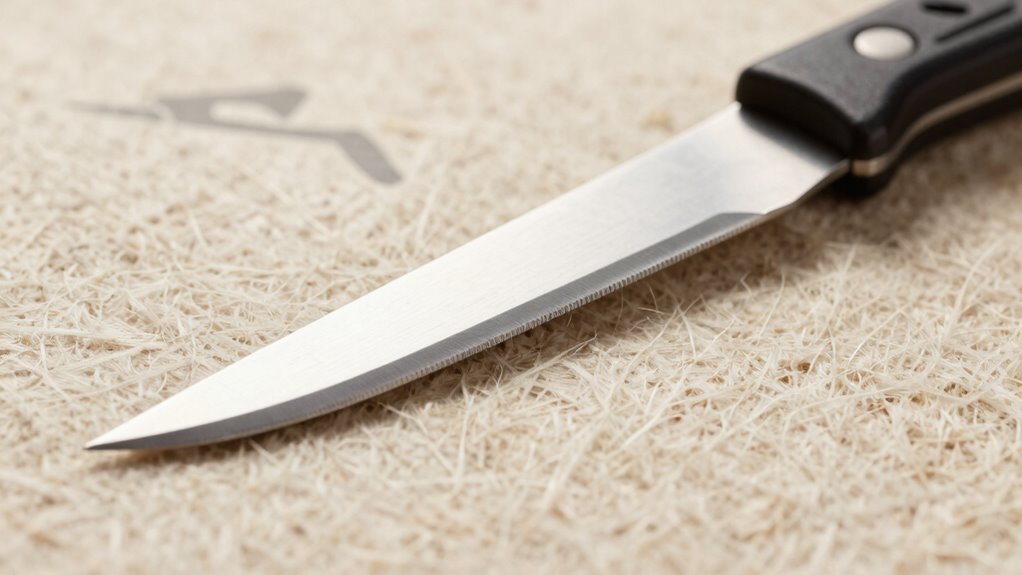

If your craft knife tears instead of cutting smoothly, the issue often lies in your angle and pressure. Using a steep or shallow angle makes it harder for the blade to glide cleanly through materials, causing tearing. To fix this, hold the blade at a consistent, shallow angle around 45°, and apply gentle, steady pressure. Improving your technique and ensuring your blade is sharp can make a big difference—continue exploring for more tips to perfect your cuts.
Key Takeaways
- Dull or nicked blades lack sharpness, causing tearing instead of clean cuts. Regularly replace or sharpen blades.
- Using an uneven or debris-filled cutting surface can lead to material snagging and tearing.
- Applying too much pressure or cutting at a steep angle compromises control, resulting in tears.
- Maintaining a consistent, shallow cutting angle (~45°) ensures smoother, cleaner cuts.
- Proper technique with gentle, steady pressure and correct angle minimizes tearing and improves cut quality.

If you’ve ever experienced tearing or uneven cuts while using a craft knife, you’re not alone. This common issue can be frustrating, but the good news is that it often comes down to simple adjustments you can make. One key factor is blade maintenance. Over time, craft knife blades can become dull or nicked, which compromises their ability to cut smoothly. A dull blade requires more pressure, increasing the likelihood of tearing instead of clean cuts. Regularly inspecting your blade and replacing it when it shows signs of wear is essential. Sharp blades cut through materials more cleanly, reducing tearing and ensuring precision. Keep blades stored properly, and consider rotating blades frequently if you do a lot of cutting, so you always have a sharp edge ready for work.
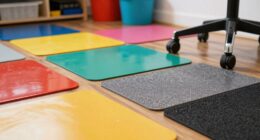
Another critical element is your cutting surface. A stable, flat, and smooth surface provides the right foundation for clean cuts. If your workspace is uneven or has debris, your craft knife may snag or veer off course, causing tearing or jagged edges. Always use a cutting mat or a dedicated cutting board designed for craft work. These surfaces not only protect your workspace but also help the knife glide smoothly, which minimizes tearing. When working on softer or uneven surfaces like paper or fabric placed on rough tables, the material may shift or resist the blade, leading to uneven cuts. Ensuring your cutting surface is clean, flat, and appropriate for your project makes a significant difference.
The angle at which you hold your craft knife also plays a fundamental role. If you’re cutting at an incorrect angle—either too steep or too shallow—you can put uneven pressure on the blade. This uneven pressure increases the risk of tearing rather than a clean cut. Experiment with maintaining a consistent, shallow angle, typically around 45 degrees, to maximize control and cut quality. Applying even, gentle pressure rather than forcing the blade through the material helps the blade slice smoothly without tearing.
Frequently Asked Questions
Can Blade Quality Affect Tearing Versus Cutting?
Yes, blade quality can definitely affect tearing versus cutting. Lower-quality blades often lack consistent sharpness and may dull quickly, leading to tearing rather than clean cuts. High-quality blades, made with strict manufacturing standards, maintain their edge longer, ensuring smoother cuts. If your blades wear out too fast, it’s a sign to invest in better blades with improved manufacturing standards, which will enhance blade longevity and help prevent tearing during your projects.
How Does Blade Dullness Influence Tearing?
A dull blade causes tearing because it lacks the sharpness needed for clean cuts. Over time, blade corrosion can worsen dullness, making tearing more likely. To fix this, you should regularly sharpen your craft knife using proper sharpening techniques, like honing or polishing. Keeping your blade sharp ensures smooth cuts, reducing tearing and improving precision. Consistent maintenance prevents corrosion and maintains ideal cutting performance.
Does Cutting Speed Impact the Tearing Problem?
Yes, cutting speed can influence tearing issues. If you cut too quickly, your blade may not maintain proper tension, leading to uneven cuts and tearing. Conversely, slowing down allows the blade to stay steady and sharp, resulting in cleaner cuts. Adjust your cutting speed to match your blade tension; a steady, controlled pace helps prevent tearing and ensures precise, smooth results every time.
Are Certain Materials More Prone to Tearing?
Yes, certain materials are more prone to tearing. Materials with uneven or fibrous properties, like thick fabric or textured paper, tend to tear easily when cut. To prevent this, you should adjust your cutting techniques—use a gentle, steady pressure and maintain the proper angle. Understanding material properties helps you choose the right cutting approach, ensuring cleaner cuts and reducing tearing during your craft projects.
Can Specific Handle Grips Reduce Tearing?
You’ll notice that ergonomic handles and proper grip techniques make a real difference in preventing tearing. Imagine your hand comfortably wrapping around the handle like a gentle hug, giving you better control and stability. Using a handle grip designed for comfort helps reduce slipping and uneven pressure, ensuring cleaner cuts. With the right handle grip, you can slice through materials smoothly, turning your craft knife into a precise, tearing-free tool.
Conclusion
Think of your craft knife as a dancer, gliding smoothly across the stage. When it’s angled just right, it moves gracefully, slicing through paper like a whisper. But if you angle it wrong, it stumbles and tears instead of gliding. By adjusting your angle, you’re guiding the dance, letting your blade flow seamlessly. With the right stance, your cuts become a quiet song—precise, clean, and effortless—turning your craft into art.