To choose thread color that disappears on busy fabric, start by matching the thread to the dominant or background shade of the fabric using color charts or comparison swatches. For patterned or multi-colored textiles, opt for neutral or transparent threads that blend seamlessly. Always test on a scrap piece to check how well the thread integrates with the fabric’s texture and weight. Keep in mind, mastering the art of subtle stitching can elevate your project even further as you explore more tips.
Key Takeaways
- Match thread color closely to the fabric’s main shade or pattern to minimize visibility.
- Use neutral or transparent threads for busy or multi-colored fabrics to blend seamlessly.
- Test thread on scrap fabric to observe how well it disappears before sewing the final project.
- Choose fine, smooth threads suited for the fabric’s weight to prevent puckering and ensure discreet stitching.
- Consider the fabric’s texture and pattern; blend with dominant colors for the most inconspicuous results.
Have you ever wondered how the right thread color can transform your sewing project? Choosing a thread that blends seamlessly with your fabric can make all the difference, especially when you want the stitches to vanish rather than stand out. The key lies in understanding color matching and fabric compatibility. When you pick a thread that closely matches your fabric’s color, the stitches become less noticeable, creating a clean, professional look. But it’s not just about matching hues; you also need to contemplate how different fabrics interact with certain thread colors to guarantee your seams stay discreet.
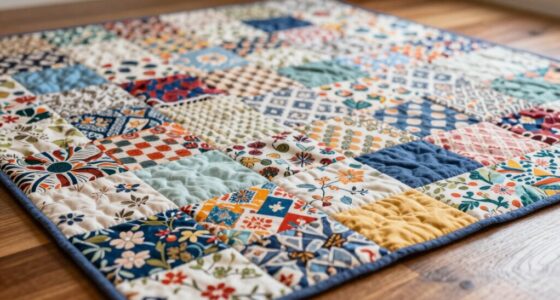
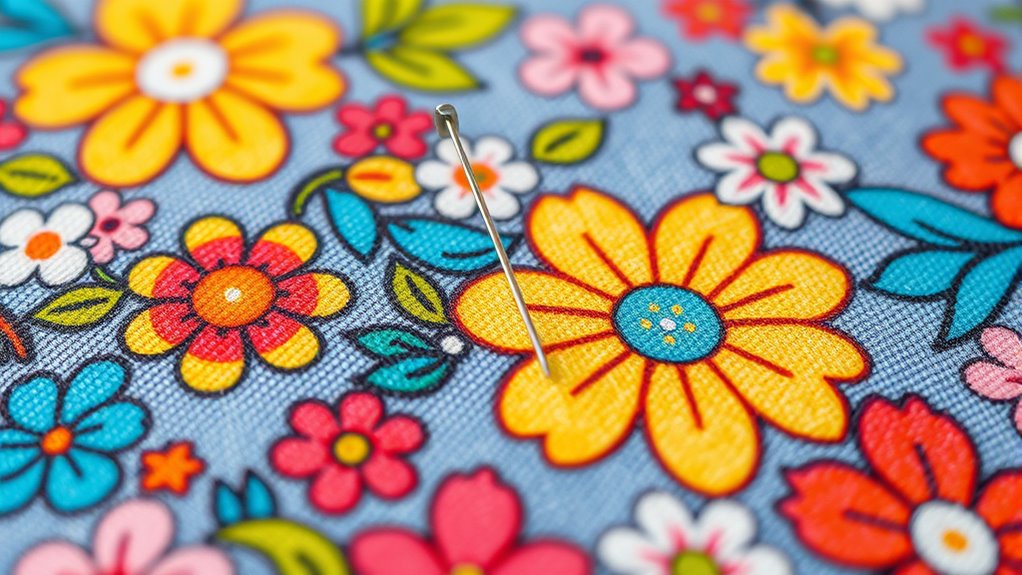
Start by examining your fabric carefully. If it’s a solid color, choosing a thread in the same shade is straightforward. Use a color chart or comparison swatch to find the closest match. If you’re working with patterned or multi-colored fabric, opt for a neutral or shade that blends into the dominant color of the pattern. This minimizes visual disruption and helps your stitches disappear into the background. Remember, the goal is to create a seamless appearance, so take your time to select a thread that complements your fabric, rather than competing with it.
Examine your fabric carefully and match thread shades or blend into the dominant color for seamless stitches.
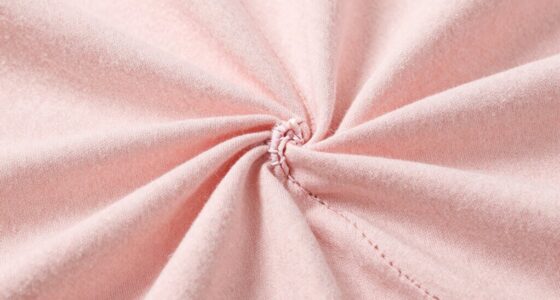
Fabric compatibility plays a vital role in selecting a thread that disappears. Different fabrics have different textures, weights, and fiber contents, which influence how a thread interacts with the material. For example, lightweight fabrics like chiffon or voile require fine, smooth threads that don’t add bulk or create puckering. Heavier fabrics such as denim or canvas need stronger, more durable threads that can withstand stress without showing through or causing distortion. When choosing your thread, consider the fabric’s weight and fiber type; some threads are designed specifically for certain materials, ensuring your stitches stay hidden and your project maintains its intended look.
Color matching isn’t just about aesthetics; it’s also about fabric compatibility. If you mismatch thread and fabric, even a subtle difference in hue can make your stitches visible. Conversely, selecting a thread that’s too close but not exact can sometimes be noticeable, especially under close inspection or in bright light. For this reason, test your thread on a scrap piece of the same fabric before starting your main project. This test can reveal how the thread behaves, whether it blends well, and if it’s compatible with your fabric’s texture and weight. Additionally, understanding the fiber content of your fabric can help you choose a thread that behaves appropriately during sewing and washing, ensuring long-lasting invisibility.
Ultimately, choosing a thread color that disappears on busy fabric requires thoughtful consideration of both color matching and fabric compatibility. By paying attention to these details, you guarantee your stitches stay discreet, your seams remain smooth, and your finished piece looks polished. It’s a subtle art, but mastering it elevates your sewing to a professional level, giving your projects a flawless, seamless appearance that highlights your craftsmanship rather than your stitching.
Frequently Asked Questions
Can I Use Invisible Thread for All Types of Fabric?
You can use invisible thread on most fabrics, but it’s important to do some thread testing first. Not all fabrics match well with invisible thread because it’s thinner and more delicate. For best results, match the thread to your fabric and test it on a scrap piece to see how it behaves. This way, you guarantee your stitches are neat and discreet, regardless of fabric type.
How Does Fabric Color Affect Thread Invisibility?
Fabric color substantially affects thread invisibility. If your fabric is light, choose a matching or transparent thread to minimize contrast stitching. For dark fabrics, select a thread that blends well to hide stitches, especially on busy or textured fabrics where contrast can stand out. Consider fabric texture effects, as rough or patterned surfaces may require specific thread choices to achieve a seamless look. Matching thread color helps your work look clean and professional.
Is There a Difference Between Polyester and Nylon Invisible Threads?
Polyester and nylon invisible threads differ considerably; nylon has a stretchability of up to 20%, making it more flexible on moving fabrics, while polyester offers a higher material sheen, giving a smoother, less shiny appearance. Nylon’s stretch helps prevent puckering on stretchy fabrics, whereas polyester’s sheen ensures a subtle, nearly invisible finish. Choose nylon for elastic projects and polyester when you want a more matte, discreet look.
Will Thread Color Affect the Durability of My Stitches?
Yes, thread color can affect your stitches’ durability. Choosing a thread with good colorfastness guarantees it resists fading over time, maintaining a seamless look. Additionally, using high-quality thread boosts longevity, preventing breakage and ensuring your stitches stay secure longer. Darker or more vibrant colors may wear faster if not colorfast, so pick threads designed for durability and color retention to keep your sewing strong and lasting.
How Do I Test if a Thread Blends Well Before Sewing?
To test if a thread blends well, start with thread testing on scrap fabric similar to your project. Use blending techniques like stitching small samples in different colors and lighting. Observe how closely the thread matches the fabric, checking for visibility. Adjust as needed, comparing results side-by-side. This proactive approach helps verify your stitches will blend seamlessly, even on busy or patterned fabrics, giving your project a professional finish.
Conclusion
Now that you know how to pick the perfect disappearing thread, you’ll never have to worry about your stitches ruining your masterpiece. With these tips, your thread will vanish like a magician’s trick, leaving your fabric flawless and your project looking professionally done. Remember, the right thread can make all the difference—turning a good project into an incredible one. So go ahead, choose wisely, and watch your sewing skills reach legendary status!