TL;DR
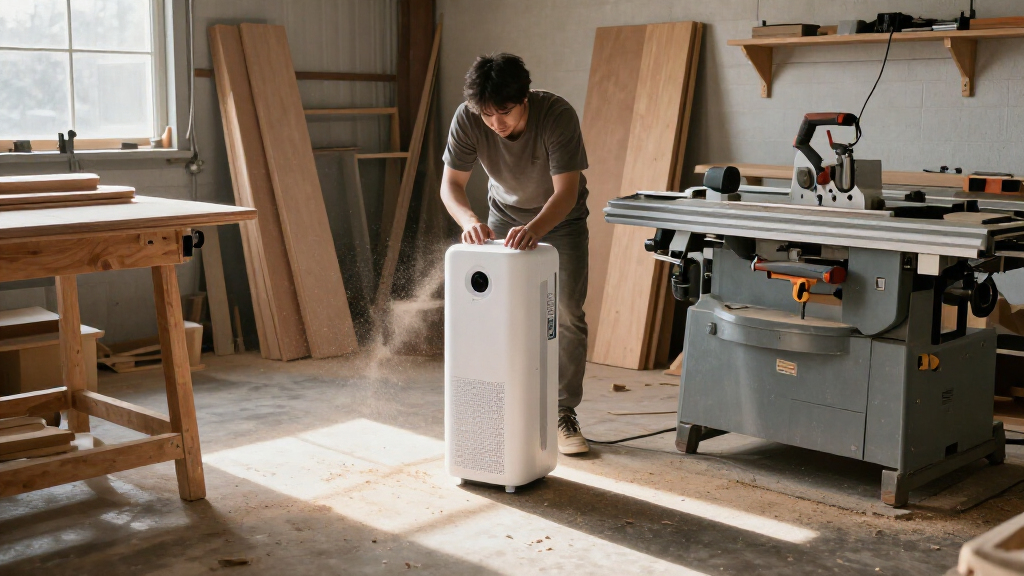
The supplied Ideal Home material is a collection of air purifier articles, reviews and buying advice, not a report of a single new product launch or scientific finding. It covers how models are tested and used, while the effectiveness of specific devices depends on their features, setting and the claims in each individual review.
Ideal Home’s air purifier coverage spans product reviews, testing methods and advice on issues such as pollen, household smells and where to position a device. The supplied source is a topic page listing articles rather than a single dated announcement or research report, so it does not establish a new finding about purifier performance; its practical relevance is helping readers compare claims and match a model to their needs.

Get business pricing on tools and workshop supplies
- Business-only prices and quantity discounts
- Tax-exempt purchasing
- Multiple users, one account, clear invoices
The listed coverage includes home tests of models from Shark, Blueair, Dyson and Levoit. Review headlines describe tests in particular homes and over specified periods in some cases: one Blueair model was tested for two weeks, while a Shark review also describes two weeks of use. Those are individual product assessments, not evidence that every model from a brand performs the same way.
Other articles focus on how to choose and use a purifier. The page points readers to guidance on odour-control features, pollen and hay fever, kitchen placement and whether windows should be open while a unit is running. It also lists comparisons involving purifiers and dehumidifiers, humidifiers, fans, heaters and air conditioners. The supplied excerpts do not give detailed test protocols, measured results or full expert statements.
Ideal Home says it has put many air purifiers through its testing process and describes an article explaining how it translates technical specifications for readers. The page also includes a report about an IKEA air-quality sensor priced at £25, but does not provide a date or supporting sales figures for the headline’s claim that it was selling out. A Coway offer is explicitly labelled sponsored content, a distinction that matters when readers weigh product recommendations.
Choosing a Purifier for Your Home
The coverage reflects a practical problem for buyers: a purifier’s advertised features do not by themselves show whether it suits a particular room or concern. Readers looking for help with pollen, pet dander or cooking smells need to distinguish between a product review, an explanation of relevant features and a general claim about a whole product category.
That distinction can affect both spending and expectations. Multi-function appliances may appeal to people seeking a fan, heater or purifier in one unit, while a focused model may better match a specific use. The source page raises those trade-offs but does not provide enough comparative data to identify a universally best choice or quantify health outcomes.
Popular right now

Philips 3300 Series Fully Automatic Espresso Machine with LatteGo
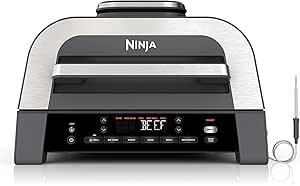
Ninja Foodi Smart XL 6-in-1 Indoor Grill and Air Fryer, Black/Silver (DG551)

Dyson V8 Cyclone Cordless Vacuum
As an affiliate, we earn on qualifying purchases.
Reviews, Tests and Buying Advice
The Ideal Home page is an index of articles rather than a standalone investigation. Its entries include first-person product tests, expert-guidance pieces, seasonal advice and shopping coverage. The range runs from spring pollen and summer heat to fireplace use in winter, indicating that the topic is presented as a year-round household concern.
The listing also signals that specifications and real-world use are treated as separate parts of a buying decision. It names compact devices, smart sensors and all-in-one appliances, alongside advice about placement and room conditions. However, the supplied source does not include the full articles, their publication dates or enough detail to reconstruct a consistent head-to-head test across brands.
Evidence Behind the Product Claims
The source material does not identify a single new event, give dates for the listed articles or provide complete test data. It is not clear what measurement methods, room sizes or operating conditions underlie the individual product descriptions, nor how results compare across models. Claims in review headlines and summaries should be read as attributed editorial assessments, not as independently verified conclusions about health benefits.
The page also does not establish how much a purifier may reduce symptoms for a particular person, whether a given device is appropriate for a specific home, or whether the listed sensor’s reported availability changed after publication. Without the full articles and their evidence, those points remain unresolved.
Check the Full Reviews and Conditions
Readers considering a purchase can consult the full reviews and testing-method article for the conditions, criteria and limitations behind each assessment. They should compare a model’s stated features with their intended use, including room placement, allergens or odours of concern, rather than treating a brand-level headline as a guarantee.
No further announcement, study or product release is identified in the supplied material. Any update on the sensor’s availability, newer model testing or comparative performance would require additional reporting and source evidence.
Key Questions
Does the source report a new air purifier launch?
No single launch is established. The supplied material lists coverage of multiple products and topics, but gives no dated announcement identifying a new launch as the central development.
Does an air purifier remove household smells?
The listing includes an Ideal Home article saying odour removal depends on having particular features. The supplied excerpt does not specify those features or provide test results, so readers should consult the full article and a model’s specifications.
Can an air purifier help with hay fever?
The page includes guidance on purifiers and hay fever, including the caveat that model choice and use matter. It does not provide clinical evidence or guarantee symptom relief for individual readers.
Are the product reviews independent comparisons?
The listing describes individual home tests and a testing-method article, but it does not supply a complete side-by-side comparison or detailed methodology. One Coway offer is explicitly marked sponsored, so readers should distinguish it from editorial reviews.
What remains unknown from this material?
Publication dates, full test conditions and comparative measurements are absent from the supplied excerpts. The page also does not verify health outcomes or provide current availability information for the products and sensor it mentions.
Source: idealhome.co.uk